PSPPJOURNALSPSPPJOURNALS
Journal of Management and Administration ProvisionJournal of Management and Administration ProvisionThis study aims to improve team performance at PT. Insan Cerdas Indonesia (ICI), Ranotana Branch, through a psychological intervention in the form of the Teamwork Excellence training program. The research began with an assessment that identified psychological dysfunctions within the team, such as ineffective communication, unclear role division, and low psychological safety. The methodology employed was a combination of qualitative and quantitative approaches, including observation, structured interviews with the HR Manager and Branch Head, as well as psychological assessments using the Training Needs Analysis (TNA) and Team Climate Inventory (TCI). The intervention was conducted with seven staff members through a one-day experiential training. The results showed significant improvements in vision clarity, participative safety, task orientation, and support for innovation. Participants average posttest scores increased by 18.57% compared to the pretest. Qualitative findings also indicated enhanced initiative, openness in communication, and team cohesion after the intervention. The study concludes that well-targeted psychological interventions can effectively enhance team dynamics. It is recommended that the organization continue sustainable development programs to maintain and further improve team performance.
The study demonstrates that the Teamwork Excellence training program positively impacted team effectiveness at PT ICI Ranotana Branch, Indonesia.Initial assessments revealed issues like ineffective communication and low psychological safety, which the training addressed through a combination of qualitative and quantitative methods.The intervention led to significant improvements in team dynamics, evidenced by increased posttest scores and observable behavioral changes, suggesting that a systematic, assessment-based, and participatory training approach is effective in cultivating a healthy and productive team climate.
Future research should investigate the long-term sustainability of the observed behavioral changes through longitudinal studies, incorporating larger sample sizes and control groups to enhance the generalizability of the findings. Furthermore, exploring the impact of the training on tangible organizational outcomes, such as productivity and employee satisfaction, would provide a more holistic understanding of its effectiveness. Building upon the current study, it would be valuable to examine the role of leadership styles in fostering a truly collaborative work environment, potentially through leadership development programs focused on coaching or servant leadership, to ensure the continued success of team-based initiatives and sustained improvements in organizational performance.
- APA PsycNet. psycnet loading psycnet.apa.org/doi/10.1037/amp0000245APA PsycNet psycnet loading psycnet apa doi 10 1037 amp0000245
- The impact of organizational context on work team effectiveness: a study of production team | IEEE Journals... doi.org/10.1109/TEM.2003.817296The impact of organizational context on work team effectiveness a study of production team IEEE Journals doi 10 1109 TEM 2003 817296
- Psychological Safety and Learning Behavior in Work Teams - Amy Edmondson, 1999. safety learning behavior... journals.sagepub.com/doi/10.2307/2666999Psychological Safety and Learning Behavior in Work Teams Amy Edmondson 1999 safety learning behavior journals sagepub doi 10 2307 2666999
- Does Team Training Improve Team Performance? A Meta-Analysis - Eduardo Salas, Deborah DiazGranados, Cameron... doi.org/10.1518/001872008X375009Does Team Training Improve Team Performance A Meta Analysis Eduardo Salas Deborah DiazGranados Cameron doi 10 1518 001872008X375009
| File size | 422.68 KB |
| Pages | 8 |
| DMCA | Report |
Related /

KOMPETIFKOMPETIF Data analysis was conducted using SEMP-PLS to test the interaction effect between the independent and moderating variables. The results show that humanData analysis was conducted using SEMP-PLS to test the interaction effect between the independent and moderating variables. The results show that human

ESC IDESC ID Each meeting consists of 4 stages, namely planning, implementation, observation/observation, and reflection. The research instruments used were numeracyEach meeting consists of 4 stages, namely planning, implementation, observation/observation, and reflection. The research instruments used were numeracy

KOMPETIFKOMPETIF Selain itu, ukuran perusahaan terbukti memainkan peran moderasi yang signifikan dalam hubungan ini, tetapi dalam arah negatif. Hal ini berarti bahwa pengaruhSelain itu, ukuran perusahaan terbukti memainkan peran moderasi yang signifikan dalam hubungan ini, tetapi dalam arah negatif. Hal ini berarti bahwa pengaruh

KOMPETIFKOMPETIF Penelitian ini bertujuan untuk mengetahui pengaruh Harga, Promosi, dan Citra Merek terhadap Keputusan Pembelian Konsumen Biznet pada PT Supra PrimatamaPenelitian ini bertujuan untuk mengetahui pengaruh Harga, Promosi, dan Citra Merek terhadap Keputusan Pembelian Konsumen Biznet pada PT Supra Primatama
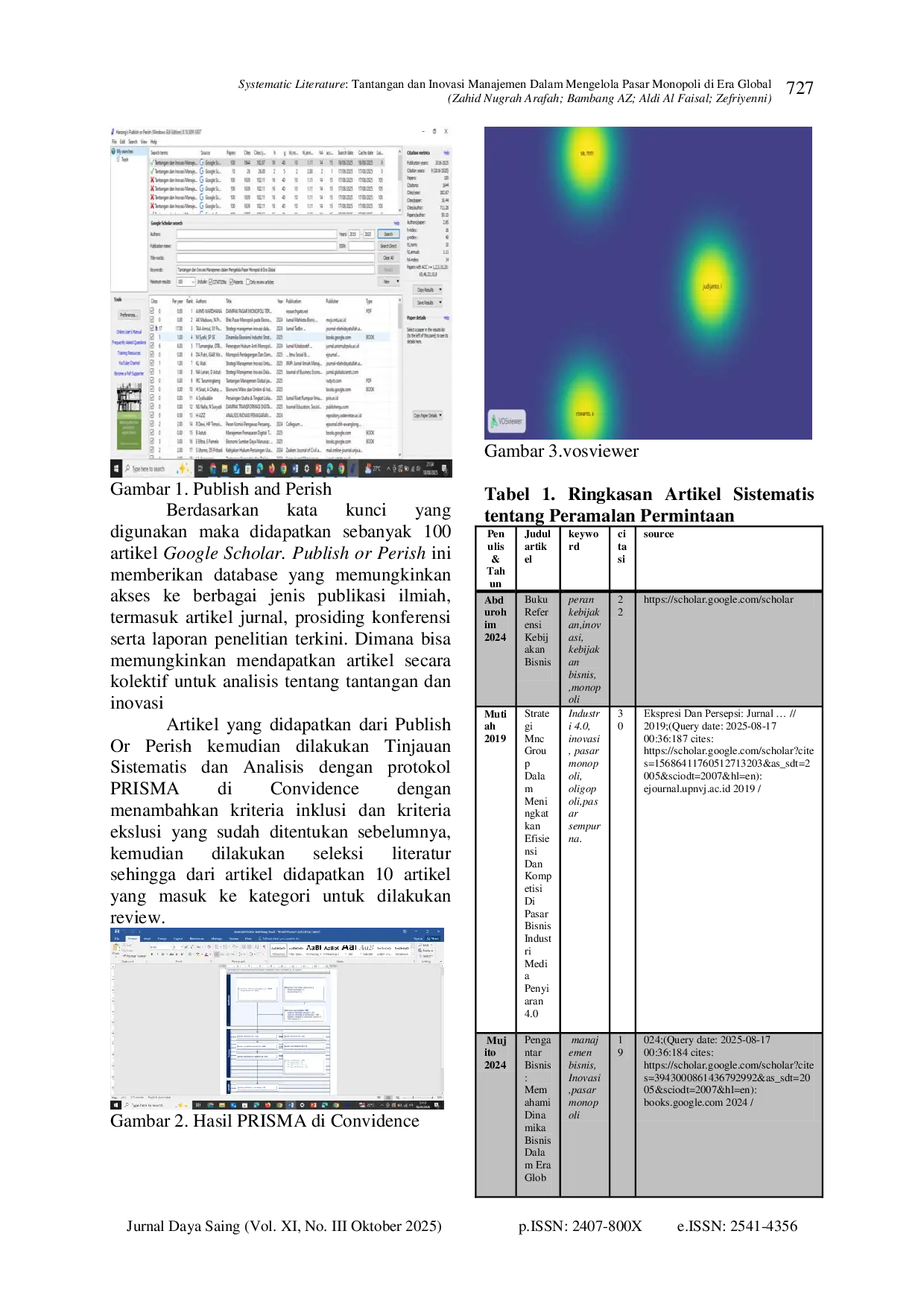
KOMPETIFKOMPETIF Di sisi lain, platform digital memanfaatkan keunggulan data untuk mengelola pasar secara lebih efisien, sekaligus memperkuat posisi monopoli mereka melaluiDi sisi lain, platform digital memanfaatkan keunggulan data untuk mengelola pasar secara lebih efisien, sekaligus memperkuat posisi monopoli mereka melalui
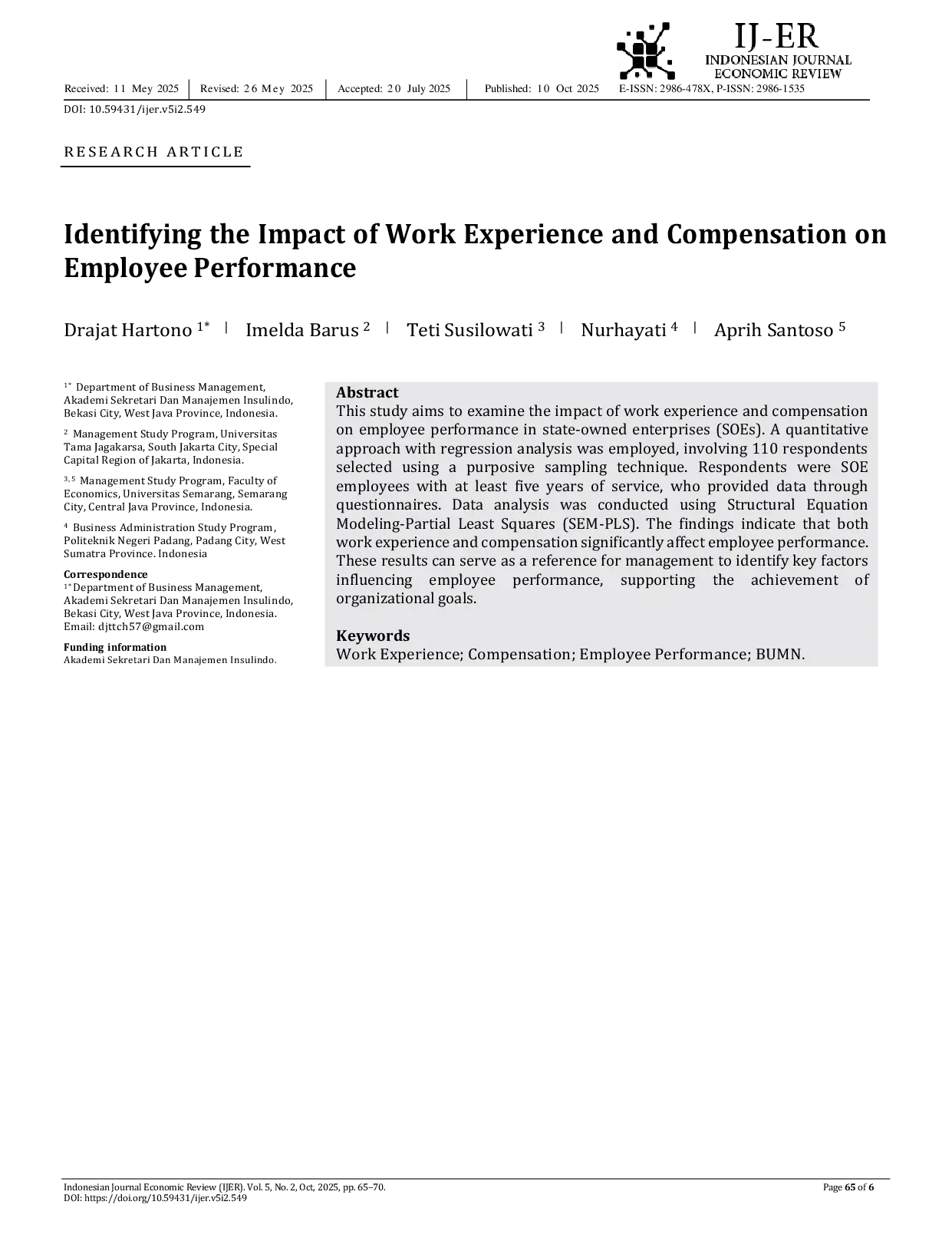
MSTI INDONESIAMSTI INDONESIA Pendekatan kuantitatif dengan analisis regresi digunakan, melibatkan 110 responden yang dipilih menggunakan teknik sampling purposive. Responden adalahPendekatan kuantitatif dengan analisis regresi digunakan, melibatkan 110 responden yang dipilih menggunakan teknik sampling purposive. Responden adalah

PSPPJOURNALSPSPPJOURNALS Self-efficacy plays a crucial moderating role, strengthening the impact of mental accounting and weakening the influence of heuristics. These findingsSelf-efficacy plays a crucial moderating role, strengthening the impact of mental accounting and weakening the influence of heuristics. These findings

DIM UNPASDIM UNPAS Perceived Organizational Support berfungsi sebagai variabel intervening yang memperkuat pengaruh ketiga variabel pertama terhadap OCB. Analisis SITOREMPerceived Organizational Support berfungsi sebagai variabel intervening yang memperkuat pengaruh ketiga variabel pertama terhadap OCB. Analisis SITOREM
Useful /

DINUSDINUS The results show that understanding internal controls, risk awareness, and self-efficacy have positive and significant effects on QRIS phishing prevention,The results show that understanding internal controls, risk awareness, and self-efficacy have positive and significant effects on QRIS phishing prevention,

ITSKHATULISTIWAITSKHATULISTIWA Penelitian ini menyimpulkan bahwa pemanfaatan waktu luang rumah tangga nelayan skala kecil melalui pengembangan usaha off-fishing merupakan alternatifPenelitian ini menyimpulkan bahwa pemanfaatan waktu luang rumah tangga nelayan skala kecil melalui pengembangan usaha off-fishing merupakan alternatif

ITSKHATULISTIWAITSKHATULISTIWA Berdasarkan hasil pembahasan, dapat disimpulkan sebagai berikut. Motivasi kerja berpengaruh signifikan terhadap kinerja pegawai Badan Penanggulanan BencanaBerdasarkan hasil pembahasan, dapat disimpulkan sebagai berikut. Motivasi kerja berpengaruh signifikan terhadap kinerja pegawai Badan Penanggulanan Bencana
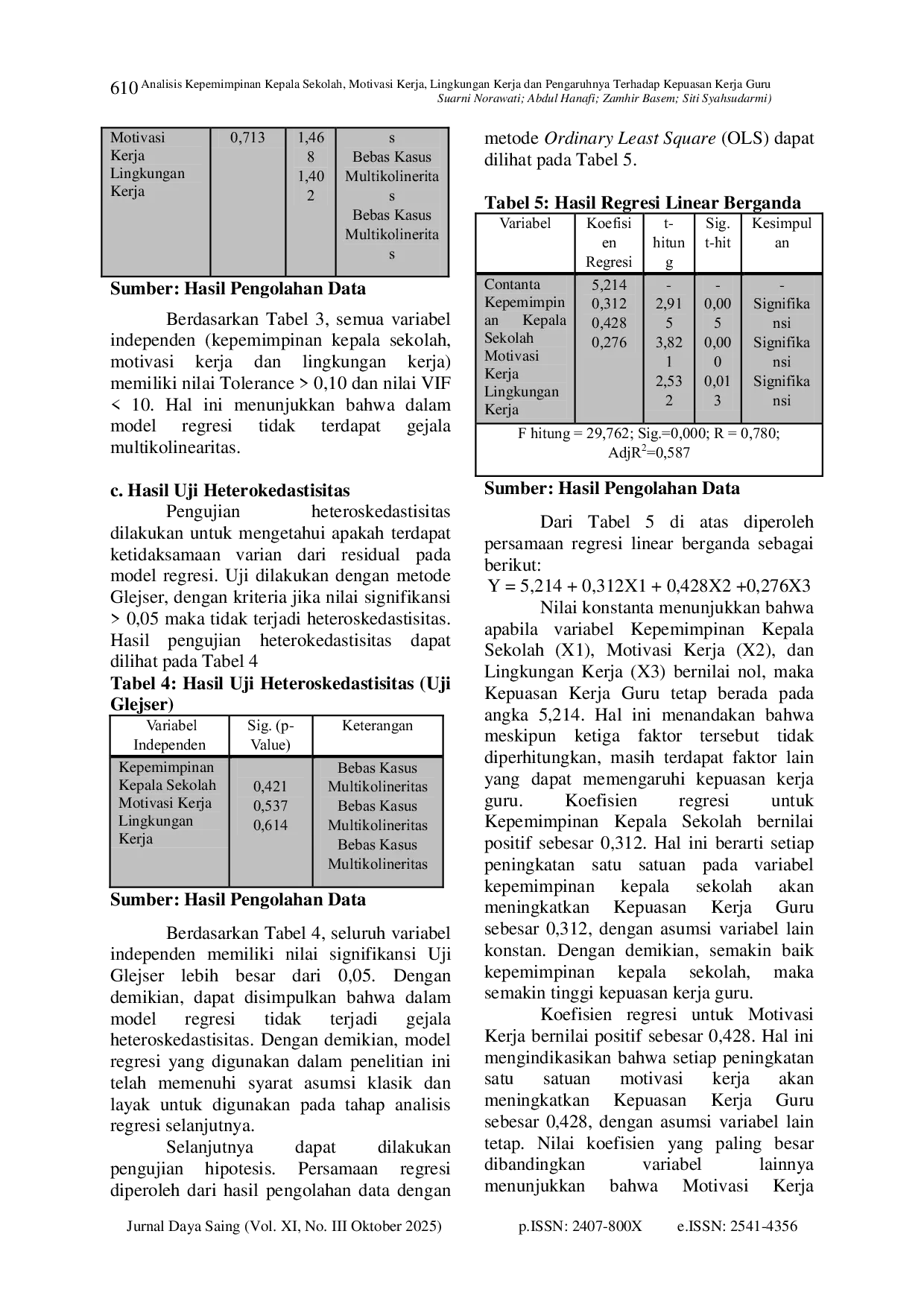
KOMPETIFKOMPETIF Penelitian kuantitatif dengan metode survei dilakukan pada 60 guru melalui kuesioner, dan analisis data menggunakan regresi linier berganda serta uji asumsiPenelitian kuantitatif dengan metode survei dilakukan pada 60 guru melalui kuesioner, dan analisis data menggunakan regresi linier berganda serta uji asumsi