EDUCASIAEDUCASIA
EDUCASIA: Jurnal Pendidikan, Pengajaran, dan PembelajaranEDUCASIA: Jurnal Pendidikan, Pengajaran, dan PembelajaranThe maritime sector, a fundamental part of worldwide commerce, depends greatly on efficient communication to guarantee operational safety and effectiveness. English has been recognized as the global lingua franca via the Standard Marine Communication Phrases (SMCP) by the International Maritime Organization (IMO). Nonetheless, a substantial gap in English language skills among maritime professionals continues to be a vital concern, possibly obstructing their career advancement. This research seeks to thoroughly examine the influence of English language skills on job opportunities, assess the existing level of English proficiency, and identify the barriers to its learning among maritime employees. Using a mixed-methods strategy, the study collected data via surveys from 100 participants and comprehensive interviews with HR managers and seafarers. Quantitative data was examined through descriptive statistics and Pearsons correlation, whereas qualitative data received thematic analysis. The results of the study suggest a strong positive relationship between English language ability (CEFR levels) and perceived chances for promotion and access to global firms, with r = 0.78 (p < 0.01). Significant obstacles noted encompass the absence of specialized maritime English training (English for Specific Purposes), minimal motivation, and restricted availability of learning materials while on board. This research concludes that investing in appropriate and organized English language training programs is essential for improving the skills and competitiveness of maritime professionals in the global market, leading to safer operations and wider career opportunities.
The study reveals that a significant portion of maritime professionals currently possess only intermediate English proficiency, potentially hindering their performance in critical situations.A strong positive correlation exists between English language skills and career advancement opportunities within the maritime sector.Key barriers to language acquisition include inadequate training programs, a lack of supportive work environments, and limited access to learning resources.
Further research should investigate the effectiveness of integrating immersive technologies, such as virtual reality simulations, into maritime English training programs to enhance practical communication skills in realistic scenarios. Additionally, studies could explore the development of customized, modular English language courses tailored to specific roles within the maritime industry – navigators, engineers, and deck officers – addressing their unique linguistic needs. Finally, research is needed to assess the impact of organizational culture and leadership support on seafarers motivation to learn and practice English, potentially identifying strategies to foster a more language-inclusive onboard environment. These investigations, building upon the current findings, will contribute to a more skilled and competitive maritime workforce, ultimately enhancing safety and operational efficiency in the global shipping industry. A comprehensive understanding of these factors will allow for the creation of targeted interventions and policies that promote continuous language development and improve career prospects for maritime professionals.
| File size | 309.97 KB |
| Pages | 11 |
| DMCA | Report |
Related /
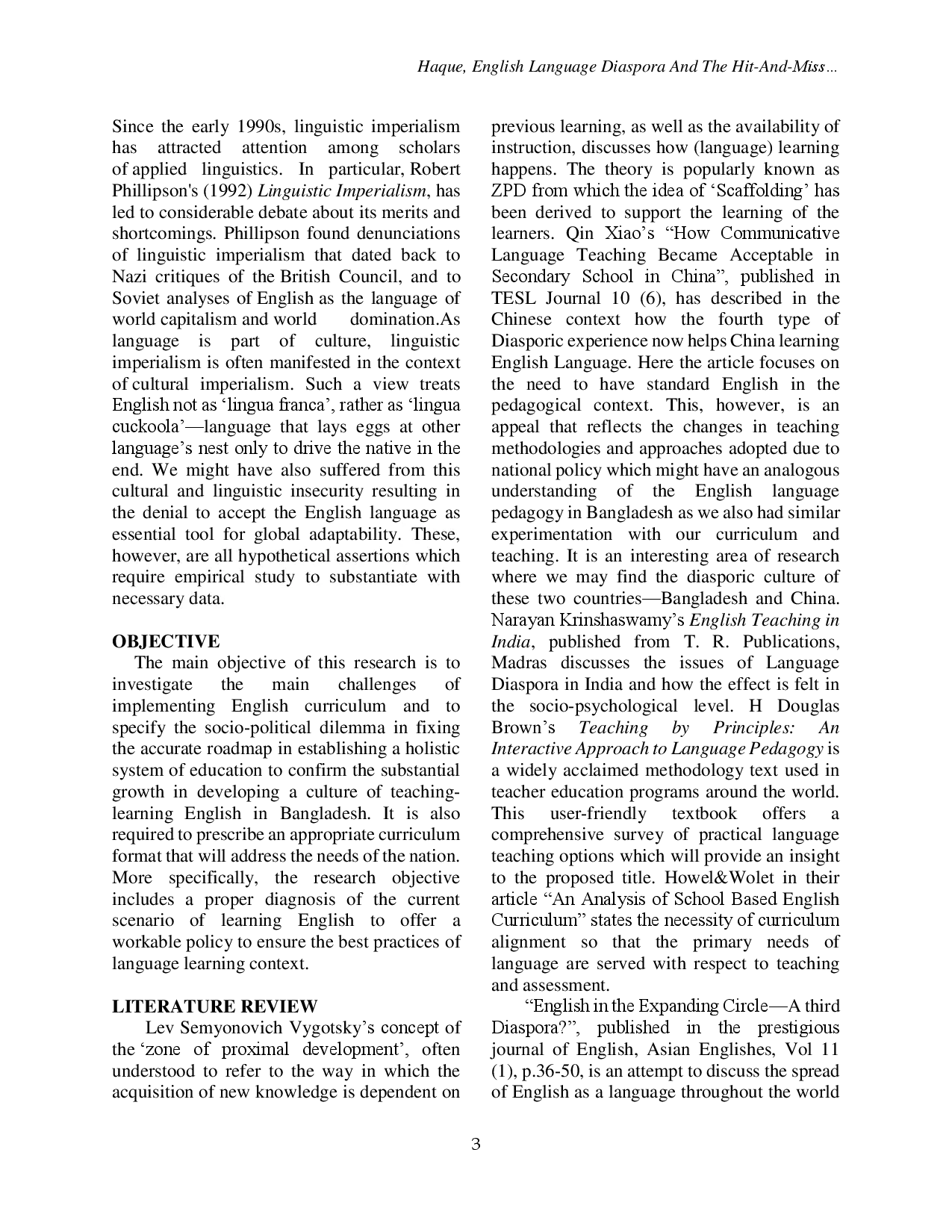
UNMUNM Recent curriculum changes at the pre-tertiary level are still under evaluation. This study explores whether curriculum experimentation and resistance toRecent curriculum changes at the pre-tertiary level are still under evaluation. This study explores whether curriculum experimentation and resistance to
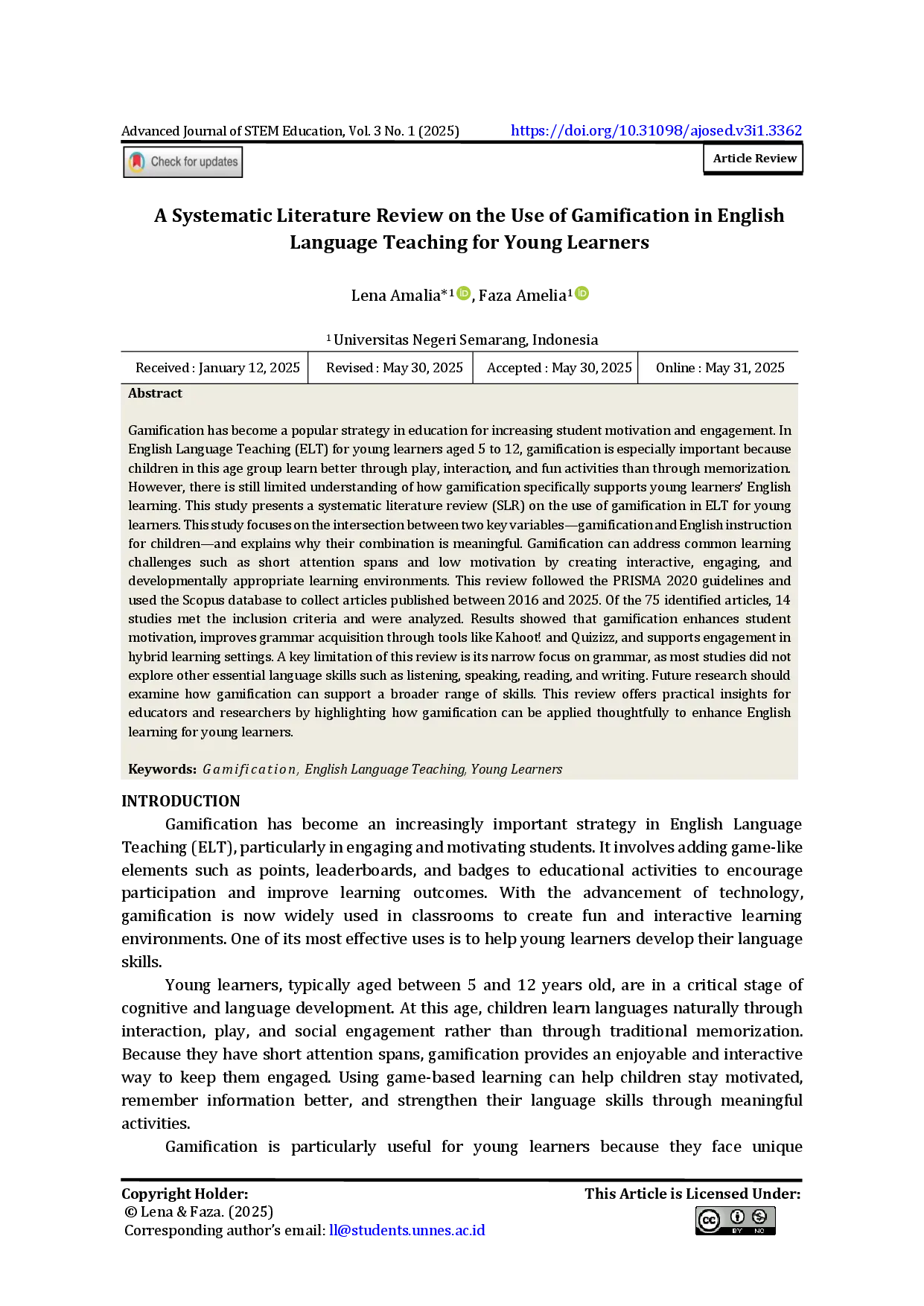
RESEARCHSYNERGYPRESSRESEARCHSYNERGYPRESS Penelitian masa depan harus memeriksa bagaimana gamifikasi dapat mendukung berbagai keterampilan yang lebih luas. Tinjauan ini menawarkan wawasan praktisPenelitian masa depan harus memeriksa bagaimana gamifikasi dapat mendukung berbagai keterampilan yang lebih luas. Tinjauan ini menawarkan wawasan praktis

IAIN KEDIRIIAIN KEDIRI Peserta harus menghadapi baik pandangan pribadi mereka maupun situasi di sekitarnya, seperti dukungan dari orang lain atau akses ke teknologi, saat menggunakanPeserta harus menghadapi baik pandangan pribadi mereka maupun situasi di sekitarnya, seperti dukungan dari orang lain atau akses ke teknologi, saat menggunakan
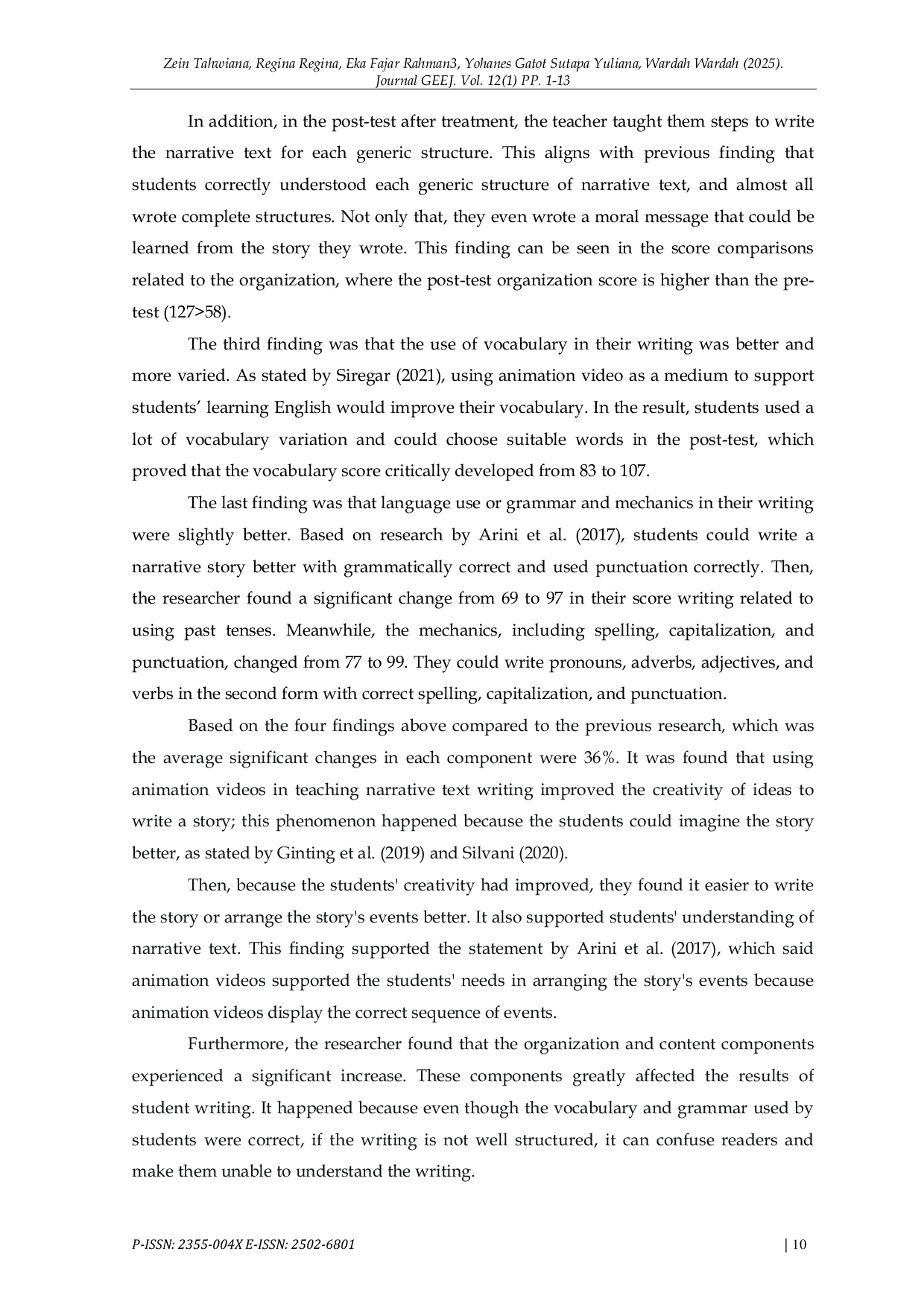
UBBGUBBG Skor post-test (77,42) lebih tinggi dari pre-test (51,57) dengan perbedaan rata-rata 25,85. Video animasi meningkatkan kreativitas ide dan pemahaman strukturSkor post-test (77,42) lebih tinggi dari pre-test (51,57) dengan perbedaan rata-rata 25,85. Video animasi meningkatkan kreativitas ide dan pemahaman struktur
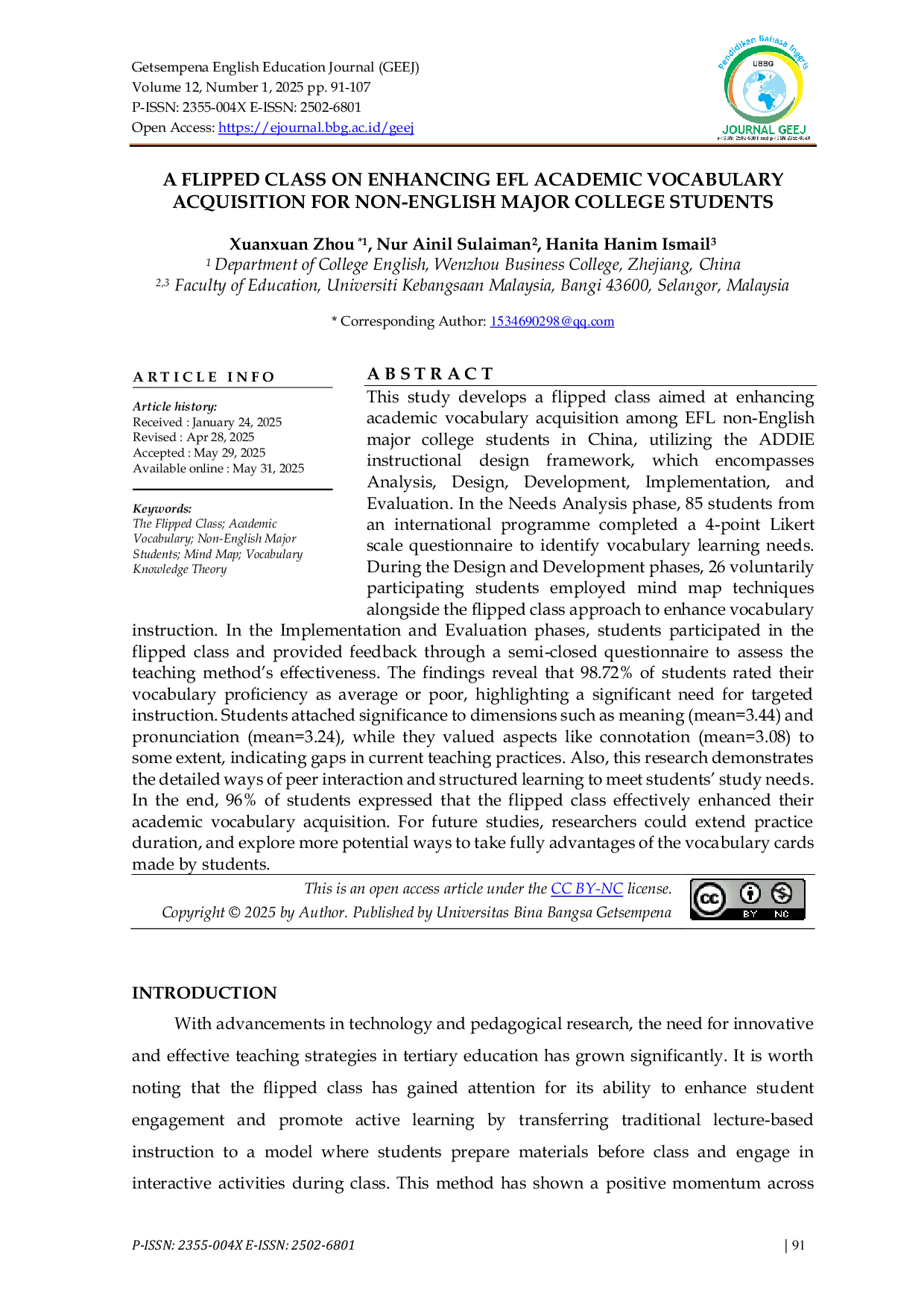
UBBGUBBG Future studies could explore longer practice durations and further ways to leverage student-created vocabulary cards. The study demonstrates the effectivenessFuture studies could explore longer practice durations and further ways to leverage student-created vocabulary cards. The study demonstrates the effectiveness
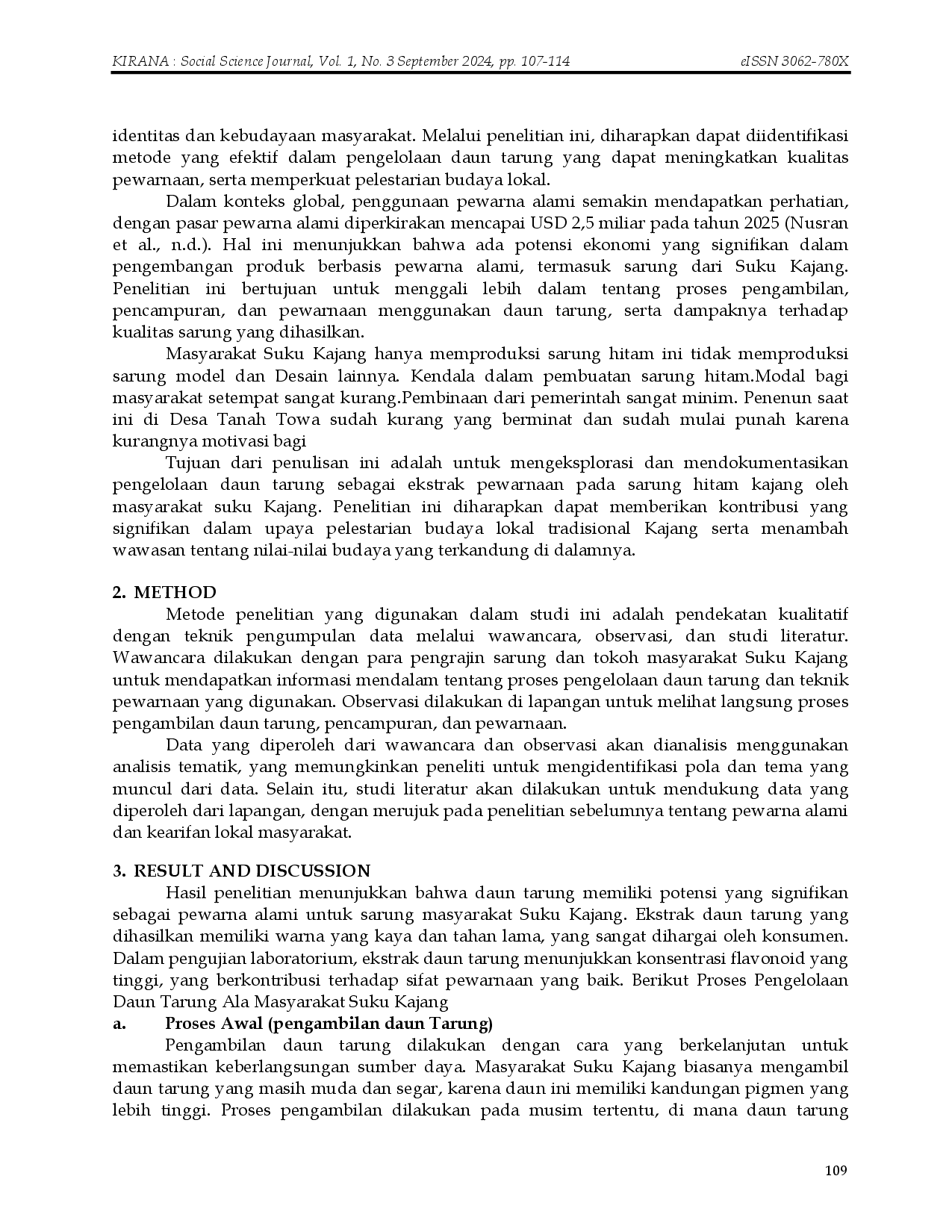
SAGITASAGITA Salah satu sumber pewarna alami yang banyak digunakan adalah daun tarung (Lantana camara), yang dikenal oleh masyarakat Suku Kajang di Sulawesi Selatan.Salah satu sumber pewarna alami yang banyak digunakan adalah daun tarung (Lantana camara), yang dikenal oleh masyarakat Suku Kajang di Sulawesi Selatan.

UNISLAUNISLA Penelitian ini berfokus pada keterampilan berbicara sebagai salah satu dari empat keterampilan dasar pembelajaran bahasa, dengan menggunakan metode kualitatifPenelitian ini berfokus pada keterampilan berbicara sebagai salah satu dari empat keterampilan dasar pembelajaran bahasa, dengan menggunakan metode kualitatif
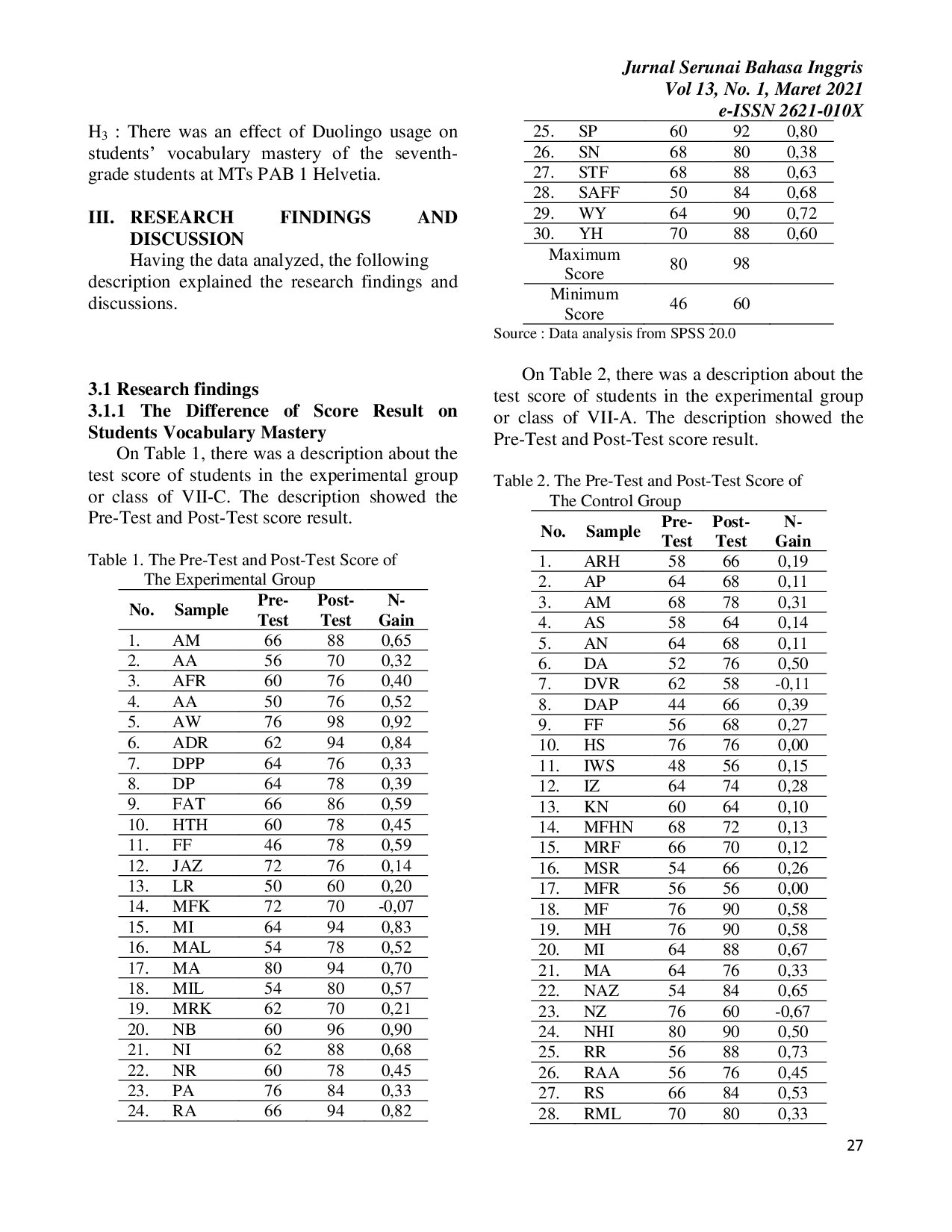
STKIP BUDIDAYASTKIP BUDIDAYA The study revealed a notable difference in vocabulary scores between students who used Duolingo and those who received traditional instruction. Furthermore,The study revealed a notable difference in vocabulary scores between students who used Duolingo and those who received traditional instruction. Furthermore,
Useful /
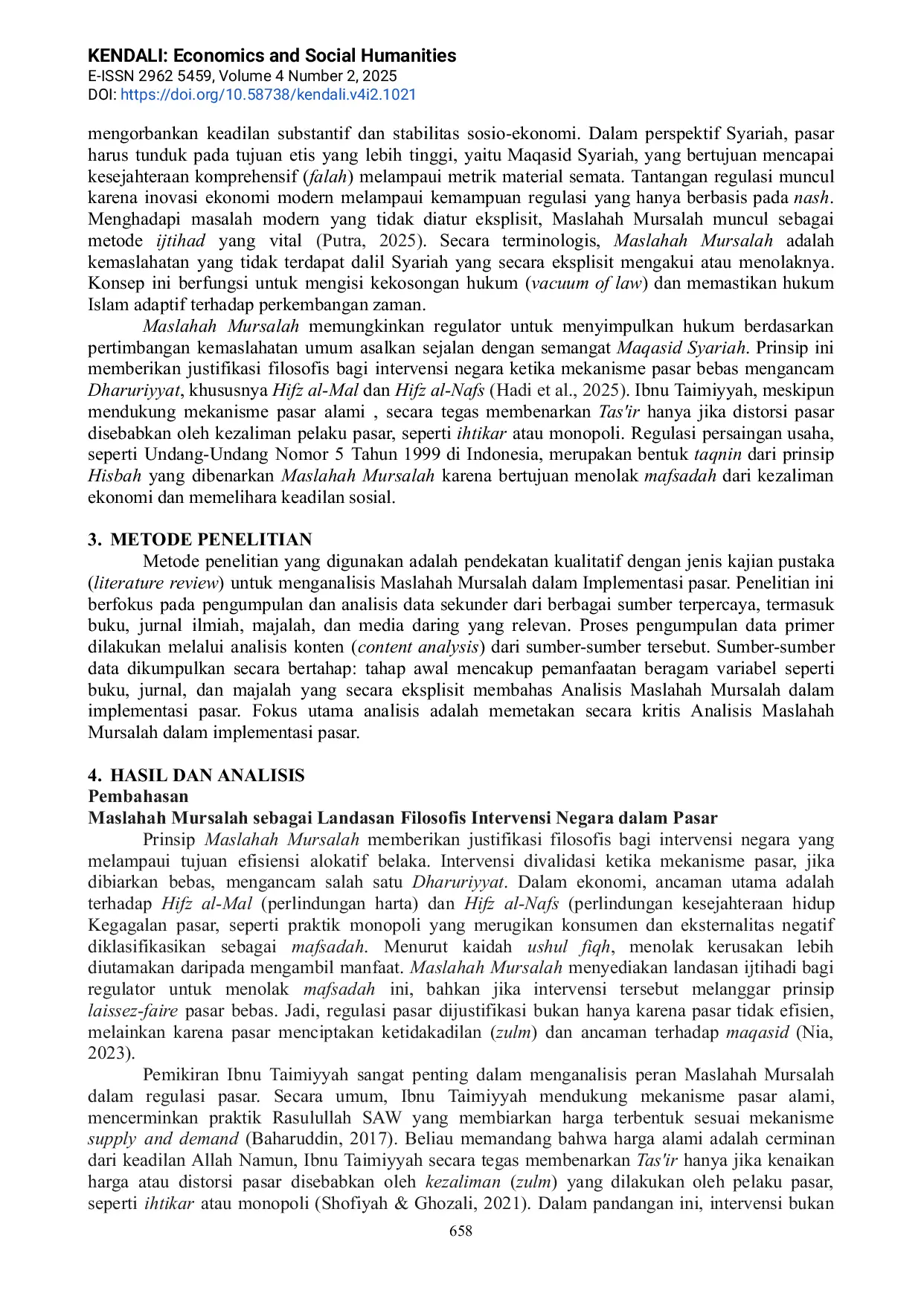
ASIANPUBLISHERASIANPUBLISHER Hasil analisis menunjukkan bahwa Maslahah Mursalah berfungsi sebagai instrumen ijtihadi yang vital dan memberikan legitimasi filosofis bagi intervensiHasil analisis menunjukkan bahwa Maslahah Mursalah berfungsi sebagai instrumen ijtihadi yang vital dan memberikan legitimasi filosofis bagi intervensi

IAIN KEDIRIIAIN KEDIRI Menggunakan rancangan eksperimen faktorial 2x2, 70 siswa dibagi menjadi dua kelompok dengan tingkat inteligensi intrapersonal tinggi (B1) dan rendah (B2).Menggunakan rancangan eksperimen faktorial 2x2, 70 siswa dibagi menjadi dua kelompok dengan tingkat inteligensi intrapersonal tinggi (B1) dan rendah (B2).

IAIN KEDIRIIAIN KEDIRI Penelitian ini mengkaji (1) strategi Self-Regulated Writing (SRW) mahasiswa EFL dalam menulis esai, (2) strategi SRW mahasiswa tingkat lanjut dalam siklusPenelitian ini mengkaji (1) strategi Self-Regulated Writing (SRW) mahasiswa EFL dalam menulis esai, (2) strategi SRW mahasiswa tingkat lanjut dalam siklus

IAIN KEDIRIIAIN KEDIRI Lecturers recognize the benefits of AI-assisted writing tools, such as real-time feedback and improved writing quality, yet they also express concernsLecturers recognize the benefits of AI-assisted writing tools, such as real-time feedback and improved writing quality, yet they also express concerns