AFEBIAFEBI
AFEBI Accounting ReviewAFEBI Accounting ReviewThis study aims to describe the relationship between participatory budgeting and budgetary slack. This study uses a survey methodology to collect data. Sampling technique was Convenience Sampling. The samples in this study were 70 officials in total and collected from the Regional Financial and Asset Agency, the Culture and Tourism Agency, the Public Library, Archives and Documentation Service, the Cooperative, Industry and Trade Office, and the Regional Development Planning Agency. The data was then analyzed using a simple regression analysis method. The results showed that Participatory Budgeting had a positive and significant effect on Budgetary Slack.
Based on the results of the analysis, it can be concluded that Participatory Budgeting has a significant positive effect on Budgetary Slack, indicating that the higher the level of participation in the budgeting process, the higher the chance of budgetary slack.The study suggests increasing the sample size to include Echelon II officials for better generalization, using diverse research methods like interviews to validate perceptions, and incorporating additional variables such as organizational commitment, organizational culture, leadership style, and ethical considerations in future research.
Future research should explore the influence of organizational commitment and culture on the relationship between participatory budgeting and budgetary slack, as these factors can significantly impact the effectiveness of participation. Additionally, investigating the role of leadership styles in moderating this relationship could provide valuable insights into how different leadership approaches affect budgetary outcomes. Furthermore, a deeper understanding of the ethical considerations of regional officials and how these influence budgetary slack is warranted, potentially through qualitative studies exploring their motivations and decision-making processes. Expanding the sample to include a wider range of officials, including those at the Echelon II level, would enhance the generalizability of the findings. Finally, employing mixed-methods research, combining quantitative data with qualitative interviews, could provide a more nuanced and comprehensive understanding of the complex dynamics at play in regional budgeting and budgetary slack.
| File size | 237.39 KB |
| Pages | 8 |
| DMCA | Report |
Related /

UMUSUMUS Dan pengujian untuk sistem menggunakan Black-box testing dengan pendekatan Equivalence Partitioning sedangkan pengujian yang dilakukan oleh pengguna menggunakanDan pengujian untuk sistem menggunakan Black-box testing dengan pendekatan Equivalence Partitioning sedangkan pengujian yang dilakukan oleh pengguna menggunakan

ACADEMICAREVIEWACADEMICAREVIEW Kemampuan guru PAI dalam penerapan media pembelajaran ICT di MAS Nurul Ulum menunjukkan kemajuan signifikan, terutama dalam penguasaan, perancangan, pengembangan,Kemampuan guru PAI dalam penerapan media pembelajaran ICT di MAS Nurul Ulum menunjukkan kemajuan signifikan, terutama dalam penguasaan, perancangan, pengembangan,

UNIVERSITASMULIAUNIVERSITASMULIA Analisis terhadap perangkat bukti digital menunjukkan adanya indikasi penghapusan data secara sengaja oleh pelaku, yang kemudian dijadikan alat bukti sahAnalisis terhadap perangkat bukti digital menunjukkan adanya indikasi penghapusan data secara sengaja oleh pelaku, yang kemudian dijadikan alat bukti sah

UNIVERSITASMULIAUNIVERSITASMULIA Metode yang digunakan adalah tinjauan sistematis terhadap berbagai literatur dan hasil penelitian sebelumnya terkait cybercrime dan keamanan web. BerdasarkanMetode yang digunakan adalah tinjauan sistematis terhadap berbagai literatur dan hasil penelitian sebelumnya terkait cybercrime dan keamanan web. Berdasarkan

IJBE RESEARCHIJBE RESEARCH Temuan dari penyelidikan ini menghasilkan empat kontribusi konseptual. Pertama, partisipasi pelanggan terbukti tidak berdampak positif pada peningkatanTemuan dari penyelidikan ini menghasilkan empat kontribusi konseptual. Pertama, partisipasi pelanggan terbukti tidak berdampak positif pada peningkatan

INTELEKTUALINTELEKTUAL Students recognize the scientific and professional development advantages of collaboration. Students believe that collaboration with scientists and researchStudents recognize the scientific and professional development advantages of collaboration. Students believe that collaboration with scientists and research

OJS INDONESIAOJS INDONESIA Analisis dilakukan pada tiga bagian: analisis tekstual, praktik diskursif, dan praktik sosial. Hasil penelitian menunjukkan bahwa VICE Indonesia menampilkanAnalisis dilakukan pada tiga bagian: analisis tekstual, praktik diskursif, dan praktik sosial. Hasil penelitian menunjukkan bahwa VICE Indonesia menampilkan
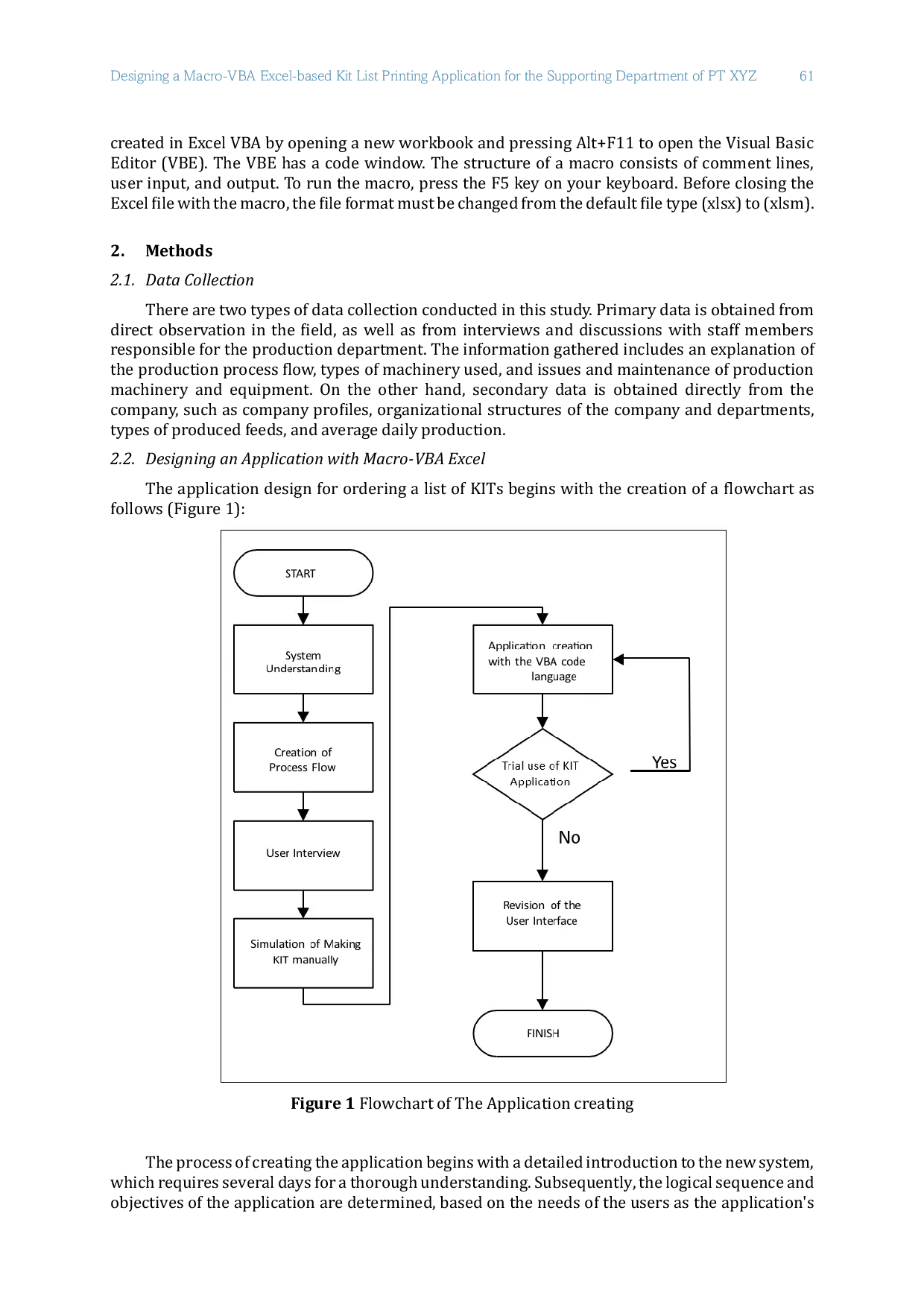
MACHUNGMACHUNG To avoid losing goods, PT XYZ has started implementing kit recording, but a shortage of workers who enter KIT data can lead to human error. To overcomeTo avoid losing goods, PT XYZ has started implementing kit recording, but a shortage of workers who enter KIT data can lead to human error. To overcome
Useful /

AFEBIAFEBI Secara teoritis, penelitian ini mendukung teori agency yang menyatakan bahwa pemegang saham sebagai principal ingin meningkatkan kesejahteraan melaluiSecara teoritis, penelitian ini mendukung teori agency yang menyatakan bahwa pemegang saham sebagai principal ingin meningkatkan kesejahteraan melalui

KILAUPUBLISHINGKILAUPUBLISHING Hasil penelitian menunjukkan: (1) self-efficacy berpengaruh positif dan signifikan terhadap hasil belajar akuntansi (t hitung 16,993 > t tabel 2,003; signifikansiHasil penelitian menunjukkan: (1) self-efficacy berpengaruh positif dan signifikan terhadap hasil belajar akuntansi (t hitung 16,993 > t tabel 2,003; signifikansi

INTELEKTUALINTELEKTUAL Pendekatan ini memungkinkan mahasiswa untuk memanfaatkan kekuatan mereka dan mengatasi kelemahan mereka dalam lingkungan yang mendukung, sehingga meningkatkanPendekatan ini memungkinkan mahasiswa untuk memanfaatkan kekuatan mereka dan mengatasi kelemahan mereka dalam lingkungan yang mendukung, sehingga meningkatkan
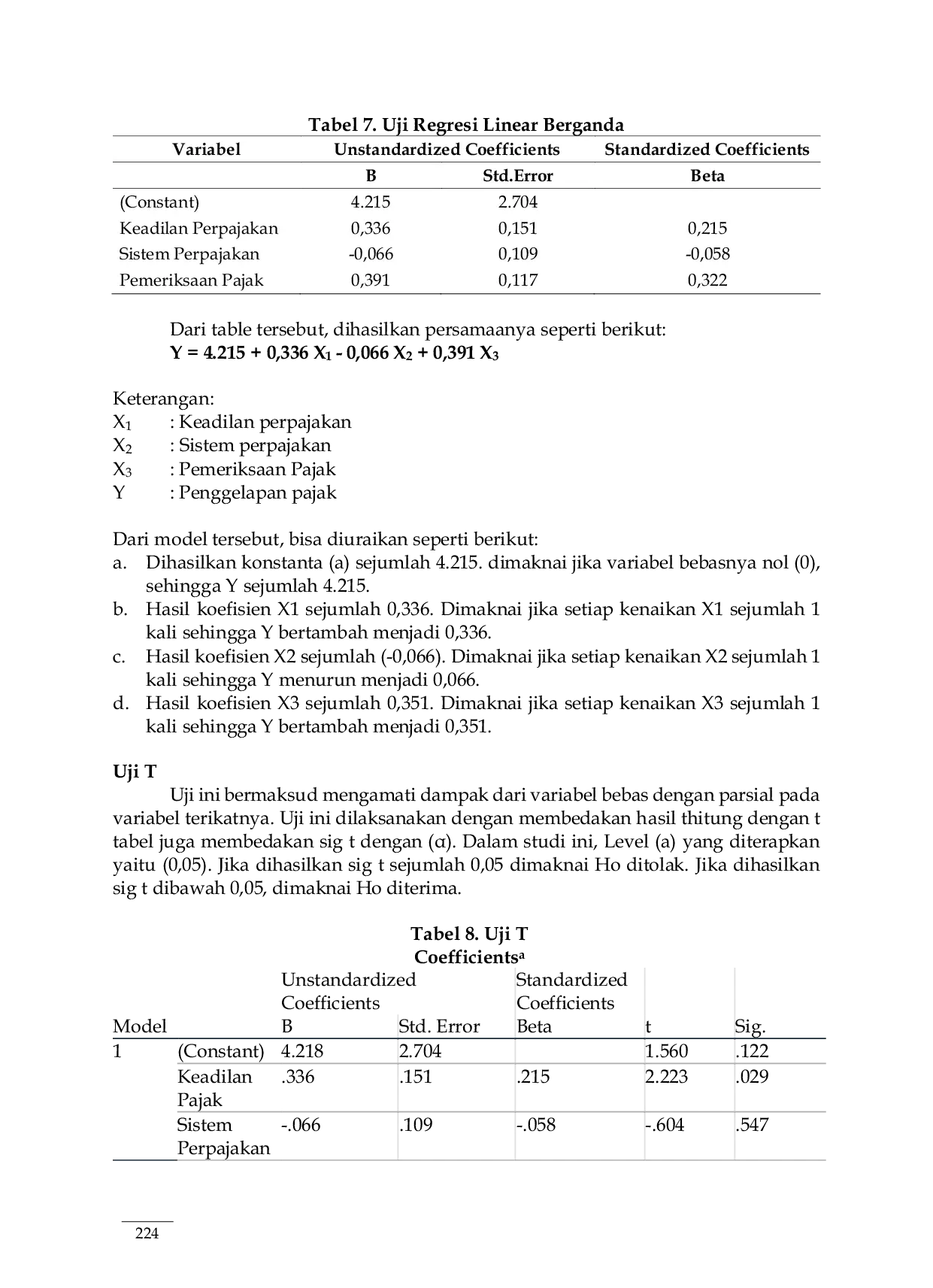
ITB ADITB AD Hasil ini mengindikasikan bahwa meningkatkan persepsi keadilan, menyederhanakan sistem, dan memperkuat audit dapat menjadi strategi efektif untuk mengurangiHasil ini mengindikasikan bahwa meningkatkan persepsi keadilan, menyederhanakan sistem, dan memperkuat audit dapat menjadi strategi efektif untuk mengurangi