YAYASANNURULYAKINYAYASANNURULYAKIN
International Journal of Education and Teaching ZoneInternational Journal of Education and Teaching ZoneThis study examines the relationship between self-efficacy and peer social support on career decision-making among 11th-grade students at State Senior High School 1 Padang, Indonesia. Using a quantitative correlational design with a sample of 200 students selected through proportional random sampling, data were collected using validated instruments and analyzed through multiple regression. The results indicate that both variables collectively explain 51.8% of variance in career decision-making (R² = 0.518), with self-efficacy demonstrating a significant positive effect (β = 0.839, p < 0.001) while peer social support shows a significant negative effect (β = -0.207, p < 0.001). These findings reveal the paradoxical nature of peer influence in career decision-making within collectivistic cultural contexts, suggesting that while self-efficacy enhances career decision capability, excessive peer social support may potentially undermine students autonomous decision-making. The study provides important implications for developing culturally-responsive career guidance interventions that simultaneously strengthen self-efficacy while teaching students to constructively navigate peer influences.
The research demonstrates that self-efficacy significantly influences students career decision-making, while peer social support exhibits a counterintuitive negative correlation within the Indonesian context.This suggests that while self-belief is crucial, excessive peer influence can hinder independent decision-making.Therefore, interventions should focus on bolstering self-efficacy and equipping students with the skills to navigate peer dynamics constructively, acknowledging the unique cultural factors at play in Indonesia.
Further research should investigate the moderating role of cultural values and personality traits on the relationship between peer support and career decision-making, employing longitudinal designs to understand developmental trajectories. Additionally, studies could explore the impact of family influences and socioeconomic factors, alongside the development of culturally sensitive career guidance interventions tailored to the Indonesian context. Finally, research should focus on identifying and addressing the specific mechanisms through which peer influence can either facilitate or impede autonomous career choices, potentially through mixed-methods approaches combining quantitative data with qualitative insights into student experiences.
- Understanding Career Decision Self-Efficacy - Bo Young Choi, Heerak Park, Eunjoo Yang, Seul Ki Lee, Yedana... doi.org/10.1177/0894845311398042Understanding Career Decision Self Efficacy Bo Young Choi Heerak Park Eunjoo Yang Seul Ki Lee Yedana doi 10 1177 0894845311398042
- "Remove Not the Ancient Landmark" | Public Monuments and Moral Values. remove ancient landmark... taylorfrancis.com/books/9781003144458Remove Not the Ancient Landmark Public Monuments and Moral Values remove ancient landmark taylorfrancis books 9781003144458
- APA PsycNet. psycnet loading doi.org/10.1037/0003-066xAPA PsycNet psycnet loading doi 10 1037 0003 066x
| File size | 820.92 KB |
| Pages | 16 |
| DMCA | Report |
Related /
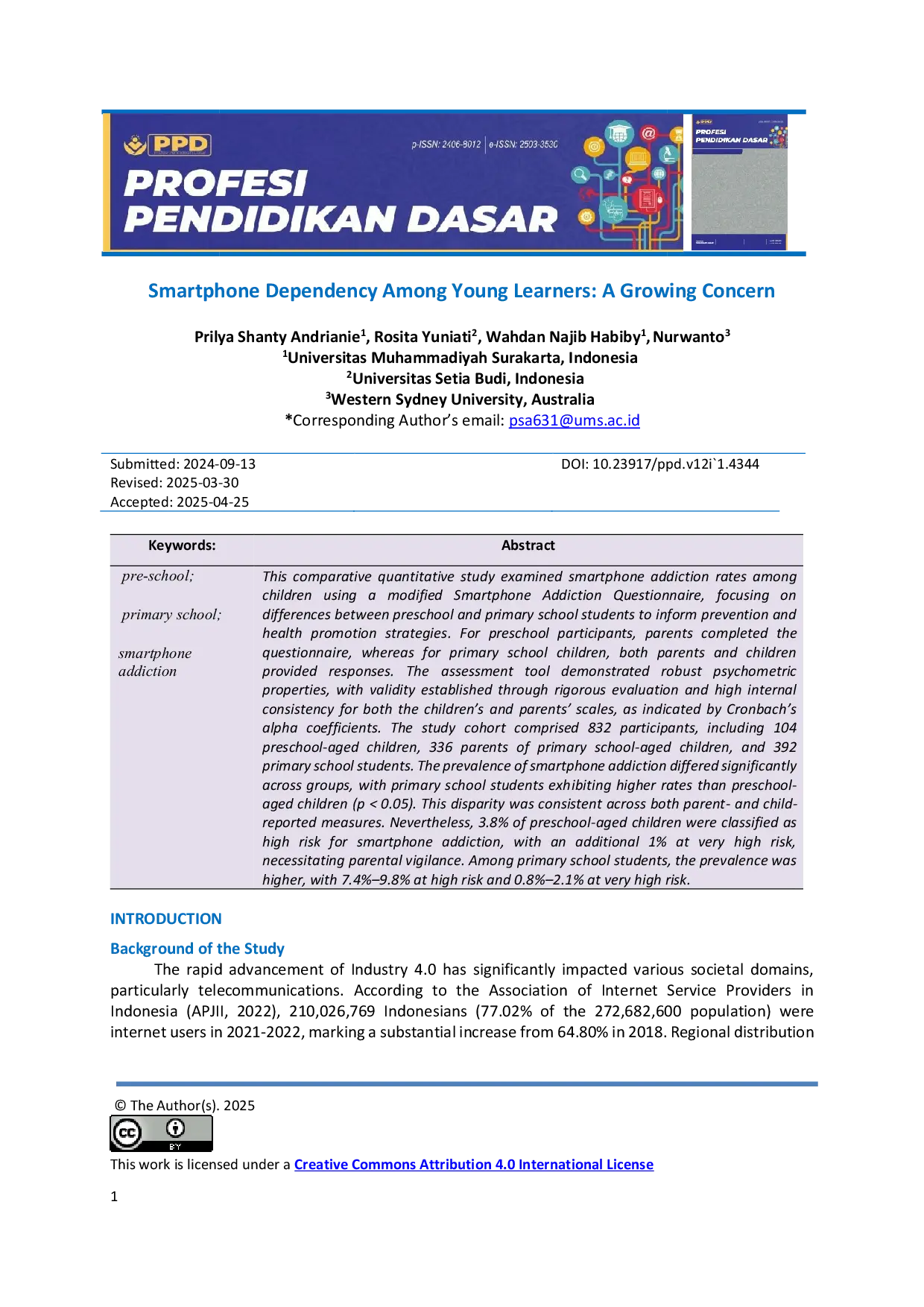
UMSUMS The assessment tool demonstrated robust psychometric properties, with validity established through rigorous evaluation and high internal consistency forThe assessment tool demonstrated robust psychometric properties, with validity established through rigorous evaluation and high internal consistency for
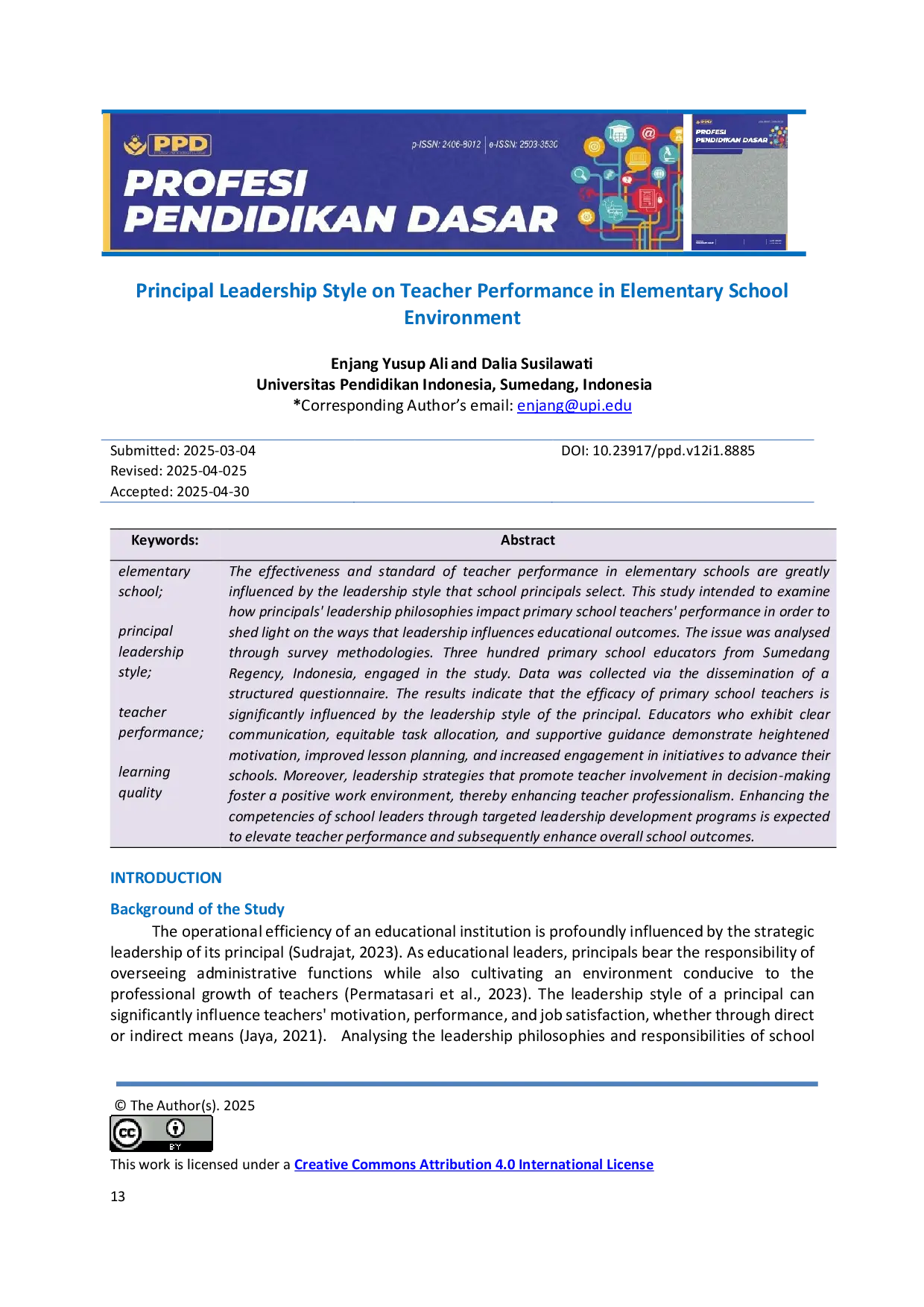
UMSUMS This study intended to examine how principals leadership philosophies impact primary school teachers performance in order to shed light on the ways thatThis study intended to examine how principals leadership philosophies impact primary school teachers performance in order to shed light on the ways that

UMSUMS Penggunaan media BCB memberdayakan individu untuk mengelola sumber daya alam secara bertanggung jawab. Dengan keunggulan yang dimilikinya, media BCB memilikiPenggunaan media BCB memberdayakan individu untuk mengelola sumber daya alam secara bertanggung jawab. Dengan keunggulan yang dimilikinya, media BCB memiliki
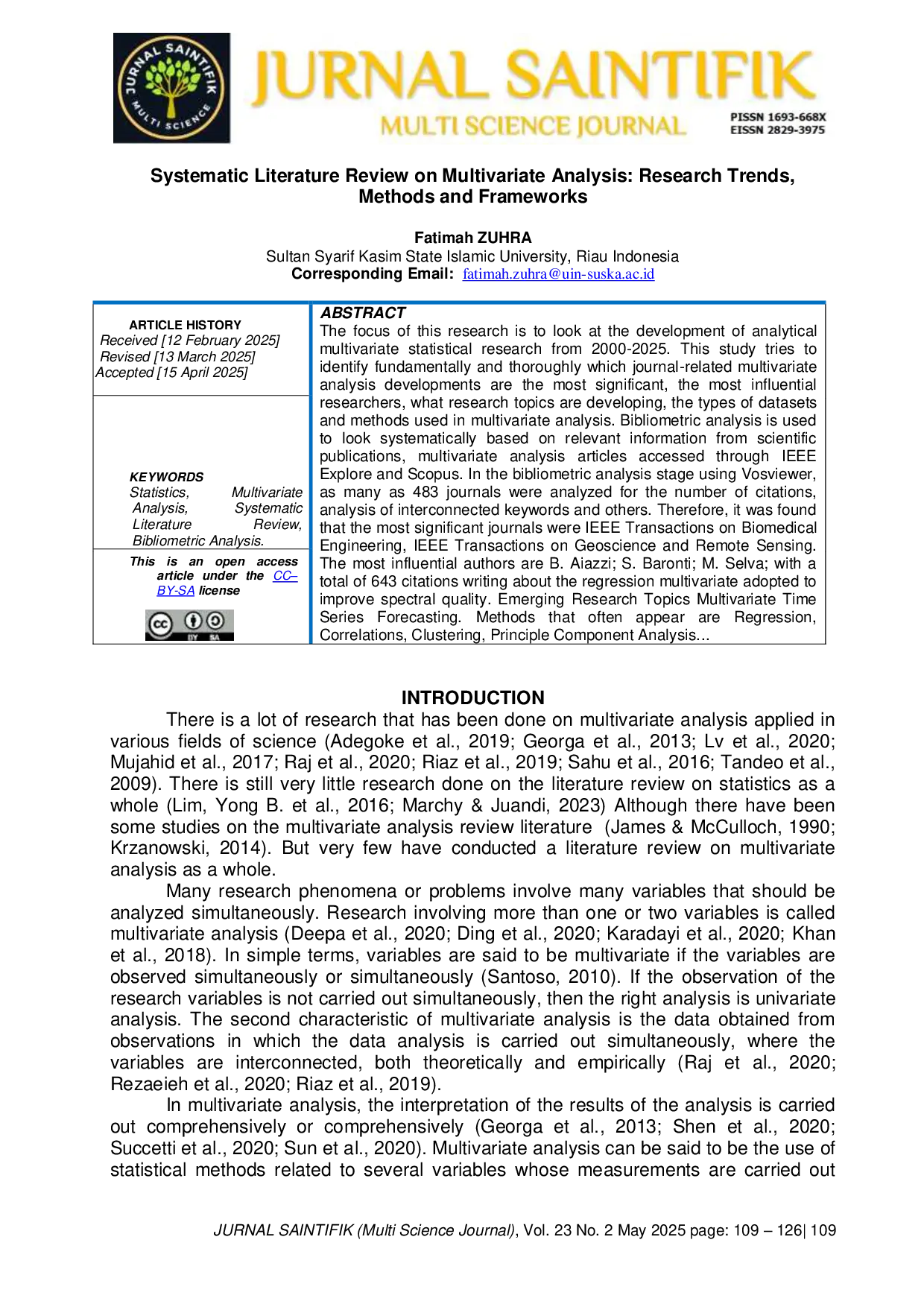
FAPERTA UNRASFAPERTA UNRAS Penulis paling berpengaruh adalah B. Aiazzi; S. Baronti; M. Selva; dengan total 643 sitasi yang menulis tentang regresi multivariat yang diadopsi untukPenulis paling berpengaruh adalah B. Aiazzi; S. Baronti; M. Selva; dengan total 643 sitasi yang menulis tentang regresi multivariat yang diadopsi untuk

FAPERTA UNRASFAPERTA UNRAS Data were collected from 187 bereaved young adults using validated questionnaires and analyzed using multiple regression and independent samples t-test.Data were collected from 187 bereaved young adults using validated questionnaires and analyzed using multiple regression and independent samples t-test.
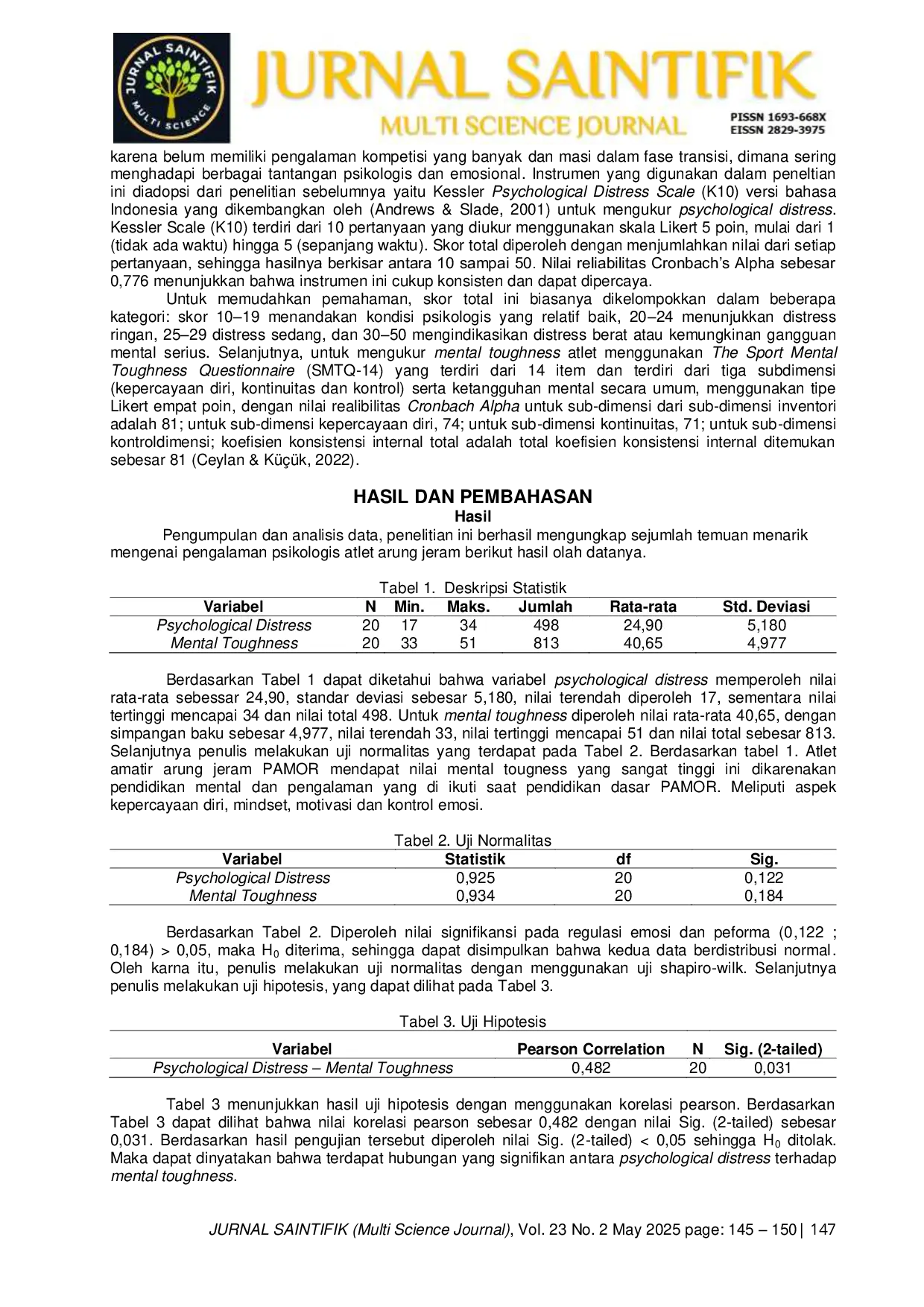
FAPERTA UNRASFAPERTA UNRAS Penelitian ini bertujuan untuk mengkaji hubungan psychological distress terhadap mental toughness atlet pemula arung jeram. Metode deskriptif dengan pendekatanPenelitian ini bertujuan untuk mengkaji hubungan psychological distress terhadap mental toughness atlet pemula arung jeram. Metode deskriptif dengan pendekatan

FAPERTA UNRASFAPERTA UNRAS Tata kelola yang efektif di institusi pendidikan tinggi, seperti yang terlihat di negara maju, dianggap sebagai kontributor signifikan terhadap pembangunanTata kelola yang efektif di institusi pendidikan tinggi, seperti yang terlihat di negara maju, dianggap sebagai kontributor signifikan terhadap pembangunan
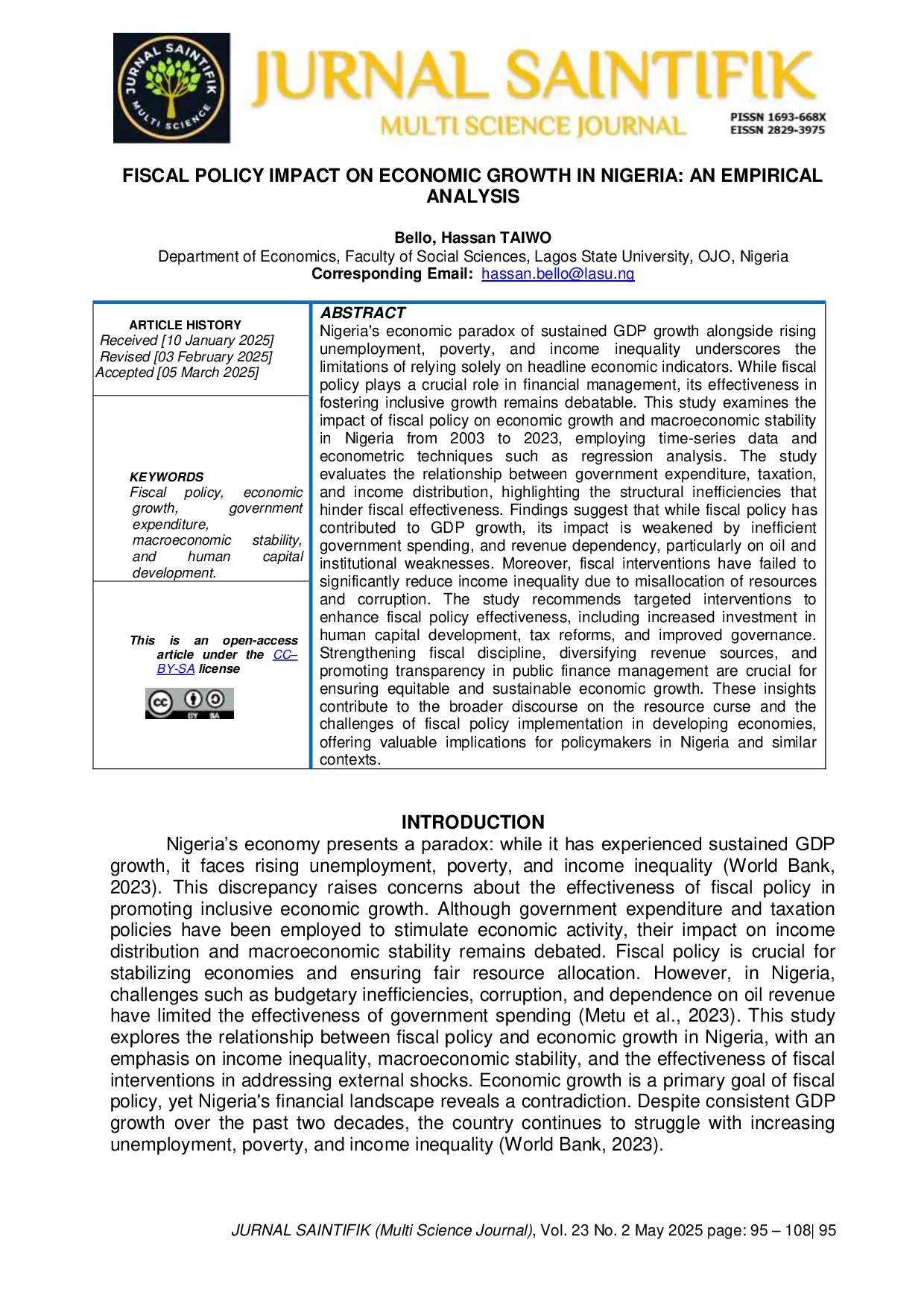
FAPERTA UNRASFAPERTA UNRAS Findings suggest that while fiscal policy has contributed to GDP growth, its impact is weakened by inefficient government spending, revenue dependency,Findings suggest that while fiscal policy has contributed to GDP growth, its impact is weakened by inefficient government spending, revenue dependency,
Useful /

NURSCIENCEINSTITUTENURSCIENCEINSTITUTE Hasil penelitian menunjukkan bahwa karakteristik individu, karakteristik pekerjaan, pengalaman kerja, dan kualitas kehidupan kerja masing-masing berpengaruhHasil penelitian menunjukkan bahwa karakteristik individu, karakteristik pekerjaan, pengalaman kerja, dan kualitas kehidupan kerja masing-masing berpengaruh

ASHAPUBLISHINGASHAPUBLISHING Personal observation was also used to complement the information gathered. The result shows that people especially those living in rural areas are mostlyPersonal observation was also used to complement the information gathered. The result shows that people especially those living in rural areas are mostly

YAYASANNURULYAKINYAYASANNURULYAKIN Sebanyak 38 siswa dan dua guru dari SMA Negeri 6 Bogor berpartisipasi dalam fase implementasi. Hasil validasi menunjukkan kelayakan tinggi (media: 90 %,Sebanyak 38 siswa dan dua guru dari SMA Negeri 6 Bogor berpartisipasi dalam fase implementasi. Hasil validasi menunjukkan kelayakan tinggi (media: 90 %,

YAYASANNURULYAKINYAYASANNURULYAKIN Gangguan Penyalahgunaan Zat (Substance Use Disorder, SUD) menghadirkan tantangan global dan lokal yang signifikan sehingga dapat mengganggu lanskap pendidikanGangguan Penyalahgunaan Zat (Substance Use Disorder, SUD) menghadirkan tantangan global dan lokal yang signifikan sehingga dapat mengganggu lanskap pendidikan