FAPERTA UNRASFAPERTA UNRAS
Jurnal Saintifik (Multi Science Journal)Jurnal Saintifik (Multi Science Journal)Nigerias economic paradox of sustained GDP growth alongside rising unemployment, poverty, and income inequality underscores the limitations of relying solely on headline economic indicators. While fiscal policy plays a crucial role in financial management, its effectiveness in fostering inclusive growth remains debatable. This study examines the impact of fiscal policy on economic growth and macroeconomic stability in Nigeria using time-series data from 2003 to 2023, employing econometric techniques such as regression analysis. The study evaluates the relationship between government expenditure, taxation, and income distribution, highlighting the structural inefficiencies that hinder fiscal effectiveness. Findings suggest that while fiscal policy has contributed to GDP growth, its impact is weakened by inefficient government spending, revenue dependency, particularly on oil, and institutional weaknesses. Moreover, fiscal interventions have failed to significantly reduce income inequality due to misallocation of resources and corruption. The study recommends targeted interventions to enhance fiscal policy effectiveness, including increased investment in human capital development, tax reforms, and improved governance. Strengthening fiscal discipline, diversifying revenue sources, and promoting transparency in public finance management are crucial for ensuring equitable and sustainable economic growth. These insights contribute to the broader discourse on the resource curse and the challenges of fiscal policy implementation in developing economies, offering valuable implications for policymakers in Nigeria and similar contexts.
The study concludes that fiscal policy is crucial for Nigerias economic growth but has been hindered by inefficiencies, corruption, and over-reliance on oil revenues.Despite fiscal interventions driving growth, structural weaknesses like poor revenue management and unsustainable borrowing continue to undermine long-term development.To achieve stable, inclusive growth, Nigeria must strengthen non-oil revenue sources, improve financial transparency, and adopt a balanced fiscal strategy to avoid excessive debt.
Berdasarkan temuan penelitian ini, beberapa saran penelitian lanjutan dapat diajukan. Pertama, penelitian lebih lanjut diperlukan untuk mengkaji secara mendalam dampak spesifik dari berbagai instrumen kebijakan fiskal, seperti subsidi, insentif pajak, dan investasi publik, terhadap sektor-sektor ekonomi yang berbeda di Nigeria. Hal ini akan membantu mengidentifikasi kebijakan yang paling efektif dalam mendorong pertumbuhan inklusif dan mengurangi kesenjangan pendapatan. Kedua, penelitian mendatang dapat mengeksplorasi hubungan antara kualitas tata kelola pemerintahan, tingkat korupsi, dan efektivitas kebijakan fiskal di Nigeria. Investigasi ini akan memberikan wawasan tentang bagaimana peningkatan transparansi, akuntabilitas, dan supremasi hukum dapat meningkatkan dampak positif kebijakan fiskal terhadap pertumbuhan ekonomi dan kesejahteraan sosial. Ketiga, studi komparatif yang membandingkan kebijakan fiskal Nigeria dengan negara-negara berkembang lainnya dengan karakteristik serupa dapat memberikan pelajaran berharga tentang praktik terbaik dan tantangan umum dalam mengelola keuangan publik dan mencapai pembangunan berkelanjutan. Penelitian ini harus mempertimbangkan faktor-faktor kontekstual seperti struktur ekonomi, sistem politik, dan norma sosial untuk memastikan relevansi dan validitas temuan.
| File size | 676.27 KB |
| Pages | 14 |
| DMCA | Report |
Related /

RCF INDONESIARCF INDONESIA Penelitian ini bertujuan untuk memahami bagaimana pelaku UMKM halal di Kota Padang memaknai dan merespons penerapan pajak berbasis syariah serta implikasinyaPenelitian ini bertujuan untuk memahami bagaimana pelaku UMKM halal di Kota Padang memaknai dan merespons penerapan pajak berbasis syariah serta implikasinya

MULIADARMAMULIADARMA Penelitian ini bertujuan untuk menguji hubungan antara tekanan likuiditas perusahaan dan perilaku penghindaran pajak pada perusahaan multinasional (MNE)Penelitian ini bertujuan untuk menguji hubungan antara tekanan likuiditas perusahaan dan perilaku penghindaran pajak pada perusahaan multinasional (MNE)

STIE MCESTIE MCE Kebijakan ini dirancang untuk mengurangi beban pajak bagi pembeli rumah dan menstimulasi sektor properti dengan tujuan meningkatkan daya beli konsumen.Kebijakan ini dirancang untuk mengurangi beban pajak bagi pembeli rumah dan menstimulasi sektor properti dengan tujuan meningkatkan daya beli konsumen.

UKSWUKSW Hasil estimasi menunjukkan bahwa perkembangan finansial berpengaruh positif dan signifikan terhadap diversifikasi bauran energi. Penguatan sistem keuanganHasil estimasi menunjukkan bahwa perkembangan finansial berpengaruh positif dan signifikan terhadap diversifikasi bauran energi. Penguatan sistem keuangan
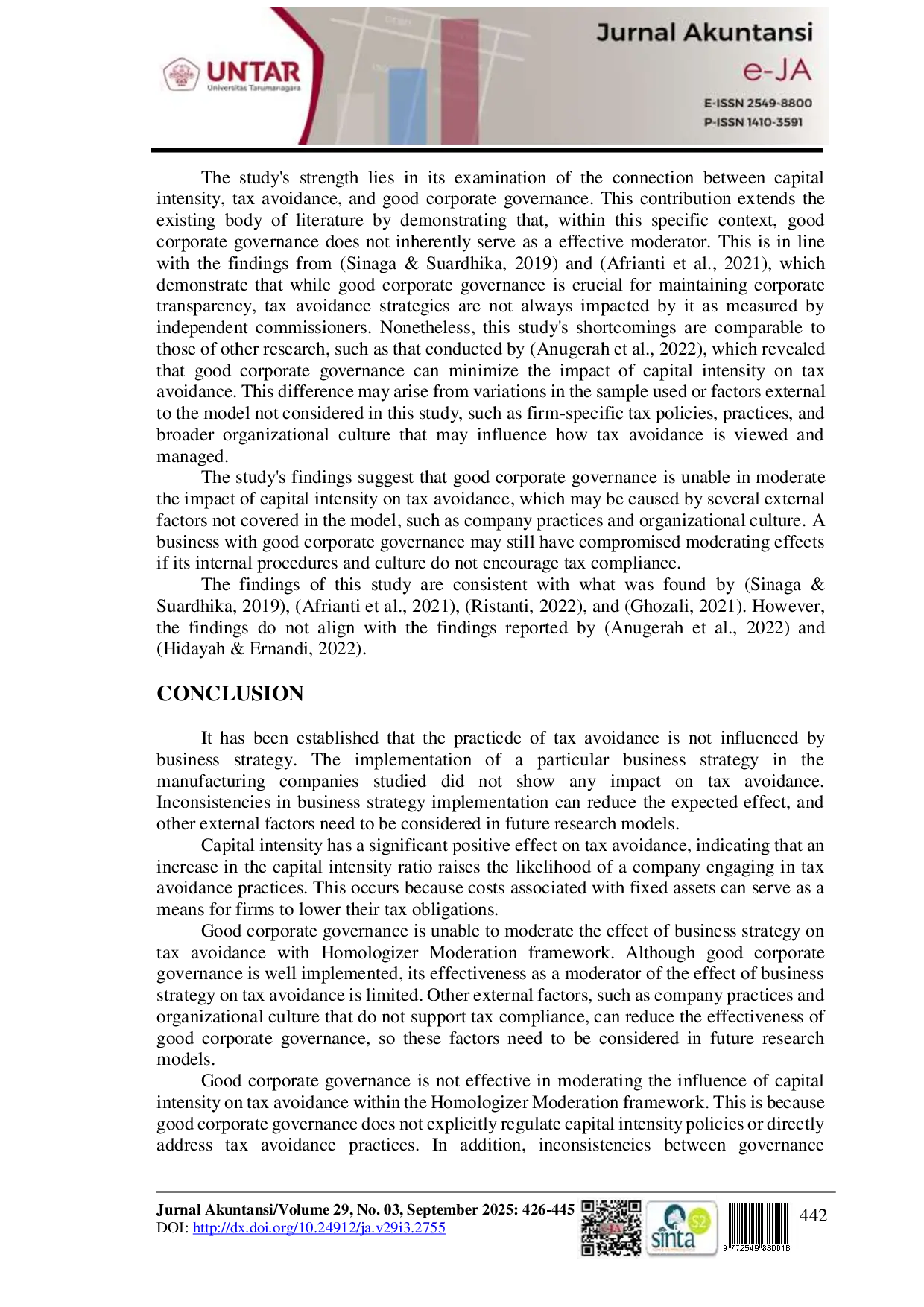
ECOJOINECOJOIN Penelitian ini bertujuan untuk mengetahui pengaruh strategi bisnis dan capital intensity terhadap penghindaran pajak dengan good corporate governance sebagaiPenelitian ini bertujuan untuk mengetahui pengaruh strategi bisnis dan capital intensity terhadap penghindaran pajak dengan good corporate governance sebagai

AREAIAREAI Penelitian ini bertujuan untuk menganalisis pengaruh sales growth, likuiditas, dan leverage terhadap tax avoidance pada perusahaan makanan dan minumanPenelitian ini bertujuan untuk menganalisis pengaruh sales growth, likuiditas, dan leverage terhadap tax avoidance pada perusahaan makanan dan minuman

STIBSASTIBSA Berbeda dengan Indonesia, Malaysia dan Australia menerapkan sistem pemajakan UMKM dengan tarif progresif dan pengurangan tarif, serta insentif, yang dinilaiBerbeda dengan Indonesia, Malaysia dan Australia menerapkan sistem pemajakan UMKM dengan tarif progresif dan pengurangan tarif, serta insentif, yang dinilai
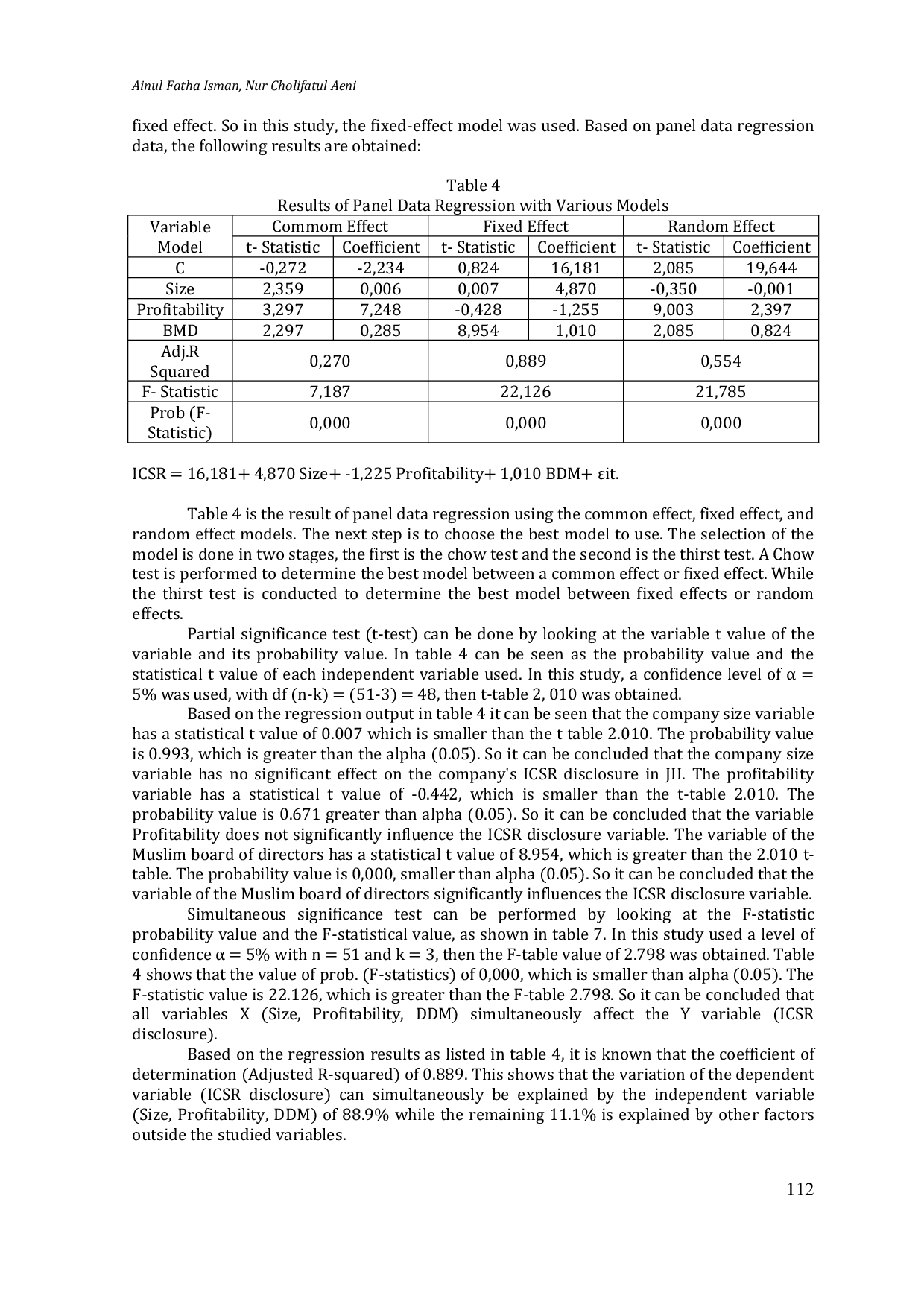
UINMADURAUINMADURA Hasil penelitian ini mengisyaratkan bahwa setiap perusahaan menggunakan Indeks ISR sebagai acuan penyusunan standar pelaporan tanggung jawab sosial perusahaanHasil penelitian ini mengisyaratkan bahwa setiap perusahaan menggunakan Indeks ISR sebagai acuan penyusunan standar pelaporan tanggung jawab sosial perusahaan
Useful /
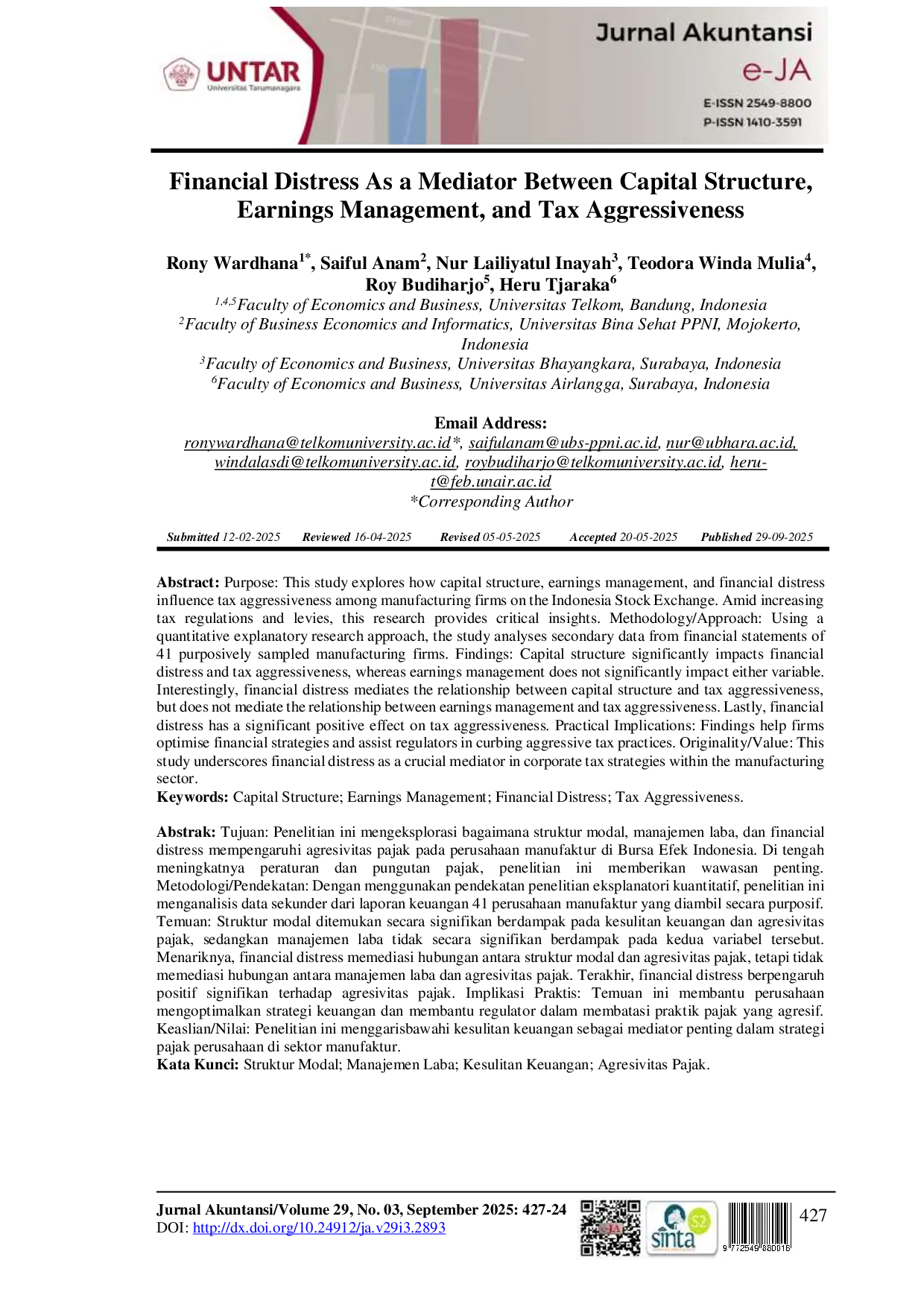
ECOJOINECOJOIN Lebih lanjut, kesulitan keuangan bertindak sebagai mediator dalam hubungan antara struktur modal dan agresivitas pajak. Temuan ini mengindikasikan bahwaLebih lanjut, kesulitan keuangan bertindak sebagai mediator dalam hubungan antara struktur modal dan agresivitas pajak. Temuan ini mengindikasikan bahwa
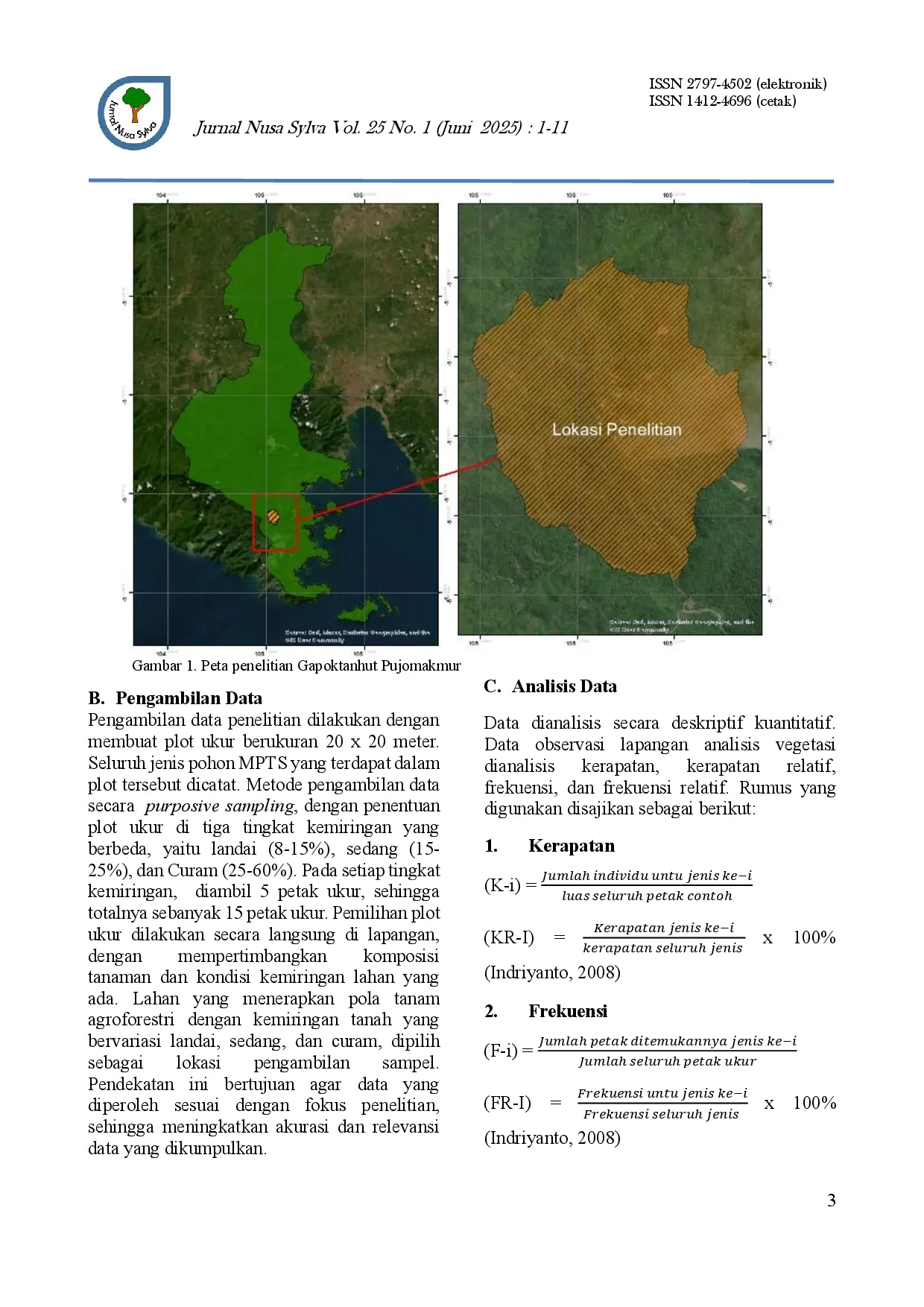
UNBUNB Penelitian dilakukan dengan observasi langsung pada areal agroforestri yang mencakup tiga tipe kemiringan lahan berbeda, dengan kategori datar (8-15 %),Penelitian dilakukan dengan observasi langsung pada areal agroforestri yang mencakup tiga tipe kemiringan lahan berbeda, dengan kategori datar (8-15 %),

SALNESIASALNESIA UMKM di Kabupaten Gowa telah mulai mengadaptasi ekosistem bisnis digital melalui program One Village One Product, yang dikoordinasikan oleh Dinas KoperasiUMKM di Kabupaten Gowa telah mulai mengadaptasi ekosistem bisnis digital melalui program One Village One Product, yang dikoordinasikan oleh Dinas Koperasi

SALNESIASALNESIA Program pembinaan kreativitas dan inovasi pembelajaran berbasis teknologi interaktif di SDIT Tahfidzul Quran Majene dilaksanakan untuk mendukung sekolahProgram pembinaan kreativitas dan inovasi pembelajaran berbasis teknologi interaktif di SDIT Tahfidzul Quran Majene dilaksanakan untuk mendukung sekolah