UNDIKMAUNDIKMA
Prisma Sains : Jurnal Pengkajian Ilmu dan Pembelajaran Matematika dan IPA IKIP MataramPrisma Sains : Jurnal Pengkajian Ilmu dan Pembelajaran Matematika dan IPA IKIP MataramIn learning mathematics, sociomathematical norms are needed. Sociomathematical norms are rules set during mathematics learning regarding truth, cooperation, freedom of opinion, and responsibility. This study aims to determine aspects of sociomathematical norms based on the mathematical reflective thinking ability of class VIII students at SMPN 12 Bekasi. This research uses a descriptive method with a qualitative approach. The instruments used in this study used questions, questionnaires, interviews, and observations. The selected respondents were 3 respondents with high, medium, and low category mathematical reflective thinking abilities. The data validity technique in this study uses triangulation of methods, namely questionnaires, interviews, and observations. The conclusion of this study found that respondent R1 with high mathematical reflective thinking ability has a high sociomathematical norms aspect, R2 with medium mathematical reflective thinking ability has a medium sociomathematical norms aspect, R3 with low mathematical reflective thinking ability has a low sociomathematical norms aspect. Researchers suggest that further research can be conducted at different levels of education so that it can discuss more broadly the aspects of sociomathematical norms that students have.
The study concluded that students with high mathematical reflective thinking skills possess high sociomathematical norms.Students with medium mathematical reflective thinking skills exhibit medium sociomathematical norms.Conversely, students with low mathematical reflective thinking skills demonstrate low sociomathematical norms.These findings highlight a correlation between a students ability to think reflectively in mathematics and their adherence to sociomathematical norms.
Further research should investigate the influence of specific teaching strategies on developing both mathematical reflective thinking and sociomathematical norms in students. Additionally, exploring the role of classroom environment and teacher-student interactions in fostering positive sociomathematical norms is crucial. Finally, studies could examine how these norms vary across different educational levels and cultural contexts to provide a more comprehensive understanding of their impact on mathematics learning. These investigations will contribute to more effective pedagogical approaches that promote a collaborative and intellectually stimulating learning environment, ultimately enhancing students mathematical understanding and engagement. The research should also consider the impact of digital learning tools on the development of these norms and abilities, as well as the long-term effects of cultivating strong sociomathematical norms on students future academic and professional pursuits.
- Improving studentsâ reflective thinking skills and self-efficacy through scientific learning... doi.org/10.1088/1742-6596/1581/1/012036Improving studentsyAAAo reflective thinking skills and self efficacy through scientific learning doi 10 1088 1742 6596 1581 1 012036
- Analysis of Sociomathematical Norms Aspect Based on Mathematical Reflective Thinking Ability | Prisma... doi.org/10.33394/j-ps.v11i3.8053Analysis of Sociomathematical Norms Aspect Based on Mathematical Reflective Thinking Ability Prisma doi 10 33394 j ps v11i3 8053
- Analisis Kemampuan Berpikir Reflektif Siswa SMP Berdasarkan Gaya Belajar | Numerical: Jurnal Matematika... journal.iaimnumetrolampung.ac.id/index.php/numerical/article/view/209Analisis Kemampuan Berpikir Reflektif Siswa SMP Berdasarkan Gaya Belajar Numerical Jurnal Matematika journal iaimnumetrolampung ac index php numerical article view 209
- Analisis Bibliometrik Terhadap Kemampuan Berpikir Reflektif Matematis | Kajori | Journal Mathematics... doi.org/10.30596/jmes.v3i2.11111Analisis Bibliometrik Terhadap Kemampuan Berpikir Reflektif Matematis Kajori Journal Mathematics doi 10 30596 jmes v3i2 11111
| File size | 868.65 KB |
| Pages | 10 |
| DMCA | Report |
Related /

UMIUMI Kualitas gizi balita sangat berpengaruh terhadap pertumbuhan dan perkembangan anak, dan masalah gizi kurang merupakan salah satu isu utama di Indonesia.Kualitas gizi balita sangat berpengaruh terhadap pertumbuhan dan perkembangan anak, dan masalah gizi kurang merupakan salah satu isu utama di Indonesia.

UNJUNJ Penelitian ini menyimpulkan bahwa terdapat peningkatan dan penurunan luasan lahan di wilayah inti Ibu Kota Negara (IKN) Nusantara dari tahun 2019 hinggaPenelitian ini menyimpulkan bahwa terdapat peningkatan dan penurunan luasan lahan di wilayah inti Ibu Kota Negara (IKN) Nusantara dari tahun 2019 hingga

UMSUMS Banyak siswa memilih bersekolah di daerah-daerah ini karena fasilitas yang tersedia lebih lengkap, dan didukung oleh staf pengajar yang terampil.melihatBanyak siswa memilih bersekolah di daerah-daerah ini karena fasilitas yang tersedia lebih lengkap, dan didukung oleh staf pengajar yang terampil.melihat
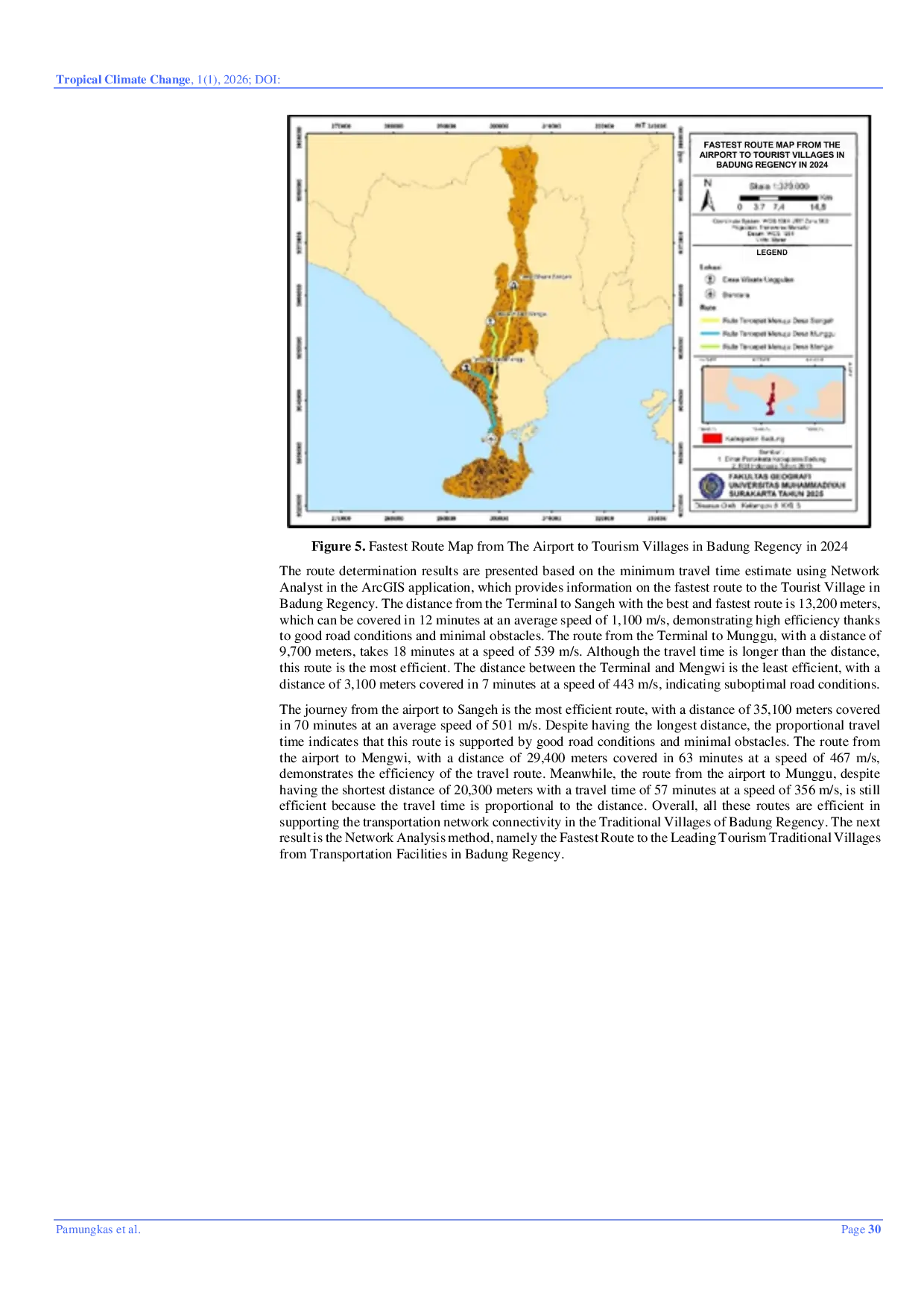
UMSUMS This random distribution pattern necessitates improvements in infrastructure and accessibility connecting scattered tourism villages. Furthermore, theThis random distribution pattern necessitates improvements in infrastructure and accessibility connecting scattered tourism villages. Furthermore, the
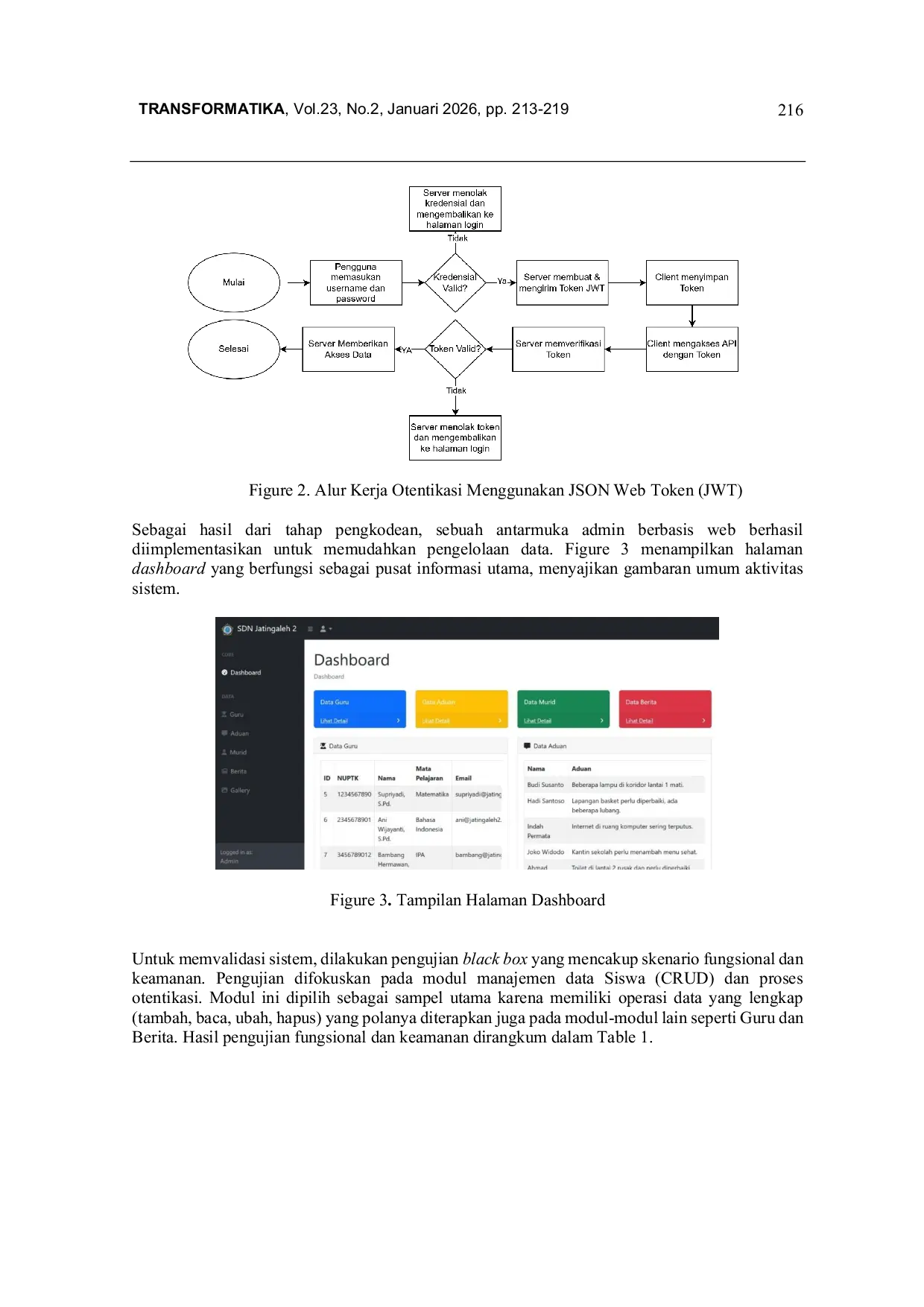
USMUSM Digitalisasi sistem administrasi menjadi salah satu solusi nyata untuk meningkatkan efektivitas pelayanan, meminimalkan kesalahan manusia, dan mempermudahDigitalisasi sistem administrasi menjadi salah satu solusi nyata untuk meningkatkan efektivitas pelayanan, meminimalkan kesalahan manusia, dan mempermudah

STPNSTPN However, technical issues persist in the spatial aspect of PBB management, particularly concerning the consistency between Land and Building Tax BlockHowever, technical issues persist in the spatial aspect of PBB management, particularly concerning the consistency between Land and Building Tax Block

UNIPASBYUNIPASBY Pengujian dilakukan menggunakan tiga optimizer berbeda, yaitu Adam, RMSprop, dan SGD, dengan laju pembelajaran 0,01. Hasil eksperimen menunjukkan bahwaPengujian dilakukan menggunakan tiga optimizer berbeda, yaitu Adam, RMSprop, dan SGD, dengan laju pembelajaran 0,01. Hasil eksperimen menunjukkan bahwa

UNDIKMAUNDIKMA Along with the development of existing technology, the implementation of internet use for learning, one of which is e-learning, has become increasinglyAlong with the development of existing technology, the implementation of internet use for learning, one of which is e-learning, has become increasingly
Useful /

UMSUMS Melalui karakterisasi material komprehensif dan evaluasi kinerja, penelitian ini bertujuan mendemonstrasikan kelayakan komposit limbah tekstil dan resinMelalui karakterisasi material komprehensif dan evaluasi kinerja, penelitian ini bertujuan mendemonstrasikan kelayakan komposit limbah tekstil dan resin

UMSUMS Penelitian ini berkontribusi pada pemahaman dampak ideologis keagamaan terhadap tipologi perumahan domestik yang mampu mengakomodasi nilai-nilai spiritual,Penelitian ini berkontribusi pada pemahaman dampak ideologis keagamaan terhadap tipologi perumahan domestik yang mampu mengakomodasi nilai-nilai spiritual,
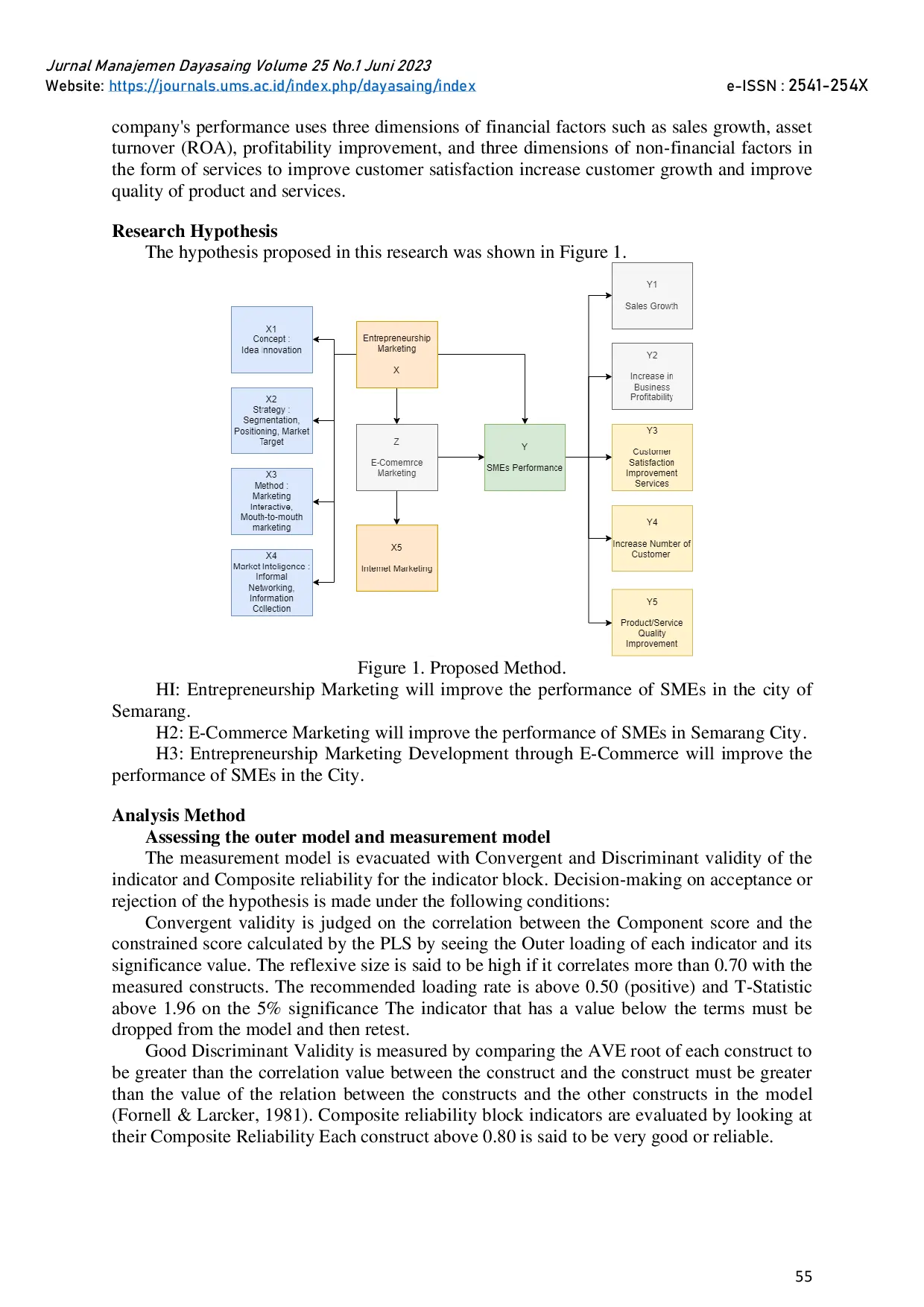
UMSUMS UMKM harus mampu menghadapi berbagai tantangan, seperti peningkatan inovasi produk dan layanan, pengembangan sumber daya manusia dan teknologi, serta perluasanUMKM harus mampu menghadapi berbagai tantangan, seperti peningkatan inovasi produk dan layanan, pengembangan sumber daya manusia dan teknologi, serta perluasan

UNDIKMAUNDIKMA Sebagian besar siswa (76%) berada pada kategori kecemasan matematika sedang, sementara hanya 7% mengalami kecemasan tinggi dan 17% rendah. Siswa denganSebagian besar siswa (76%) berada pada kategori kecemasan matematika sedang, sementara hanya 7% mengalami kecemasan tinggi dan 17% rendah. Siswa dengan