POLITANI SAMARINDAPOLITANI SAMARINDA
TEPIANTEPIANThe Sakinah Household Group (Dasawisma Sakinah) faces challenges such as the digital divide and low health standards, with the frequent occurrence of flooding contributing to health issues. The Business, Healthy Living, and Digital (Bisheldig) program was created to address these concerns by offering education on digital technology usage and the promotion of clean and healthy living habits to vulnerable groups suffering from health-related problems. The objective of this study was to develop and assess the effectiveness of the Bisheldig program focusing specifically on health behavior patterns, and improving the overall quality of life within the community. The Bisheldig program is designed using ADDIE model development, covering everything from analysis creation to evaluation. The program educates users on 10 essential health habits for households, such as childbirth assistance by healthcare professionals, exclusive breastfeeding, baby and toddler weighing, clean water usage, handwashing, sanitation practices, mosquito larvae control, daily physical activities, balanced nutrition, and maintaining a smoke-free indoor environment. Data was gathered through beta testing, revealing that the Bisheldig program significantly enhances digital literacy while promoting healthy living behaviors. This research offers insights for the development of multimedia-based health education initiatives and contributes to understanding the connection between digital literacy, public health, and information technology in improving household health outcomes.
The Bisheldig program successfully increased digital literacy and awareness of clean and healthy living within the Sakinah household group (Dasawisma) in South Sempaja.This program was developed using the ADDIE model, encompassing analysis, design, development, implementation, and evaluation.The resulting Bisheldig application presents 10 clean and healthy living skills in an accessible and interactive format, crucial for the Dasawisma facing frequent flooding, ensuring health education continuity.
Future research should explore the long-term impact of the Bisheldig program on sustained behavioral changes within the Dasawisma Sakinah group, potentially through longitudinal studies tracking health outcomes over several years. Furthermore, investigating the scalability of the Bisheldig model to other vulnerable communities facing similar challenges – such as those prone to natural disasters or with limited access to healthcare – would be valuable. Finally, expanding the program to incorporate personalized learning pathways based on individual household needs and digital literacy levels, utilizing adaptive learning technologies, could further enhance its effectiveness and reach, ensuring that the program remains relevant and engaging for a diverse range of users and contributes to a more equitable distribution of health knowledge and resources.
| File size | 1.11 MB |
| Pages | 9 |
| DMCA | Report |
Related /

UNISMUH PALUUNISMUH PALU Indonesia is the 5th most vulnerable country in Asia, with an accumulated number of 519,158 cases in 2022. Health literacy is essential for people withIndonesia is the 5th most vulnerable country in Asia, with an accumulated number of 519,158 cases in 2022. Health literacy is essential for people with

DINAMIKADINAMIKA Kegiatan pengabdian di Desa Busalangga Barat menunjukkan bahwa integrasi strategi pemberdayaan yang menggabungkan kearifan lokal madene dengan inovasiKegiatan pengabdian di Desa Busalangga Barat menunjukkan bahwa integrasi strategi pemberdayaan yang menggabungkan kearifan lokal madene dengan inovasi
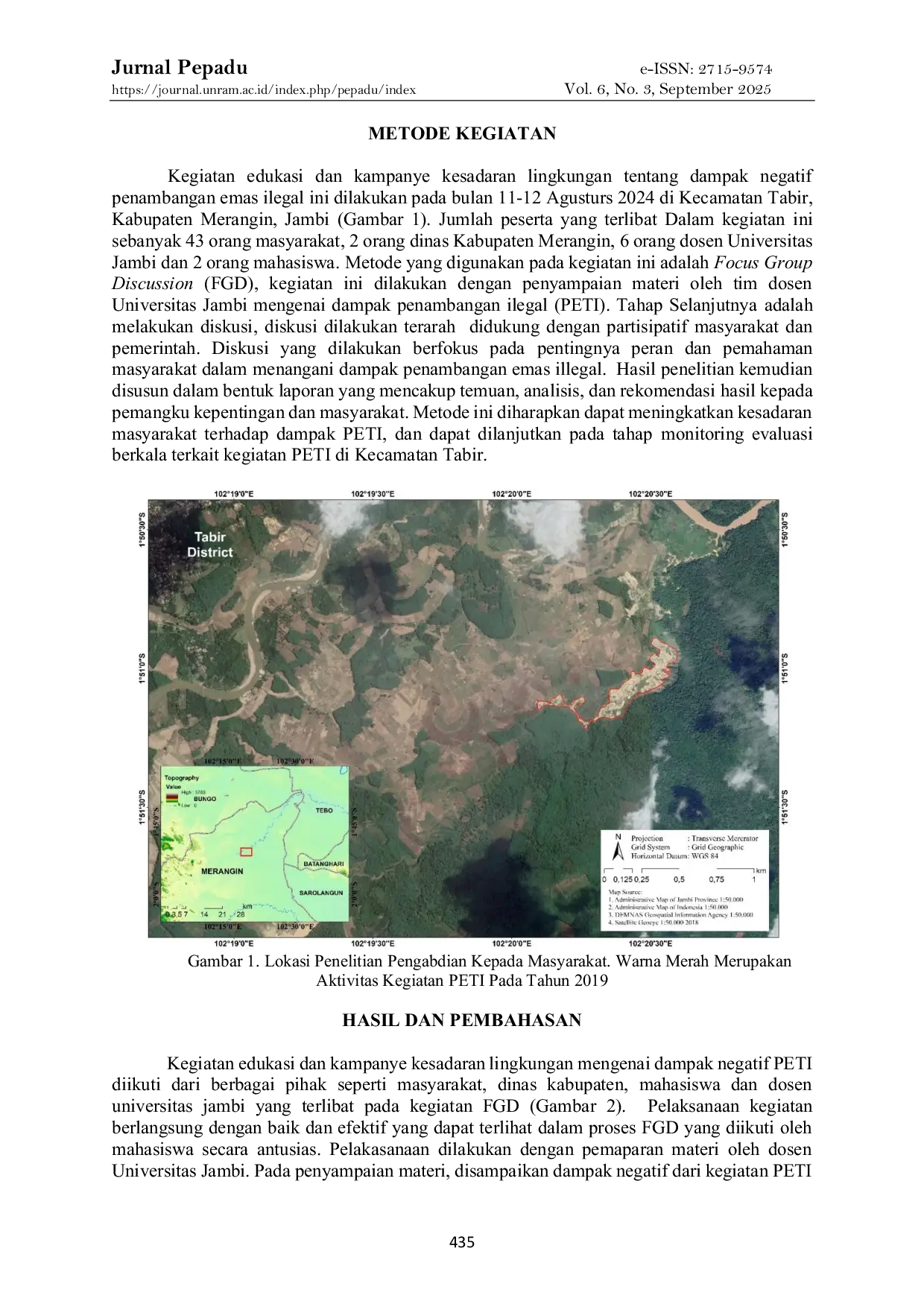
UNRAMUNRAM Artikel ini bertujuan untuk menginformasikan pentingnya edukasi dan kampanye kesadaran lingkungan tentang kerusakan yang ditimbulkan oleh praktik penambanganArtikel ini bertujuan untuk menginformasikan pentingnya edukasi dan kampanye kesadaran lingkungan tentang kerusakan yang ditimbulkan oleh praktik penambangan
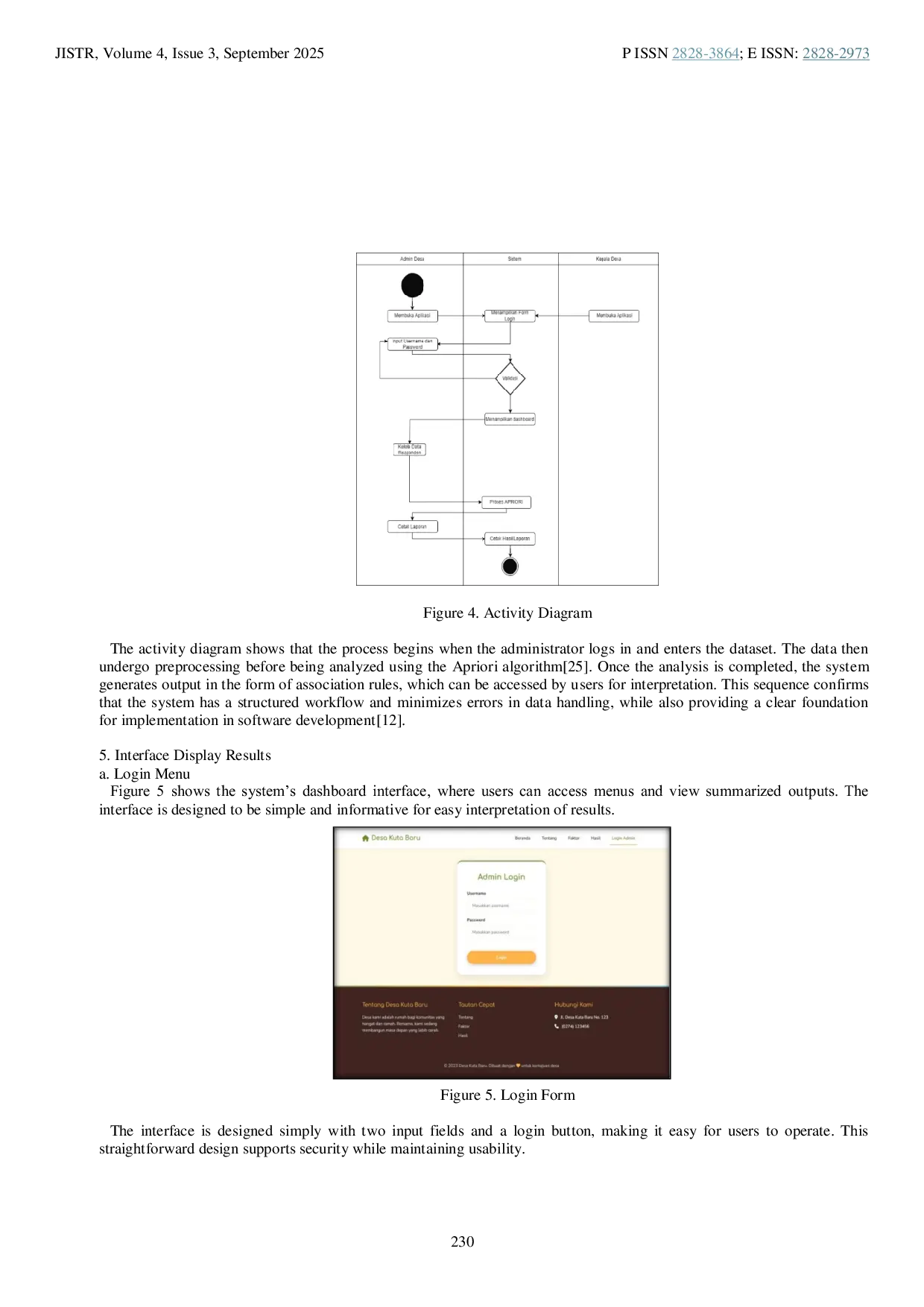
AIRAAIRA Furthermore, formal sector occupations were associated with consistent internet usage at 72% confidence. These findings suggest that improving infrastructureFurthermore, formal sector occupations were associated with consistent internet usage at 72% confidence. These findings suggest that improving infrastructure
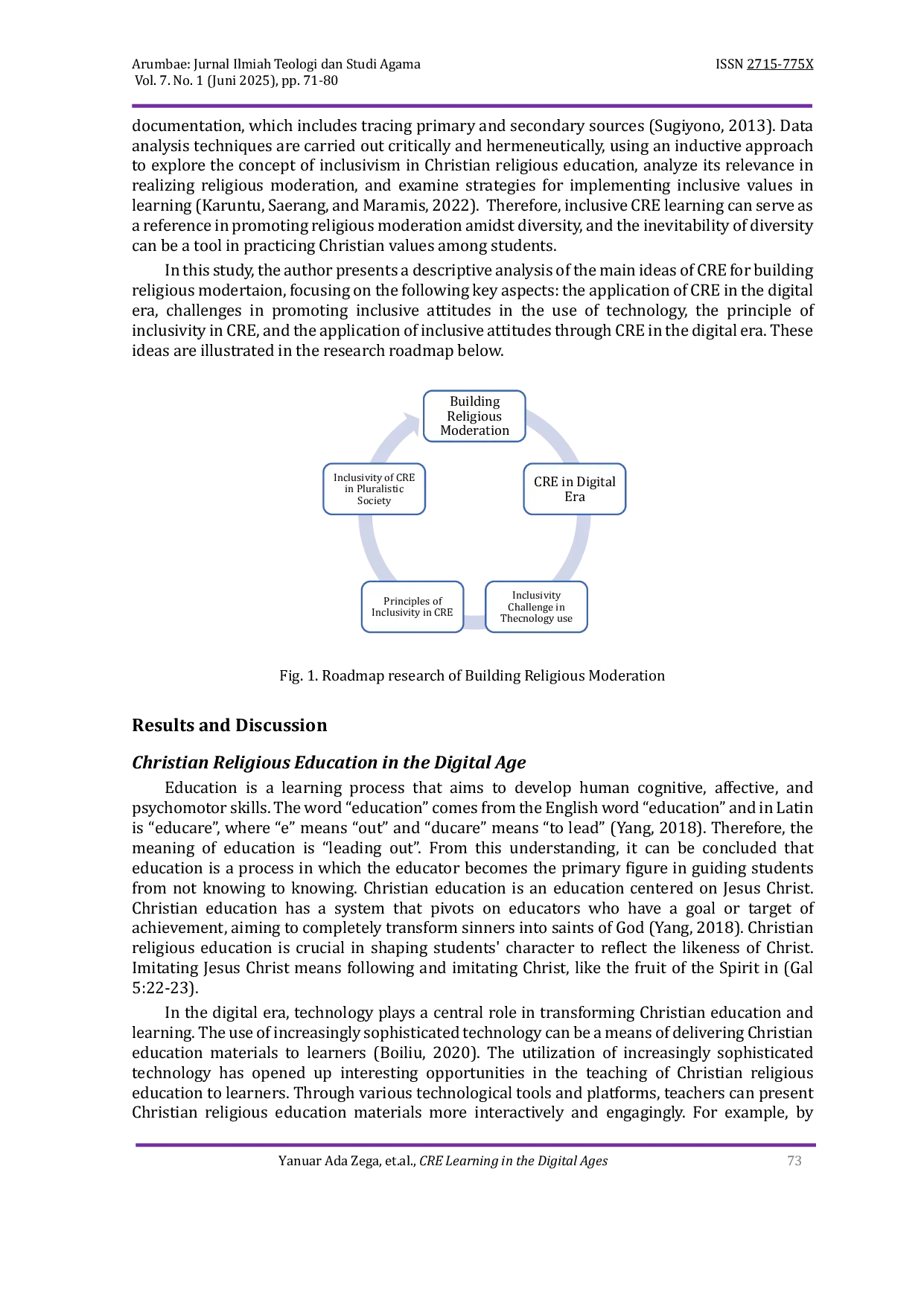
UKIMUKIM The integration of digital technology in Christian Religious Education (CRE) holds significant potential to strengthen attitudes of inclusiveness and religiousThe integration of digital technology in Christian Religious Education (CRE) holds significant potential to strengthen attitudes of inclusiveness and religious
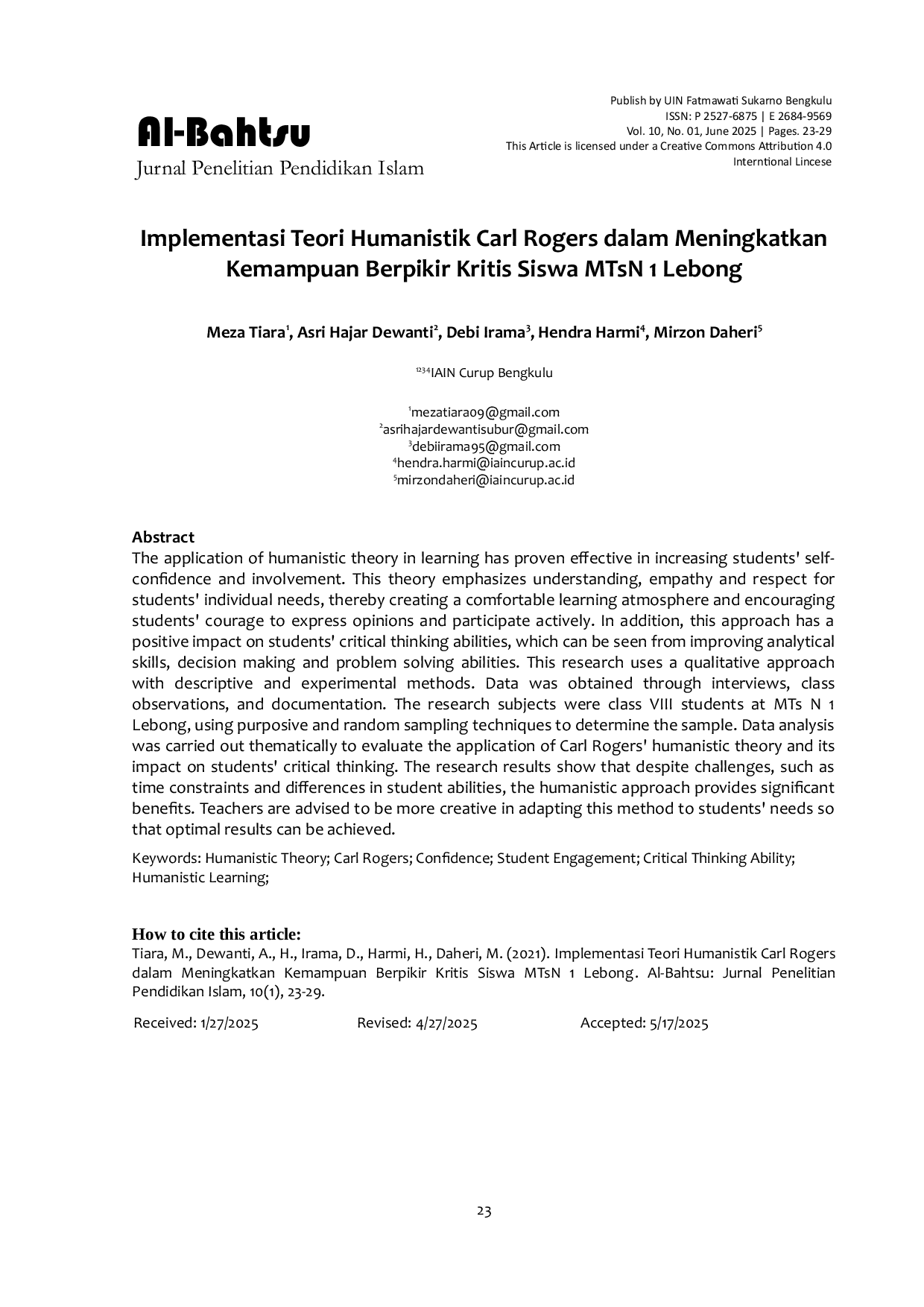
UINFASBENGKULUUINFASBENGKULU Subjek penelitian adalah siswa kelas VIII di MTsN 1 Lebong, dengan teknik sampling purposive dan random. Analisis data dilakukan secara tematik untuk mengevaluasiSubjek penelitian adalah siswa kelas VIII di MTsN 1 Lebong, dengan teknik sampling purposive dan random. Analisis data dilakukan secara tematik untuk mengevaluasi

UINFASBENGKULUUINFASBENGKULU Relevansi pemikiran Ibn Khaldun dan Paulo Freire sangat penting mengingat tantangan global seperti ketimpangan akses dan kualitas pendidikan. Oleh karenaRelevansi pemikiran Ibn Khaldun dan Paulo Freire sangat penting mengingat tantangan global seperti ketimpangan akses dan kualitas pendidikan. Oleh karena

ISQIISQI Era ini menuntut transformasi metode pengajaran yang tidak hanya mampu memanfaatkan teknologi, tetapi juga mempertahankan nilai-nilai moral dan karakter.Era ini menuntut transformasi metode pengajaran yang tidak hanya mampu memanfaatkan teknologi, tetapi juga mempertahankan nilai-nilai moral dan karakter.
Useful /
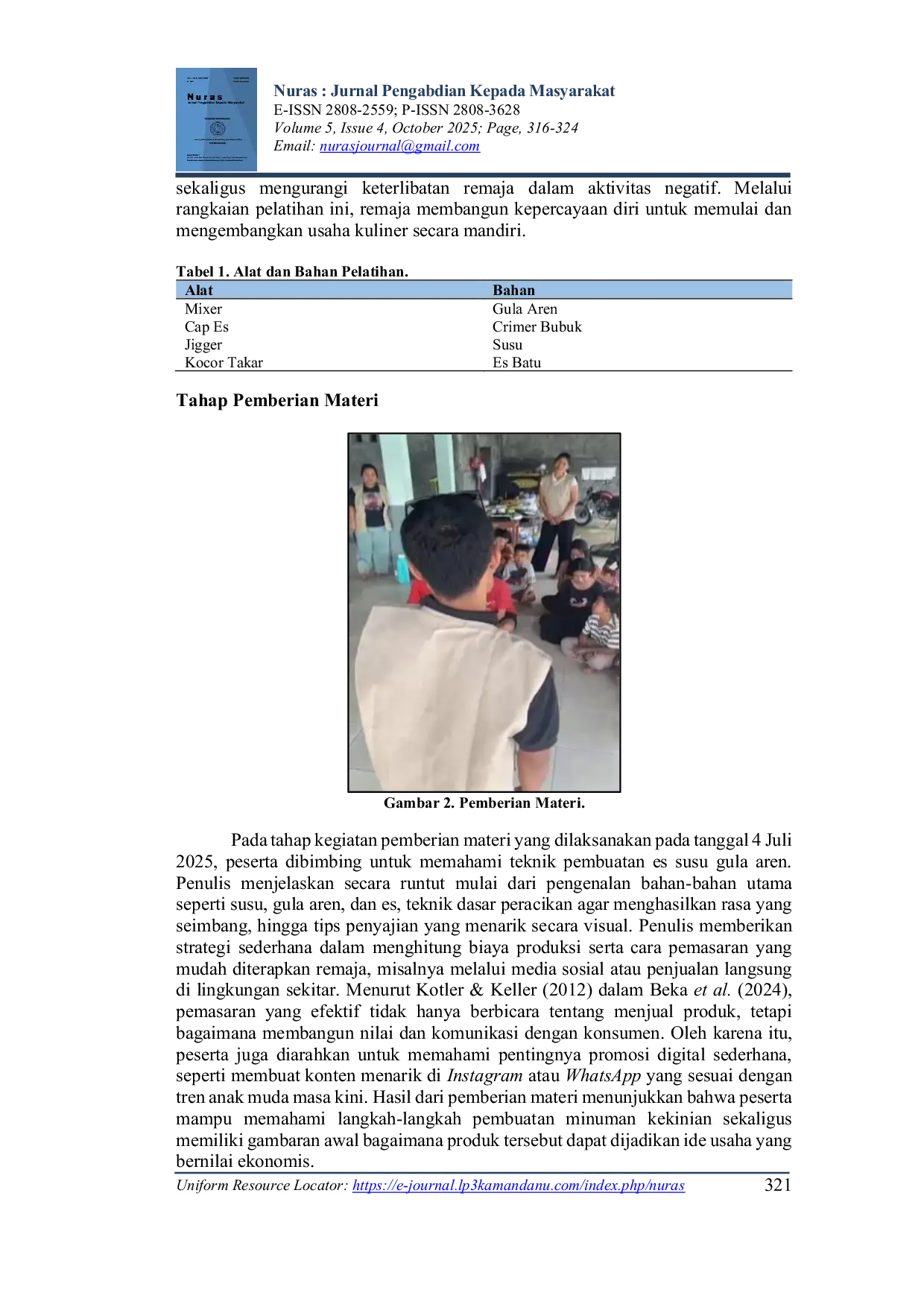
LP3KAMANDANULP3KAMANDANU Kegiatan ini juga berperan penting sebagai alternatif positif untuk mengurangi keterlibatan remaja dalam aktivitas negatif, seperti mabuk-mabukan dan perjudian.Kegiatan ini juga berperan penting sebagai alternatif positif untuk mengurangi keterlibatan remaja dalam aktivitas negatif, seperti mabuk-mabukan dan perjudian.
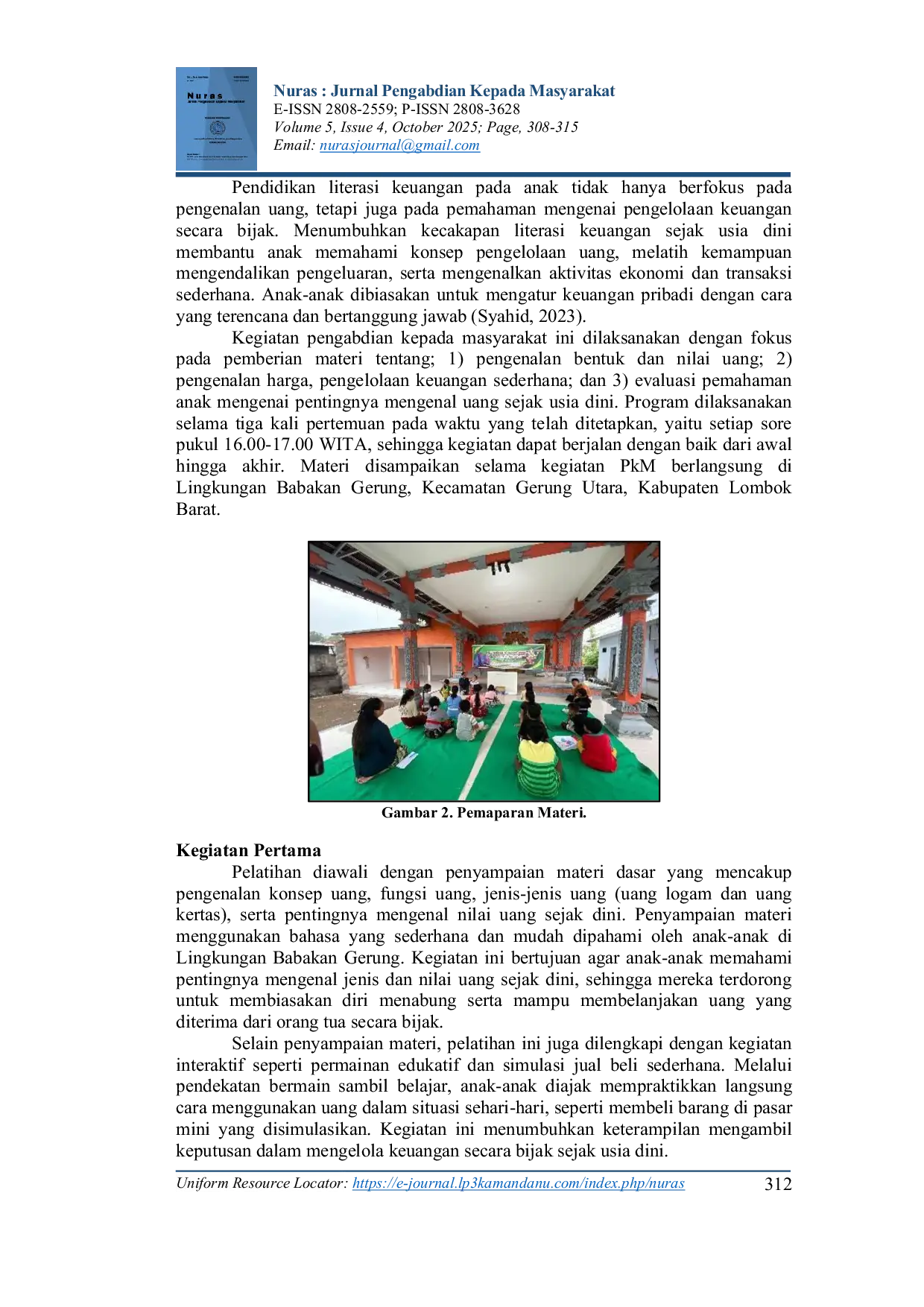
LP3KAMANDANULP3KAMANDANU Secara keseluruhan, program ini menegaskan pentingnya kolaborasi antara pendidikan formal dan nonformal dalam membangun kesadaran literasi keuangan sejakSecara keseluruhan, program ini menegaskan pentingnya kolaborasi antara pendidikan formal dan nonformal dalam membangun kesadaran literasi keuangan sejak

AIRAAIRA Metode AHP diterapkan untuk menentukan bobot lima kriteria: kadar air, ketahanan hama, produktivitas, ukuran buah, dan waktu panen. Uji konsistensi menghasilkanMetode AHP diterapkan untuk menentukan bobot lima kriteria: kadar air, ketahanan hama, produktivitas, ukuran buah, dan waktu panen. Uji konsistensi menghasilkan

UINFASBENGKULUUINFASBENGKULU (3) Menemukan dan mendeskripsikan kelebihan dan kekurangan Media Mind Mapping berbasis Project Based Learning dalam pembelajaran SKI di Madrasah Tsanawiyah(3) Menemukan dan mendeskripsikan kelebihan dan kekurangan Media Mind Mapping berbasis Project Based Learning dalam pembelajaran SKI di Madrasah Tsanawiyah