UIN MALANGUIN MALANG
JIAJIAThis study is an extended research of previous studies on the mosque typology in Aceh Province, Indonesia. Although Aceh is well-known as a “mecca veranda due to its proximity to Islam, the mosque typology research is still limited. The mosque holds significant value in the Muslim community. This study was conducted in Acehs Northern-Eastern route, which covers 90 (ninety) mosques located in 8 (eight) regencies. Using Baiturrahman Grand Mosque as the reference, as suggested in previous studies, the result indicates that the union-shaped mosque as a roof element is the predominant feature replicated by the mosques in Acehs Northern-Eastern route. Other elements, such as the column, the opening, and the roof ornamentation, are also replicated by some research objects insignificantly. Differing from the previous research, this study highlights that the minaret is a vital feature, although it is not applied in all research objects. Further research can be carried on toward broader areas with more diverse analytical factors such as time, socio-culture and technology.
The influence of Baiturrahman Grand Mosque (BGM) on Northern-Eastern Acehs mosques, particularly in terms of the roof, is the union-shaped dome.While some modifications exist, the basic form remains dominant.The study reveals the role of the mosque dome as the identity of a religious building in the region, resembling BGMs dome.The research also indicates that minarets and façade ornamentation are not essential elements influenced by the BGM design, though some mosques still incorporate them.
Future research should expand the study area to encompass all of Aceh, incorporating the year of mosque construction as a key analytical factor to categorize typology based on historical periods. Furthermore, investigating the socio-cultural factors influencing the limited adoption of minarets in Northern-Eastern Aceh, beyond functional considerations, could reveal nuanced understandings of local religious expression. Finally, a comparative study examining the relationship between mosque typology and the implementation of Islamic Sharia Law in Aceh, alongside an exploration of the communitys perception of mosque identity, would provide valuable insights into the interplay between architectural form and religious practice.
- THE TYPOLOGY OF MOSQUE ARCHITECTURE IN WEST ACEH | Fakriah | Journal of Islamic Architecture. typology... doi.org/10.18860/jia.v7i1.12912THE TYPOLOGY OF MOSQUE ARCHITECTURE IN WEST ACEH Fakriah Journal of Islamic Architecture typology doi 10 18860 jia v7i1 12912
- PERSEPSI MASYARAKAT TERHADAP KEHADIRAN MASJID TANPA KUBAH DI INDONESIA | Teknosains: Media Informasi... doi.org/10.24252/teknosains.v16i1.23914PERSEPSI MASYARAKAT TERHADAP KEHADIRAN MASJID TANPA KUBAH DI INDONESIA Teknosains Media Informasi doi 10 24252 teknosains v16i1 23914
- Dome Form Typology Of Islamic Architecture In Persia | Sahabuddin | Journal of Islamic Architecture.... ejournal.uin-malang.ac.id/index.php/JIA/article/view/4374Dome Form Typology Of Islamic Architecture In Persia Sahabuddin Journal of Islamic Architecture ejournal uin malang ac index php JIA article view 4374
- Mosques and Minarets: Transregional Connections in Eighteenth-Century Southeast Asia – Journal18:... journal18.org/issue4/mosques-and-minarets-transregional-connections-in-eighteenth-century-southeast-asiaMosques and Minarets Transregional Connections in Eighteenth Century Southeast Asia Ae Journal18 journal18 issue4 mosques and minarets transregional connections in eighteenth century southeast asia
| File size | 1.59 MB |
| Pages | 10 |
| DMCA | Report |
Related /
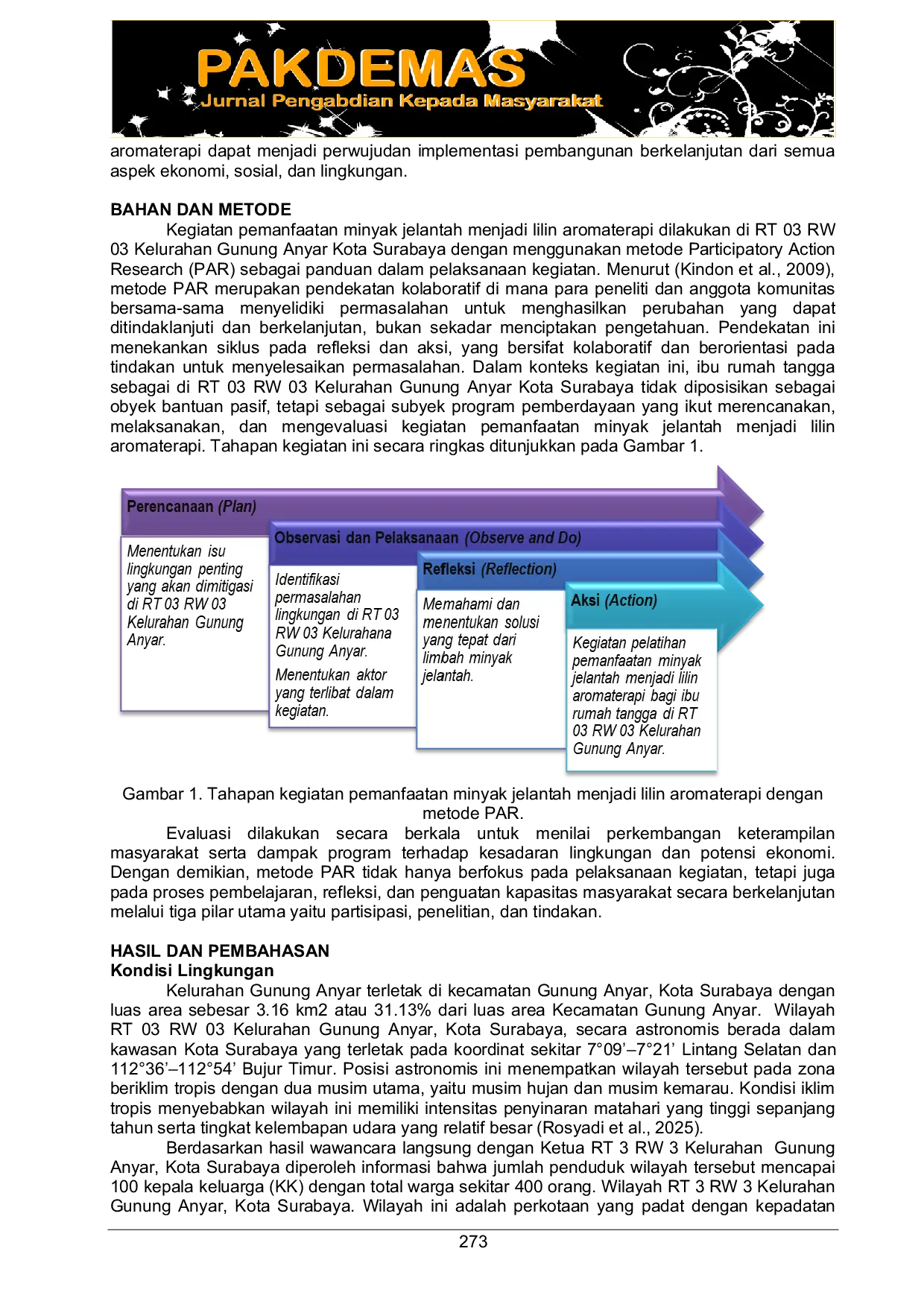
FAPERTA UNRASFAPERTA UNRAS Praktik pembuangan tanpa pengolahan ini berdampak buruk pada pencemaran air, degradasi tanah, hingga kerusakan infrastruktur. Kegiatan pengabdian masyarakatPraktik pembuangan tanpa pengolahan ini berdampak buruk pada pencemaran air, degradasi tanah, hingga kerusakan infrastruktur. Kegiatan pengabdian masyarakat
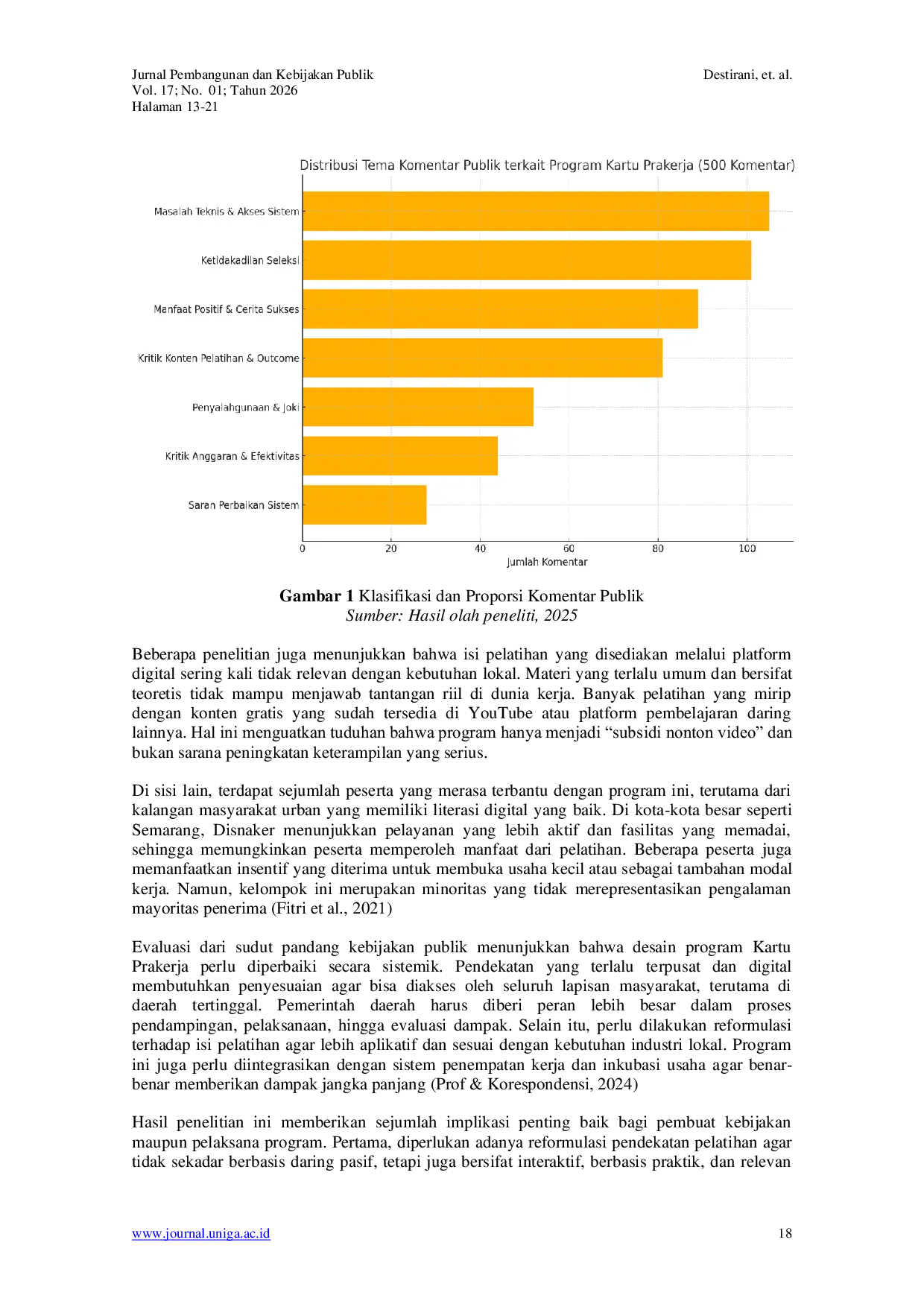
FISIPUNIGAFISIPUNIGA Keluhan utama berkaitan dengan kendala teknis, kesenjangan akses digital, konten pelatihan yang tidak relevan, serta minimnya dampak nyata pasca-pelatihan.Keluhan utama berkaitan dengan kendala teknis, kesenjangan akses digital, konten pelatihan yang tidak relevan, serta minimnya dampak nyata pasca-pelatihan.

DEEJOURNALDEEJOURNAL Pendekatan analisis struktural genetik dipakai untuk menilai elemen intrinsik dan ekstrinsik novel. Hasil analisis menunjukkan bahwa karakter utama, DeborahPendekatan analisis struktural genetik dipakai untuk menilai elemen intrinsik dan ekstrinsik novel. Hasil analisis menunjukkan bahwa karakter utama, Deborah

SUMBARPROVSUMBARPROV Implementasi visi ini memerlukan kerjasama antara pemerintah, masyarakat, sektor swasta, akademisi, dan pemangku kepentingan lainnya. Pengelolaan sumberImplementasi visi ini memerlukan kerjasama antara pemerintah, masyarakat, sektor swasta, akademisi, dan pemangku kepentingan lainnya. Pengelolaan sumber

SUMBARPROVSUMBARPROV Penelitian ini menggunakan pendekatan kuantitatif dengan teknik analisis multiple linear regression, dan 177 orang berpatisipasi sebagai respoden penelitian.Penelitian ini menggunakan pendekatan kuantitatif dengan teknik analisis multiple linear regression, dan 177 orang berpatisipasi sebagai respoden penelitian.

SUMBARPROVSUMBARPROV Diperlukan political will dan komitmen yang lebih kuat untuk mengarusutamakan GEDSI di seluruh sektor pembangunan. Strategi yang dirancang meliputi internalisasiDiperlukan political will dan komitmen yang lebih kuat untuk mengarusutamakan GEDSI di seluruh sektor pembangunan. Strategi yang dirancang meliputi internalisasi

SUMBARPROVSUMBARPROV Sebaliknya, faktor penghambat mencakup ketidaksesuaian dalam struktur birokrasi, kurangnya sumber daya, dan rendahnya disposisi pelaksanaan. RekomendasiSebaliknya, faktor penghambat mencakup ketidaksesuaian dalam struktur birokrasi, kurangnya sumber daya, dan rendahnya disposisi pelaksanaan. Rekomendasi
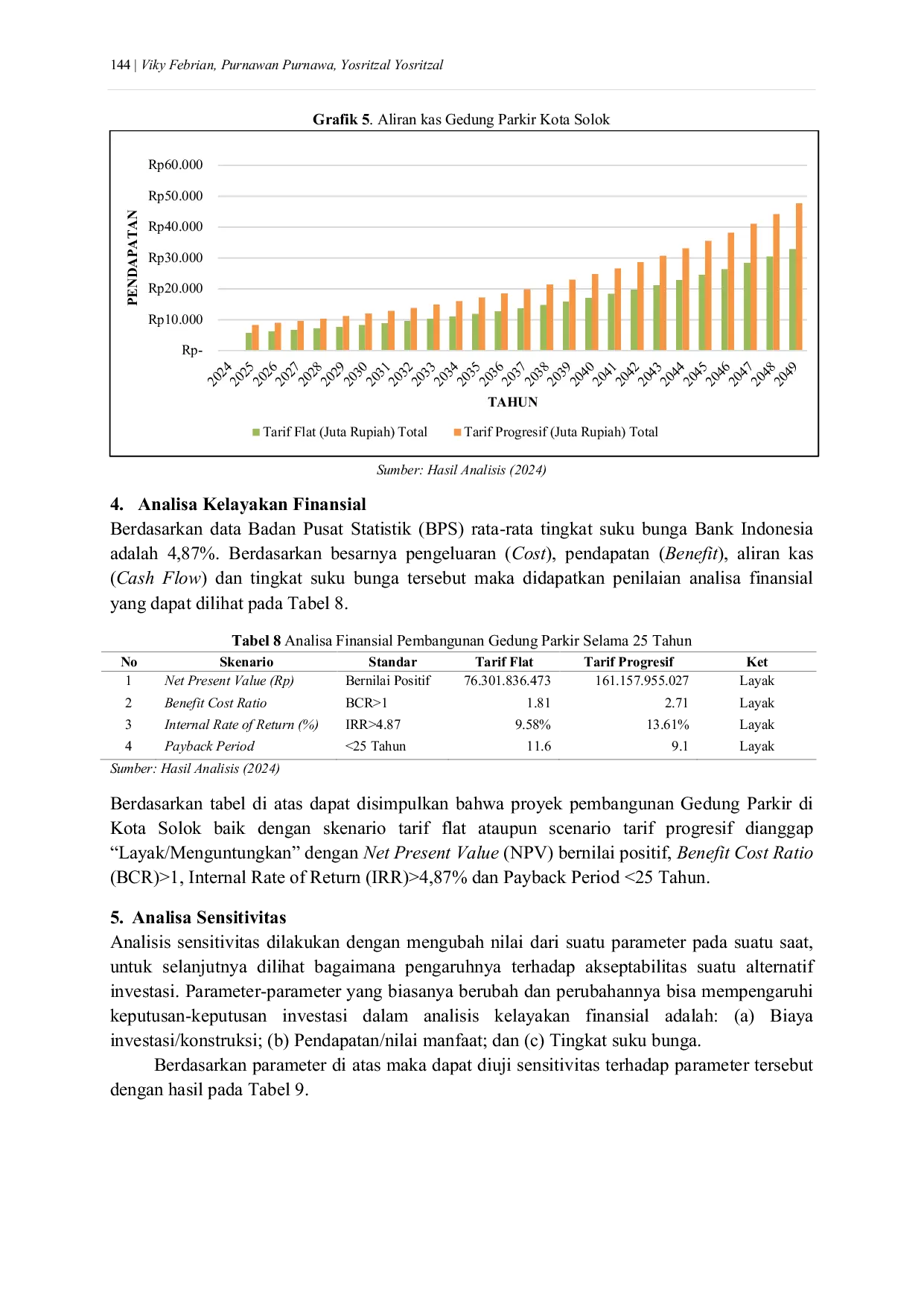
SUMBARPROVSUMBARPROV Berdasarkan hasil analisis, kapasitas parkir di kawasan Pasar Raya Kota Solok masih tidak memadai pada jam puncak. Analisis kelayakan finansial menunjukkanBerdasarkan hasil analisis, kapasitas parkir di kawasan Pasar Raya Kota Solok masih tidak memadai pada jam puncak. Analisis kelayakan finansial menunjukkan
Useful /

ISI SURAKARTAISI SURAKARTA Edukasi visual yang dikembangkan bersama warga terbukti efektif dalam membangun kesadaran lingkungan dan mendorong perubahan perilaku kolektif. KegiatanEdukasi visual yang dikembangkan bersama warga terbukti efektif dalam membangun kesadaran lingkungan dan mendorong perubahan perilaku kolektif. Kegiatan
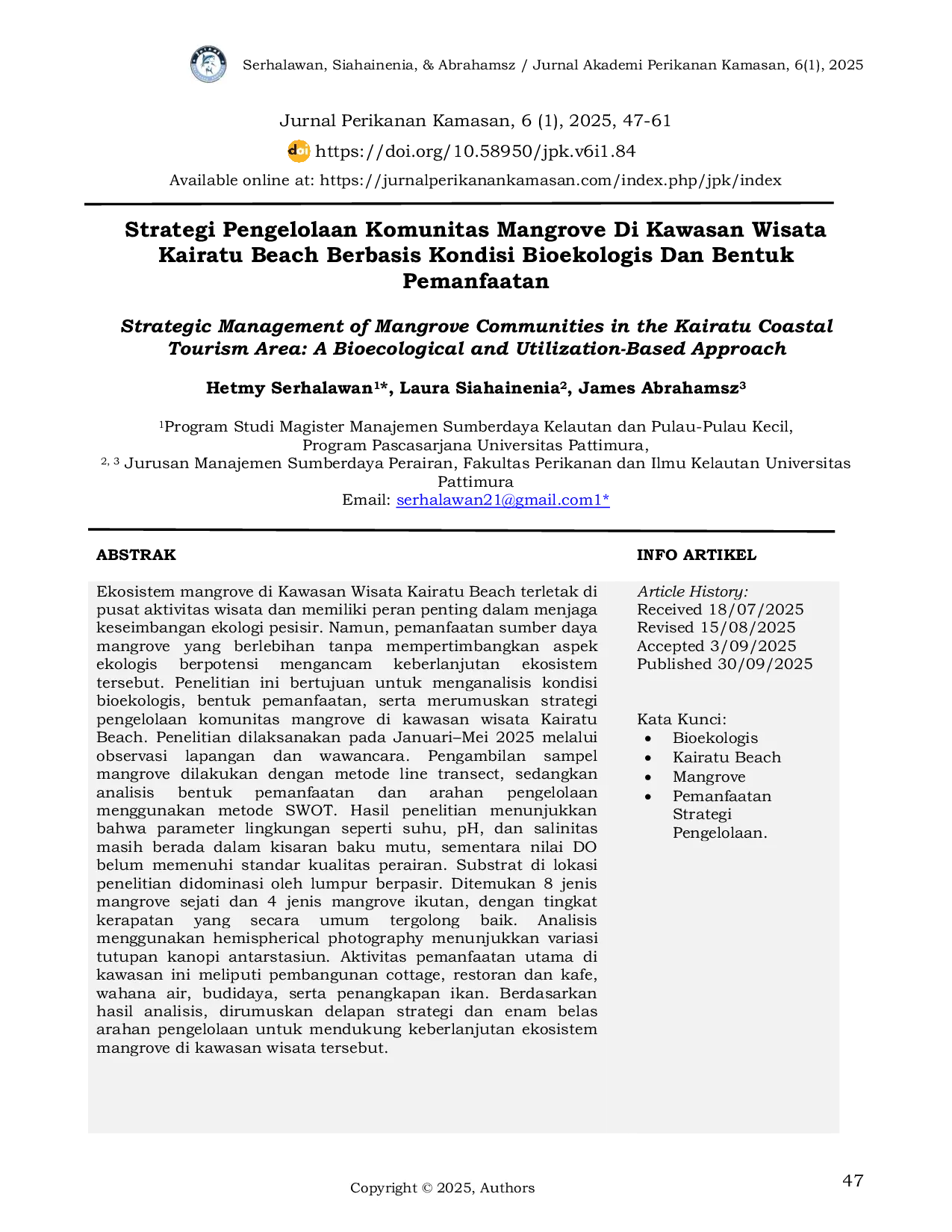
JURNALPERIKANANKAMASANJURNALPERIKANANKAMASAN Analisis menggunakan hemispherical photography menunjukkan variasi tutupan kanopi antarstasiun. Aktivitas pemanfaatan utama di kawasan ini meliputi pembangunanAnalisis menggunakan hemispherical photography menunjukkan variasi tutupan kanopi antarstasiun. Aktivitas pemanfaatan utama di kawasan ini meliputi pembangunan
JURNALPERIKANANKAMASANJURNALPERIKANANKAMASAN Struktur panjang–berat ikan cakalang menunjukkan pola pertumbuhan alometrik negatif dengan distribusi ukuran yang berfluktuasi, di mana sebagian besarStruktur panjang–berat ikan cakalang menunjukkan pola pertumbuhan alometrik negatif dengan distribusi ukuran yang berfluktuasi, di mana sebagian besar

UIN MALANGUIN MALANG Ruang publik yang dirancang dengan baik harus memenuhi kebutuhan masyarakat dan mempromosikan keadilan spasial. Penelitian ini menyajikan tiga alternatifRuang publik yang dirancang dengan baik harus memenuhi kebutuhan masyarakat dan mempromosikan keadilan spasial. Penelitian ini menyajikan tiga alternatif