RADJAPUBLIKARADJAPUBLIKA
International Journal of Economic, Business, Accounting, Agriculture Management and Sharia Administration (IJEBAS)International Journal of Economic, Business, Accounting, Agriculture Management and Sharia Administration (IJEBAS)Corruption is a social problem that significantly impacts development and the economy in Indonesia. This practice arises from weak morals, weak oversight, a lack of transparency, and a culture of graft and nepotism within the government. This study uses a descriptive qualitative method with a literature review approach to analyze the causes, impacts, and efforts to eradicate corruption. The results show that corruption has a significant impact on decreasing public trust in the government, hampering development, and weakening national economic growth. Furthermore, corruption also causes social inequality and a decline in the quality of public services. Efforts to eradicate corruption can be carried out through improvements to the governance system, increased transparency, early anti-corruption education, and firm and consistent law enforcement. With comprehensive measures involving all levels of society, it is hoped that corruption in Indonesia can be reduced, thus enabling development to proceed more effectively and fairly.
Corruption is a serious problem originating from factors such as weak oversight, lack of transparency, individual greed, and a deeply rooted culture of nepotism and bribery.Its impacts are far-reaching, diminishing public trust, weakening political and economic stability, and hindering national development.Eradicating corruption requires a comprehensive and holistic approach, including system improvements, education, and firm legal enforcement, to achieve sustainable and positive national progress.
Penelitian lebih lanjut perlu dilakukan untuk mengkaji efektivitas berbagai model pendidikan anti-korupsi, mulai dari tingkat sekolah dasar hingga perguruan tinggi, dengan fokus pada pengembangan karakter dan integritas sejak dini. Selain itu, studi komparatif mengenai strategi pemberantasan korupsi yang berhasil di negara lain, khususnya yang memiliki kesamaan konteks sosial dan budaya dengan Indonesia, dapat memberikan wawasan berharga untuk perbaikan kebijakan. Terakhir, penelitian mengenai peran teknologi, seperti *blockchain* dan kecerdasan buatan, dalam meningkatkan transparansi dan akuntabilitas dalam pengelolaan keuangan negara perlu digali lebih dalam, untuk menemukan solusi inovatif dalam mencegah praktik korupsi di era digital.
| File size | 280.48 KB |
| Pages | 4 |
| DMCA | Report |
Related /

DAARULHUDADAARULHUDA Selain itu, dasar hukum yang jelas, yakni Pasal 2 ayat (1) jo. Pasal 18 UU PTPK, memastikan bahwa prinsip legalitas terpenuhi, sehingga tidak ada pihakSelain itu, dasar hukum yang jelas, yakni Pasal 2 ayat (1) jo. Pasal 18 UU PTPK, memastikan bahwa prinsip legalitas terpenuhi, sehingga tidak ada pihak
STHBSTHB Studi kasus mantan Menteri Sosial, Juliari Batubara, menyoroti kelemahan penegakan hukum. Penelitian ini menyarankan tinjauan konstitusional terhadap peraturanStudi kasus mantan Menteri Sosial, Juliari Batubara, menyoroti kelemahan penegakan hukum. Penelitian ini menyarankan tinjauan konstitusional terhadap peraturan

UntikaUntika Studi ini mendorong pembuat kebijakan untuk mempertimbangkan penguatan peran kelompok tani secara formal dalam sistem pengawasan dana desa, guna menciptakanStudi ini mendorong pembuat kebijakan untuk mempertimbangkan penguatan peran kelompok tani secara formal dalam sistem pengawasan dana desa, guna menciptakan

AMSIRAMSIR Penelitian ini bertujuan untuk mengidentifikasi faktor-faktor penyebab tindak pidana korupsi selama pandemi Covid-19 serta bentuk-bentuk pencegahan korupsiPenelitian ini bertujuan untuk mengidentifikasi faktor-faktor penyebab tindak pidana korupsi selama pandemi Covid-19 serta bentuk-bentuk pencegahan korupsi
UMMUMM Penelitian ini mengkaji evolusi korupsi sebagai tindak kejahatan lintas batas serta kontribusi ASEAN dalam memperkuat kerja sama internasional untuk pemulihanPenelitian ini mengkaji evolusi korupsi sebagai tindak kejahatan lintas batas serta kontribusi ASEAN dalam memperkuat kerja sama internasional untuk pemulihan

UJBUJB Kebijakan pemerintah Republik Indonesia dalam pemberantasan tindak pidana sudah dilakukan dengan mengeluarkan beberapa peraturan perundang-undangan baruKebijakan pemerintah Republik Indonesia dalam pemberantasan tindak pidana sudah dilakukan dengan mengeluarkan beberapa peraturan perundang-undangan baru
UNSUNS Indonesia telah mengundangkan Undang-Undang Pertambangan, Undang-Undang Perlindungan Lingkungan, dan berbagai peraturan turunan yang mengatur persoalanIndonesia telah mengundangkan Undang-Undang Pertambangan, Undang-Undang Perlindungan Lingkungan, dan berbagai peraturan turunan yang mengatur persoalan
NEWINERANEWINERA Metode penelitian yang digunakan adalah metode normatif hukum dengan pendekatan statuta, dikombinasikan dengan analisis konsep dan studi kasus. Hasil penelitianMetode penelitian yang digunakan adalah metode normatif hukum dengan pendekatan statuta, dikombinasikan dengan analisis konsep dan studi kasus. Hasil penelitian
Useful /
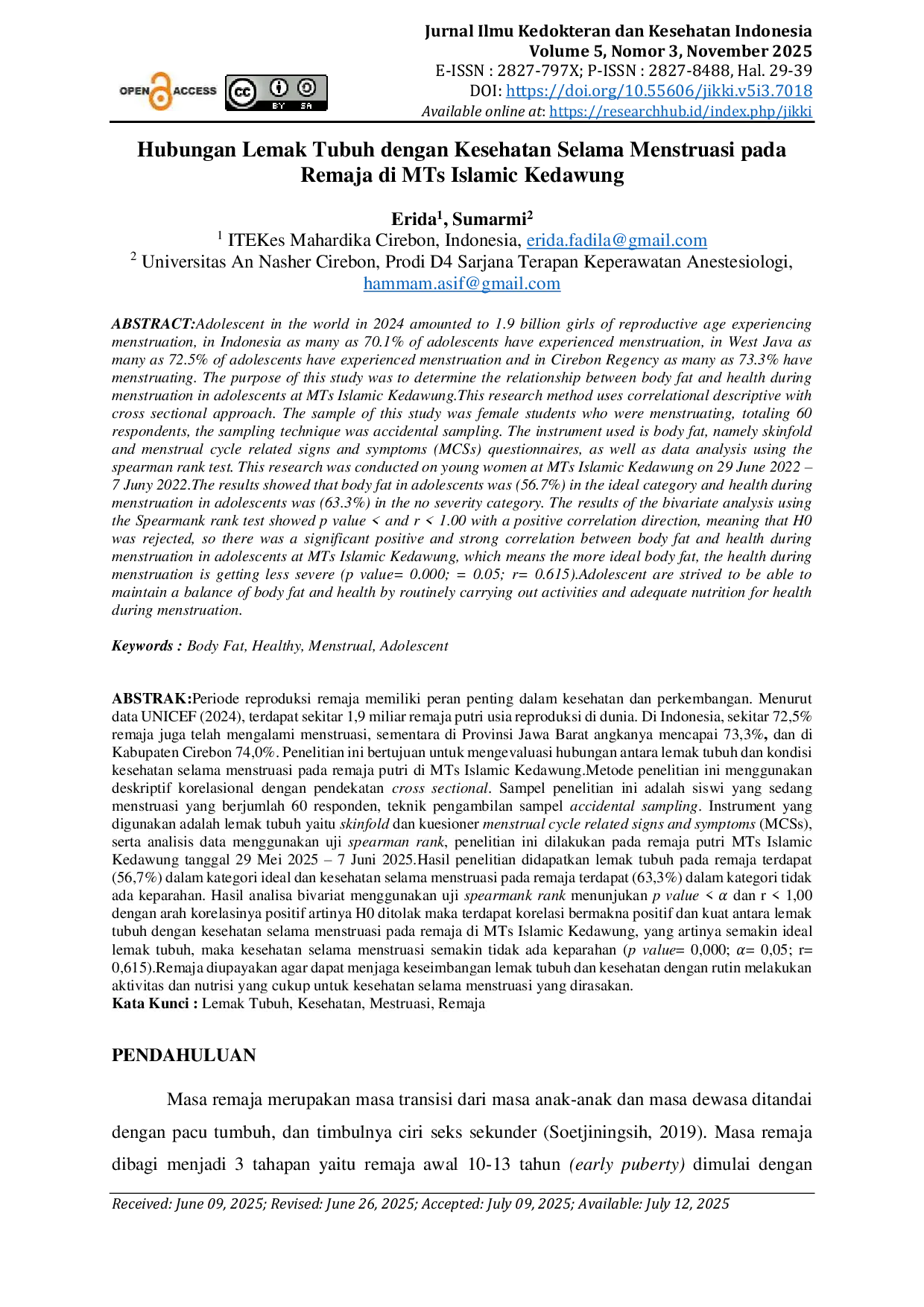
RESEARCHHUBRESEARCHHUB Hasil penelitian didapatkan lemak tubuh pada remaja terdapat (56,7%) dalam kategori ideal dan kesehatan selama menstruasi pada remaja terdapat (63,3%)Hasil penelitian didapatkan lemak tubuh pada remaja terdapat (56,7%) dalam kategori ideal dan kesehatan selama menstruasi pada remaja terdapat (63,3%)

RADJAPUBLIKARADJAPUBLIKA Penelitian ini mengidentifikasi faktor utama yang memengaruhi daya saing ekspor buah pinang Indonesia ke Uni Emirat Arab, yaitu volume ekspor, dinamikaPenelitian ini mengidentifikasi faktor utama yang memengaruhi daya saing ekspor buah pinang Indonesia ke Uni Emirat Arab, yaitu volume ekspor, dinamika

UNDIKSHAUNDIKSHA Hasil uji sifat fisik menunjukkan kertas kulit pisang memiliki gramatur 120 g/m², ketebalan 0,18 mm, kekuatan tarik 15,8 N, dan daya serap air 42 %. KertasHasil uji sifat fisik menunjukkan kertas kulit pisang memiliki gramatur 120 g/m², ketebalan 0,18 mm, kekuatan tarik 15,8 N, dan daya serap air 42 %. Kertas
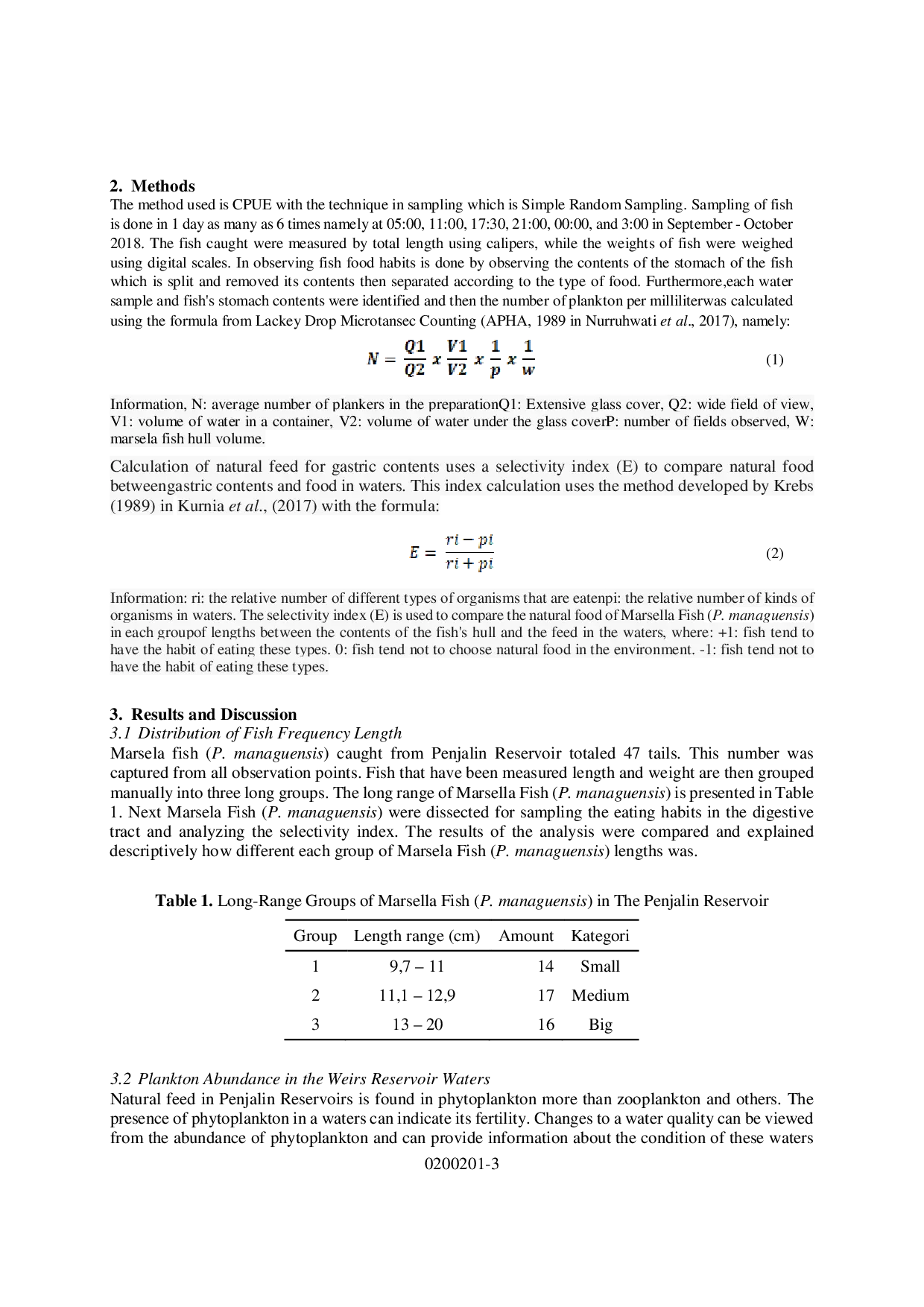
UPGRISUPGRIS Ikan Marsela (Parachromis managuensis) bersifat omnivora, umumnya memakan Chlorophyta dan Charophyta. Pada fase dewasa, ikan ini juga mengkonsumsi makhlukIkan Marsela (Parachromis managuensis) bersifat omnivora, umumnya memakan Chlorophyta dan Charophyta. Pada fase dewasa, ikan ini juga mengkonsumsi makhluk