RADJAPUBLIKARADJAPUBLIKA
International Journal of Economic, Business, Accounting, Agriculture Management and Sharia Administration (IJEBAS)International Journal of Economic, Business, Accounting, Agriculture Management and Sharia Administration (IJEBAS)This study aims to determine how to process jackfruit seeds (Artocarpus heterophyllus lamk) into a food source of tempeh without using soybeans, and to assess its feasibility as an alternative to soybean tempeh. The background of this study is based on Indonesias high dependence on soybean imports, which causes the price of tempeh raw materials to increase. Jackfruit seeds were chosen because they have high nutritional content such as carbohydrates, protein, vitamins, and minerals, as well as their abundant availability. Which is suitable as a substitute or alternative to jackfruit seeds. This study used a quantitative research method with an experimental approach through the fermentation process of jackfruit seeds using Rhizopus oligosporus yeast. The results showed that jackfruit seed tempeh has good physical and organoleptic characteristics, with a solid shape, soft but compact texture, grayish white color, slightly sweet savory taste, and a distinctive aroma of tempeh. The fermentation process for two days at room temperature (28–32 °C) resulted in even mycelial growth and optimal fermentation. In terms of nutrition, jackfruit seed tempeh contains quite high protein and fiber so it has the potential to be a nutritious and affordable alternative food. Thus, jackfruit seeds have the potential to be a substitute for soybeans in the production of tempeh, while also supporting food diversification and reducing Indonesias dependence on soybean imports.
Based on the research results and discussion, it can be concluded that jackfruit seed tempeh (Artocarpus heterophyllus lamk) has good physical characteristics and is suitable as an alternative to soybean tempeh.In terms of shape, jackfruit seed tempeh shows a solid, compact, and not easily broken structure, indicating that the fermentation process is running optimally with the even growth of Rhizopus oligosporus mycelia.Its soft but dense texture is influenced by the high starch content and the boiling process that facilitates yeast penetration.The resulting grayish-white color indicates that fermentation is taking place under hygienic conditions without contamination from spoilage microbes.The savory and slightly sweet taste of jackfruit seed tempeh indicates a balance between proteolytic and amylolytic enzyme activity during fermentation.The distinctive aroma of fermentation is not pungent, indicating that microbial activity is taking place normally and cleanly.Nutritionally, jackfruit seed tempeh contains adequate amounts of protein, dietary fiber, and essential minerals, and its nutritional value increases through the fermentation process.
Berdasarkan latar belakang yang menyoroti ketergantungan Indonesia pada impor kedelai dan potensi limbah biji nangka, penelitian lanjutan dapat difokuskan pada optimasi varietas biji nangka yang berbeda untuk produksi tempe, dengan mempertimbangkan kandungan nutrisi dan karakteristik fermentasinya. Selain itu, penelitian perlu dilakukan untuk mengeksplorasi kombinasi biji nangka dengan bahan lokal lain, seperti tepung tapioka atau singkong, guna meningkatkan tekstur dan daya tahan tempe. Terakhir, penelitian perlu menginvestigasi pengaruh berbagai metode pengawetan, seperti pengemasan vakum atau iradiasi, terhadap umur simpan dan kualitas sensorik tempe biji nangka, sehingga dapat memperluas jangkauan pasar dan mengurangi pemborosan.
| File size | 185.42 KB |
| Pages | 6 |
| DMCA | Report |
Related /

UNMERPASUNMERPAS Dengan memanfaatkan molase dan kultur starter yang mudah dijangkau, masyarakat diajak memahami bahwa kekuatan sesungguhnya ada di sekitar mereka. MelaluiDengan memanfaatkan molase dan kultur starter yang mudah dijangkau, masyarakat diajak memahami bahwa kekuatan sesungguhnya ada di sekitar mereka. Melalui

LLDIKTI12LLDIKTI12 UMKM tidak hanya berfungsi sebagai unit usaha kecil, tetapi sebagai entitas produktif yang berkontribusi signifikan terhadap PDB, penciptaan lapangan kerja,UMKM tidak hanya berfungsi sebagai unit usaha kecil, tetapi sebagai entitas produktif yang berkontribusi signifikan terhadap PDB, penciptaan lapangan kerja,
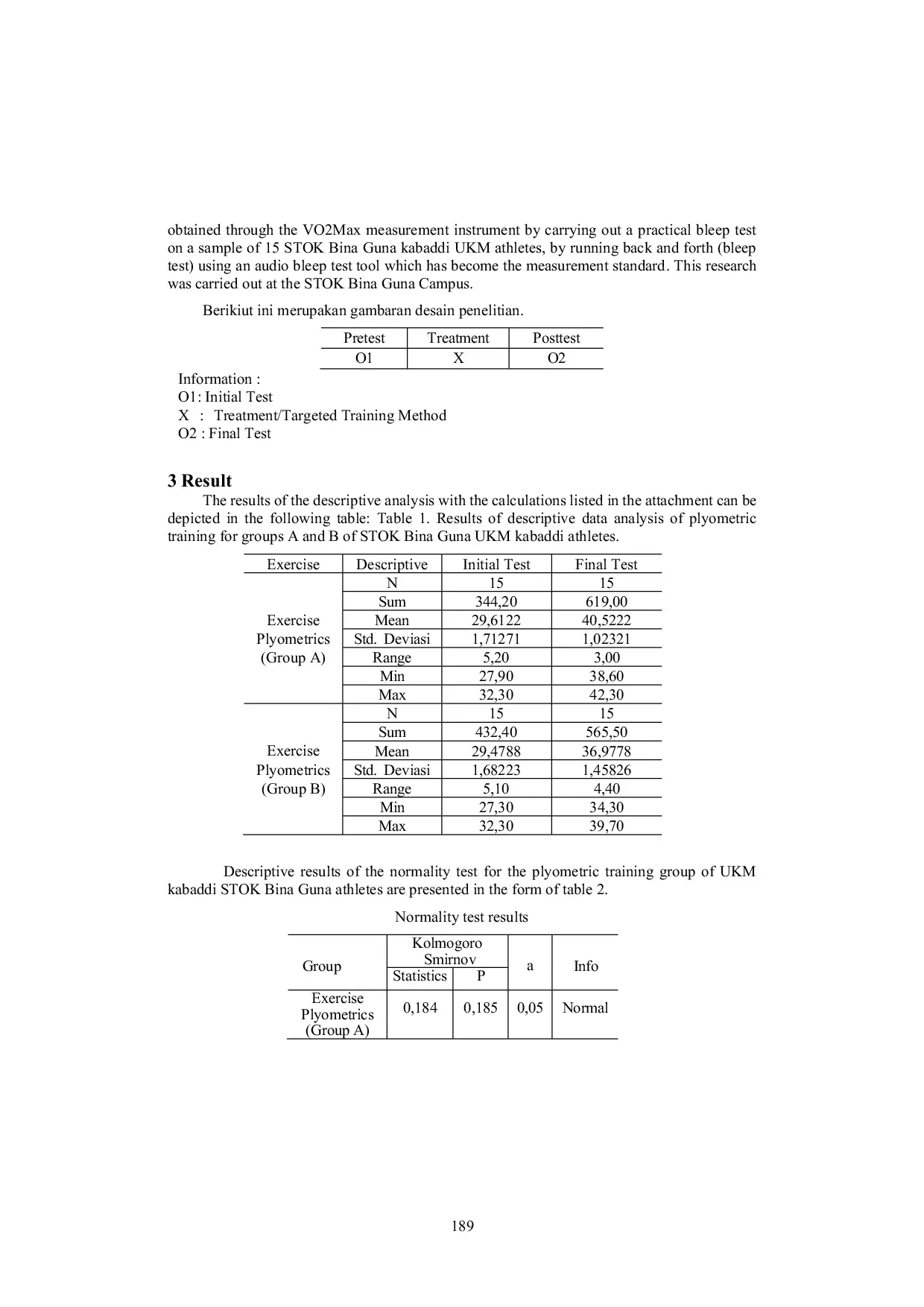
STOK BINAGUNASTOK BINAGUNA Penelitian ini menggunakan desain eksperimen pada atlet kabaddi UKM STOK Bina Guna dengan tujuan mengetahui sejauh mana pelatihan plyometric memengaruhiPenelitian ini menggunakan desain eksperimen pada atlet kabaddi UKM STOK Bina Guna dengan tujuan mengetahui sejauh mana pelatihan plyometric memengaruhi
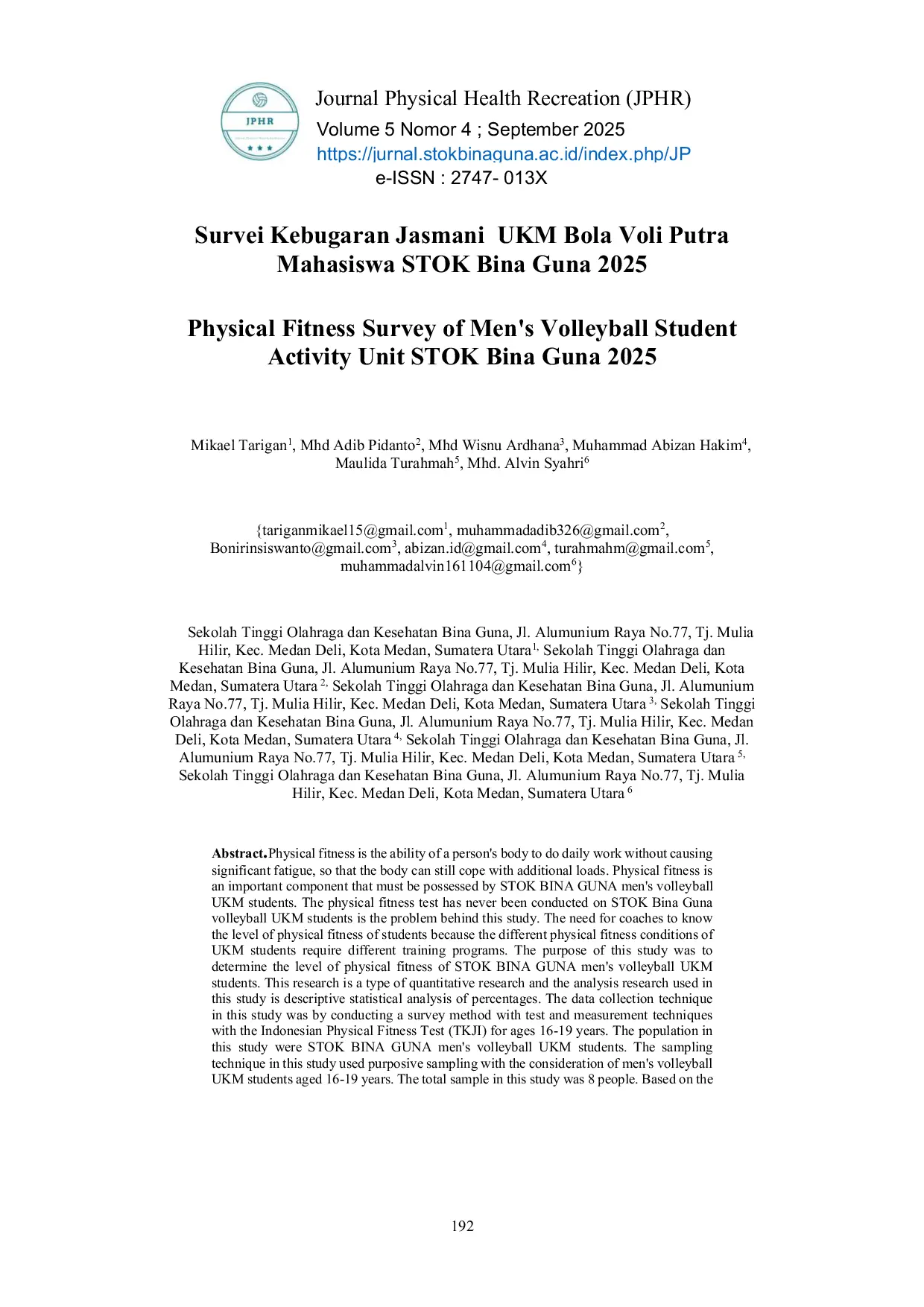
STOK BINAGUNASTOK BINAGUNA Kebugaran jasmani merupakan komponen penting yang harus dimiliki oleh mahasiswa UKM bola voli putra STOK BINA GUNA. Belum pernah dilakukan uji kebugaranKebugaran jasmani merupakan komponen penting yang harus dimiliki oleh mahasiswa UKM bola voli putra STOK BINA GUNA. Belum pernah dilakukan uji kebugaran
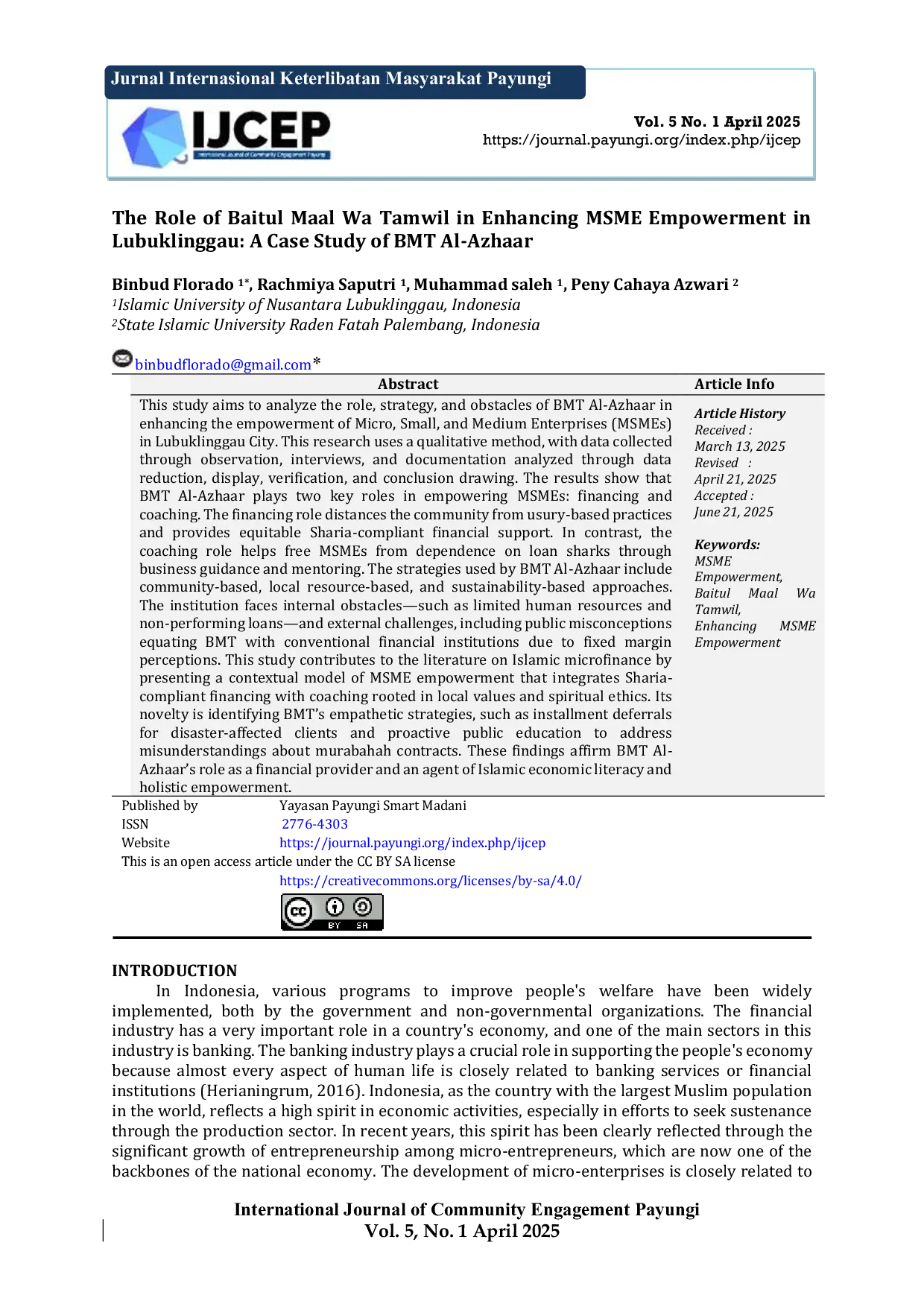
PAYUNGIPAYUNGI Peran pembiayaan menjauhkan masyarakat dari praktik riba melalui sistem murabahah yang adil dan transparan, sedangkan peran pelatihan mengurangi blenderanPeran pembiayaan menjauhkan masyarakat dari praktik riba melalui sistem murabahah yang adil dan transparan, sedangkan peran pelatihan mengurangi blenderan

STIKES MAJAPAHITSTIKES MAJAPAHIT Penelitian ini bertujuan untuk menentukan hubungan antara pemberian ASI eksklusif dengan kejadian stunting pada balita berusia 24-59 bulan di Desa Mingir.Penelitian ini bertujuan untuk menentukan hubungan antara pemberian ASI eksklusif dengan kejadian stunting pada balita berusia 24-59 bulan di Desa Mingir.

MRYFORMOSAPUBLISHERMRYFORMOSAPUBLISHER Prosesnya mencakup analisis beban hidup, beban seismik, serta penulangan. Selain itu, desain sambungan antar komponen pracetak dijamin untuk mempertahankanProsesnya mencakup analisis beban hidup, beban seismik, serta penulangan. Selain itu, desain sambungan antar komponen pracetak dijamin untuk mempertahankan

UnnasUnnas Data primer dikumpulkan melalui visitasi ke lokasi dan wawancara langsung pada penghuni. Analisis anatomi arsitektural rumah baja menunjukkan bahwa posisiData primer dikumpulkan melalui visitasi ke lokasi dan wawancara langsung pada penghuni. Analisis anatomi arsitektural rumah baja menunjukkan bahwa posisi
Useful /

YAYASANBHZYAYASANBHZ Penelitian ini dilatarbelaki begitu banyaknya kita temukan penyimpangan-penyimpangan hukum yang dilakukan dalam masyarakat. Misalnya, masih banyak ditemukanPenelitian ini dilatarbelaki begitu banyaknya kita temukan penyimpangan-penyimpangan hukum yang dilakukan dalam masyarakat. Misalnya, masih banyak ditemukan
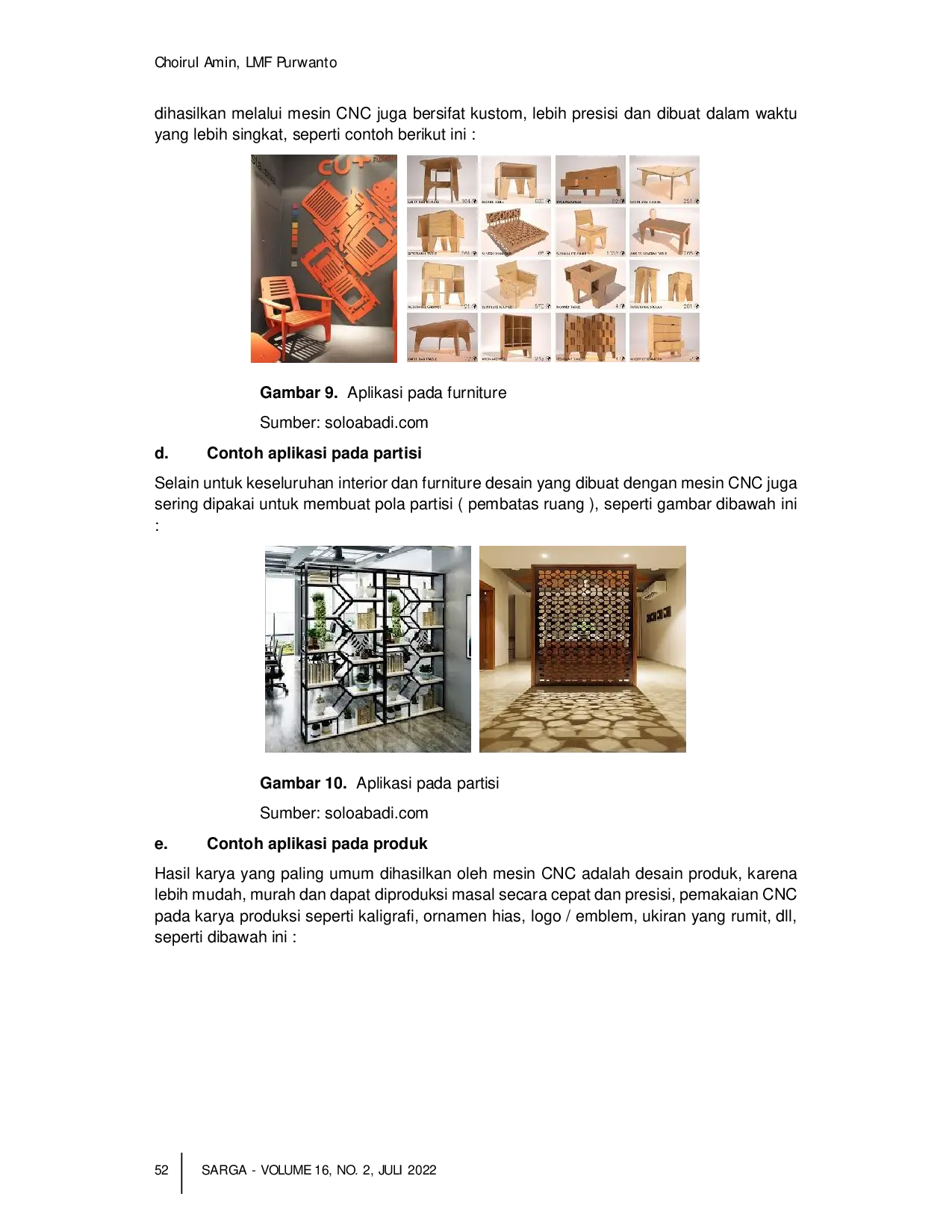
UnnasUnnas Dari beberapa hal tersebut apakah mesin Computer Numeric Control ( CNC ) dapat berperan dalam sebuah karya arsitektur yang dihasilkan seorang arsitek.Dari beberapa hal tersebut apakah mesin Computer Numeric Control ( CNC ) dapat berperan dalam sebuah karya arsitektur yang dihasilkan seorang arsitek.

RADJAPUBLIKARADJAPUBLIKA Strategi yang direkomendasikan meliputi peningkatan efisiensi biaya produksi, digitalisasi sistem operasional, penguatan kontrol kualitas, dan optimalisasiStrategi yang direkomendasikan meliputi peningkatan efisiensi biaya produksi, digitalisasi sistem operasional, penguatan kontrol kualitas, dan optimalisasi

UnnasUnnas Kawasan wisata pantai Pasir Putih merupakan salah satu destinasi wisata di Kota Gresik, destinasi yang terletak di Desa Dalegan Kecamatan Panceng KotaKawasan wisata pantai Pasir Putih merupakan salah satu destinasi wisata di Kota Gresik, destinasi yang terletak di Desa Dalegan Kecamatan Panceng Kota