RADJAPUBLIKARADJAPUBLIKA
International Journal of Economic, Business, Accounting, Agriculture Management and Sharia Administration (IJEBAS)International Journal of Economic, Business, Accounting, Agriculture Management and Sharia Administration (IJEBAS)This study aims to evaluate the impact of professional discipline, intrinsic motivation, and workplace conditions on educator productivity at SMA Plus Assalaam Bandung. The basis for this study arose from the discrepancy in teacher performance, which is still less than optimal, as evidenced by the lack of creativity in assignments and signs of disruption in discipline and enthusiasm. The research approach employed quantitative methods that were descriptive and verifiable. The research subjects included all 32 educational staff at SMA Plus Assalaam Bandung, using a total sampling technique. Information processing used multiple linear regression analysis, classical assumption checking, hypothesis testing, and the coefficient of determination. The research findings revealed that separately, professional discipline and intrinsic motivation have a positive and significant effect on educator productivity. However, workplace conditions did not show a significant influence. Together, these three factors contributed a 54.3% impact on educator productivity. The study concluded that to improve educator productivity, school leaders need to prioritize steadfastness in implementing discipline and developing intrinsic motivation.
Based on the data processing and discussions conducted, it can be concluded that work discipline has a positive and significant impact on teacher performance.Work motivation also has a positive and significant impact on teacher performance.The work environment does not significantly impact teacher performance.Collectively, work discipline, work motivation, and work environment significantly impact teacher performance, contributing 54.
Further research could explore the role of teacher competence and leadership styles as moderating variables influencing the relationship between work discipline, motivation, and performance. Investigating the impact of school culture on teacher performance, particularly in the context of Islamic education, would provide valuable insights. Additionally, a comparative study examining teacher performance across different types of schools (public vs. private, urban vs. rural) could reveal best practices and identify areas for improvement in educational management. These studies should employ qualitative methods, such as interviews and focus group discussions, to gain a deeper understanding of the nuances of teacher experiences and perspectives, complementing the quantitative findings of this research. This will allow for a more holistic and nuanced understanding of the factors that contribute to optimal teacher performance and ultimately, improved educational outcomes.
- Pengaruh Kepemimpinan, Motivasi Kerja dan Disiplin Kerja Terhadap Kinerja Karyawan PT Niramas Utama Pada... doi.org/10.35870/jemsi.v9i4.1385Pengaruh Kepemimpinan Motivasi Kerja dan Disiplin Kerja Terhadap Kinerja Karyawan PT Niramas Utama Pada doi 10 35870 jemsi v9i4 1385
- Pengaruh Pengembangan Karier, Disiplin Kerja, dan Lingkungan Kerja Fisik terhadap Kinerja Karyawan pada... journal.jis-institute.org/index.php/jnmpsdm/article/view/1694Pengaruh Pengembangan Karier Disiplin Kerja dan Lingkungan Kerja Fisik terhadap Kinerja Karyawan pada journal jis institute index php jnmpsdm article view 1694
| File size | 328.67 KB |
| Pages | 5 |
| DMCA | Report |
Related /

UNIMMANUNIMMAN Pendekatan cross sectional pengukuran variabel independen gaya kepemimpinan kepala ruang dan variabel dependen kinerja perawat pelaksana dan hubungan gayaPendekatan cross sectional pengukuran variabel independen gaya kepemimpinan kepala ruang dan variabel dependen kinerja perawat pelaksana dan hubungan gaya

LLDIKTI12LLDIKTI12 Berdasarkan hasil analisis dan pembahasan, disimpulkan bahwa. Pertama, Hasil eksplorasi pada Rumah Budaya Banda Naira, terdapat etnomatematika pada bentukBerdasarkan hasil analisis dan pembahasan, disimpulkan bahwa. Pertama, Hasil eksplorasi pada Rumah Budaya Banda Naira, terdapat etnomatematika pada bentuk

LLDIKTI12LLDIKTI12 Penelitian ini menyoroti urgensi historiografi pahlawan lokal sebagai sarana memperkuat identitas kolektif dan menumbuhkan karakter generasi muda, khususnyaPenelitian ini menyoroti urgensi historiografi pahlawan lokal sebagai sarana memperkuat identitas kolektif dan menumbuhkan karakter generasi muda, khususnya
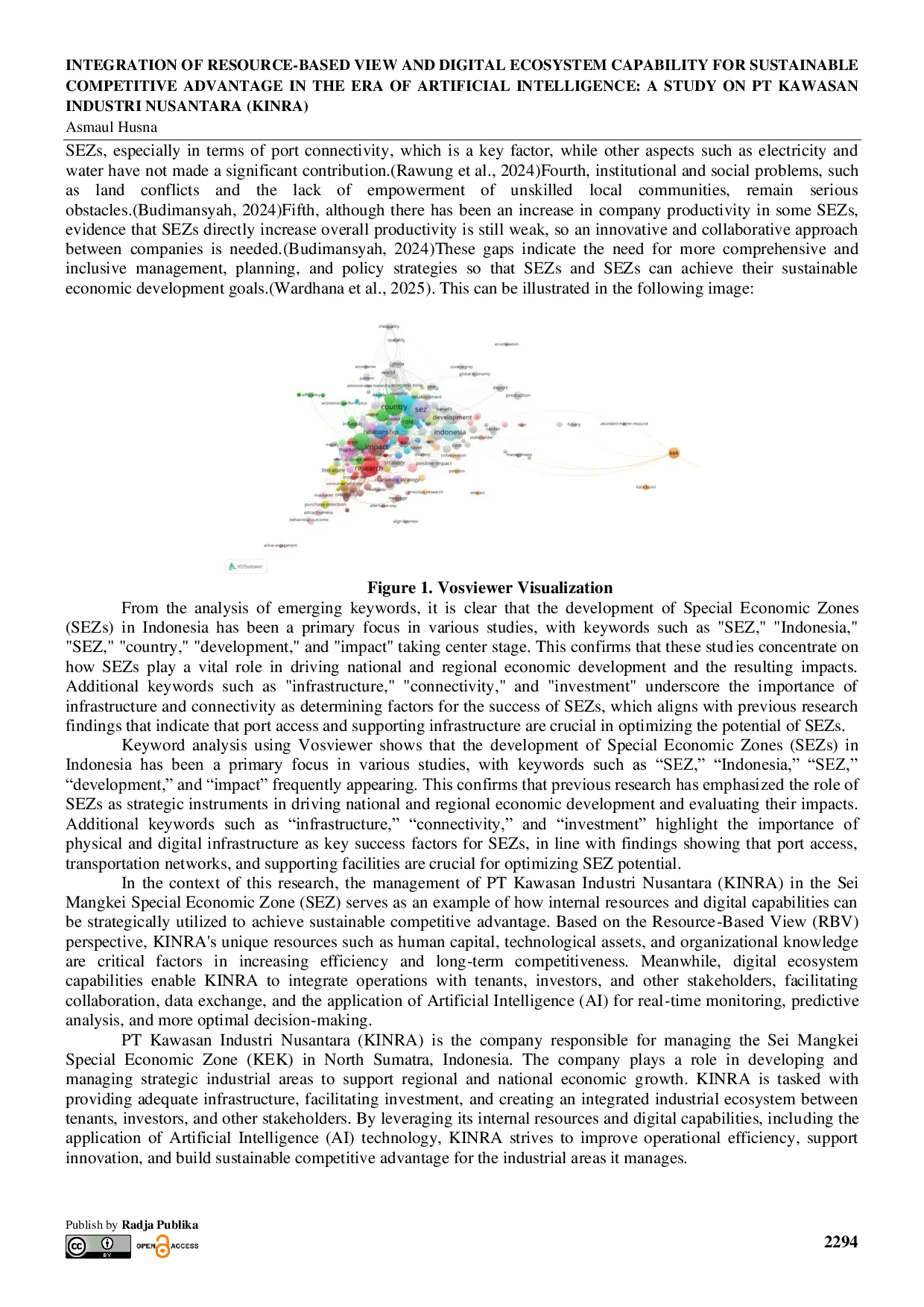
RADJAPUBLIKARADJAPUBLIKA Kapabilitas AI bertindak sebagai variabel moderasi yang memperkuat pengaruh RBV dan kapabilitas ekosistem digital terhadap SCA. Temuan ini mengonfirmasiKapabilitas AI bertindak sebagai variabel moderasi yang memperkuat pengaruh RBV dan kapabilitas ekosistem digital terhadap SCA. Temuan ini mengonfirmasi

APPISIAPPISI Melalui pendekatan ini, hotel dapat menciptakan suasana kerja yang kondusif, pelayanan yang konsisten, dan pengalaman menginap yang berkesan bagi tamu.Melalui pendekatan ini, hotel dapat menciptakan suasana kerja yang kondusif, pelayanan yang konsisten, dan pengalaman menginap yang berkesan bagi tamu.
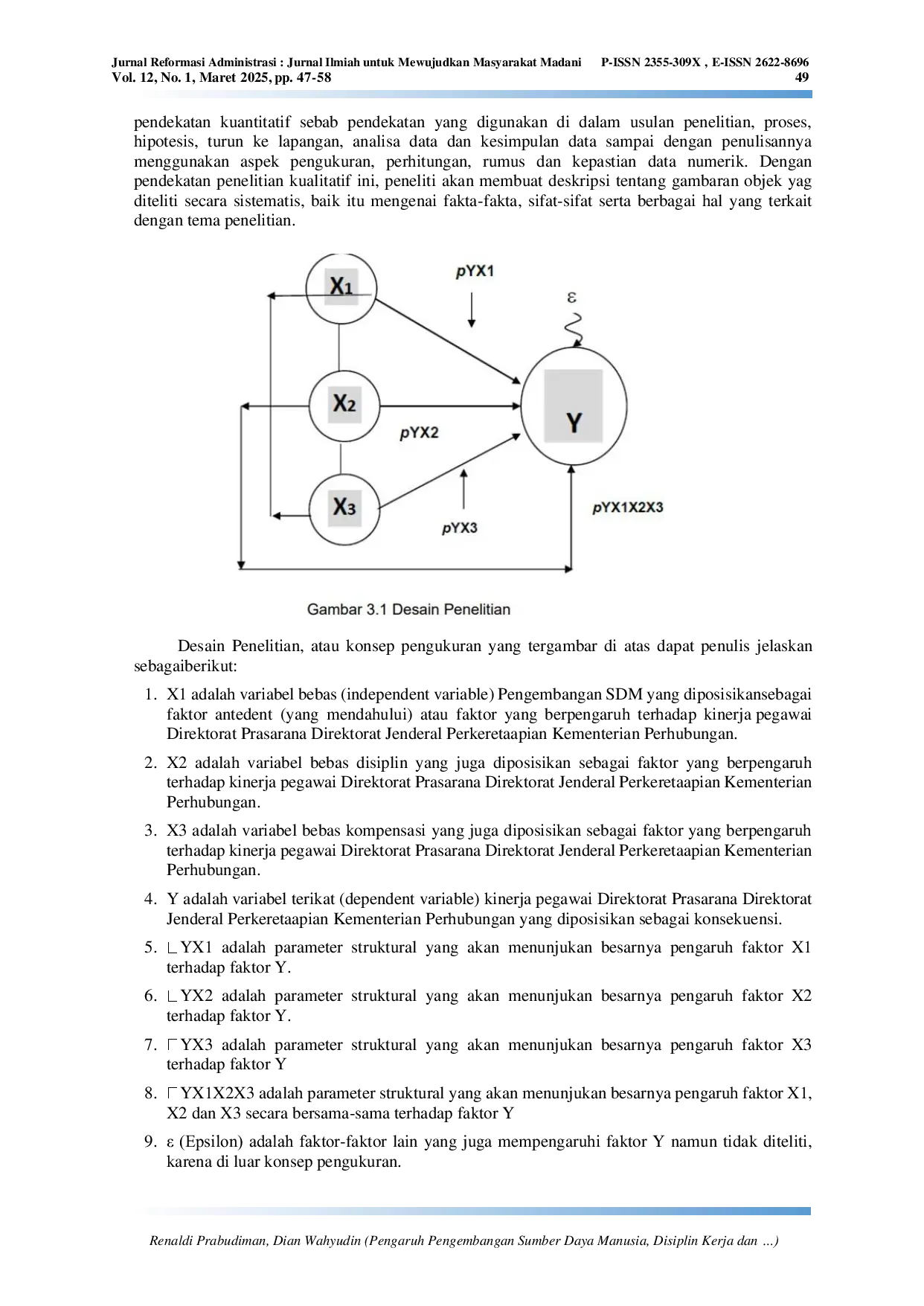
STIAMISTIAMI Direktorat Prasarana Ditjen Perkeretaapian Kementerian Perhubungan merupakan instansi vital yang mengelola prasarana sektor perkeretaapian. Untuk melaksanakanDirektorat Prasarana Ditjen Perkeretaapian Kementerian Perhubungan merupakan instansi vital yang mengelola prasarana sektor perkeretaapian. Untuk melaksanakan
MEDIAPUBLIKASIMEDIAPUBLIKASI Perusahaan property dan real estate yang terdaftar di BEI tahun 2020-2021 masih banyak yang terindikasi non going concern, sehingga manajemen perusahaanPerusahaan property dan real estate yang terdaftar di BEI tahun 2020-2021 masih banyak yang terindikasi non going concern, sehingga manajemen perusahaan

UNIPMAUNIPMA Penelitian ini dirancang dan dibuat dengan pendekatan penelitian kuantitatif. Populasi dalam penelitian ini seluruh guru mata pelajaran IPS SMP NegeriPenelitian ini dirancang dan dibuat dengan pendekatan penelitian kuantitatif. Populasi dalam penelitian ini seluruh guru mata pelajaran IPS SMP Negeri
Useful /
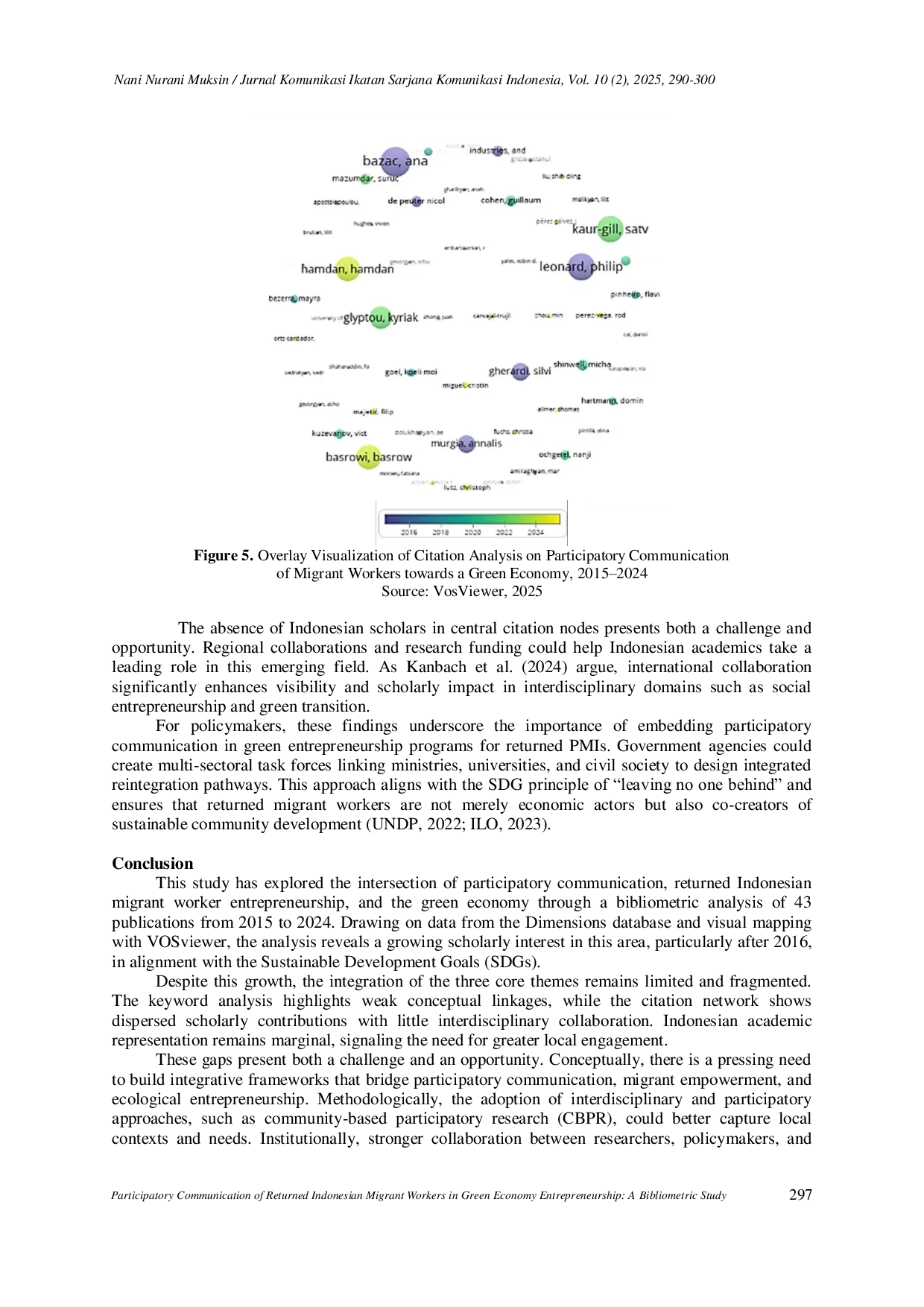
ISKIISKI Temuan menunjukkan bahwa komunikasi partisipatif dapat secara signifikan memperkuat keterlibatan komunitas, meningkatkan kepemilikan program, dan mendorongTemuan menunjukkan bahwa komunikasi partisipatif dapat secara signifikan memperkuat keterlibatan komunitas, meningkatkan kepemilikan program, dan mendorong

ISKIISKI Model UKW dengan konten SEO dapat menjadi alternatif uji kompetensi spesifik untuk wartawan cyber media. Penelitian ini menemukan perbedaan produk jurnalistikModel UKW dengan konten SEO dapat menjadi alternatif uji kompetensi spesifik untuk wartawan cyber media. Penelitian ini menemukan perbedaan produk jurnalistik

UNIPMAUNIPMA Hasil pembahasan menunjukkan bahwa keberadaan usaha mikro, kecil dan menengah perannya sangat penting untuk meningkatkan ekonomi masyarakat. Usaha iniHasil pembahasan menunjukkan bahwa keberadaan usaha mikro, kecil dan menengah perannya sangat penting untuk meningkatkan ekonomi masyarakat. Usaha ini

UNIPMAUNIPMA Berdasarkan hasil penelitian diketahui bahwa perkembangan modal berdasarkan analisis pada tabel 5 dapat dilihat pada tahun 2013 terjadi pertumbuhan sebesarBerdasarkan hasil penelitian diketahui bahwa perkembangan modal berdasarkan analisis pada tabel 5 dapat dilihat pada tahun 2013 terjadi pertumbuhan sebesar