IAIN GORONTALOIAIN GORONTALO
Journal of English Teaching and Linguistic Issues (JETLI)Journal of English Teaching and Linguistic Issues (JETLI)Four interrelated aspects in the teaching-learning process are teacher, students, materials, and evaluation and assessment. The things that should be paid attention to related to materials are materials selection, development and design, and materials or textbook evaluation. Regarding textbook evaluation, this article aims to investigate teachers perspectives on textbook of curriculum 2013 or K13 for the second grade. Eighteen teachers both from public and private vocational schools in Gorontalo city were asked to assign their opinions about the textbook of K13 using a checklist method adapted from Al Harbi. The five categories of Al Harbi in the questionnaire are layout design, the objectives of the textbook, teaching methods and activities, language skills, and evaluation. The data from the checklist were analyzed entered into an excel program to find out the percentage, mean, and standard deviation. Afterward, the findings of excel were analyzed descriptively. The studys result revealed that the average mean score of layout and design was 4.01, the objective of the textbook was 4.18, teaching methods and activities was 3.84, language skills was 3.99, and evaluation was 3.89. Therefore, from the perspectives of English teachers, they agree that the English textbook for the second grade of vocational high school is appropriate to be used.
Based on the studys findings, the textbooks layout and design are clear and appealing, and its objectives align with learner needs.The teaching methods and activities facilitate student learning, including the use of technology and support teacher professional development.Furthermore, the textbook effectively enhances students English language skills.Overall, English teachers agree that the textbook is suitable for use in the second grade of vocational high school.
Further research could investigate the impact of the textbook on students actual language proficiency gains, moving beyond teacher perceptions to assess concrete learning outcomes. Additionally, a comparative study could be conducted, contrasting the effectiveness of this textbook with alternative materials or teaching approaches in similar vocational high school settings. Finally, future studies should explore how teachers adapt and supplement the textbook to address specific student needs and local contexts, potentially leading to the development of more tailored instructional resources and professional development programs. These investigations, building upon the current study, will contribute to a more nuanced understanding of textbook effectiveness and inform best practices in English language teaching within the Indonesian vocational education system, ultimately enhancing student learning and preparing them for future success.
- Textbook Evaluation: Teachers' Perspectives on Cutting Edge | Alshehri | International Journal of... doi.org/10.5296/ijele.v4i2.9743Textbook Evaluation Teachers Perspectives on Cutting Edge Alshehri International Journal of doi 10 5296 ijele v4i2 9743
- The Evaluation of “English Textbook 2” Taught in Iranian High Schools from Teachers’... doi.org/10.5539/elt.v7n3p150The Evaluation of AuEnglish Textbook 2Ay Taught in Iranian High Schools from TeachersAo doi 10 5539 elt v7n3p150
- Evaluation Study for Secondary Stage EFL Textbook: EFL Teachers’ Perspectives | Muhsen Al Harbi... doi.org/10.5539/elt.v10n3p26Evaluation Study for Secondary Stage EFL Textbook EFL TeachersAo Perspectives Muhsen Al Harbi doi 10 5539 elt v10n3p26
| File size | 511.28 KB |
| Pages | 16 |
| DMCA | Report |
Related /

PUSDIKRA PUBLISHINGPUSDIKRA PUBLISHING Hasilnya menunjukkan bahwa persentase keterampilan proses sains di kelas eksperimen mencapai 74,4 %, sedangkan di kelas kontrol hanya 41,3 %, menandakanHasilnya menunjukkan bahwa persentase keterampilan proses sains di kelas eksperimen mencapai 74,4 %, sedangkan di kelas kontrol hanya 41,3 %, menandakan
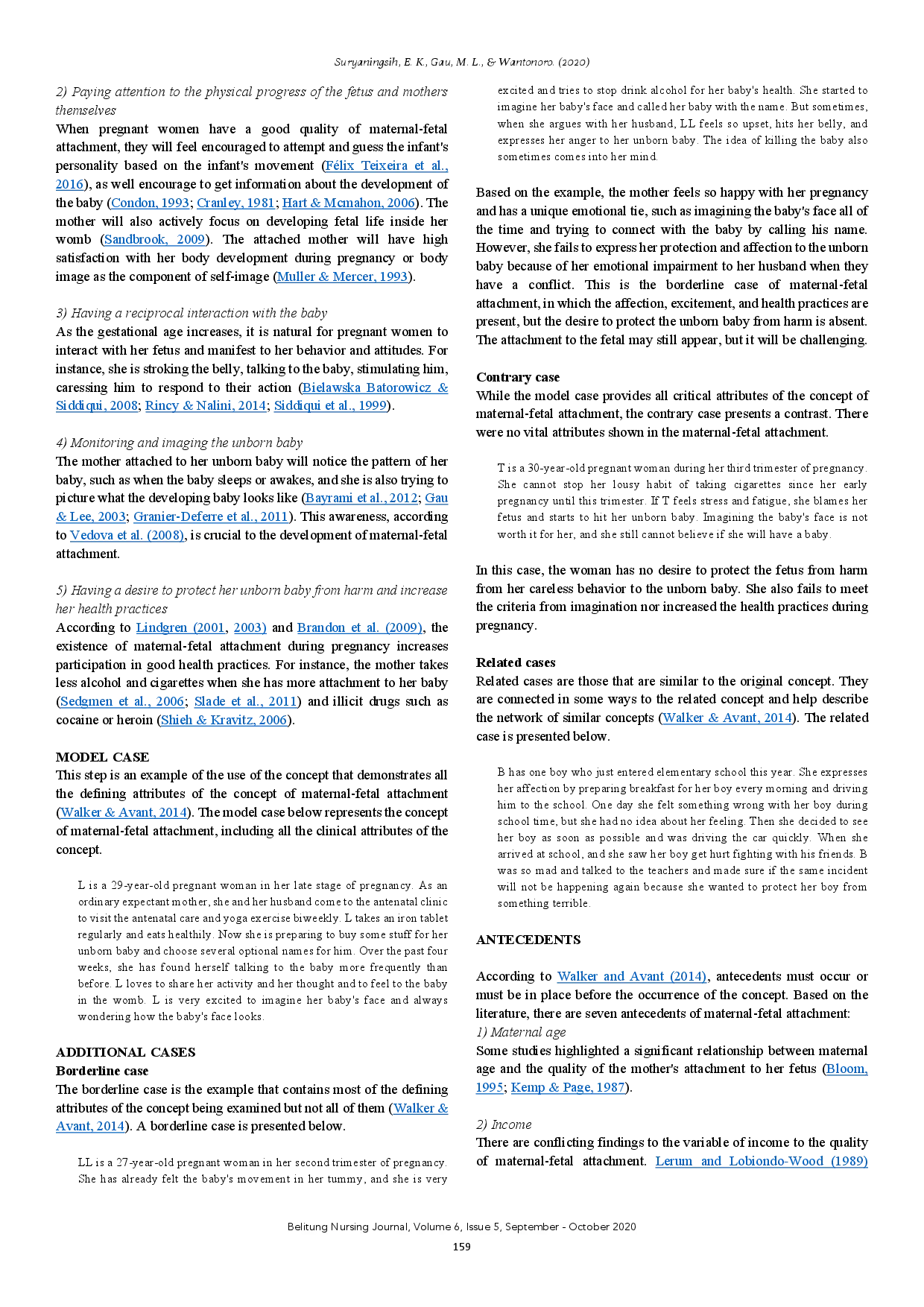
BELITUNG RAYABELITUNG RAYA Simpulan: Analisis konsep ini memberikan wawasan baru tentang konsep keterikatan maternal-fetal yang digunakan untuk perawat dan bidan dalam praktiknya.Simpulan: Analisis konsep ini memberikan wawasan baru tentang konsep keterikatan maternal-fetal yang digunakan untuk perawat dan bidan dalam praktiknya.

BELITUNG RAYABELITUNG RAYA Hasil: Hasil penelitian menunjukkan adanya perbedaan signifikan pada rerata nilai intensitas nyeri (p = 0,000) dan kadar beta-endorfin (p = 0,023) antaraHasil: Hasil penelitian menunjukkan adanya perbedaan signifikan pada rerata nilai intensitas nyeri (p = 0,000) dan kadar beta-endorfin (p = 0,023) antara
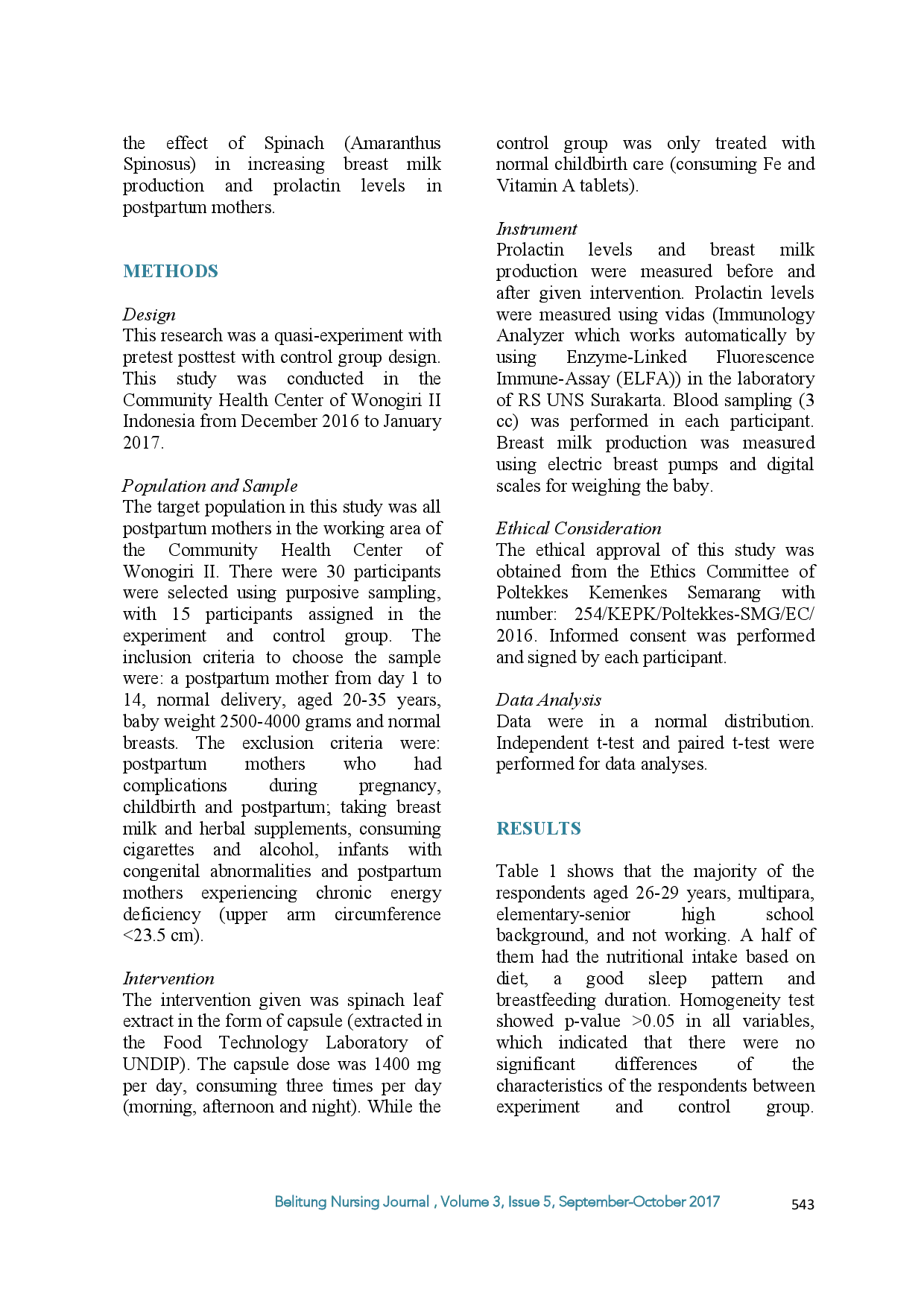
BELITUNG RAYABELITUNG RAYA Terdapat 30 peserta yang dipilih menggunakan purposive sampling, dengan 15 peserta pada kelompok eksperimen dan 15 peserta pada kelompok kontrol. DataTerdapat 30 peserta yang dipilih menggunakan purposive sampling, dengan 15 peserta pada kelompok eksperimen dan 15 peserta pada kelompok kontrol. Data
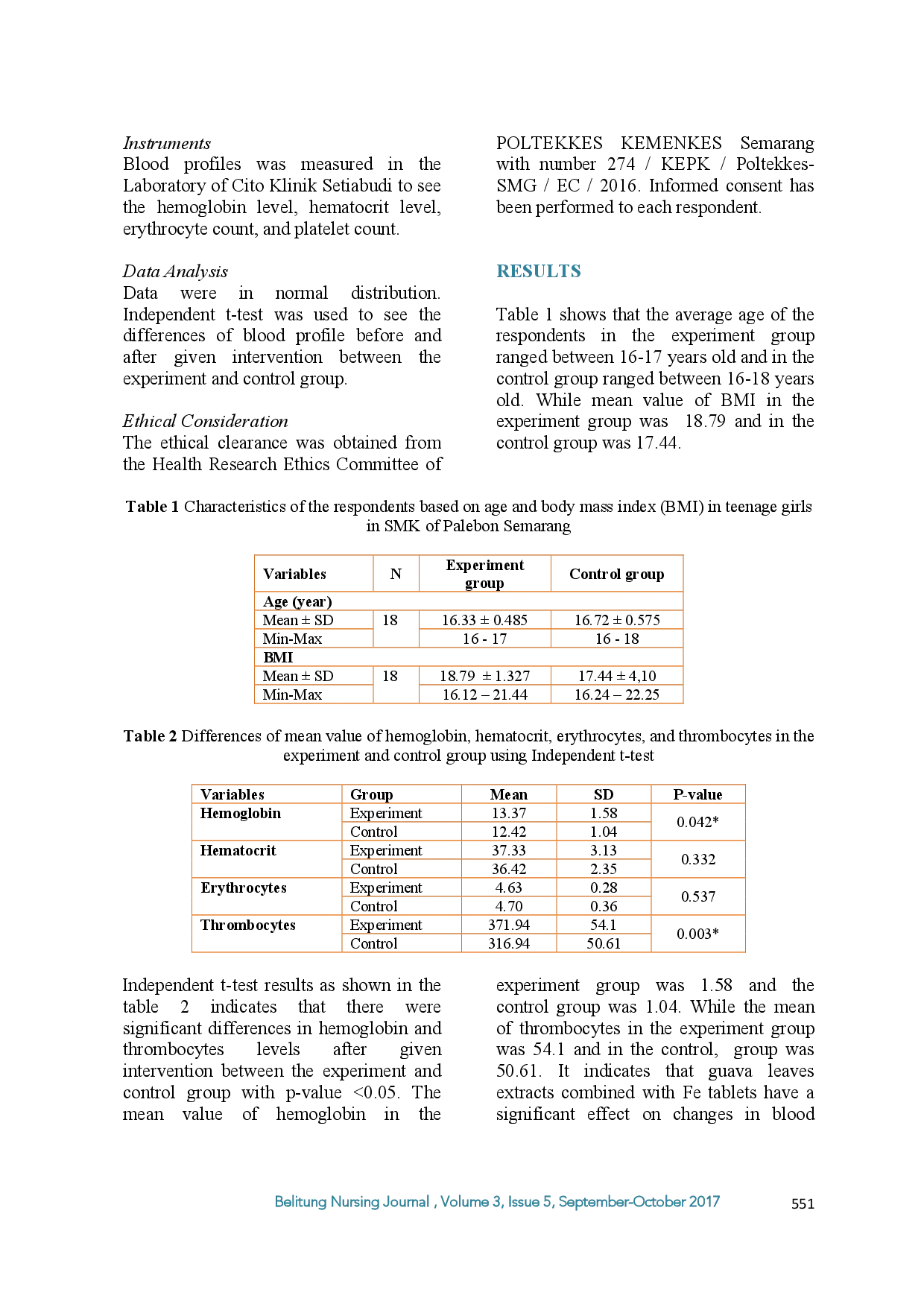
BELITUNG RAYABELITUNG RAYA Metode: Penelitian ini merupakan kuasi-eksperimen dengan desain kelompok kontrol pretest-posttest. Penelitian ini dilaksanakan di SMK Palebon Semarang,Metode: Penelitian ini merupakan kuasi-eksperimen dengan desain kelompok kontrol pretest-posttest. Penelitian ini dilaksanakan di SMK Palebon Semarang,

BELITUNG RAYABELITUNG RAYA Tujuan: Penelitian ini bertujuan untuk mengeksplorasi perspektif pendidik perawat dan instruktur klinis mengenai efektivitas proses pembelajaran IMCI padaTujuan: Penelitian ini bertujuan untuk mengeksplorasi perspektif pendidik perawat dan instruktur klinis mengenai efektivitas proses pembelajaran IMCI pada
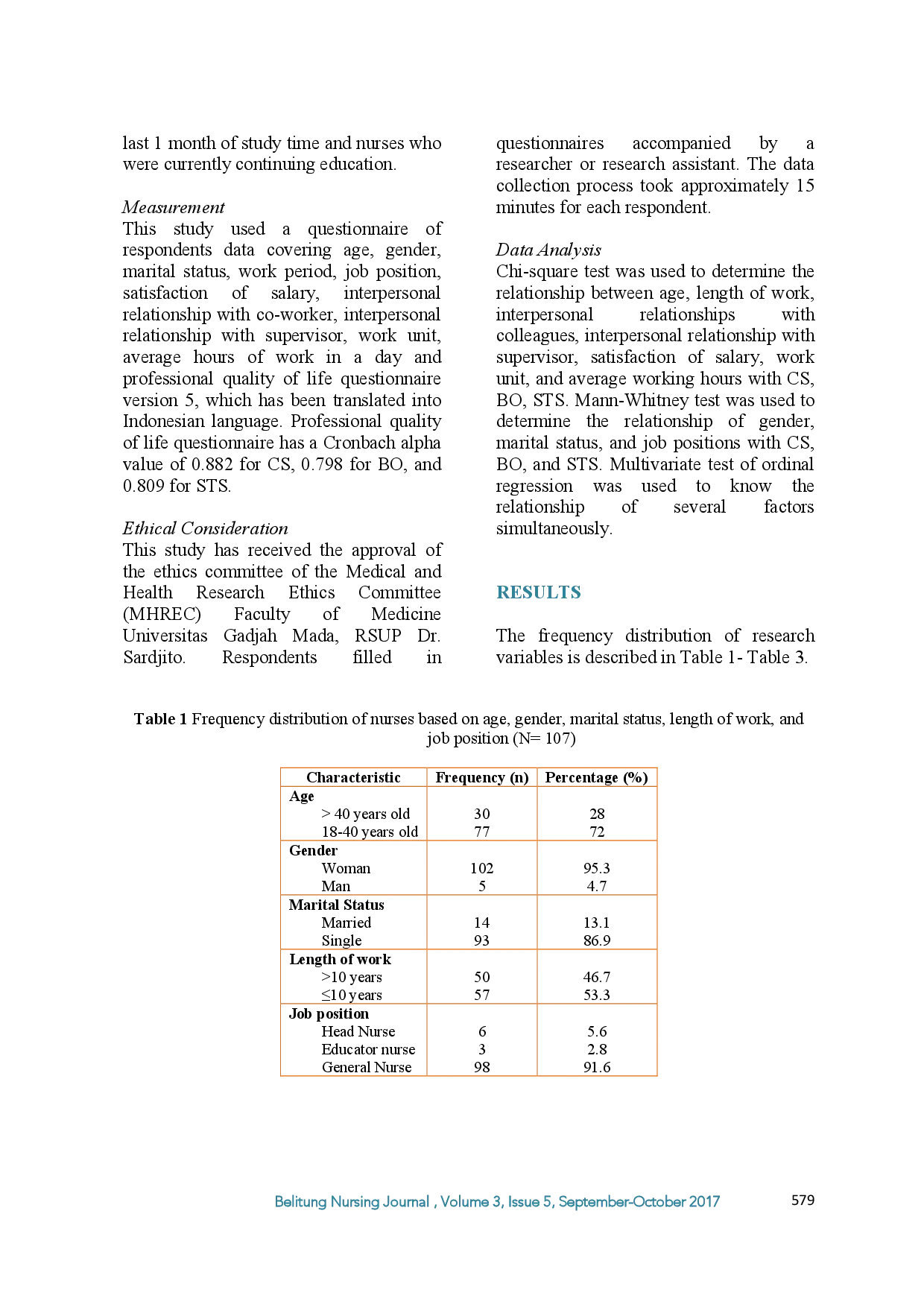
BELITUNG RAYABELITUNG RAYA Sardjito Yogyakarta, Indonesia. Teknik pengambilan sampel menggunakan sampling acak proporsional. Data dikumpulkan dari Februari-Maret 2017 menggunakanSardjito Yogyakarta, Indonesia. Teknik pengambilan sampel menggunakan sampling acak proporsional. Data dikumpulkan dari Februari-Maret 2017 menggunakan
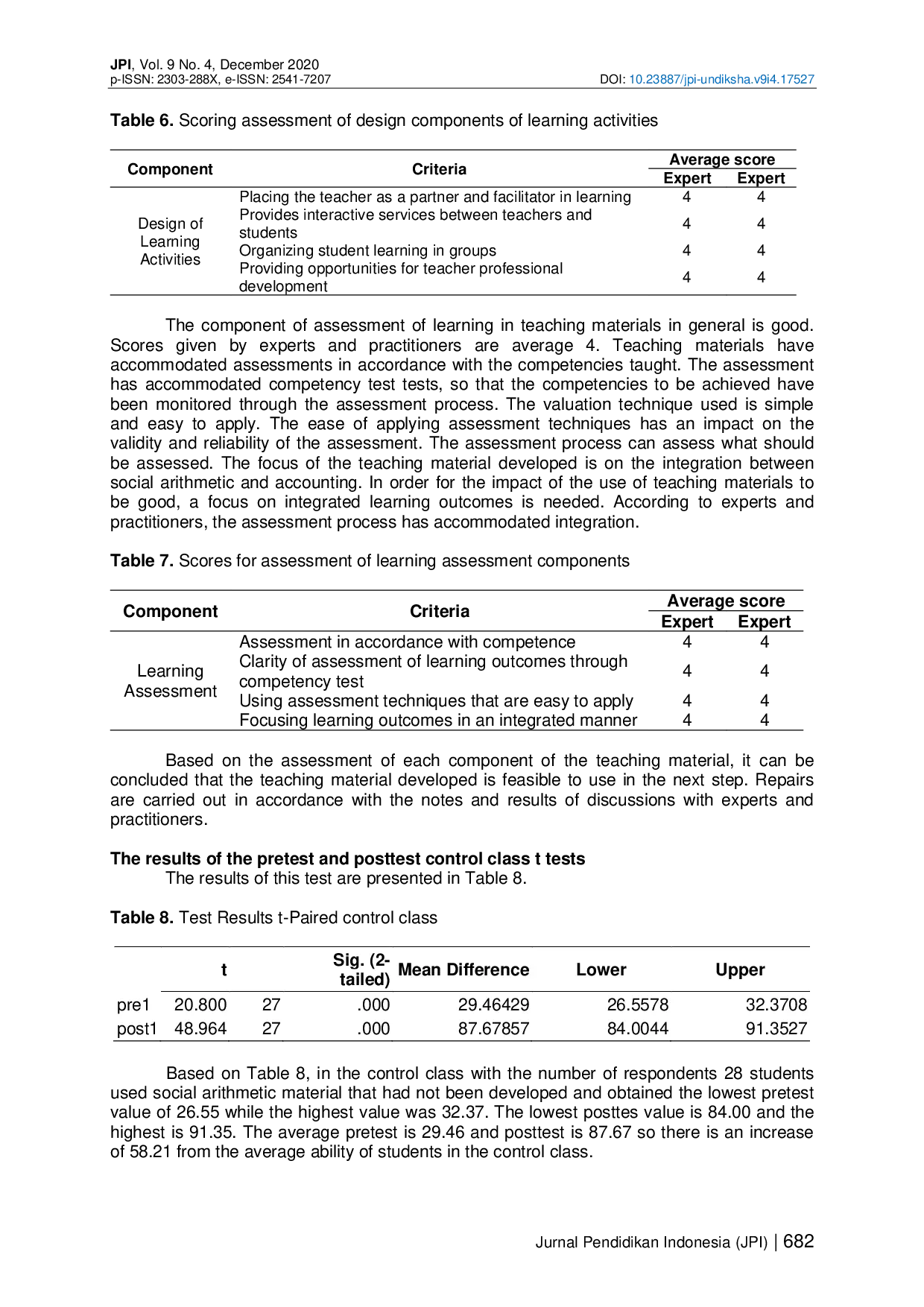
UNDIKSHAUNDIKSHA Hasil penelitian menunjukkan bahwa bahan ajar yang dikembangkan layak dan efektif digunakan dalam pembelajaran terintegrasi aritmatika sosial dan akuntansi.Hasil penelitian menunjukkan bahwa bahan ajar yang dikembangkan layak dan efektif digunakan dalam pembelajaran terintegrasi aritmatika sosial dan akuntansi.
Useful /
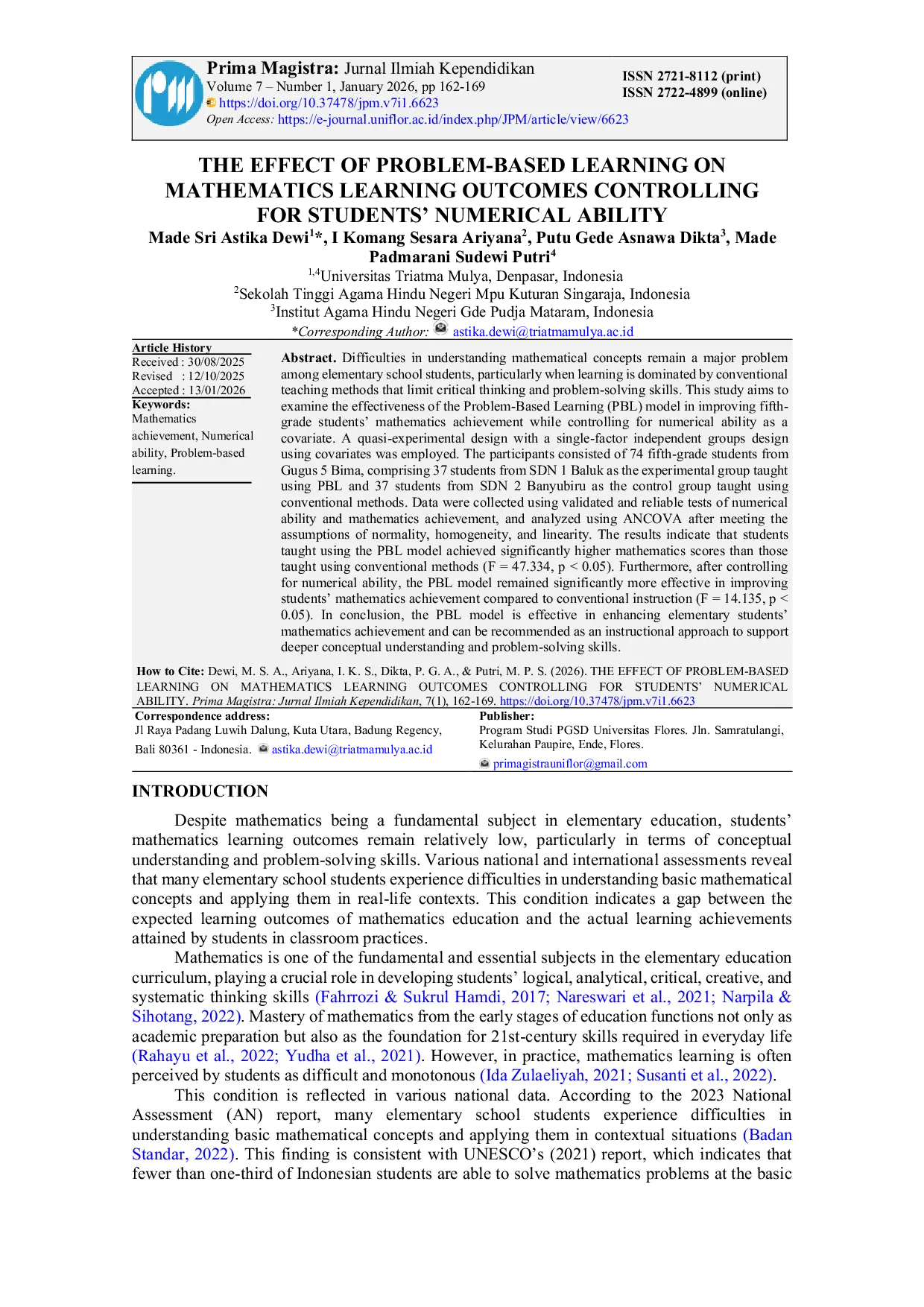
UNIFLORUNIFLOR Selanjutnya, setelah mengontrol kemampuan numerik, model PBL tetap lebih efektif dalam meningkatkan prestasi belajar matematika siswa dibandingkan instruksiSelanjutnya, setelah mengontrol kemampuan numerik, model PBL tetap lebih efektif dalam meningkatkan prestasi belajar matematika siswa dibandingkan instruksi

IAIN GORONTALOIAIN GORONTALO Data dikumpulkan dari lembar observasi, wawancara semi-terstruktur, dan dokumentasi. Data kemudian dianalisis melalui tahapan reduksi data, penyajian data,Data dikumpulkan dari lembar observasi, wawancara semi-terstruktur, dan dokumentasi. Data kemudian dianalisis melalui tahapan reduksi data, penyajian data,

IAIN GORONTALOIAIN GORONTALO Hal ini dapat dilihat dari hasil analisis data observasi pra-aksi di mana siswa yang memenuhi kriteria kelengkapan minimum (KKM) adalah 55,1%. KemudianHal ini dapat dilihat dari hasil analisis data observasi pra-aksi di mana siswa yang memenuhi kriteria kelengkapan minimum (KKM) adalah 55,1%. Kemudian

IAIN GORONTALOIAIN GORONTALO Hasil menunjukkan korelasi kuat (0,611) antara kecerdasan linguistik dan keberhasilan akademik bahasa Inggris, dengan R Square 0,373 yang berarti pengaruhHasil menunjukkan korelasi kuat (0,611) antara kecerdasan linguistik dan keberhasilan akademik bahasa Inggris, dengan R Square 0,373 yang berarti pengaruh