KURASINSTITUTEKURASINSTITUTE
Berkala Ilmiah PendidikanBerkala Ilmiah PendidikanThe rapid digital transformation has significantly reshaped education, communication, and religious practices, including the landscape of formal Islamic education. Traditional dawah methods, such as mosque-based preaching, are increasingly supplanted by digital platforms like social media and podcasts, necessitating innovative approaches to engage Millennials (born 1981-1996) and Generation Z (born 1997-2012). This study maps trends in the integration of dawah values and digital literacy within Yogyakartas Islamic education system from 2020 to 2024 through a bibliometric analysis guided by the PRISMA protocol. From an initial pool of 150 articles retrieved from Scopus, SINTA, and Google Scholar, 68 were included following rigorous screening and eligibility assessment. Findings indicate a publication surge in 2022, reflecting accelerated post-pandemic digital adoption. TikTok and Instagram emerged as the dominant platforms for digital dawah (featured in 65% of studies), displacing conventional preaching methods. While many madrasahs have begun integrating digital literacy into curricula, 45% still lack technical implementation guidelines, and only 30% of studies discuss educator training initiatives. Bibliometric mapping highlights strong thematic linkages between “digital dawah, “Islamic education transformation, and “social media, signalling a pedagogical paradigm shift. However, the scarcity of evaluative studies (only 8%) reveals a critical need for field-based research to assess the effectiveness of these digital strategies. This study offers a systematic literature foundation to inform curriculum design and advocates for collaborative policymaking among educators, scholars, and government bodies to advance digitally responsive Islamic education.
This study finds that the integration of dawah values and digital literacy has become a central theme in Islamic education research in Yogyakarta from 2020 to 2024, marking a shift from traditional to digital approaches.Bibliometric analysis of 68 articles shows that digital dawah is now a key strategy for Islamic character education, with values like honesty and piety delivered through videos, social media, and podcasts aimed at younger generations.However, this integration remains uneven, limited by gaps in curriculum, infrastructure, and teacher capacity, with few studies evaluating its effectiveness.
Future research should focus on developing an integrated curriculum that combines Islamic values with digital literacy, providing a pedagogical framework for shaping students religious character in the digital age. Furthermore, teacher training programs must be reoriented to emphasize the use of digital media for dawah, equipping educators to act as moral exemplars in online spaces. Finally, field-based, evaluative studies are needed to assess the impact and effectiveness of these digital education strategies, fostering collaboration between researchers, practitioners, and policymakers to create scalable and contextually responsive programs. These efforts will ensure that Islamic education not only embraces technological advancements but also remains grounded in its core values, preparing students to be both digitally competent and morally responsible citizens. Such research will also help to address the current gap in understanding how to effectively evaluate the long-term outcomes of digital dawah initiatives, providing evidence-based insights for policy development and curriculum refinement. This holistic approach will contribute to a more robust and sustainable integration of digital technologies within the framework of Islamic education.
- Full article: Digital literacy and informal learning environments: an introduction. full article digital... tandfonline.com/doi/full/10.1080/17439884.2013.783597Full article Digital literacy and informal learning environments an introduction full article digital tandfonline doi full 10 1080 17439884 2013 783597
- Full article: Virtual Madrasas: Digital Governmentality and the Shaping of Islamic Subjectivity in Pakistan.... doi.org/10.1080/15348423.2025.2468455Full article Virtual Madrasas Digital Governmentality and the Shaping of Islamic Subjectivity in Pakistan doi 10 1080 15348423 2025 2468455
- Critical Issues in Islamic Education Studies: Rethinking Islamic and Western Liberal Secular Values of... doi.org/10.3390/rel9110335Critical Issues in Islamic Education Studies Rethinking Islamic and Western Liberal Secular Values of doi 10 3390 rel9110335
- STRATEGI PENDIDIKAN ISLAM DI ERA DIGITAL | NURYADIN | FITRAH: Jurnal Kajian Ilmu-ilmu Keislaman. strategi... doi.org/10.24952/fitrah.v3i1.637STRATEGI PENDIDIKAN ISLAM DI ERA DIGITAL NURYADIN FITRAH Jurnal Kajian Ilmu ilmu Keislaman strategi doi 10 24952 fitrah v3i1 637
| File size | 371.88 KB |
| Pages | 14 |
| DMCA | Report |
Related /

UNUGHAUNUGHA Artikel ini bertujuan untuk menganalisis penerapan dan dampak kecerdasan buatan (AI) di sekolah dasar melalui tinjauan literatur. Studi ini mengikuti empatArtikel ini bertujuan untuk menganalisis penerapan dan dampak kecerdasan buatan (AI) di sekolah dasar melalui tinjauan literatur. Studi ini mengikuti empat

ICJAMBIICJAMBI Namun, tantangan utama tetap berupa masalah legalitas, termasuk akta kelahiran, KTP, dan dokumen perkawinan, yang diatasi secara langsung oleh pendiriNamun, tantangan utama tetap berupa masalah legalitas, termasuk akta kelahiran, KTP, dan dokumen perkawinan, yang diatasi secara langsung oleh pendiri

UNIRAYAUNIRAYA Artikel ini merekomendasikan pentingnya keberlanjutan program serupa serta kolaborasi multi-pihak untuk peningkatan literasi digital secara menyeluruhArtikel ini merekomendasikan pentingnya keberlanjutan program serupa serta kolaborasi multi-pihak untuk peningkatan literasi digital secara menyeluruh

ENDLESS JOURNALENDLESS JOURNAL While offering a conceptual contribution to contemporary Islamic environmental education, the study remains limited by the absence of empirical validation,While offering a conceptual contribution to contemporary Islamic environmental education, the study remains limited by the absence of empirical validation,

IJNMSIJNMS Setelah Latihan Tiup Balon (post-test), rata-rata PEF meningkat menjadi 103,53 lpm dengan standar deviasi 28,565, menunjukkan bahwa data post-test jugaSetelah Latihan Tiup Balon (post-test), rata-rata PEF meningkat menjadi 103,53 lpm dengan standar deviasi 28,565, menunjukkan bahwa data post-test juga

UMMUBAUMMUBA Guru menyiapkan kegiatan yang mendorong penerapan nilai gotong royong, toleransi, empati, keadilan, serta kepedulian lingkungan melalui pendekatan teoritisGuru menyiapkan kegiatan yang mendorong penerapan nilai gotong royong, toleransi, empati, keadilan, serta kepedulian lingkungan melalui pendekatan teoritis

UMPUMP Hal ini menunjukkan bahwa wanita hamil di lingkungan ini memiliki kesadaran dan pemahaman yang memadai tentang preeklampsia, termasuk risiko dan langkah-langkahHal ini menunjukkan bahwa wanita hamil di lingkungan ini memiliki kesadaran dan pemahaman yang memadai tentang preeklampsia, termasuk risiko dan langkah-langkah

CASCAS Antonio Gramscis theory of domination was applied to understand how al-Singkili>, through his fatwas, and Sultanah Safiatuddin, as the first female leader,Antonio Gramscis theory of domination was applied to understand how al-Singkili>, through his fatwas, and Sultanah Safiatuddin, as the first female leader,
Useful /

UNIRAYAUNIRAYA Hasil kegiatan menunjukkan peningkatan partisipasi masyarakat, perubahan perilaku awal dalam pemilahan dan pengelolaan sampah, penghijauan area publik,Hasil kegiatan menunjukkan peningkatan partisipasi masyarakat, perubahan perilaku awal dalam pemilahan dan pengelolaan sampah, penghijauan area publik,

UNIRAYAUNIRAYA Hasilnya menunjukkan peningkatan pemahaman siswa terhadap nilai empati, tanggung jawab, dan kerjasama. Kegiatan ini juga mempererat hubungan antara sekolahHasilnya menunjukkan peningkatan pemahaman siswa terhadap nilai empati, tanggung jawab, dan kerjasama. Kegiatan ini juga mempererat hubungan antara sekolah

SERAMBISERAMBI Budaya organisasi sangat penting dalam suatu institusi untuk membentuk sikap, nilai, dan pola perilaku anggota, sehingga seluruh anggota dapat bekerjaBudaya organisasi sangat penting dalam suatu institusi untuk membentuk sikap, nilai, dan pola perilaku anggota, sehingga seluruh anggota dapat bekerja
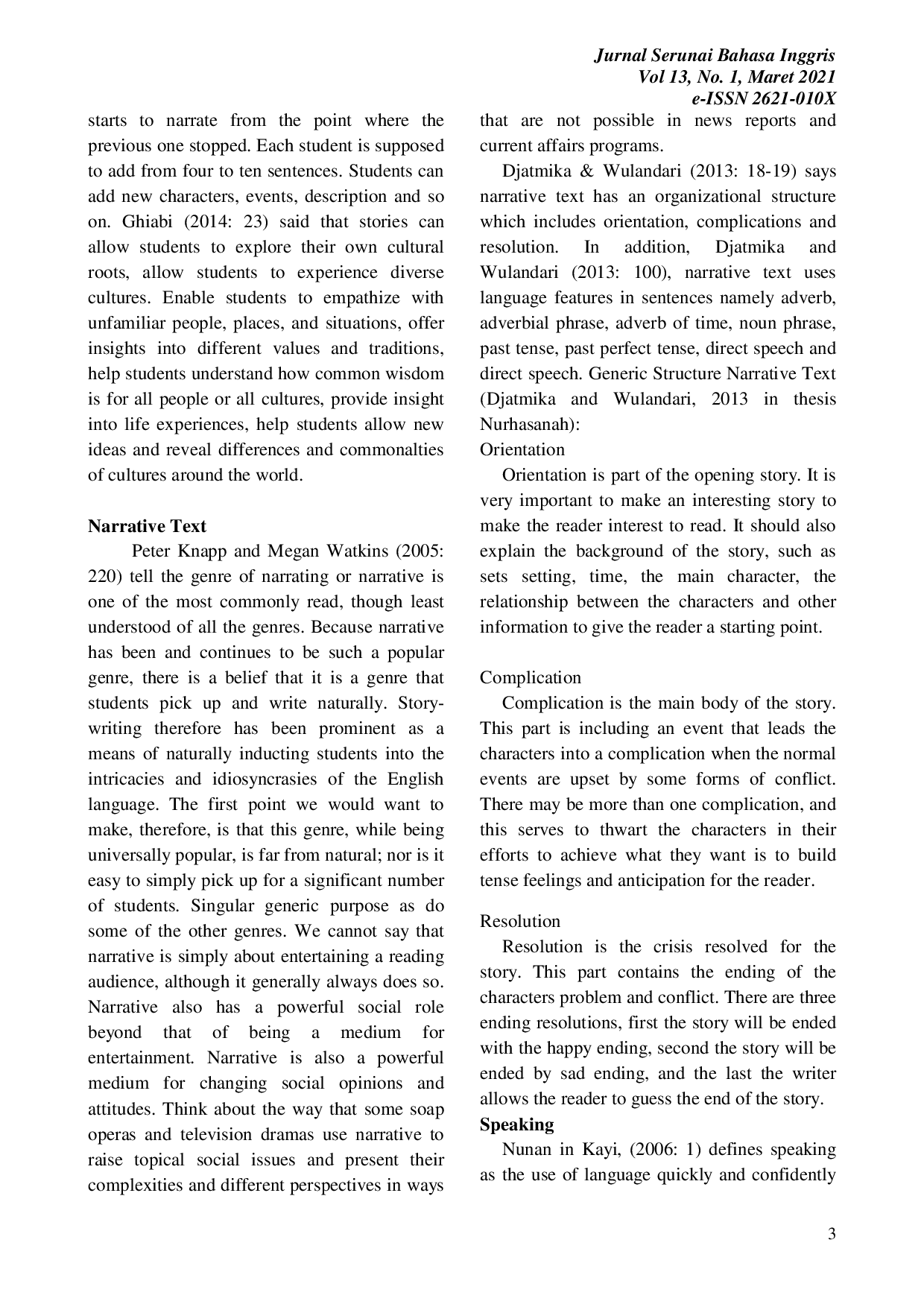
STKIP BUDIDAYASTKIP BUDIDAYA Penelitian ini menggunakan teks naratif dengan tes lisan. Jenis penelitian ini adalah penelitian eksperimental. Populasi penelitian ini adalah siswa kelasPenelitian ini menggunakan teks naratif dengan tes lisan. Jenis penelitian ini adalah penelitian eksperimental. Populasi penelitian ini adalah siswa kelas