UTPUTP
Counsenesia Indonesian Journal Of Guidance and CounselingCounsenesia Indonesian Journal Of Guidance and CounselingSelf-harm behavior has become a significant mental health problem among adolescents. This study aimed to examine the relationship between peer conformity and self-harm tendencies in school students. A descriptive correlational quantitative research method was used involving 234 tenth and eleventh grade students. Data were collected using a peer conformity scale and a self-harm scale that had been tested for validity and reliability. Non-parametric correlation analysis showed a negative relationship between the two variables. Students who self-harmed less tended to have higher levels of conformity. This finding indicates that peer conformity can be a protective factor against self-harm behavior. However, excessive conformity can also have a negative impact if group norms are unhealthy. Further research is recommended to investigate the influence of peer pressure on self-harm and develop more comprehensive interventions to prevent this behavior.
The study concluded that there is a relationship between peer conformity and the tendency of self-harm in students.Respondents peer conformity conditions were high, while self-harm tendencies were low.The higher the peer conformity, the lower the tendency of self-harm in students.A balance between healthy conformity for individual identity and emotional well-being is crucial in reducing self-harm tendencies.
Future research should investigate the influence of peer pressure on self-harm behavior, expanding on the current studys findings. Additionally, studies could explore the role of school-based interventions designed to promote healthy conformity and resilience in preventing self-harm, considering the potential for both protective and detrimental effects of conformity. Finally, research is needed to examine the interplay between peer conformity, individual coping mechanisms, and access to mental health support services, to develop more targeted and effective prevention strategies for vulnerable students. These investigations should aim to understand how to foster positive peer influences and equip students with the skills to navigate social pressures without resorting to self-harm, ultimately contributing to a more supportive and mentally healthy school environment.
- Fenomena Mahasiswa Pelaku Self Harm di Kota Pekanbaru | Jurnal Pendidikan Tambusai. fenomena mahasiswa... doi.org/10.31004/jptam.v6i3.4820Fenomena Mahasiswa Pelaku Self Harm di Kota Pekanbaru Jurnal Pendidikan Tambusai fenomena mahasiswa doi 10 31004 jptam v6i3 4820
- Journal UC. journal uc ac verifying human take few seconds journal.uc.ac.id/index.php/psy/article/view/3461Journal UC journal uc ac verifying human take few seconds journal uc ac index php psy article view 3461
- HUBUNGAN ANTARA KONFORMITAS TEMAN SEBAYA DENGAN PERILAKU DUGEM PADA MAHASISWA UNIVERSITAS ISLAM SULTAN... jurnal.unissula.ac.id/index.php/proyeksi/article/view/11190HUBUNGAN ANTARA KONFORMITAS TEMAN SEBAYA DENGAN PERILAKU DUGEM PADA MAHASISWA UNIVERSITAS ISLAM SULTAN jurnal unissula ac index php proyeksi article view 11190
- Teknik “Get Out”, “Let It Out”, dan “Think It Out”: Intervensi regulasi... doi.org/10.22219/procedia.v12i2.32737Teknik AuGet OutAy AuLet It OutAy dan AuThink It OutAy Intervensi regulasi doi 10 22219 procedia v12i2 32737
| File size | 346.3 KB |
| Pages | 11 |
| DMCA | Report |
Related /
IJNMSIJNMS Perubahan hormonal, penambahan berat badan, dan adaptasi biomekanik tubuh menjadi faktor utama penyebab keluhan ini. Dampaknya tidak hanya rasa nyeri,Perubahan hormonal, penambahan berat badan, dan adaptasi biomekanik tubuh menjadi faktor utama penyebab keluhan ini. Dampaknya tidak hanya rasa nyeri,

IJNMSIJNMS Masa usia emas merupakan periode pertumbuhan anak yang terjadi awal dalam kehidupan mereka. Selama masa ini, pertumbuhan dan perkembangan anak terjadiMasa usia emas merupakan periode pertumbuhan anak yang terjadi awal dalam kehidupan mereka. Selama masa ini, pertumbuhan dan perkembangan anak terjadi

IJNMSIJNMS Prevalensi spesifik usia tertinggi terjadi pada anak-anak berusia 6–11 tahun (6,45%). Parotitis unilateral menyumbang 71,1% dari kasus. Gejala umum termasukPrevalensi spesifik usia tertinggi terjadi pada anak-anak berusia 6–11 tahun (6,45%). Parotitis unilateral menyumbang 71,1% dari kasus. Gejala umum termasuk

IJNMSIJNMS Meskipun memiliki manfaat potensial, terapi non-farmakologis belum banyak dipilih. Penelitian ini bertujuan untuk menentukan efektivitas pemberian bijiMeskipun memiliki manfaat potensial, terapi non-farmakologis belum banyak dipilih. Penelitian ini bertujuan untuk menentukan efektivitas pemberian biji

IJNMSIJNMS Terdapat hubungan antara motivasi pasien dan penggunaan Posyandu Jiwa dengan p-value = 0,002 (p < 0,05). Faktor yang paling berkaitan erat dengan penggunaanTerdapat hubungan antara motivasi pasien dan penggunaan Posyandu Jiwa dengan p-value = 0,002 (p < 0,05). Faktor yang paling berkaitan erat dengan penggunaan

ARIKESIARIKESI Hasil dari pelatihan ini diharapkan dapat memperkuat ketahanan dan kesiapan masyarakat dalam menghadapi keadaan darurat kesehatan di Medan dan wilayahHasil dari pelatihan ini diharapkan dapat memperkuat ketahanan dan kesiapan masyarakat dalam menghadapi keadaan darurat kesehatan di Medan dan wilayah

GOMITGOMIT Penuaan berkontribusi terhadap penurunan fungsi dan peningkatan distress psikologis yang memengaruhi kualitas hidup lansia. WHO merekomendasikan penggunaanPenuaan berkontribusi terhadap penurunan fungsi dan peningkatan distress psikologis yang memengaruhi kualitas hidup lansia. WHO merekomendasikan penggunaan
GOMITGOMIT Bagi yang terdeteksi, tidak semuanya ditangani secara tepat waktu dan memadai. Di salah satu provinsi di Indonesia, yaitu Lampung, masih banyak wanitaBagi yang terdeteksi, tidak semuanya ditangani secara tepat waktu dan memadai. Di salah satu provinsi di Indonesia, yaitu Lampung, masih banyak wanita
Useful /
GOMITGOMIT Penelitian pendahuluan yang dilakukan pada PMB Bidan Wike A pada bulan Juni 2023 mengungkap hasil perkembangan anak menggunakan Kuesioner Pra‑SkriningPenelitian pendahuluan yang dilakukan pada PMB Bidan Wike A pada bulan Juni 2023 mengungkap hasil perkembangan anak menggunakan Kuesioner Pra‑Skrining
KEMENDAGRIKEMENDAGRI Implementasi kebijakan pembangunan Kawasan Warisan Kayutangan di Kota Malang menunjukkan hasil yang signifikan dalam mentransformasi area tersebut, baikImplementasi kebijakan pembangunan Kawasan Warisan Kayutangan di Kota Malang menunjukkan hasil yang signifikan dalam mentransformasi area tersebut, baik

KEMENDAGRIKEMENDAGRI Peneliti menyebarkan kuesioner kepada 384 responden yang menggunakan layanan Nomor Identitas Badan (NIB), kemudian melakukan wawancara dengan sejumlahPeneliti menyebarkan kuesioner kepada 384 responden yang menggunakan layanan Nomor Identitas Badan (NIB), kemudian melakukan wawancara dengan sejumlah
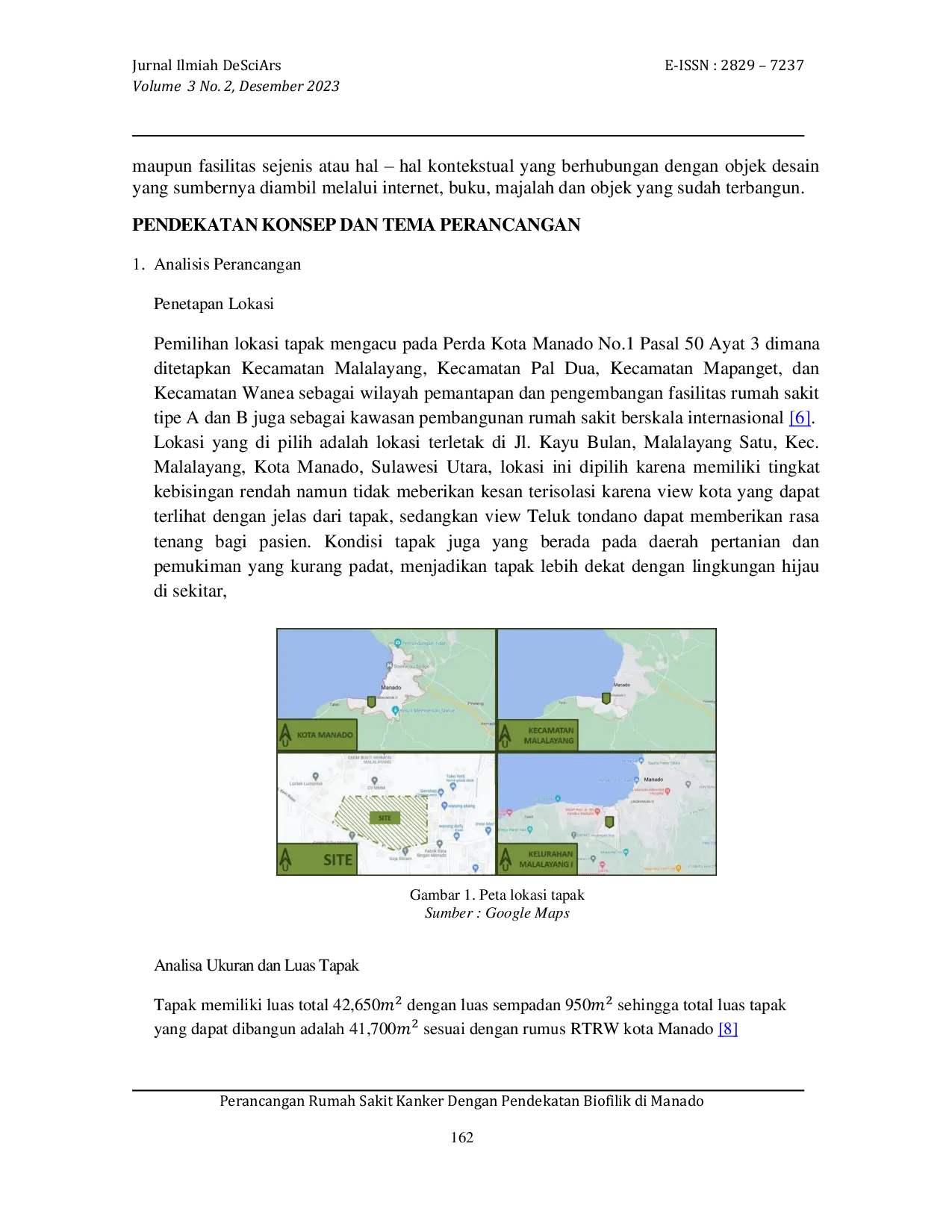
UNIMAUNIMA Adapun data yang dikumpulkan pada perancangan ini didapatkan melalui survei, observasi, studi komperasi, dan studi literatur dimana data ini mengacu padaAdapun data yang dikumpulkan pada perancangan ini didapatkan melalui survei, observasi, studi komperasi, dan studi literatur dimana data ini mengacu pada