ITBMITBM
Jurnal Riset Diwa Bahari (JRDB)Jurnal Riset Diwa Bahari (JRDB)This study aims to analyze and identify strategies for optimizing salt ponds through the application of modern technology and sustainable management in the coastal areas of Pangkep Regency, especially in Bontomanai Village. The method used in the study is a mixture, or mixed methods with a descriptive analytical approach that aims to describe and analyze the existing conditions of salt ponds and factors that affect the productivity and quality of salt in the field. Data collection techniques used are observation, interviews and questionnaires consisting of two data sources, namely primary and secondary data sources. Meanwhile, the data analysis technique used is descriptive analysis, namely data reduction, data presentation, and drawing conclusions, as well as SWOT analysis. The results of the study indicate that optimizing salt ponds in Bontomanai Village requires an approach that considers local conditions and the potential of available resources. Traditional salt ponds still rely on hereditary methods, but face limitations in efficiency and dependence on the weather. Meanwhile, the application of modern technology has been shown to increase salt productivity and quality, despite facing challenges such as high investment costs and training needs for farmers. Therefore, an approach that combines traditional and modern methods is a more sustainable solution. Integration of technology in certain aspects can increase production efficiency without completely abandoning traditional methods that are more cost-effective and environmentally friendly. With this strategy, optimization of salt ponds can be carried out gradually, improving the welfare of farmers, and strengthening the competitiveness of the salt industry in the area.
Penelitian ini menyimpulkan bahwa optimalisasi tambak garam di Desa Bontomanai memerlukan pendekatan yang mempertimbangkan kondisi lokal dan potensi sumber daya yang tersedia.Tambak garam tradisional masih mengandalkan metode turun-temurun, namun menghadapi keterbatasan efisiensi dan ketergantungan pada cuaca.Penerapan teknologi modern terbukti meningkatkan produktivitas dan kualitas garam, meskipun menghadapi tantangan biaya investasi tinggi dan kebutuhan pelatihan bagi petani.
Berdasarkan hasil penelitian, beberapa saran penelitian lanjutan yang dapat dilakukan adalah mengkaji lebih lanjut mengenai model kemitraan antara petambak garam tradisional dengan investor untuk memfasilitasi adopsi teknologi modern tanpa menghilangkan kearifan lokal. Selain itu, perlu dilakukan penelitian mendalam mengenai dampak sosial dan ekonomi dari modernisasi tambak garam terhadap kesejahteraan petambak dan masyarakat sekitar, termasuk analisis mengenai perubahan mata pencaharian dan potensi konflik lahan. Terakhir, penelitian lanjutan dapat difokuskan pada pengembangan teknologi pengolahan air laut yang ramah lingkungan dan hemat energi untuk meningkatkan efisiensi produksi garam serta mengurangi dampak negatif terhadap ekosistem pesisir. Penelitian-penelitian ini diharapkan dapat memberikan kontribusi signifikan dalam upaya peningkatan produktivitas, kualitas, dan keberlanjutan industri pergaraman di Indonesia, serta meningkatkan kesejahteraan masyarakat pesisir yang bergantung pada sektor ini.
| File size | 589.78 KB |
| Pages | 10 |
| DMCA | Report |
Related /
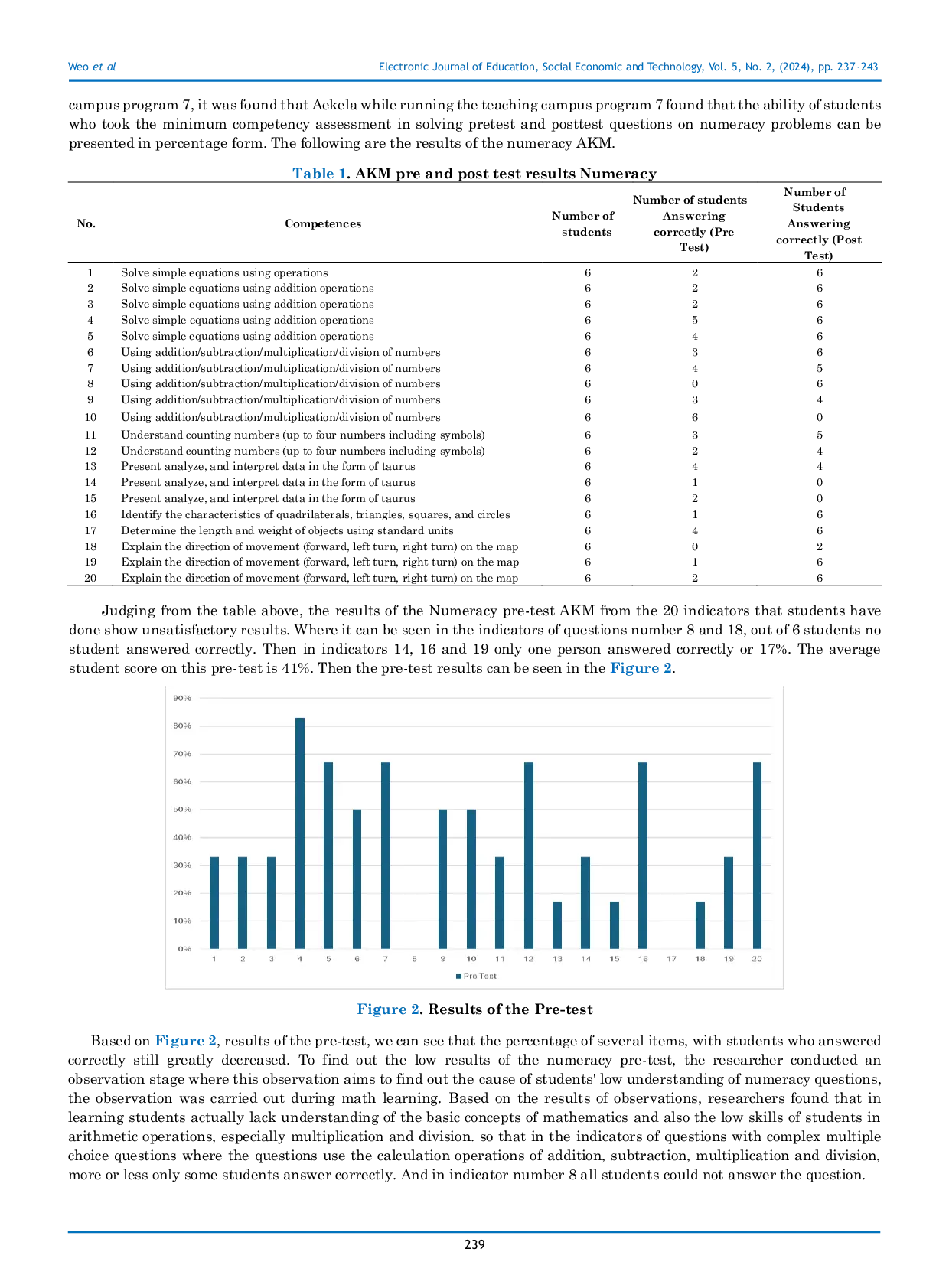
SAINTISPUBSAINTISPUB Data analysis was carried out through three stages, namely data reduction, data presentation, and conclusion drawing. Based on the results of the numeracyData analysis was carried out through three stages, namely data reduction, data presentation, and conclusion drawing. Based on the results of the numeracy

STIALANMAKASSARSTIALANMAKASSAR Medicines and CMS are selected prior to procurement planning, based on proposals from users and reference to the national formulary, while consideringMedicines and CMS are selected prior to procurement planning, based on proposals from users and reference to the national formulary, while considering

UNIDAUNIDA Efisiensi fermentasi pakan tertinggi terjadi pada jam ke-4 dan ke-8 inkubasi. Hal ini menunjukkan bahwa kombinasi nano-zeolit dan urea mampu menjaga efisiensiEfisiensi fermentasi pakan tertinggi terjadi pada jam ke-4 dan ke-8 inkubasi. Hal ini menunjukkan bahwa kombinasi nano-zeolit dan urea mampu menjaga efisiensi

UNISSULAUNISSULA Additionally, this research analyzes the supporting and inhibiting factors in the use of this media. The method employed is a descriptive qualitative approach,Additionally, this research analyzes the supporting and inhibiting factors in the use of this media. The method employed is a descriptive qualitative approach,
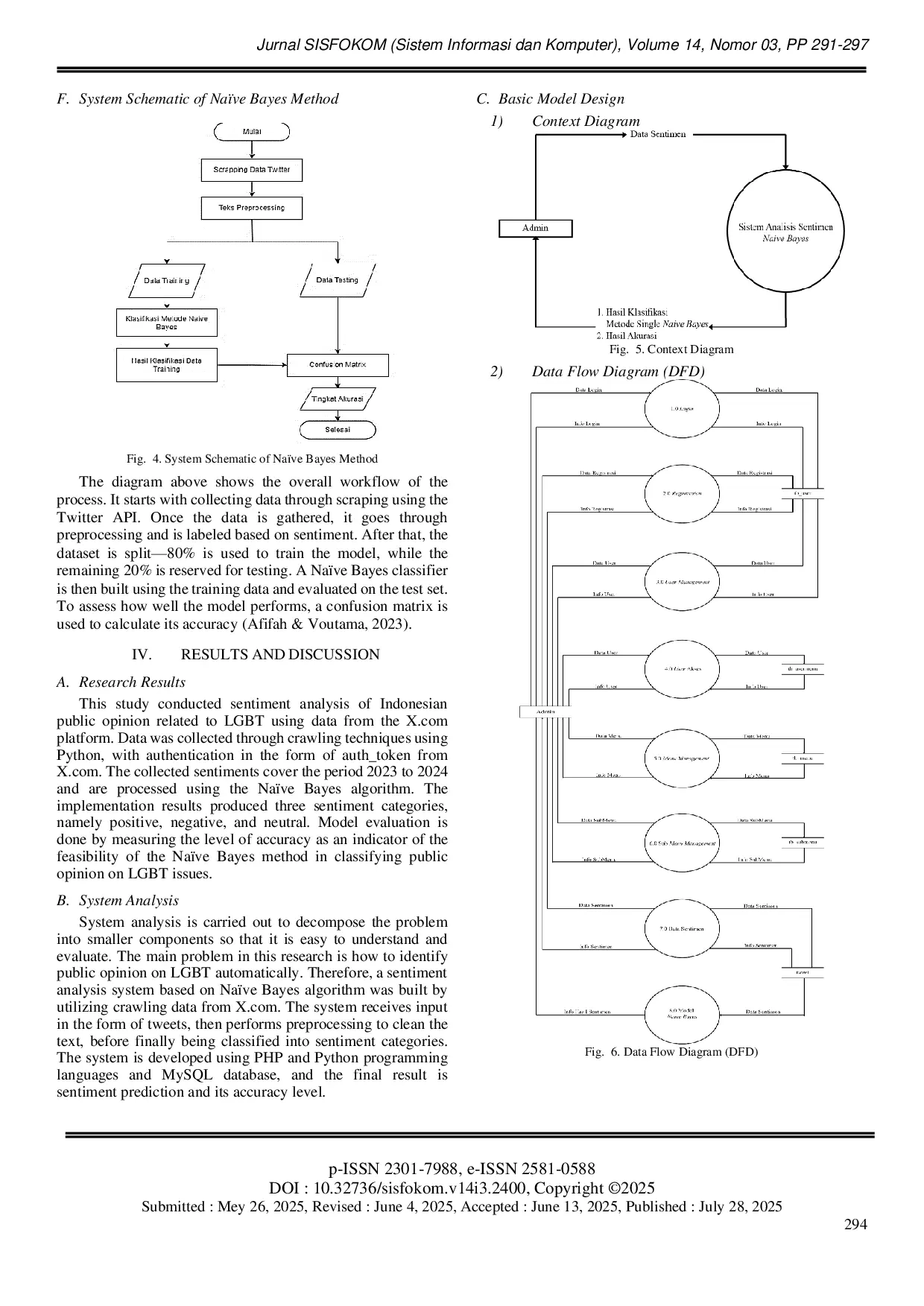
ATMALUHURATMALUHUR While the Naïve Bayes approach proved capable in sentiment classification, the models accuracy could be further enhanced through improved data preparationWhile the Naïve Bayes approach proved capable in sentiment classification, the models accuracy could be further enhanced through improved data preparation

USIUSI Populasi penelitian adalah siswa kelas VIII SMP N 4 Pematangsiantar pada tahun ajaran 2023/2024. Penulis mengambil seluruh siswa kelas VIII-10 sebagaiPopulasi penelitian adalah siswa kelas VIII SMP N 4 Pematangsiantar pada tahun ajaran 2023/2024. Penulis mengambil seluruh siswa kelas VIII-10 sebagai
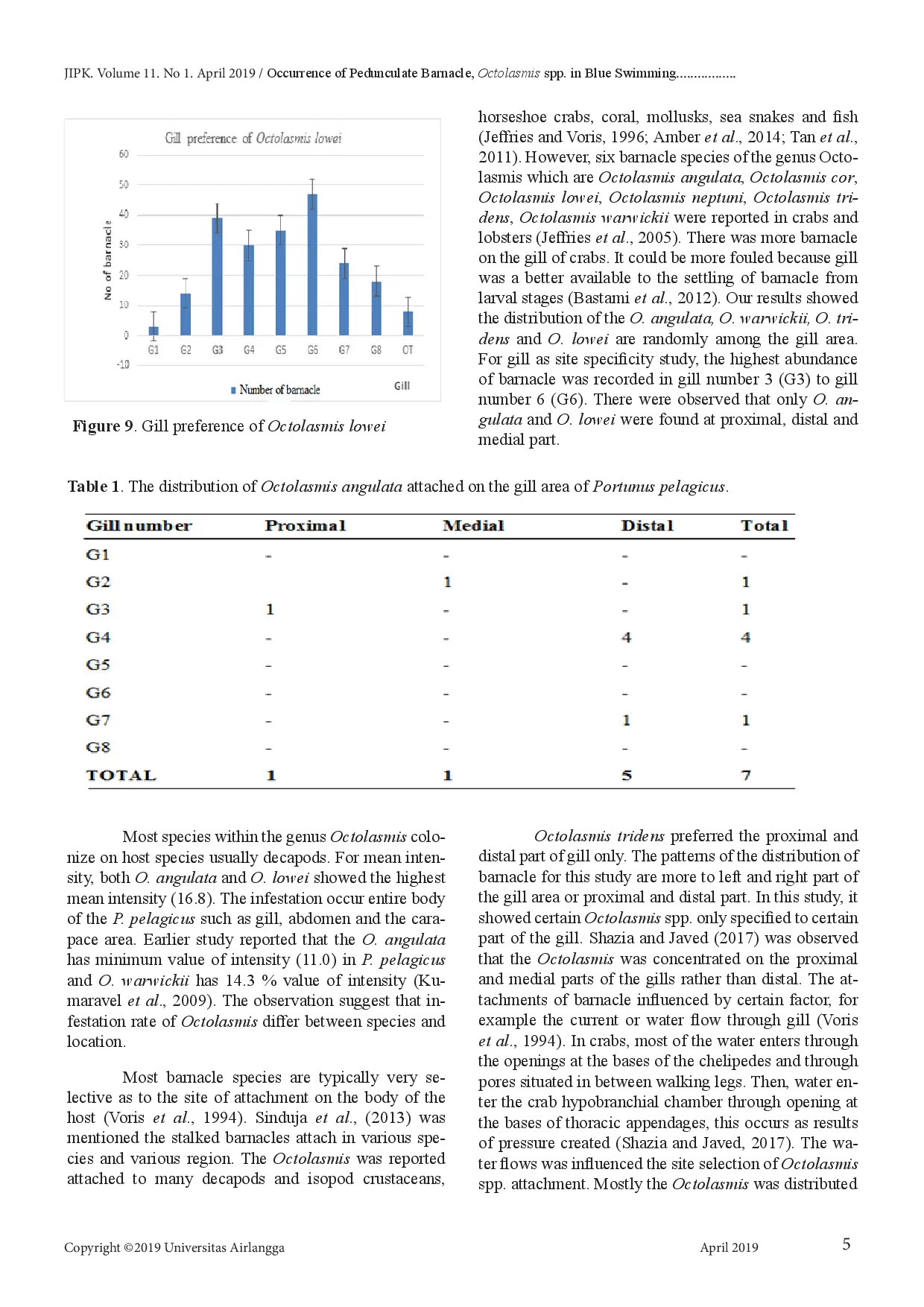
UNAIRUNAIR pada rajungan, Portunus pelagicus dari daerah pesisir Kuala Terengganu telah diteliti. Kekhasan lokasi dari berbagai spesies Octolasmis telah diperiksa.pada rajungan, Portunus pelagicus dari daerah pesisir Kuala Terengganu telah diteliti. Kekhasan lokasi dari berbagai spesies Octolasmis telah diperiksa.

UPSUPS Hal yang lazim diperoleh dalam praktek pengukuran kinerja konversi energi, dilaksanakan dengan prinsip eksperimen ringan dari pemasangan 2 unit thermometerHal yang lazim diperoleh dalam praktek pengukuran kinerja konversi energi, dilaksanakan dengan prinsip eksperimen ringan dari pemasangan 2 unit thermometer
Useful /
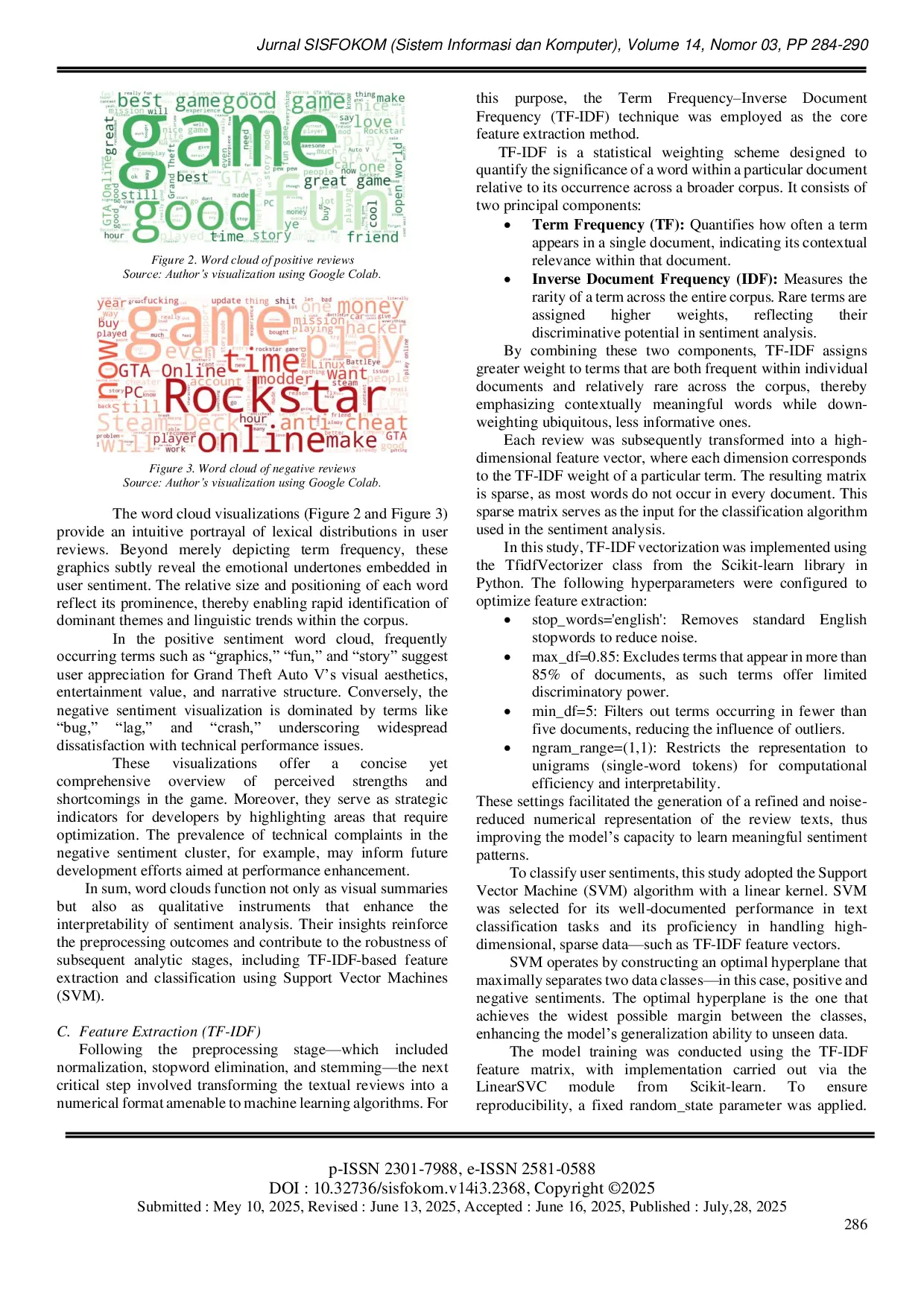
ATMALUHURATMALUHUR Model mencapai akurasi 94,2% dan F1-score 94,2%, menunjukkan keandalan tinggi. Kesimpulan juga menekankan pentingnya memperhatikan masalah teknis sepertiModel mencapai akurasi 94,2% dan F1-score 94,2%, menunjukkan keandalan tinggi. Kesimpulan juga menekankan pentingnya memperhatikan masalah teknis seperti
UBYUBY Penelitian ini menggunakan 90 ekor ayam broiler dengan metode Rancangan Acak Lengkap (RAL) dengan tiga perlakuan (lantai 0 m, 2 m, dan 4 m) dan 6 ulangan,Penelitian ini menggunakan 90 ekor ayam broiler dengan metode Rancangan Acak Lengkap (RAL) dengan tiga perlakuan (lantai 0 m, 2 m, dan 4 m) dan 6 ulangan,

UNAIRUNAIR Hasil penelitian menunjukkan bahwa pada pH 7±0,2, pH 8±0,2 dan pH 9±0,2 memberikan hasil persentase telur menetas dan lama waktu penetasan telur yangHasil penelitian menunjukkan bahwa pada pH 7±0,2, pH 8±0,2 dan pH 9±0,2 memberikan hasil persentase telur menetas dan lama waktu penetasan telur yang

UNAIRUNAIR Berdasarkan hasil penelitian diketahui bahwa penyimpanan pada suhu yang berbeda berpengaruh terhadap prosentase kerusakan spora Myxobolus koi. KerusakanBerdasarkan hasil penelitian diketahui bahwa penyimpanan pada suhu yang berbeda berpengaruh terhadap prosentase kerusakan spora Myxobolus koi. Kerusakan