STISNQSTISNQ
prosidingprosidingKompilasi Hukum Islam merupakan himpunan kaidah kaidah Hukum Islam yang memuat uraian atau bahan-bahan hukum tertentu, pendapat hukum atau juga aturan hukum. Ahli waris dalam Kompilasi Hukum Islam diklasifikasikan menjadi tiga golongan, yaitu Dzawi al-furudl al-muqad, Ashabah, dan Ahli waris pengganti. Ahli waris pengganti merupakan orang yang mendapatkan harta peninggalan menggantikan ahli waris sebenarnya karena lebih dahulu meninggal daripada Pewaris Dalam penelitian ini penulis ingin mendeskripsikan secara jelas serta rinci tentang Ahli Waris Pengganti dalam Penerapan Pasal 185 Kompilasi Hukum Islam (Studi Analisis Terhadap Putusan Pengadilan Agama Jember Nomor: 1378/Pdt.G/2019/PA. Jember). Penelitian menggunakan metode penelitian kualitatif. Dari hasil penelitian, penulis ada dua kesimpulan yakni Pertama, Implementasi Pasal 185 Kompilasi Hukum Islam (KHI) Konsep ahli waris pengganti tidak hanya pada jalur ke atas dan ke bawah, melainkan juga dapat dilaksanakan pada jalur menyamping dan bagian dari ahli waris pengganti tidak boleh melebihi dari bagian ahli waris yang sederajat dengannya dan yang digantikan. Kedua, Putusan hakim Pengadilan Agama Jember nomor 1378/Pdt.G/2019/PA.Jember memberikan bagian kepada anak laki-laki dan perempuan dari saudara perempuan (keponakan) dengan alasan mereka adalah ahli waris pengganti dapat dibenarkan berdasarkan pandangan hakim Pengadilan Agama Jember dan Hukum Islam. Karena ahli waris pengganti relevan dengan lafadzal-mawaali dalam potongan ayat 33 Surah An-Nisa.
This research analyzes the evolution of the gharar concept in DSN-MUI fatwas on Islamic insurance from 2001 to 2024.The analysis results show a significant shift in the interpretation and application of the gharar concept, from a relatively rigid approach in the early 2000s towards a more flexible and contextual interpretation in recent fatwas.Factors influencing this evolution include developments in the Islamic insurance industry, changes in socio-economic conditions, and innovations in Islamic financial products.Changes in the gharar concept have positively impacted the development of more innovative and competitive Islamic insurance products and prompted adjustments in industry regulation and supervision.Epistemological, ontological, and axiological reviews indicate that this evolution reflects efforts to balance Shariah compliance with the practical needs of modern industry while maintaining maqasid al-shariah.Although these developments open opportunities for growth in the Islamic insurance industry, challenges remain in ensuring consistency in gharar interpretation amidst the complexity of modern financial products and industry globalization.In conclusion, the evolution of the gharar concept in DSN-MUI fatwas has enabled the development of a more dynamic and relevant Islamic insurance industry while maintaining the integrity of Shariah principles.
Based on the analysis of the evolution of the gharar concept in DSN-MUI fatwas, several suggestions for further research can be proposed. Firstly, a comparative study could be conducted to analyze the interpretation and application of the gharar concept in Islamic insurance across different jurisdictions, particularly in countries with a significant presence of Islamic finance. This would provide insights into the variations and similarities in the understanding and implementation of gharar, and potentially lead to the development of a more universal framework that can be adopted globally. Secondly, given the increasing integration of technology in the Islamic insurance industry, a study focused on the impact of technological advancements on the interpretation and management of gharar would be valuable. This could explore how emerging technologies such as blockchain, artificial intelligence, and big data analytics can enhance transparency, risk assessment, and contract clarity, thereby reducing elements of gharar in Islamic insurance products and operations. Lastly, considering the evolving nature of the Islamic insurance industry and the need for continuous innovation, a longitudinal study tracking the development and impact of DSN-MUI fatwas over an extended period could provide valuable insights into the long-term effects of these fatwas on the industrys growth, product development, and consumer protection. Such a study would contribute to a deeper understanding of the dynamics and challenges faced by the Islamic insurance industry in Indonesia and potentially inform the formulation of more effective regulatory frameworks and industry practices.
| File size | 530.03 KB |
| Pages | 27 |
| DMCA | Report |
Related /

UNTARUNTAR Data for the study is gathered through a primary data collection method using an online questionnaire, distributed via Google Forms. This questionnaireData for the study is gathered through a primary data collection method using an online questionnaire, distributed via Google Forms. This questionnaire
UNTARUNTAR Penelitian ini bertujuan mengukur dampak simultan dan parsial Kualitas Laba, Aset Berwujud, serta Leverage terhadap Nilai Perusahaan pada perusahaan realPenelitian ini bertujuan mengukur dampak simultan dan parsial Kualitas Laba, Aset Berwujud, serta Leverage terhadap Nilai Perusahaan pada perusahaan real
ANDREWLAWCENTERANDREWLAWCENTER Penelitian ini menunjukkan bahwa Badan Narkotika Nasional (BNN) memiliki peran sentral dalam menegakkan Pasal 64 dan Pasal 70 Undang-Undang No. 35 TahunPenelitian ini menunjukkan bahwa Badan Narkotika Nasional (BNN) memiliki peran sentral dalam menegakkan Pasal 64 dan Pasal 70 Undang-Undang No. 35 Tahun
ANDREWLAWCENTERANDREWLAWCENTER Metode yang digunakan dalam penelitian ini adalah Penelitian Hukum Normatif dengan menggunakan pendekatan peraturan perundang-undangan. Hukum Pidana dapatMetode yang digunakan dalam penelitian ini adalah Penelitian Hukum Normatif dengan menggunakan pendekatan peraturan perundang-undangan. Hukum Pidana dapat
ANDREWLAWCENTERANDREWLAWCENTER Evaluasi yuridis menunjukkan bahwa implementasi Peraturan Mahkamah Agung Nomor 5 Tahun 2019 tentang Dispensasi Kawin di Kabupaten Rokan Hulu belum efektifEvaluasi yuridis menunjukkan bahwa implementasi Peraturan Mahkamah Agung Nomor 5 Tahun 2019 tentang Dispensasi Kawin di Kabupaten Rokan Hulu belum efektif

ANDREWLAWCENTERANDREWLAWCENTER Fokus kajian diarahkan pada pasal-pasal kunci yang mengatur penguasaan, klasifikasi, perizinan, dan penegakan hukum dalam pengelolaan hutan di Indonesia.Fokus kajian diarahkan pada pasal-pasal kunci yang mengatur penguasaan, klasifikasi, perizinan, dan penegakan hukum dalam pengelolaan hutan di Indonesia.

UNIKSUNIKS Salah satu jenis pupuk organik yang dapat digunakan petani adalah kompos yang dibuat dari bahan organik yang berasal dari limbah batang pisang. LimbahSalah satu jenis pupuk organik yang dapat digunakan petani adalah kompos yang dibuat dari bahan organik yang berasal dari limbah batang pisang. Limbah

STAIDAPONDOKKREMPYANGSTAIDAPONDOKKREMPYANG Mengingat: 1. Pasal 5 ayat (2) Undang-Undang Dasar 1945; 2. Undang-Undang Nomor 28 Tahun 1956 tentang Pengawasan Terhadap Penindakan Hak Atas Tanah PerkebunanMengingat: 1. Pasal 5 ayat (2) Undang-Undang Dasar 1945; 2. Undang-Undang Nomor 28 Tahun 1956 tentang Pengawasan Terhadap Penindakan Hak Atas Tanah Perkebunan
Useful /

STISNQSTISNQ Terdapat hubungan positif dan signifikan antara tingkat kemandirian belajar dan kemampuan bahasa lisan siswa kelas IV Madrasah Ibtidaiyah (MI) Mahad Al-Zaytun,Terdapat hubungan positif dan signifikan antara tingkat kemandirian belajar dan kemampuan bahasa lisan siswa kelas IV Madrasah Ibtidaiyah (MI) Mahad Al-Zaytun,
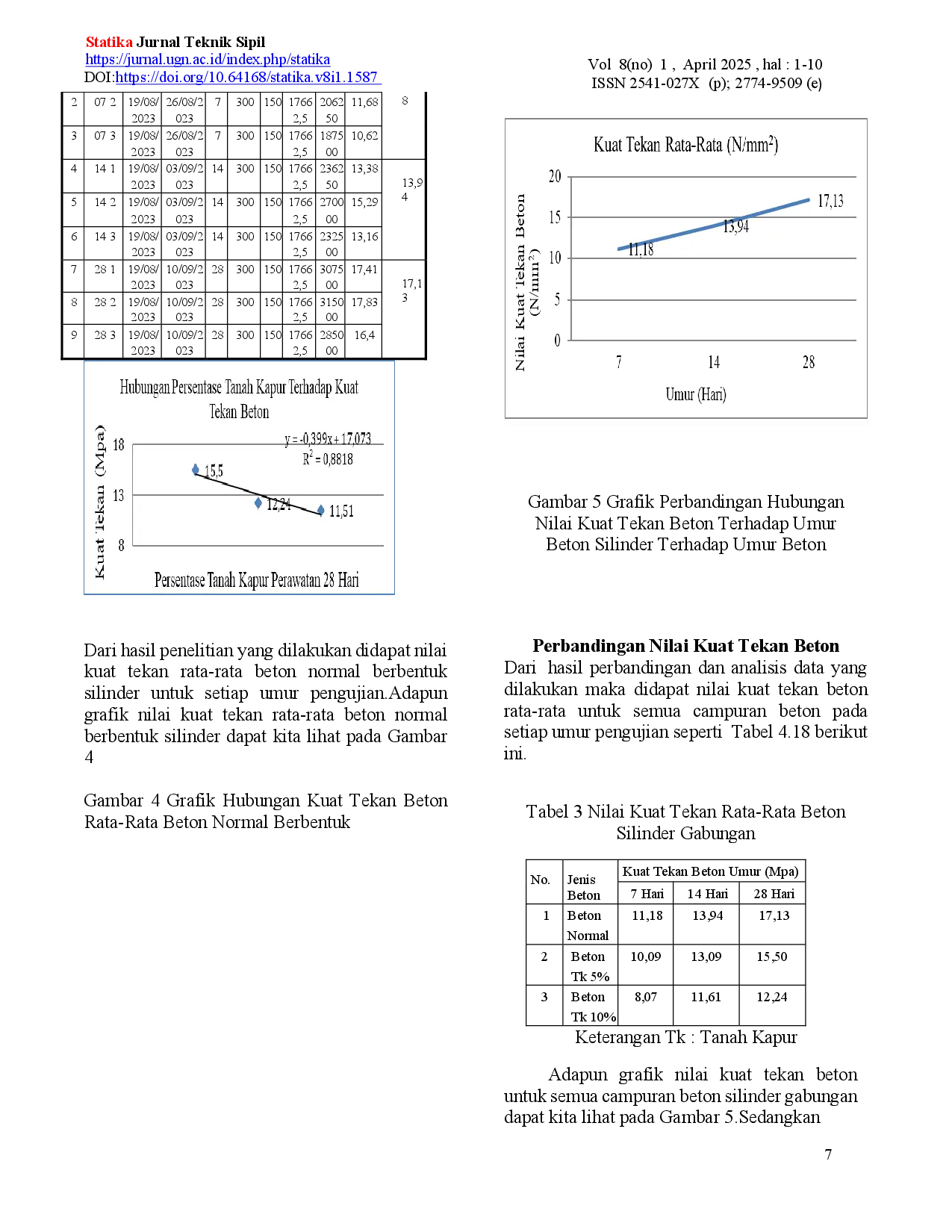
JURNALUGNJURNALUGN Penelitian ini bertujuan untuk menganalisis pengaruh substitusi tanah mediteran sebesar 5%, 10% dan 15% terhadap kuat tekan beton pada umur 7, 14 dan 28Penelitian ini bertujuan untuk menganalisis pengaruh substitusi tanah mediteran sebesar 5%, 10% dan 15% terhadap kuat tekan beton pada umur 7, 14 dan 28
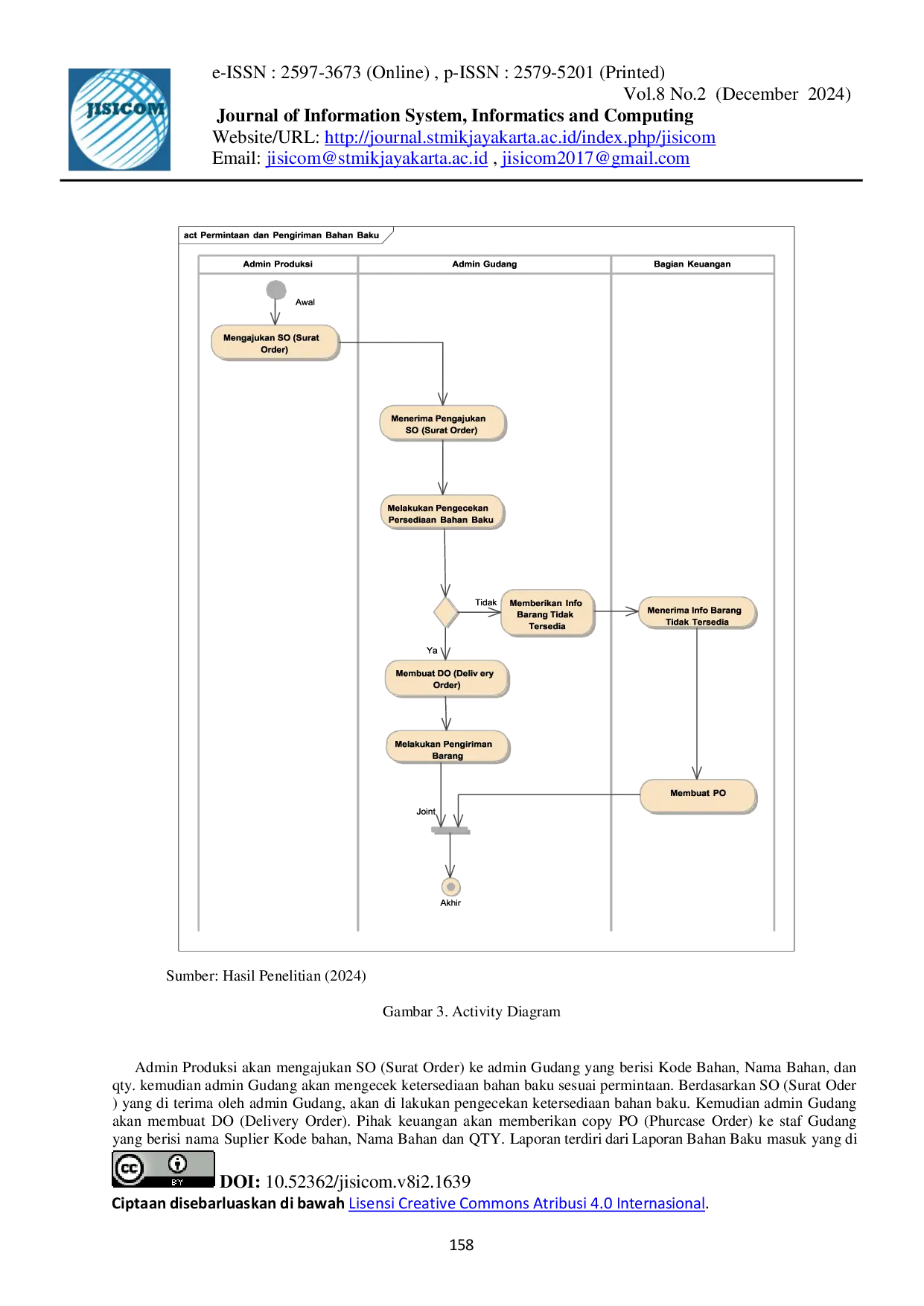
STMIKJAYAKARTASTMIKJAYAKARTA Selain itu, kurangnya pengecekan stok secara fisik menyebabkan selisih antara stok bahan baku yang ada dengan catatan petugas gudang. Pencatatan pengirimanSelain itu, kurangnya pengecekan stok secara fisik menyebabkan selisih antara stok bahan baku yang ada dengan catatan petugas gudang. Pencatatan pengiriman

UKIMUKIM Studi ini menggunakan pendekatan studi pustaka dengan melakukan tinjauan literatur untuk menganalisis etika Kristen terhadap ritual tersebut. Hasil penelitianStudi ini menggunakan pendekatan studi pustaka dengan melakukan tinjauan literatur untuk menganalisis etika Kristen terhadap ritual tersebut. Hasil penelitian