IAIN MADURAIAIN MADURA
AL-IHKAM: Jurnal Hukum & Pranata SosialAL-IHKAM: Jurnal Hukum & Pranata SosialThis qualitative study examines how communities in South Kalimantan address child marriage within a plural legal framework. It investigates how communities negotiate child marriage within legal pluralism and how marital readiness is constructed and understood within the legal consciousness of families, religious leaders, and community members. The study reveals that communities prioritize customary norms and religious teachings, particularly Islamic law, over state law when determining the appropriate age and readiness for marriage. Religious reasoning and biological signs of maturity are often used to justify child marriage, aligning with some classical fiqh interpretations linking puberty to marital eligibility. Meanwhile, formal legal provisions are often viewed as administrative formalities that can be negotiated or bypassed through practices like unregistered marriages (kawin siri), which are considered religiously valid. The findings highlight the need to bring together state law, Islamic principles, and local customary practices to narrow the gap between legal systems and how communities actually live and make decisions.
The study shows that communities in Cukan Lipai and Berangas Timur define readiness for marriage through religious, adat, and familial perspectives rather than through the states legal age requirements.Peoples understandings of law are shaped by overlapping legal systems.state law, religion, and adat, which often point in different directions.Child marriage is commonly justified through interpretations of Islamic teachings, adat values, and concerns about zina, while formal law is often experienced as distant from everyday decision-making around marriage within families and communities.The findings reveal spaces of negotiation, particularly where religious leaders advance interpretations consistent with maqāṣid asy-syarīah.These dynamics suggest that legal reform alone is unlikely to be effective unless it engages with the moral and social frameworks that guide family decision-making.Instead, efforts must work with the real lives communities live, involving religious leaders, teachers, and local officials who already have peoples trust.If religious leaders were to explain that delaying marriage helps girls learn and grow stronger, or when families see real educational opportunities for their daughters, they are more likely to support later marriage.Approaches that rely primarily on top-down legal enforcement, without attention to why families turn to kawin siri and early marriage, risk overlooking the social and moral dynamics that shape these decisions.
To address child marriage effectively, it is crucial to engage with the social realities of communities and involve religious leaders, adat authorities, and trusted community figures who can translate legal norms into culturally meaningful messages. Expanding educational and economic opportunities for girls is essential, as it provides families with realistic alternatives to early marriage. Strengthening village governance and cross-sector coordination can further support long-term change. Additionally, exploring how adolescents themselves perceive marital readiness and legal norms, particularly in contexts where family control and moral expectations strongly influence their choices, can provide valuable insights for developing targeted interventions.
- Integration of Tradition and Sharia: Dowry and Dui Menre in the Marriage of the Bugis Community in Bone... e-journal.iain-palangkaraya.ac.id/index.php/maslahah/article/view/4712Integration of Tradition and Sharia Dowry and Dui Menre in the Marriage of the Bugis Community in Bone e journal iain palangkaraya ac index php maslahah article view 4712
- Participatory Research Methods – Choice Points in the Research Process | Published in Journal of... doi.org/10.35844/001c.13244Participatory Research Methods Ae Choice Points in the Research Process Published in Journal of doi 10 35844 001c 13244
- POTENSI KONFLIK PADA TRADISI MERARIK DI PULAU LOMBOK | Al Qalam. konflik tradisi merarik pulau lombok... jurnal.uinbanten.ac.id/index.php/alqalam/article/view/890POTENSI KONFLIK PADA TRADISI MERARIK DI PULAU LOMBOK Al Qalam konflik tradisi merarik pulau lombok jurnal uinbanten ac index php alqalam article view 890
- Children Citizenship Status of Acehnese-Rohingya Mixed Marriage in Aceh: Maqāṣid Sharī’ah Perspective... doi.org/10.21580/ahkam.2024.34.1.20162Children Citizenship Status of Acehnese Rohingya Mixed Marriage in Aceh MaqAid SharAoah Perspective doi 10 21580 ahkam 2024 34 1 20162
- Media Syariah. dayak ngaju customary law criminal sanctions agains adultery palangka raya syari wahana... jurnal.ar-raniry.ac.id/index.php/medsyar/article/view/19603Media Syariah dayak ngaju customary law criminal sanctions agains adultery palangka raya syari wahana jurnal ar raniry ac index php medsyar article view 19603
| File size | 573.08 KB |
| Pages | 28 |
| DMCA | Report |
Related /

UIN ANTASARIUIN ANTASARI Misalnya, sistem desentralisasi di Amerika Serikat dibandingkan dengan model terpusat di Jerman dan Prancis untuk menilai implikasinya terhadap efektivitasMisalnya, sistem desentralisasi di Amerika Serikat dibandingkan dengan model terpusat di Jerman dan Prancis untuk menilai implikasinya terhadap efektivitas

IAIN SUIAIN SU This study examines the phenomenon of sex in the car in Aceh within the framework of fiqh jināyah and maqāṣid al-sharīah to explore its legal, moral,This study examines the phenomenon of sex in the car in Aceh within the framework of fiqh jināyah and maqāṣid al-sharīah to explore its legal, moral,

UINGUSDURUINGUSDUR Islamic law, as Gods rule that benefits humanity, is unquestionably capable of adapting to and responding to this societal transformation. To respond andIslamic law, as Gods rule that benefits humanity, is unquestionably capable of adapting to and responding to this societal transformation. To respond and

UIMUIM Pendekatan holistik yang melibatkan edukasi, dukungan psikososial, dan kebijakan pemerintah diperlukan untuk mencegah dan menangani dampak pernikahan dini.Pendekatan holistik yang melibatkan edukasi, dukungan psikososial, dan kebijakan pemerintah diperlukan untuk mencegah dan menangani dampak pernikahan dini.
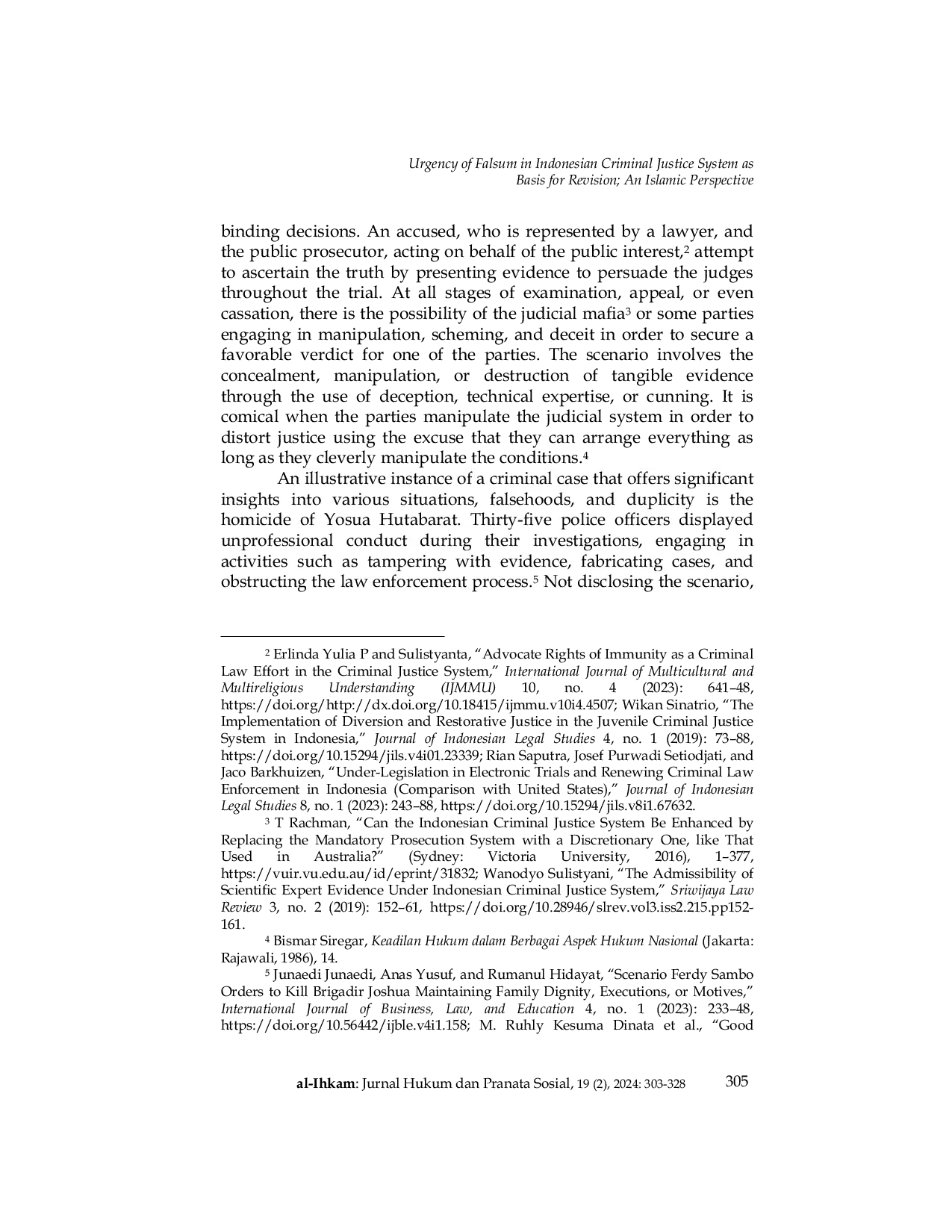
IAIN MADURAIAIN MADURA Sebaliknya, rancangan Kode Hukum Acara Pidana Indonesia tidak mengandung konsep falsum dan hanya membatasi novum dan keputusan pengadilan yang bertentanganSebaliknya, rancangan Kode Hukum Acara Pidana Indonesia tidak mengandung konsep falsum dan hanya membatasi novum dan keputusan pengadilan yang bertentangan

IAIN MADURAIAIN MADURA Selain itu, menurut beberapa ulama, seorang wanita dapat terlibat dalam bisnis selama pendapatan digunakan untuk memenuhi kebutuhan primer daripada sekunder.Selain itu, menurut beberapa ulama, seorang wanita dapat terlibat dalam bisnis selama pendapatan digunakan untuk memenuhi kebutuhan primer daripada sekunder.

STIBASTIBA Dengan kejujuran, diharapkan perdagangan seorang muslim akan semakin maju dan berkembang. Penelitian ini menyimpulkan bahwa pedagang temporer di Desa Tompobulu,Dengan kejujuran, diharapkan perdagangan seorang muslim akan semakin maju dan berkembang. Penelitian ini menyimpulkan bahwa pedagang temporer di Desa Tompobulu,
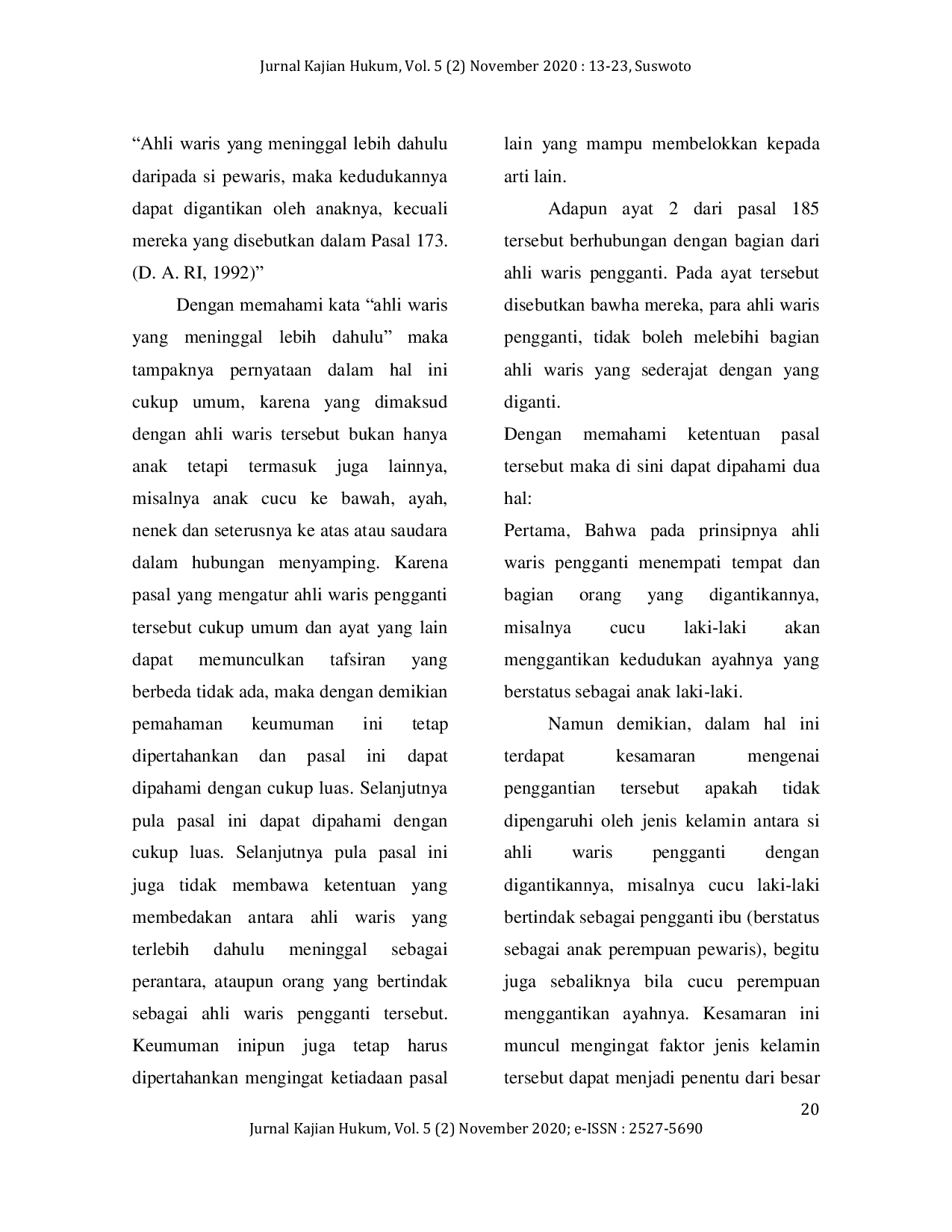
UJBUJB Dalam konteks pembangunan hukum di Indonesia maka masalah yang menonjol adalah masalah bahan atau materialnya yang akan dipergunakan dalam merumuskan hukumDalam konteks pembangunan hukum di Indonesia maka masalah yang menonjol adalah masalah bahan atau materialnya yang akan dipergunakan dalam merumuskan hukum
Useful /

IAIN MADURAIAIN MADURA Penelitian ini berkontribusi pada analisis interseksional yang nuansanya halus terhadap VAWP di Indonesia Timur, yang menunjukkan bagaimana agama, etnis,Penelitian ini berkontribusi pada analisis interseksional yang nuansanya halus terhadap VAWP di Indonesia Timur, yang menunjukkan bagaimana agama, etnis,

STAIMA ALHIKAMSTAIMA ALHIKAM Temuan penelitian menyimpulkan bahwa; kesadaran beragama berpengaruh terhadap tata krama mahasiswa sebesar 46,%. Kesadaran beragama berpengaruh terhadapTemuan penelitian menyimpulkan bahwa; kesadaran beragama berpengaruh terhadap tata krama mahasiswa sebesar 46,%. Kesadaran beragama berpengaruh terhadap
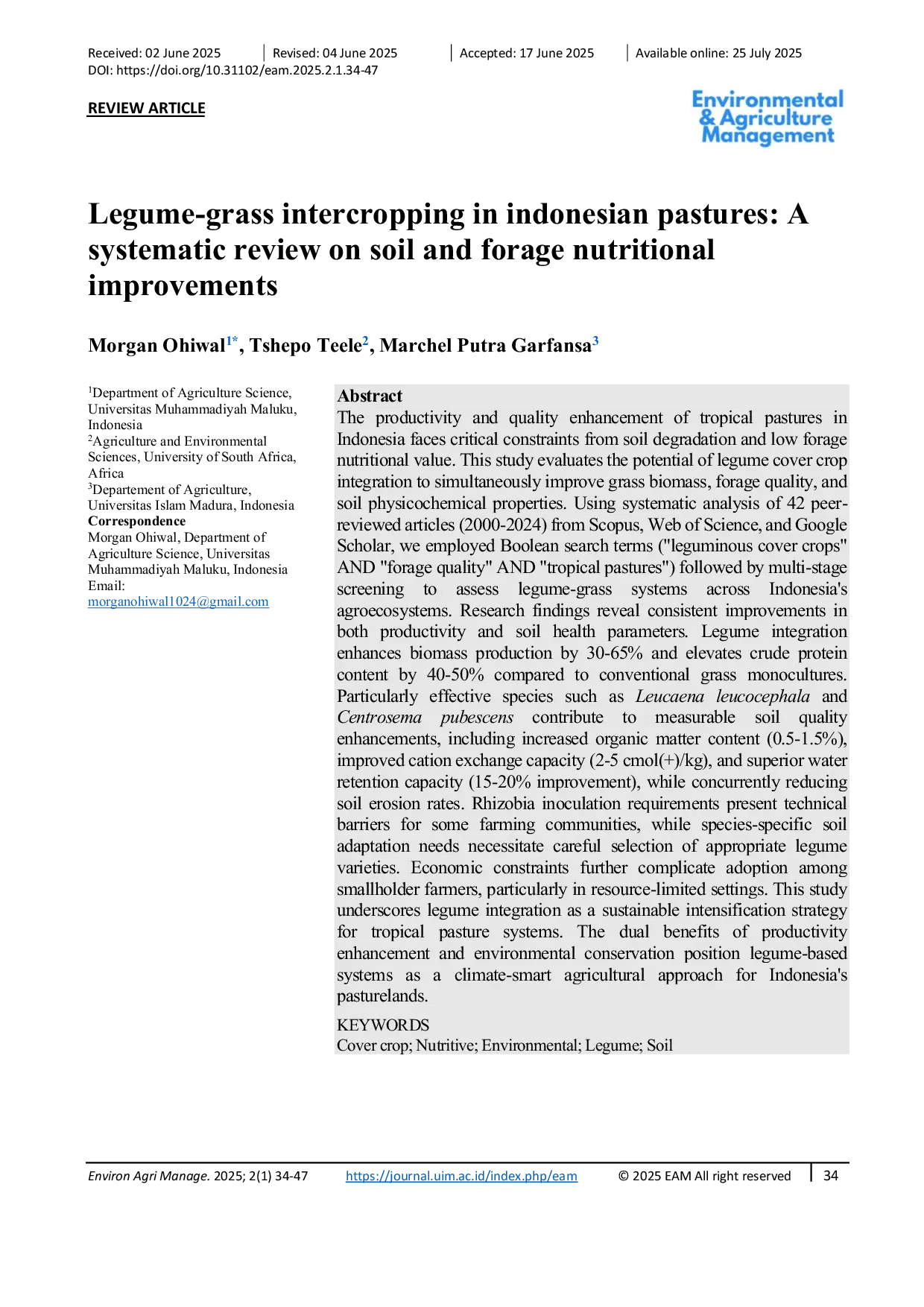
UIMUIM Selain itu, sistem ini juga meningkatkan sifat fisikokimia tanah, termasuk peningkatan materi organik, kapasitas pertukaran kation, dan kapasitas retensiSelain itu, sistem ini juga meningkatkan sifat fisikokimia tanah, termasuk peningkatan materi organik, kapasitas pertukaran kation, dan kapasitas retensi

UIMUIM Hasil penelitian menunjukkan bahwa pendekatan maqāṣid memungkinkan lembaga peradilan Islam merespons globalisasi secara adaptif, membangun sistem hukumHasil penelitian menunjukkan bahwa pendekatan maqāṣid memungkinkan lembaga peradilan Islam merespons globalisasi secara adaptif, membangun sistem hukum