IJCISIJCIS
International Journal of Computer and Information System (IJCIS)International Journal of Computer and Information System (IJCIS)Indonesia, as the worlds largest archipelagic country, faces substantial challenges in achieving equitable energy access, particularly in remote regions. These areas are predominantly reliant on Diesel Power Plants (PLTD), which result in high operational costs, logistical complexities in fuel supply, and considerable carbon emissions. Despite these limitations, remote regions possess abundant renewable energy resources, particularly solar energy. However, the intermittency of solar generation due to weather fluctuations hampers its reliability as a primary energy source. To address these challenges, this study proposes the implementation of a hybrid energy system integrating Solar Photovoltaic (PV) systems and Battery Energy Storage Systems (BESS), supported by a load‑following dispatch strategy and optimal capacity planning. The objective is to improve both the reliability and efficiency of the local power system. The study was conducted on Nusa Penida Island, specifically at the 20 kV Kutampi Substation, which is interconnected with the existing diesel power infrastructure. The methodology encompasses a comprehensive literature review, secondary data acquisition, manual system sizing, and simulation‑based analysis. PV capacity potential was assessed using PVSyst software, while power flow and voltage simulations were performed for three operational scenarios: (i) existing diesel‑only configuration (baseline), (ii) hybrid Diesel‑PV‑BESS configuration, and (iii) PV‑BESS configuration without diesel generators. Power system simulations were carried out using a computer‑based electrical analysis platform to evaluate the technical impact of integrating renewable energy into the local grid. Simulation results demonstrate that the integration of PV and BESS enhances voltage stability and ensures a more reliable energy supply. Furthermore, techno‑economic analysis reveals that the hybrid Diesel‑PV‑BESS configuration yields the most favourable outcome, achieving a Levelized Cost of Energy (LCOE) of IDR 3,088 per kWh. These findings underscore the potential of hybrid renewable energy systems as a viable solution for sustainable energy development in remote island regions.
Integrasi sistem energi hibrid PV‑BESS di Pulau Nusa Penida terbukti layak secara teknis dan mampu memenuhi permintaan listrik hingga kapasitas 14 MW.Simulasi menunjukkan bahwa konfigurasi hibrid menambah kualitas tegangan sebesar 4 % dibandingkan penggunaan genset diesel murni, sementara konfigurasi PV‑BESS tunggal meningkatkan tegangan hingga 5 %.Dari segi ekonomi, konfigurasi diesel‑PV‑BESS menghasilkan LCOE paling rendah sebesar IDR 3 088 per kWh, sehingga paling optimal antara ketiga skenario.
Untuk penelitian berikutnya, pertama‑tama dapat ditelaah bagaimana kinerja sistem PV‑BESS saat menekan tingkat konsumsi diesel di pulau dengan variasi musiman tinggi; kedua, model optimisasi energi terdistribusi yang menambahkan mikrogrid skala kecil berbasiskan mikro-PLTD dapat dikembangkan untuk menilai sinkronisasi dinamis antara sumber energi hijau dan beban; ketiga, studi pengalaman pengguna dan dampak sosial ekonomi di masyarakat lokal dapat dilakukan guna memetakan penerimaan kebijakan dan potensi skala proyek serupa di daerah kepulauan lain.
- 3002.2-2018 - IEEE Recommended Practice for Conducting Load-Flow Studies and Analysis of Industrial and... ieeexplore.ieee.org/document/85292923002 2 2018 IEEE Recommended Practice for Conducting Load Flow Studies and Analysis of Industrial and ieeexplore ieee document 8529292
- High-performance monocrystalline silicon could lead the photovoltaic power generation in the future |... ieeexplore.ieee.org/document/7153495High performance monocrystalline silicon could lead the photovoltaic power generation in the future ieeexplore ieee document 7153495
| File size | 1.05 MB |
| Pages | 9 |
| DMCA | Report |
Related /

UNISMUHUNISMUH Temuan-temuan ini menunjukkan bahwa integrasi kebijakan tetap bersifat prosedural daripada substantif. Studi ini berkontribusi dengan mengusulkan modelTemuan-temuan ini menunjukkan bahwa integrasi kebijakan tetap bersifat prosedural daripada substantif. Studi ini berkontribusi dengan mengusulkan model
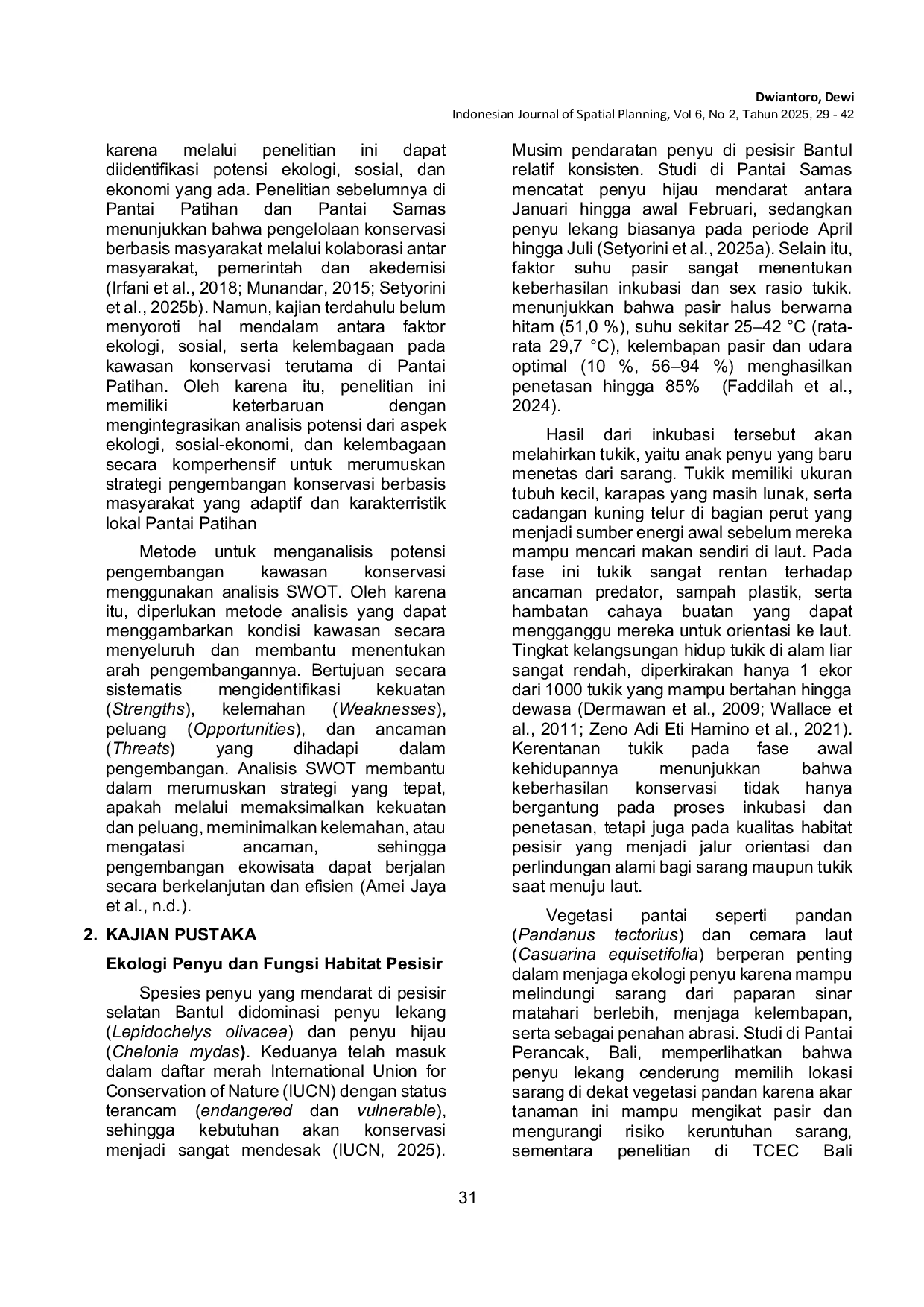
USMUSM Terdapat tantangan teknis, keterbatasan fasilitas, dan ancaman lingkungan perlu diatasi dengan pendekatan partisipatif, peningkatan kapasitas SDM, kemitraanTerdapat tantangan teknis, keterbatasan fasilitas, dan ancaman lingkungan perlu diatasi dengan pendekatan partisipatif, peningkatan kapasitas SDM, kemitraan

UNIPMAUNIPMA Bahkan, tingkat kemiskinan di Sulawesi Tenggara masih lebih tinggi dibandingkan rata-rata nasional. Penelitian ini bertujuan untuk mengestimasi dampakBahkan, tingkat kemiskinan di Sulawesi Tenggara masih lebih tinggi dibandingkan rata-rata nasional. Penelitian ini bertujuan untuk mengestimasi dampak

UMSJUMSJ Upaya ini diperlukan agar kebijakan dan praktik administrasi publik selaras dengan prinsip-prinsip good governance serta mampu menjamin keberlanjutan lingkunganUpaya ini diperlukan agar kebijakan dan praktik administrasi publik selaras dengan prinsip-prinsip good governance serta mampu menjamin keberlanjutan lingkungan

STAIN TDMSTAIN TDM 32 Tahun 2009 dengan UU Cipta Kerja), dan lemahnya komitmen politik yang sering mengorbankan perlindungan lingkungan demi kepentingan ekonomi. Oleh karena32 Tahun 2009 dengan UU Cipta Kerja), dan lemahnya komitmen politik yang sering mengorbankan perlindungan lingkungan demi kepentingan ekonomi. Oleh karena

UINSUNAUINSUNA Penolakan pengungsi Rohingya di Aceh merupakan isu kompleks yang memerlukan analisis ilmiah dari perspektif hak asasi manusia dan kebijakan publik. StudiPenolakan pengungsi Rohingya di Aceh merupakan isu kompleks yang memerlukan analisis ilmiah dari perspektif hak asasi manusia dan kebijakan publik. Studi
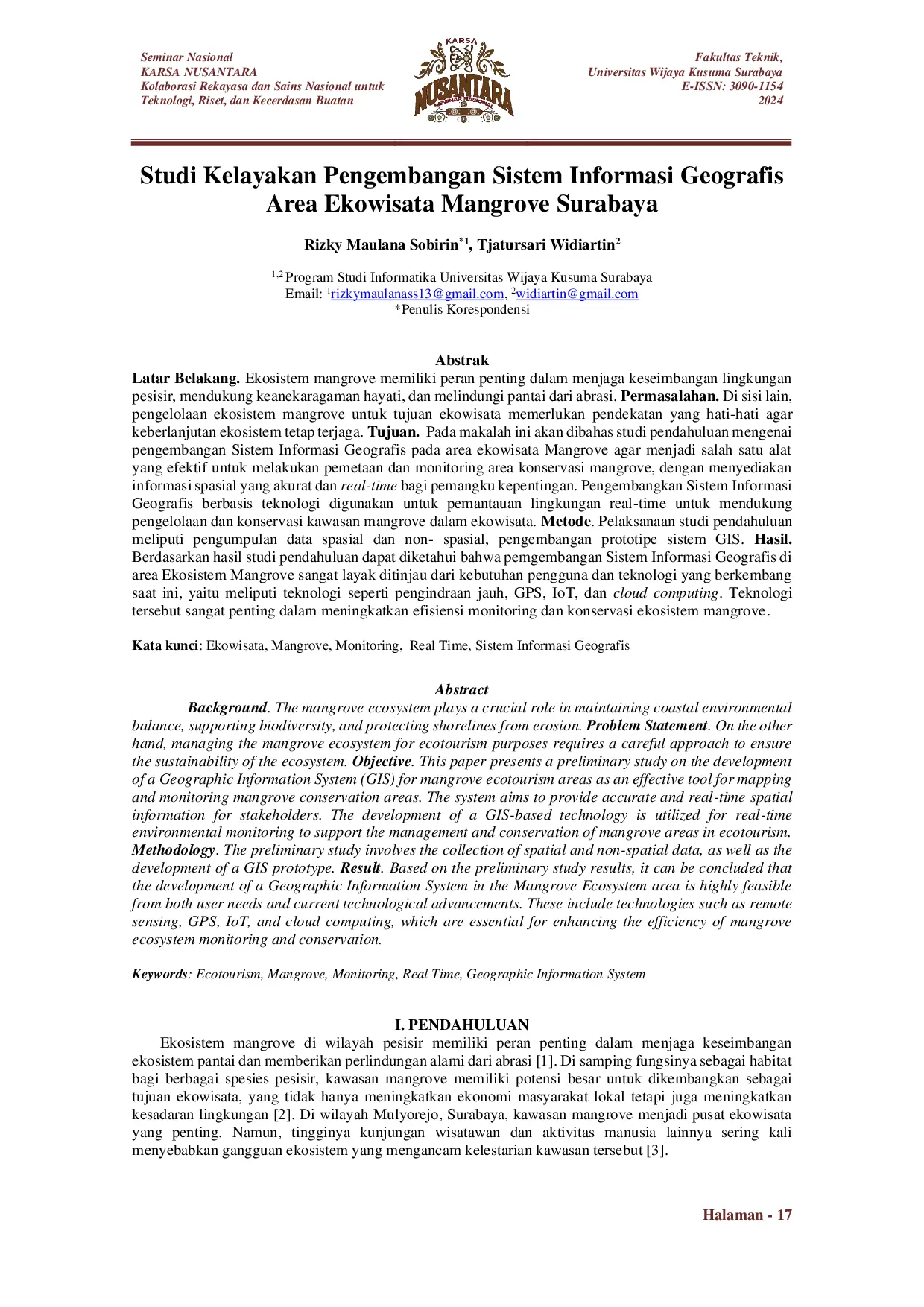
UWKSUWKS Tujuan. Pada makalah ini akan dibahas studi pendahuluan mengenai pengembangan Sistem Informasi Geografis pada area ekowisata Mangrove agar menjadi salahTujuan. Pada makalah ini akan dibahas studi pendahuluan mengenai pengembangan Sistem Informasi Geografis pada area ekowisata Mangrove agar menjadi salah

JOURNAL IASSSFJOURNAL IASSSF Studi ini menganalisis strategi konservasi berbasis ekosistem di Kecamatan Muara Gembong, dengan fokus pada integrasi konservasi dengan aktivitas ekonomiStudi ini menganalisis strategi konservasi berbasis ekosistem di Kecamatan Muara Gembong, dengan fokus pada integrasi konservasi dengan aktivitas ekonomi
Useful /

DINIYAHDINIYAH Implementasi kebijakan penataan pedagang kaki lima di kawasan Pasar Atas Kota Bukittinggi sudah terlaksana tetapi belum berlangsung optimal. KomunikasiImplementasi kebijakan penataan pedagang kaki lima di kawasan Pasar Atas Kota Bukittinggi sudah terlaksana tetapi belum berlangsung optimal. Komunikasi

STIAB JINARAKKHITASTIAB JINARAKKHITA Metode pelaksanaan kegiatan meliputi tahap persiapan, pelaksanaan pelatihan, dan evaluasi, dengan pendekatan pretest dan posttest untuk mengukur perubahanMetode pelaksanaan kegiatan meliputi tahap persiapan, pelaksanaan pelatihan, dan evaluasi, dengan pendekatan pretest dan posttest untuk mengukur perubahan
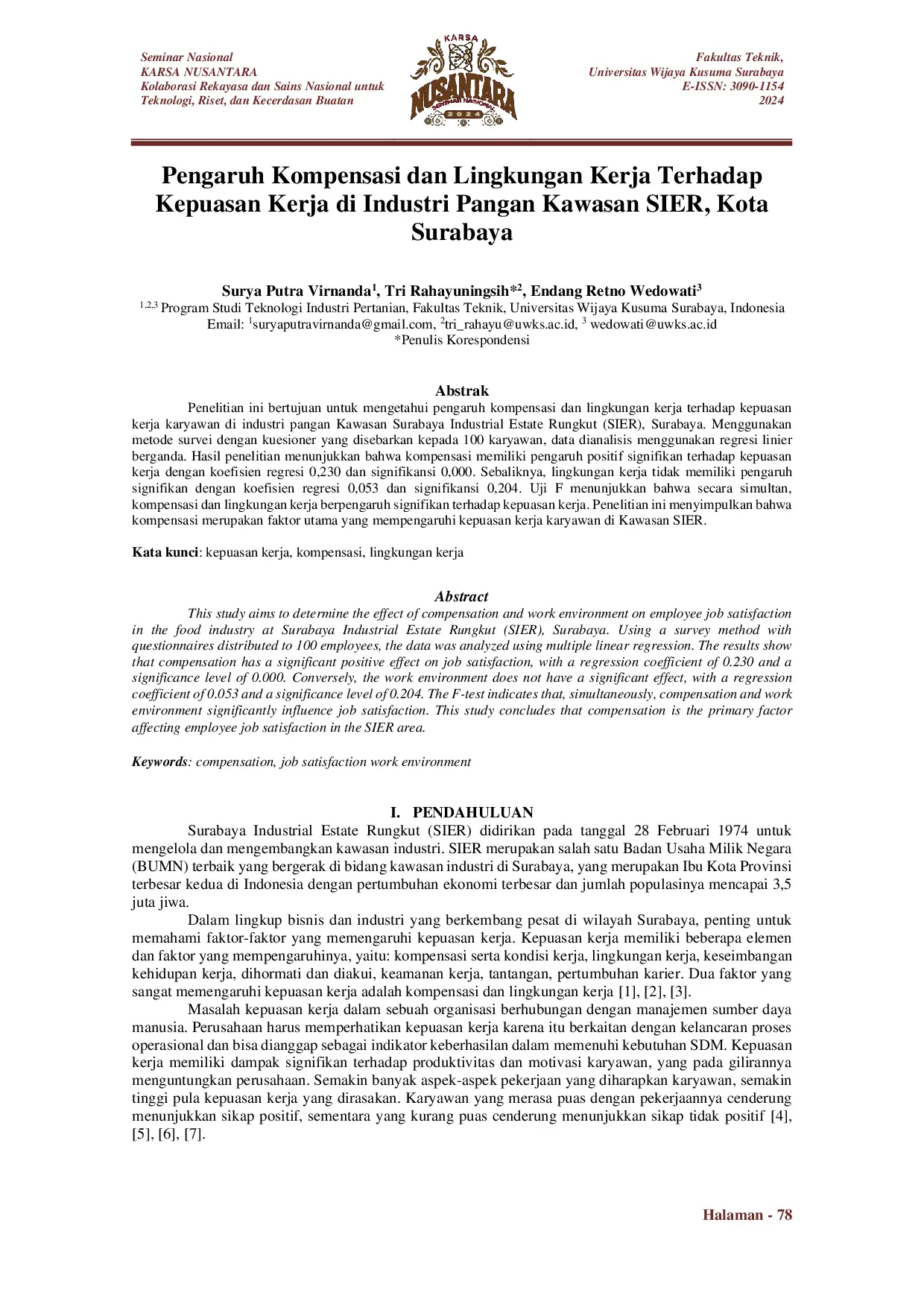
UWKSUWKS Penelitian ini bertujuan untuk mengetahui pengaruh kompensasi dan lingkungan kerja terhadap kepuasan kerja karyawan di industri pangan Kawasan SurabayaPenelitian ini bertujuan untuk mengetahui pengaruh kompensasi dan lingkungan kerja terhadap kepuasan kerja karyawan di industri pangan Kawasan Surabaya

UMMAUMMA Hasil penelitian menunjukkan bahwa nilai rata-rata hasil belajar siswa pada model pembelajaran Auditory Intelectually Repetition (AIR) berada pada kategoriHasil penelitian menunjukkan bahwa nilai rata-rata hasil belajar siswa pada model pembelajaran Auditory Intelectually Repetition (AIR) berada pada kategori