IDEREACHIDEREACH
Applied Pharmacology and Pharmaceutical TechnologyApplied Pharmacology and Pharmaceutical TechnologyThis normative legal research analyzes the legal protection of healthcare services in Indonesia following the enactment of Law No. 17 of 2023 on Health, while anticipating the implementation of the new Criminal Code (KUHP) and Criminal Procedure Code (KUHAP) in 2026. It focuses on holistic health administration, strengthening reproductive rights (including therapeutic abortion exemptions for victims of sexual violence up to 14 weeks of pregnancy), stricter informed consent requirements, the legal relationship between hospitals, patients, and healthcare workers with shared responsibilities, and criminal implications of medical negligence. The main novelty of the research lies in an integrated analysis of the implementation challenges of the 2023 Health Law amid the 2026 criminal law reforms, particularly the increased risk of litigation, reduced professional autonomy, and ambiguities in responsibility allocation and reproductive rights. Nevertheless, it strengthens constitutional guarantees under Article 28H paragraph (1) of the 1945 Constitution through comprehensive, patient-oriented regulations. To achieve balanced and effective legal protection, the research recommends developing supportive policies such as continuous professional education, clearer implementing regulations, standardized documentation, and institutionalized alternative dispute resolution mechanisms.
17 of 2023 on Health strengthens legal protection in healthcare services in Indonesia through the principles of equality, justice, and patient safety, by affirming the shift of professional standardization authority to the Indonesian Health Workforce Council (KTKI) to promote national accountability.Furthermore, the 2023 Health Law reinforces reproductive rights as part of human rights and tightens informed consent requirements to protect patient autonomy.The strengthening of criminal sanctions in the criminal law reforms to be implemented in 2026 will also increase accountability, but may also encourage defensive medicine practices.
Penelitian lebih lanjut perlu dilakukan untuk mengeksplorasi efektivitas transfer kewenangan dari organisasi profesi ke Indonesian Health Workforce Council (KTKI) dalam menjaga kualitas dan kompetensi tenaga kesehatan, serta dampaknya terhadap kemandirian profesional. Selain itu, studi komparatif mengenai implementasi informed consent di berbagai rumah sakit di Indonesia dapat memberikan wawasan tentang praktik terbaik dan tantangan yang dihadapi dalam memastikan pemahaman pasien yang komprehensif. Terakhir, penelitian mengenai dampak penerapan KUHP baru terhadap perilaku dokter dan pasien, khususnya terkait dengan potensi peningkatan kasus litigasi dan defensive medicine, sangat penting untuk mengidentifikasi kebutuhan akan kebijakan dan pelatihan yang adaptif guna menyeimbangkan akuntabilitas dan perlindungan bagi kedua belah pihak. Penelitian-penelitian ini diharapkan dapat memberikan rekomendasi yang lebih terarah untuk meningkatkan sistem pelayanan kesehatan di Indonesia, memastikan perlindungan hukum yang optimal bagi pasien dan tenaga kesehatan, serta meminimalkan risiko yang timbul akibat perubahan regulasi.
| File size | 499.13 KB |
| Pages | 9 |
| DMCA | Report |
Related /

UINSAIDUINSAID Although certain Qanun have generated debate, particularly concerning human rights issues, the Aceh government continues to uphold these regulations asAlthough certain Qanun have generated debate, particularly concerning human rights issues, the Aceh government continues to uphold these regulations as
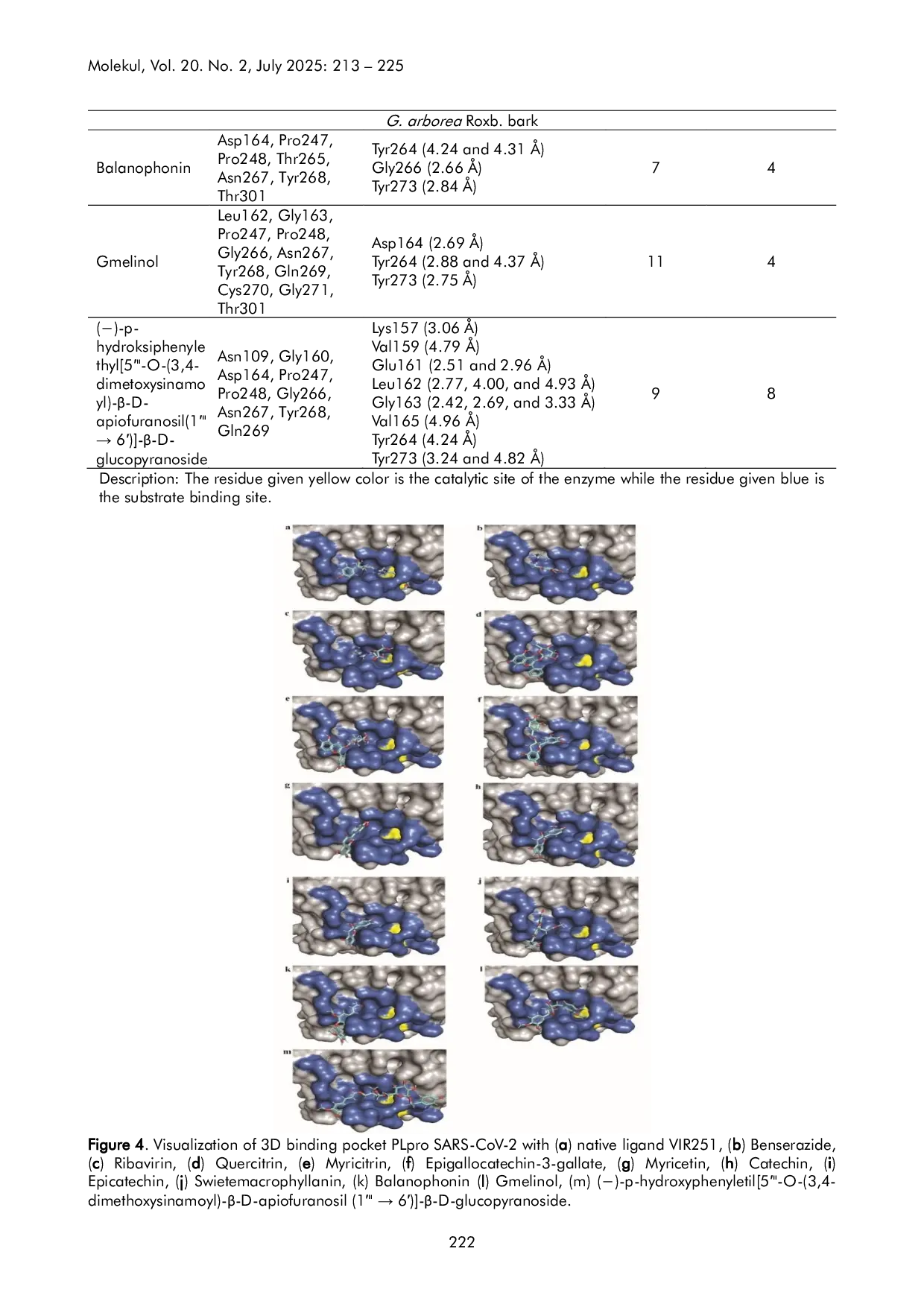
UNSOEDUNSOED Berdasarkan hasil tersebut, senyawa-senyawa tersebut dapat dikembangkan sebagai obat alternatif yang efektif dalam menghambat PLpro SARS‑CoV‑2. EmpatBerdasarkan hasil tersebut, senyawa-senyawa tersebut dapat dikembangkan sebagai obat alternatif yang efektif dalam menghambat PLpro SARS‑CoV‑2. Empat

UIAUIA 1 of 2024 represents a response to public criticism regarding the ambiguity of previous regulations. While the amendment aims to clarify the boundaries1 of 2024 represents a response to public criticism regarding the ambiguity of previous regulations. While the amendment aims to clarify the boundaries

DINASTIRESDINASTIRES The criminal policy regulations for perpetrators of the distribution of digital pornographic content via social media in Indonesia have a strong legalThe criminal policy regulations for perpetrators of the distribution of digital pornographic content via social media in Indonesia have a strong legal
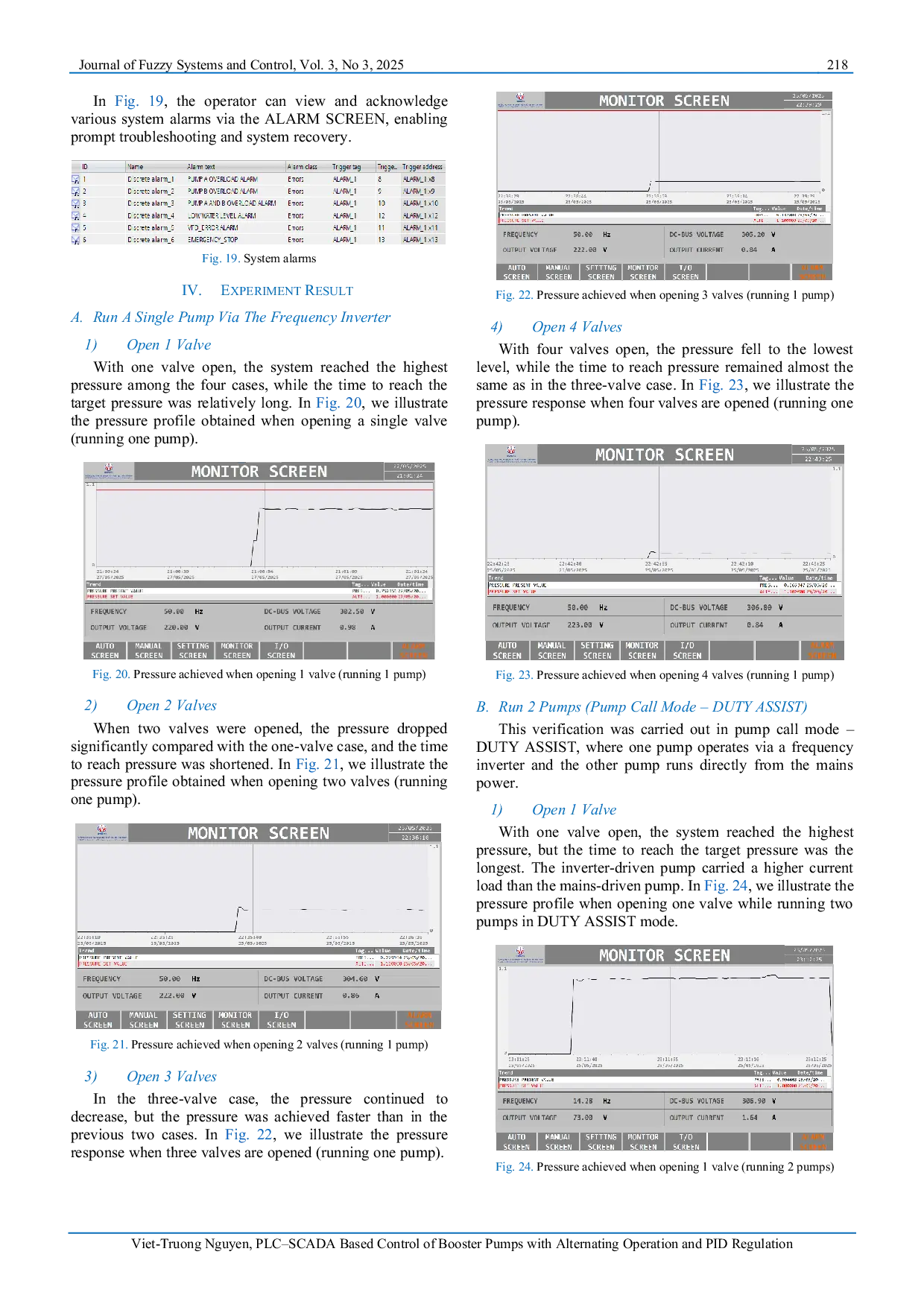
PTTIPTTI In the current context, the demand for clean water in daily life and in industrial environments is increasing, showing that the need for improved operationIn the current context, the demand for clean water in daily life and in industrial environments is increasing, showing that the need for improved operation
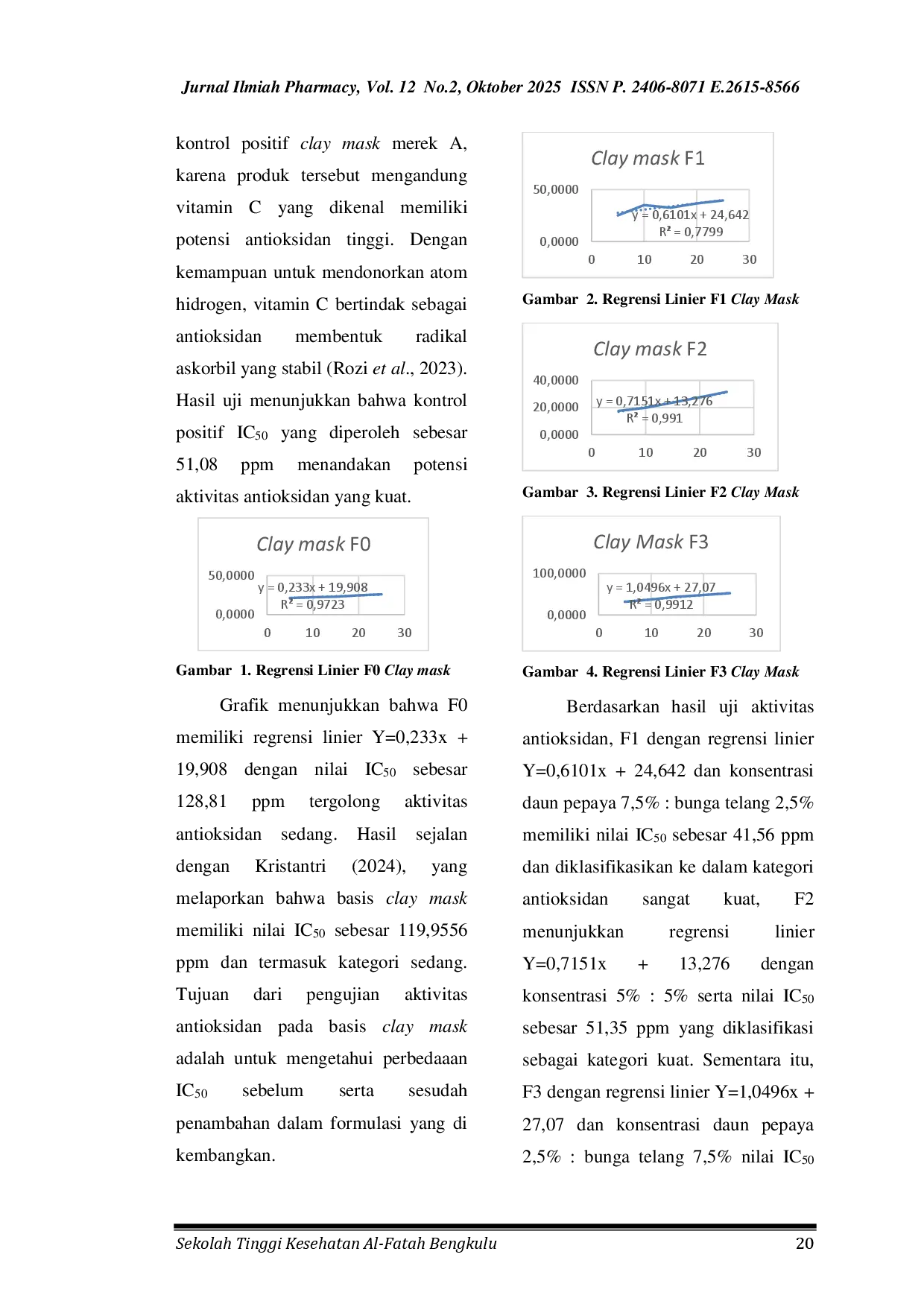
STIKESALFATAHSTIKESALFATAH Penelitian ini bertujuan guna mengetahui aktivitas antioksidan sediaan clay mask. Metode ini meliputi ekstraksi daun pepaya dan bunga telang menggunakanPenelitian ini bertujuan guna mengetahui aktivitas antioksidan sediaan clay mask. Metode ini meliputi ekstraksi daun pepaya dan bunga telang menggunakan

UNESUNES Studi ini berangkat dari banyaknya kasus PMI yang diberangkatkan secara nonprosedural dan tereksploitasi di negara tujuan seperti Irak, Myanmar, dan Serbia.Studi ini berangkat dari banyaknya kasus PMI yang diberangkatkan secara nonprosedural dan tereksploitasi di negara tujuan seperti Irak, Myanmar, dan Serbia.
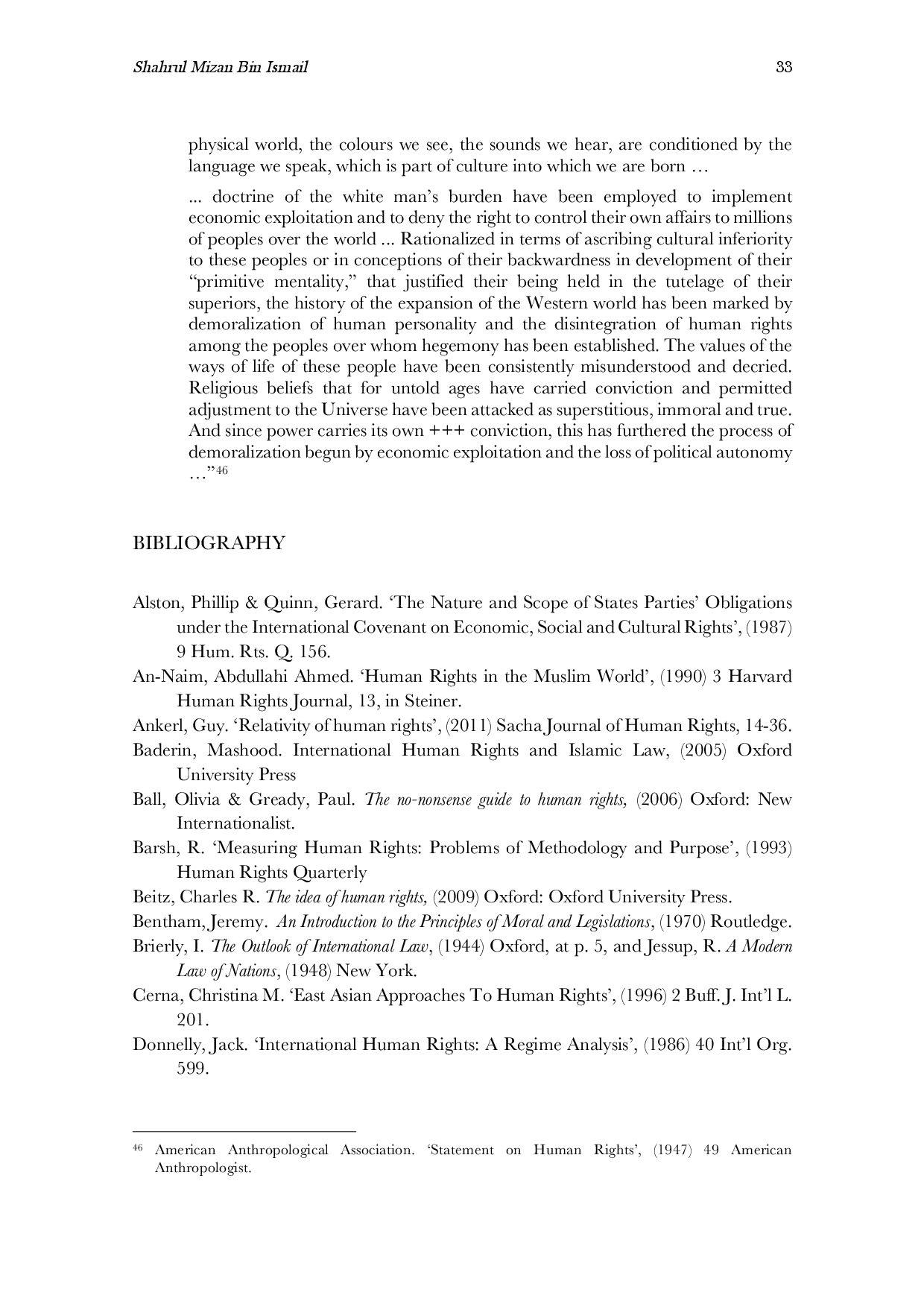
UNEJUNEJ Model pengembangan hak asasi yang lebih terpusat seringkali diklaim menawarkan metode operasional yang lebih homogen, efektif, dan seragam. Namun, modelModel pengembangan hak asasi yang lebih terpusat seringkali diklaim menawarkan metode operasional yang lebih homogen, efektif, dan seragam. Namun, model
Useful /

UNRIUNRI Pemanfaatan HHBK dilakukan melalui tahapan pemanenan, pengolahan, hingga pemasaran dengan pola individu maupun kelompok. Secara umum, HHBK berperan sebagaiPemanfaatan HHBK dilakukan melalui tahapan pemanenan, pengolahan, hingga pemasaran dengan pola individu maupun kelompok. Secara umum, HHBK berperan sebagai
UNRIUNRI Namun, tekanan antropogenik berpotensi mengurangi kualitas habitat dan keragaman satwa liar di dalamnya. Penelitian ini bertujuan untuk menyelidiki keragamanNamun, tekanan antropogenik berpotensi mengurangi kualitas habitat dan keragaman satwa liar di dalamnya. Penelitian ini bertujuan untuk menyelidiki keragaman

Q2LIIQ2LII Hasil kegiatan menunjukkan adanya peningkatan pemahaman peserta terhadap keterkaitan antara menyusui dan amenore pascapersalinan. Diharapkan kegiatan iniHasil kegiatan menunjukkan adanya peningkatan pemahaman peserta terhadap keterkaitan antara menyusui dan amenore pascapersalinan. Diharapkan kegiatan ini
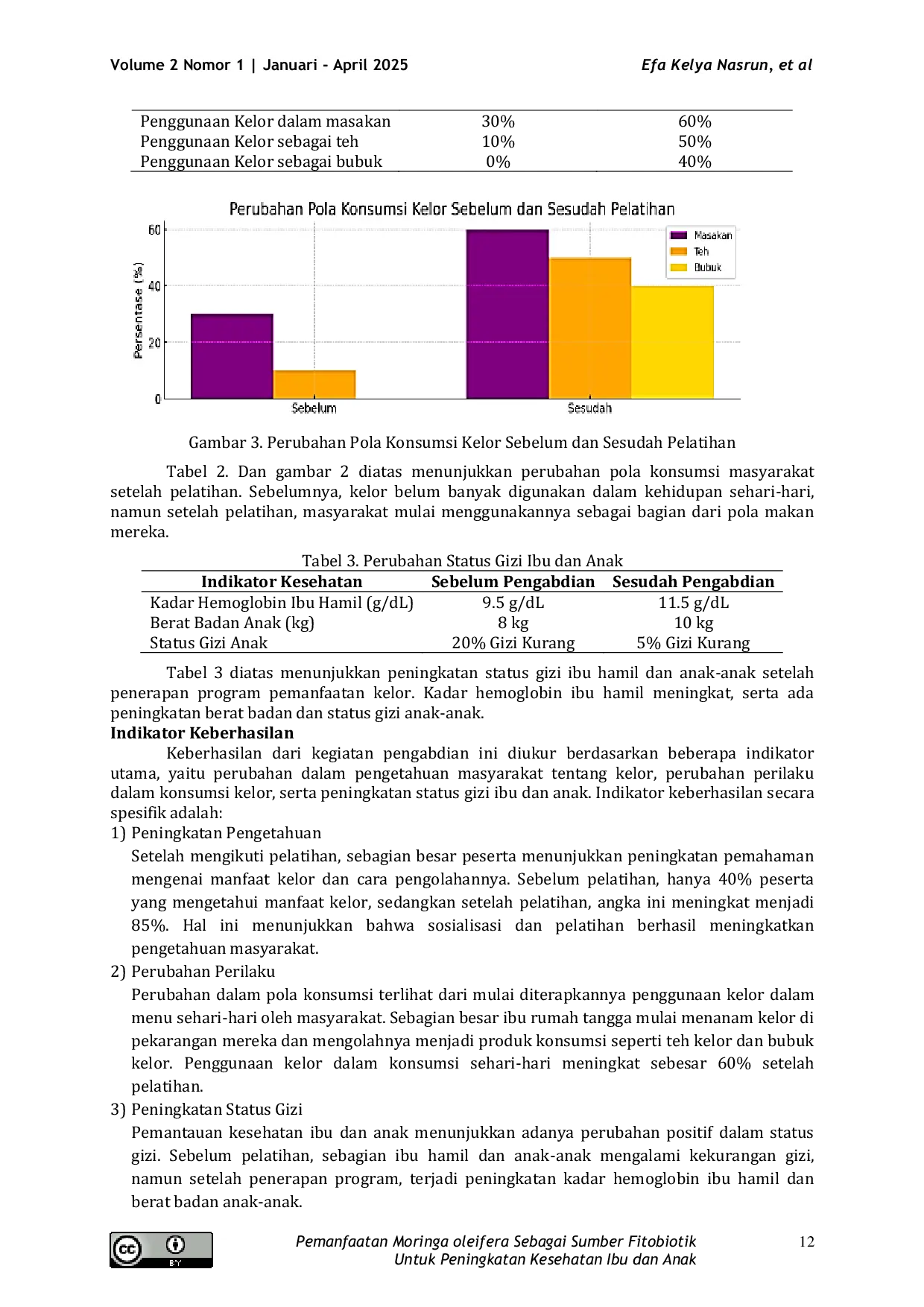
Q2LIIQ2LII Hasil kegiatan menunjukkan peningkatan signifikan dalam pengetahuan masyarakat mengenai kelor, dengan 85% peserta memahami manfaatnya setelah pelatihan.Hasil kegiatan menunjukkan peningkatan signifikan dalam pengetahuan masyarakat mengenai kelor, dengan 85% peserta memahami manfaatnya setelah pelatihan.