PTTIPTTI
Journal of Fuzzy Systems and ControlJournal of Fuzzy Systems and ControlIn the current context, the demand for clean water in daily life and in industrial environments is increasing, showing that the need for improved operation of water supply systems as well as management efficiency is essential. The pressure pump system is one of the important factors that help improve the stability of the water supply demand. The system helps ensure the quality of the water supply, has the function of maintaining stable pressure in the pipeline, avoiding sudden pressure changes that damage equipment, causing unsafe incidents at the operating site, and for users. This paper presents an experimental study on a booster pump system model integrated with programmable logic controller (PLC) and supervisory control and data acquisition (SCADA) technologies, along with a human-machine interface (HMI), to automate operation, alternate pump operation, apply proportional integral derivative (PID) control without an expansion tank, and monitor the system without manual or semi-automatic intervention. Based on the experiment and evaluation methods, the study shows the potential for improving the pressure pump system in the wastewater treatment and domestic water supply industry.
The objective of this research is to develop an integrated automation system for a dual-pump booster station that combines PLC, SCADA, and PID control technologies.The proposed configuration focuses on maintaining constant pipeline pressure without the need for a pressure tank, while ensuring alternating pump operation for load balancing and equipment longevity.Through the integration of real-time monitoring and centralized supervision via SCADA and HMI interfaces, the system is expected to enhance operational reliability and minimize manual intervention.The design approach follows advanced control strategies applied in hydraulic power systems and incorporates recent progress in intelligent optimization of PID parameters for improved dynamic response.The overall goal is to establish a cost-effective and scalable control framework suitable for both industrial and municipal water distribution systems.
Berdasarkan penelitian ini, beberapa saran penelitian lanjutan dapat diajukan untuk meningkatkan efisiensi dan keandalan sistem pompa booster. Pertama, integrasi sensor IoT untuk memantau kondisi pompa secara real-time, seperti suhu dan getaran, dapat memungkinkan deteksi dini potensi kegagalan dan penjadwalan perawatan preventif yang lebih efektif. Kedua, penerapan algoritma machine learning untuk memprediksi kebutuhan air berdasarkan pola historis dan faktor eksternal, seperti cuaca, dapat mengoptimalkan operasi pompa dan mengurangi konsumsi energi. Ketiga, pengembangan sistem kontrol adaptif yang dapat menyesuaikan parameter PID secara otomatis berdasarkan kondisi operasional yang berubah dapat meningkatkan kinerja sistem secara keseluruhan dan mengurangi kebutuhan intervensi manual. Dengan menggabungkan saran-saran ini, sistem pompa booster dapat menjadi lebih cerdas, efisien, dan andal, serta berkontribusi pada pengelolaan sumber daya air yang berkelanjutan.
- PLC-based PID controller for real-time pH neutralization process using Palm Oil Mill Effluent | IIUM... journals.iium.edu.my/ejournal/index.php/iiumej/article/view/2366PLC based PID controller for real time pH neutralization process using Palm Oil Mill Effluent IIUM journals iium edu my ejournal index php iiumej article view 2366
- Comparison of PID Control Performances of Different PLC Series in a Hydraulic Proportional Valve System-An... doi.org/10.2339/politeknik.1476181Comparison of PID Control Performances of Different PLC Series in a Hydraulic Proportional Valve System An doi 10 2339 politeknik 1476181
- Water scarcity assessments in the past, present, and future - Liu - 2017 - Earth's Future - Wiley... agupubs.onlinelibrary.wiley.com/doi/10.1002/2016EF000518Water scarcity assessments in the past present and future Liu 2017 Earths Future Wiley agupubs onlinelibrary wiley doi 10 1002 2016EF000518
- Challenges and Opportunities in Securing the Industrial Internet of Things | IEEE Journals & Magazine... ieeexplore.ieee.org/document/9195014Challenges and Opportunities in Securing the Industrial Internet of Things IEEE Journals Magazine ieeexplore ieee document 9195014
| File size | 1.93 MB |
| Pages | 10 |
| DMCA | Report |
Related /

IDID Program Pengabdian Kepada Masyarakat yang dilaksanakan bersama Kelompok Primordia Berkah Mandiri Desa Brakas telah memberikan hasil yang signifikan terhadapProgram Pengabdian Kepada Masyarakat yang dilaksanakan bersama Kelompok Primordia Berkah Mandiri Desa Brakas telah memberikan hasil yang signifikan terhadap
KOMPETIFKOMPETIF Penelitian ini berkontribusi pada pengembangan ilmu manajemen sumber daya manusia, khususnya perilaku kerja inovatif, dengan menguji pengaruh efisiensiPenelitian ini berkontribusi pada pengembangan ilmu manajemen sumber daya manusia, khususnya perilaku kerja inovatif, dengan menguji pengaruh efisiensi

BSIBSI Selain itu, integrasi fitur anti-windup dalam pengendali PID turut membantu menjaga kestabilan sistem saat terjadi saturasi aktuator. Temuan ini menunjukkanSelain itu, integrasi fitur anti-windup dalam pengendali PID turut membantu menjaga kestabilan sistem saat terjadi saturasi aktuator. Temuan ini menunjukkan
UWKSUWKS Klasifikasi kerusakan gearset dilakukan dengan metode KNN menggunakan parameter RPM motor dan RPM roll. Sementara itu, deteksi kerusakan bearing dilakukanKlasifikasi kerusakan gearset dilakukan dengan metode KNN menggunakan parameter RPM motor dan RPM roll. Sementara itu, deteksi kerusakan bearing dilakukan
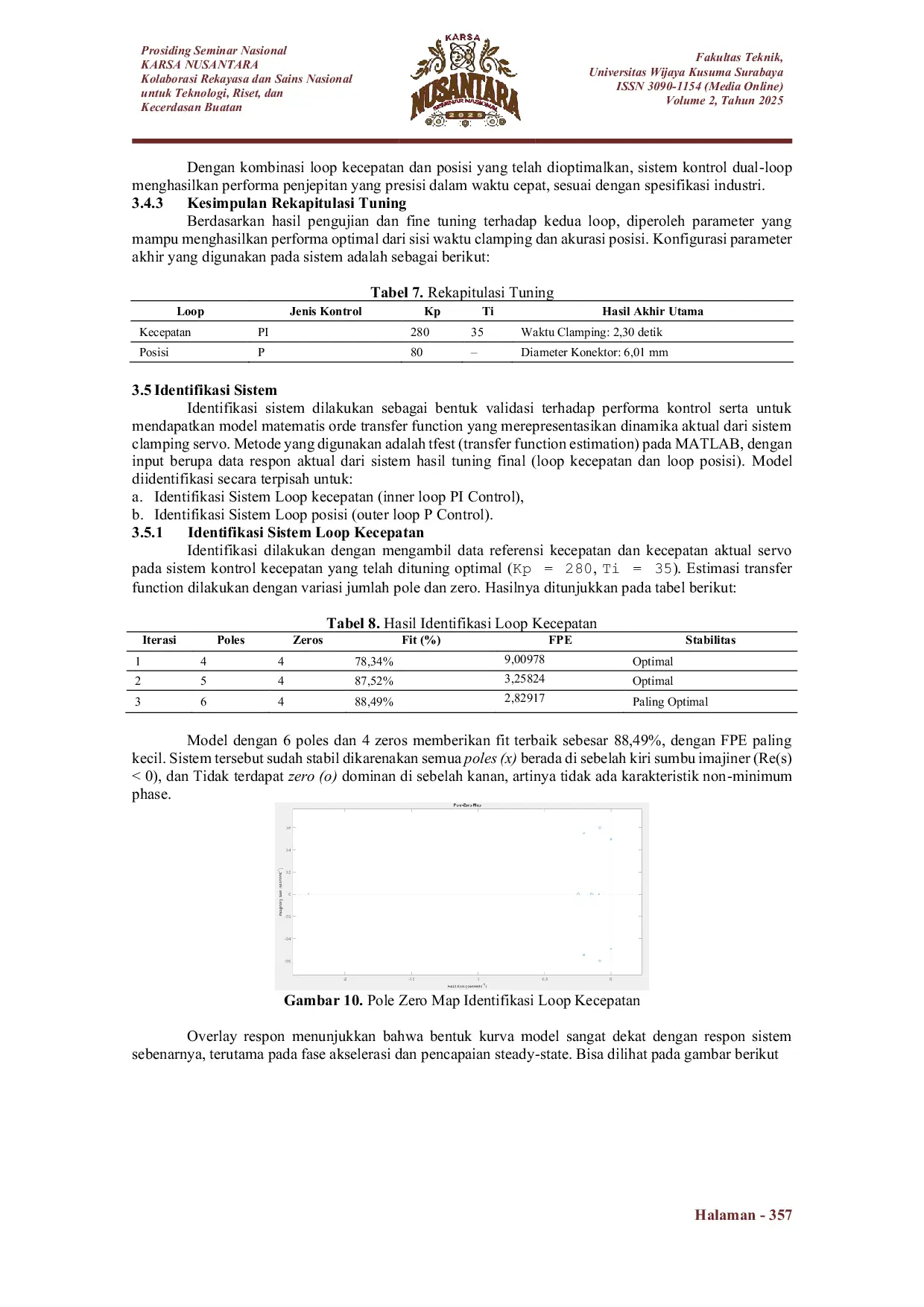
UWKSUWKS Variasi diameter kontak konektor baterai pada penyambungan mesin press welding menyebabkan perubahan resistansi yang tidak terkendali, menghasilkan fluktuasiVariasi diameter kontak konektor baterai pada penyambungan mesin press welding menyebabkan perubahan resistansi yang tidak terkendali, menghasilkan fluktuasi
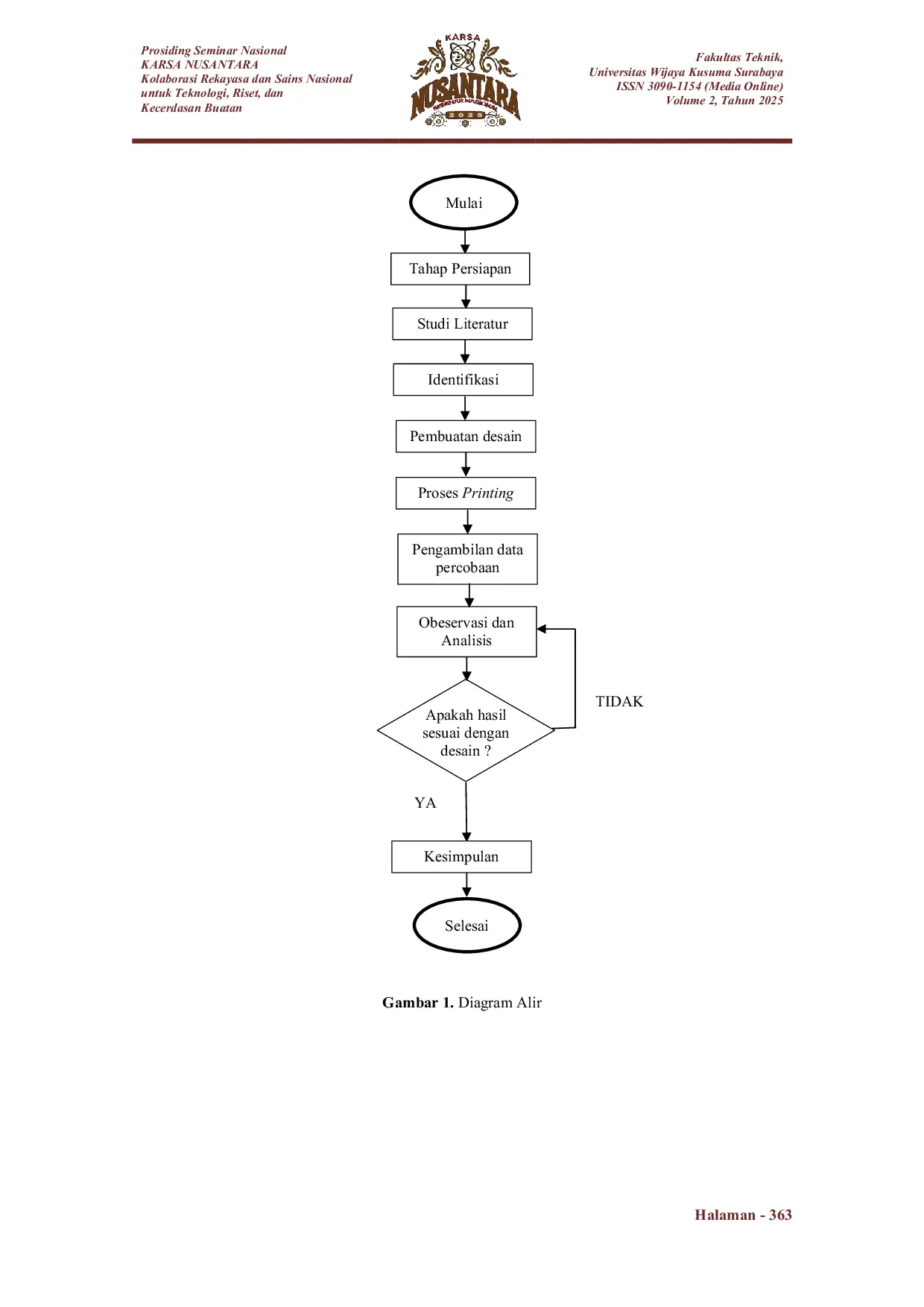
UWKSUWKS Kuadran ini menunjukkan masalah yang tergolong mudah untuk diatasi, meskipun dampaknya tidak terlalu signifikan, dan (4) Kuadran thankless task.menunjukkanKuadran ini menunjukkan masalah yang tergolong mudah untuk diatasi, meskipun dampaknya tidak terlalu signifikan, dan (4) Kuadran thankless task.menunjukkan
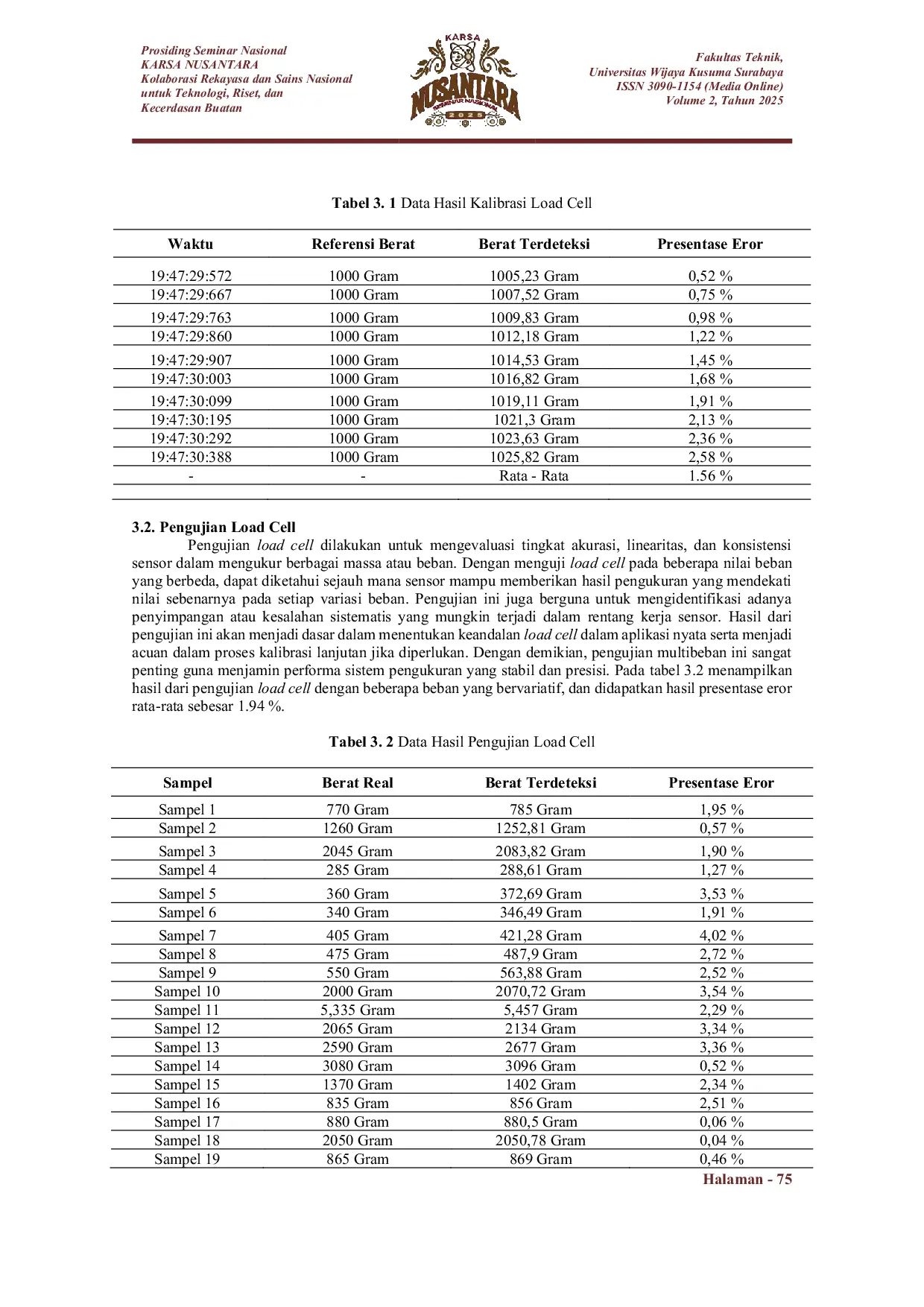
UWKSUWKS Penelitian ini berhasil merancang dan mengimplementasikan Sistem Kontrol Berat pada Two-Stage Filling Gate Valve Hopper berbasis pneumatic-servo menggunakanPenelitian ini berhasil merancang dan mengimplementasikan Sistem Kontrol Berat pada Two-Stage Filling Gate Valve Hopper berbasis pneumatic-servo menggunakan

ITNITN Dari hasil penelitian dapat disimpulkan bahwa untuk proses pemecahan kemiri, nilai kadar air kemiri yang sesuai adalah 3,7% dari penggunaan bahan bakarDari hasil penelitian dapat disimpulkan bahwa untuk proses pemecahan kemiri, nilai kadar air kemiri yang sesuai adalah 3,7% dari penggunaan bahan bakar
Useful /

IDEREACHIDEREACH Diabetic wound healing is hindered by the interplay of oxidative stress, chronic inflammation, and excessive extracellular matrix degradation, which collectivelyDiabetic wound healing is hindered by the interplay of oxidative stress, chronic inflammation, and excessive extracellular matrix degradation, which collectively
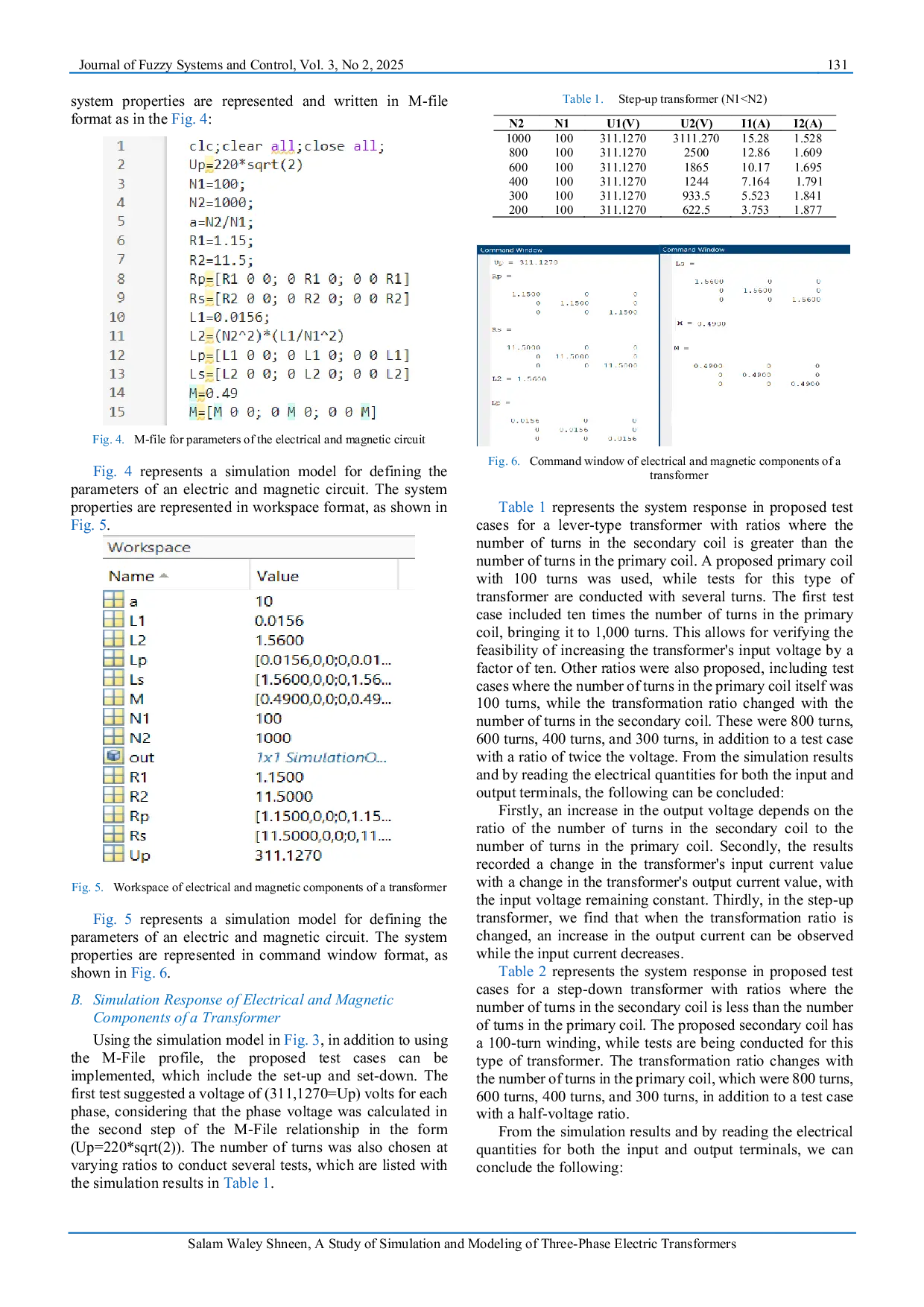
PTTIPTTI Dengan memvariasikan jumlah lilitan pada kumparan primer dan sekunder, rasio transformasi dapat ditentukan, serta perubahan arus input dan output sistemDengan memvariasikan jumlah lilitan pada kumparan primer dan sekunder, rasio transformasi dapat ditentukan, serta perubahan arus input dan output sistem

POLITALAPOLITALA Pengenalan dan Pelatihan Produk Ecoprint ini bertujuan untuk meningkatkan pengetahuan dan pengalaman peserta didik SMP Islam Terpadu Daar El Quran di bidangPengenalan dan Pelatihan Produk Ecoprint ini bertujuan untuk meningkatkan pengetahuan dan pengalaman peserta didik SMP Islam Terpadu Daar El Quran di bidang
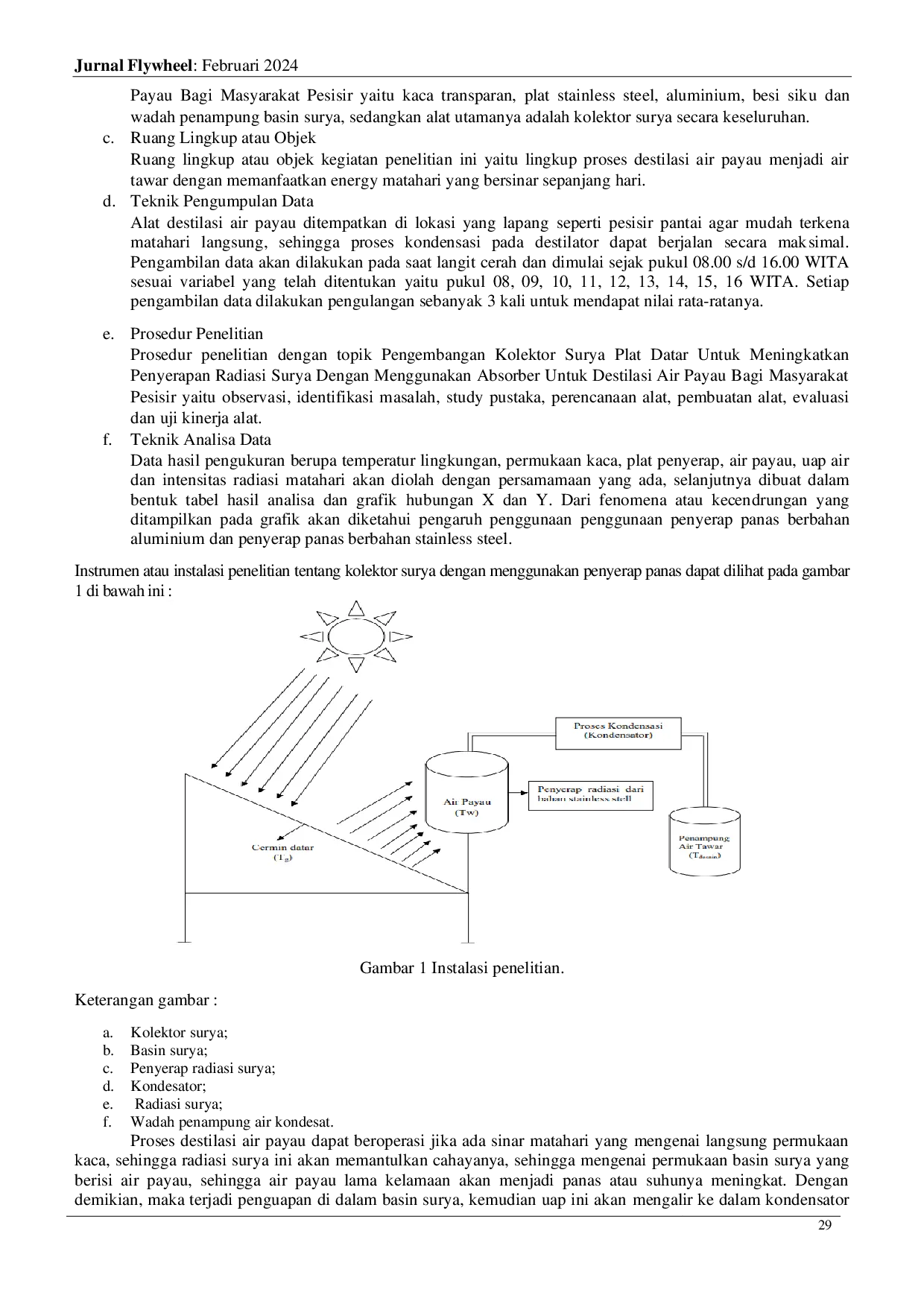
ITNITN Selain itu, desain penyerap radiasi galvanis menghasilkan efisiensi maksimum 34,47% pada waktu yang sama. Dengan demikian, alat destilasi air payau berbasisSelain itu, desain penyerap radiasi galvanis menghasilkan efisiensi maksimum 34,47% pada waktu yang sama. Dengan demikian, alat destilasi air payau berbasis