DINASTIRESDINASTIRES
Journal of Law, Politic and HumanitiesJournal of Law, Politic and HumanitiesThe development of digital technology has facilitated the distribution of pornographic content through social media, creating new challenges for criminal law enforcement. This phenomenon demands adaptive and proportional criminal policies based on contemporary criminal law principles and the provisions of Law Number 44 of 2008 concerning Pornography. The problem faced is how to regulate criminal policies for perpetrators of the distribution of digital pornographic content through social media in Indonesia and how to construct criminal policies for the distribution of digital pornographic content through social media in Indonesia. The research method used in this study is normative juridical legal research. The results of the study indicate that the regulation of criminal policies for perpetrators of the distribution of digital pornographic content through social media in Indonesia is regulated in Law Number 44 of 2008 concerning Pornography and supported by the Information and Electronic Transactions (ITE) Law, but its implementation still requires harmonization to be more effective and adaptive to developments in digital technology. Meanwhile, the construction of criminal policies for the distribution of digital pornographic content needs to be directed towards a more comprehensive approach, by balancing aspects of law enforcement, protection of public morals, and the right to freedom of expression within the framework of contemporary criminal law.
The criminal policy regulations for perpetrators of the distribution of digital pornographic content via social media in Indonesia have a strong legal basis through the Pornography Law and the ITE Law.However, the implementation of these policies still faces challenges related to the dynamics of technological development.Therefore, an adaptive reconstruction of criminal law policy is needed, balancing repressive and preventive approaches, strengthening coordination between law enforcement agencies, and prioritizing the protection of human rights and digital literacy.
Berdasarkan analisis terhadap judul, abstrak, dan kesimpulan, serta mempertimbangkan latar belakang, metode, hasil, keterbatasan, dan saran penelitian lanjutan yang telah ada, terdapat beberapa ide penelitian baru yang dapat dikembangkan. Pertama, perlu dilakukan penelitian mendalam mengenai efektivitas implementasi pasal-pasal dalam UU Pornografi dan UU ITE dalam menanggulangi penyebaran konten pornografi digital di media sosial, dengan fokus pada identifikasi hambatan-hambatan yang dihadapi oleh aparat penegak hukum dan solusi untuk mengatasinya. Kedua, penelitian dapat diarahkan untuk mengkaji lebih lanjut mengenai perlunya pembentukan regulasi khusus yang mengatur tanggung jawab platform media sosial dalam mencegah dan menghapus konten pornografi, termasuk mekanisme pengawasan dan sanksi yang jelas. Ketiga, penelitian dapat dilakukan untuk mengeksplorasi pendekatan restoratif dalam penanganan kasus penyebaran konten pornografi digital, dengan mempertimbangkan aspek rehabilitasi bagi pelaku dan perlindungan terhadap korban, serta peran masyarakat dalam proses pemulihan. Penelitian-penelitian ini diharapkan dapat memberikan kontribusi signifikan dalam pengembangan kebijakan kriminal yang lebih efektif, adil, dan sesuai dengan perkembangan teknologi serta nilai-nilai sosial budaya di Indonesia.
| File size | 325.06 KB |
| Pages | 9 |
| DMCA | Report |
Related /

SEAN INSTITUTESEAN INSTITUTE The research method used is qualitative, with a case study approach. Data was collected through in-depth interviews with 15 informants who are SkintificThe research method used is qualitative, with a case study approach. Data was collected through in-depth interviews with 15 informants who are Skintific

PENELITIPENELITI Education and evangelism are inseparable and cannot be seen hierarchically in their implementation. The foster education model and meeting invitationsEducation and evangelism are inseparable and cannot be seen hierarchically in their implementation. The foster education model and meeting invitations
LPPPIPUBLISHINGLPPPIPUBLISHING The research results show that green marketing is a comprehensive business strategy that integrates environmental sustainability principles into the entireThe research results show that green marketing is a comprehensive business strategy that integrates environmental sustainability principles into the entire

4141 The research method used is a qualitative approach with a literature study through analysis of Al-Syathibis main works, namely Al-Muwāfaqāt fī UṣūlThe research method used is a qualitative approach with a literature study through analysis of Al-Syathibis main works, namely Al-Muwāfaqāt fī Uṣūl

DINASTIRESDINASTIRES It is concluded that this lighter sentence than the maximum penalty is considered contrary to the spirit of Article 310(4) of the LLAJ Law. Based on theIt is concluded that this lighter sentence than the maximum penalty is considered contrary to the spirit of Article 310(4) of the LLAJ Law. Based on the

DINASTIRESDINASTIRES Its six pillars – easy reporting, digital literacy, integrated services, forensic infrastructure, capable investigators, and collaborative law enforcementIts six pillars – easy reporting, digital literacy, integrated services, forensic infrastructure, capable investigators, and collaborative law enforcement
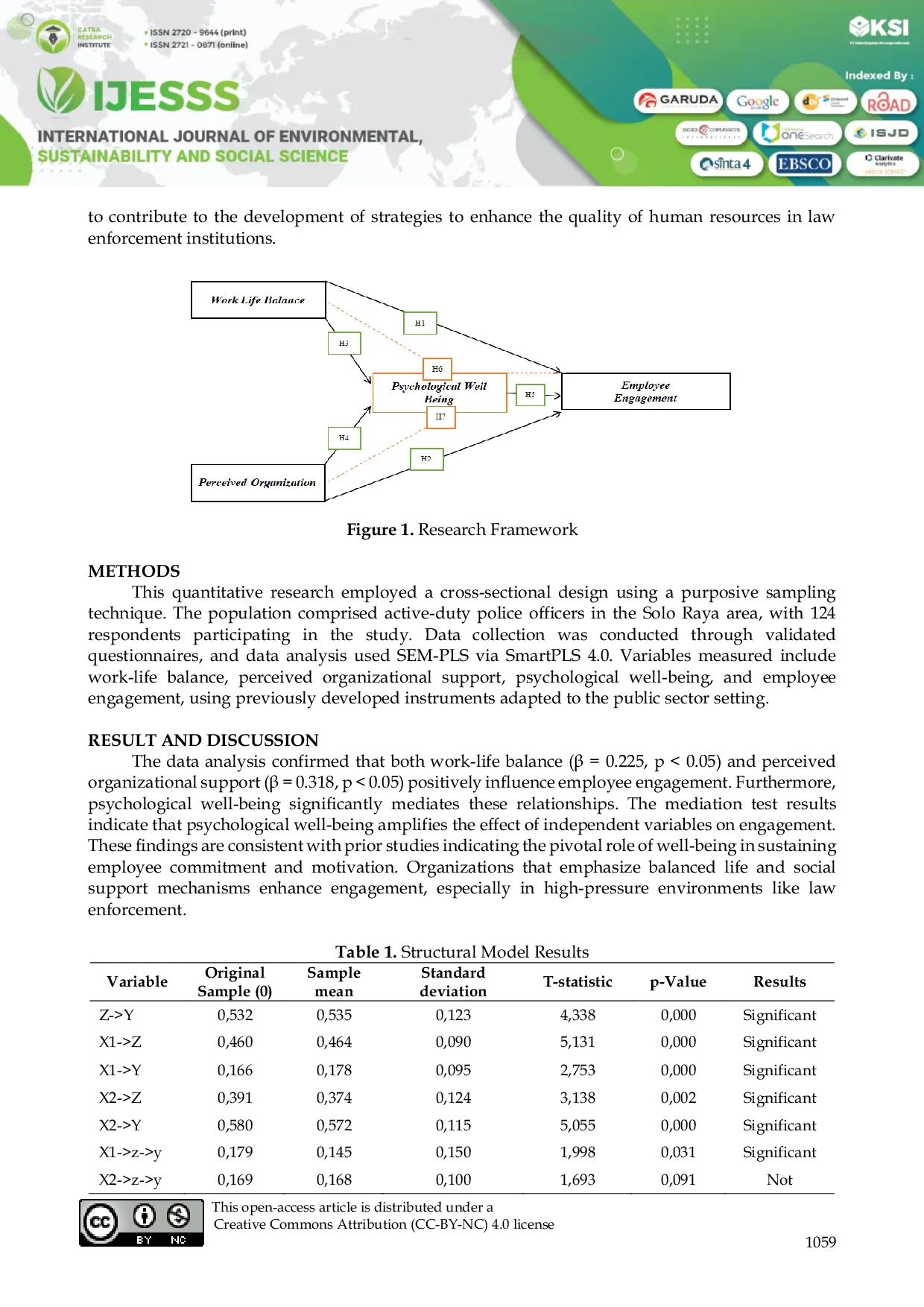
JOURNALKEBERLANJUTANJOURNALKEBERLANJUTAN Police officers who experience organizational support and maintain a work-life balance are more likely to report higher engagement levels when their psychologicalPolice officers who experience organizational support and maintain a work-life balance are more likely to report higher engagement levels when their psychological
UTPUTP 84. Overall consumer satisfaction with Anthurium ornamental plants at the Ornamental Plant Center falls within the satisfied category, with a CSI value84. Overall consumer satisfaction with Anthurium ornamental plants at the Ornamental Plant Center falls within the satisfied category, with a CSI value
Useful /
LPPPIPUBLISHINGLPPPIPUBLISHING Bagaimana kualitas pelaporan keuangan Islam mempengaruhi keputusan investasi, dalam menjalankan perusahaan dapat dipastikan bahwa ada beberapa tujuan yangBagaimana kualitas pelaporan keuangan Islam mempengaruhi keputusan investasi, dalam menjalankan perusahaan dapat dipastikan bahwa ada beberapa tujuan yang
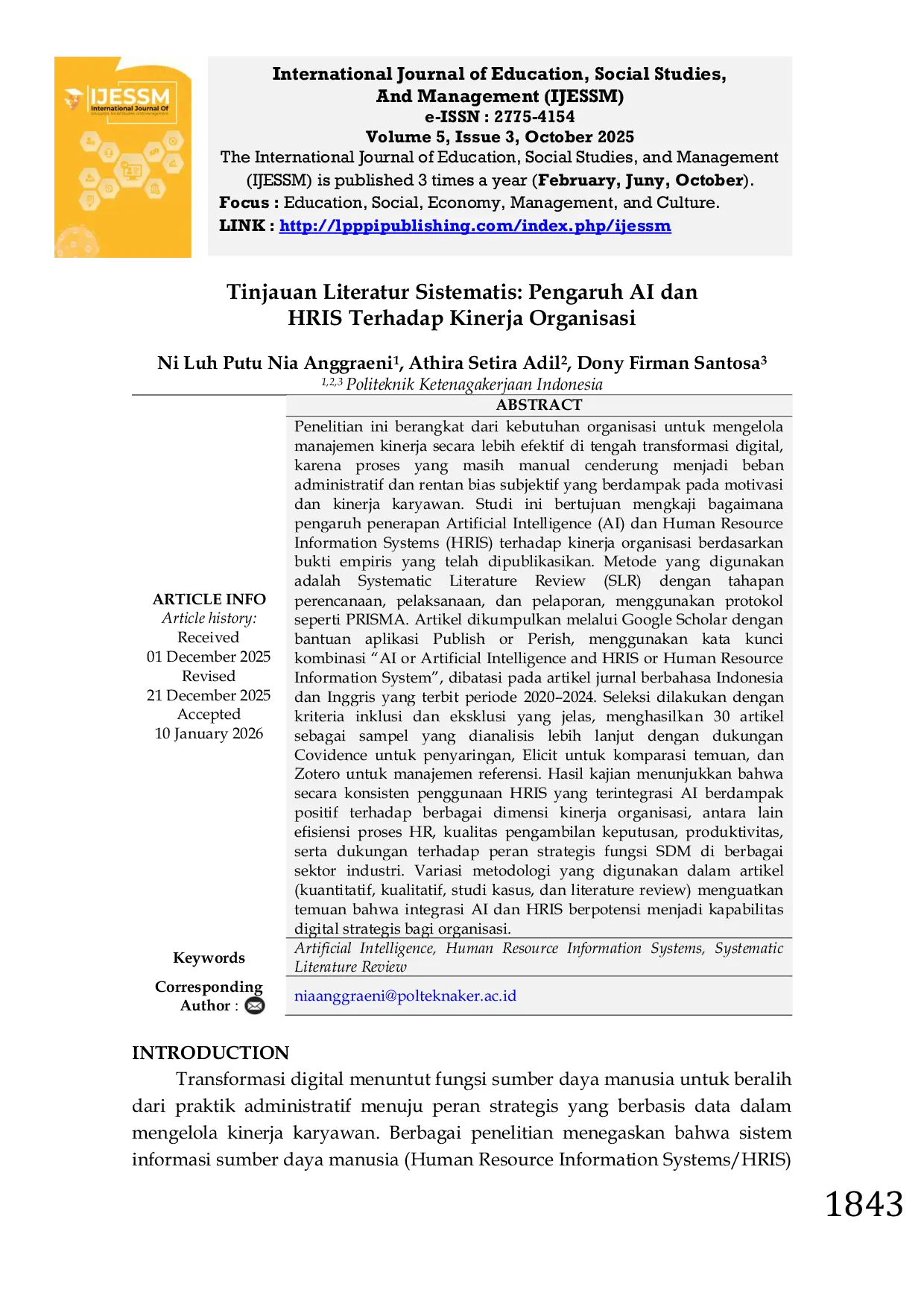
LPPPIPUBLISHINGLPPPIPUBLISHING Tinjauan literatur sistematis ini menyimpulkan bahwa integrasi Human Resource Information Systems (HRIS) dan Artificial Intelligence (AI) secara konsistenTinjauan literatur sistematis ini menyimpulkan bahwa integrasi Human Resource Information Systems (HRIS) dan Artificial Intelligence (AI) secara konsisten

DINASTIRESDINASTIRES Studi ini bertujuan untuk menganalisis kepastian hukum dalam penyelesaian sengketa proses Pendaftaran Tanah Sistematis Lengkap (PTSL) melalui Kepala DesaStudi ini bertujuan untuk menganalisis kepastian hukum dalam penyelesaian sengketa proses Pendaftaran Tanah Sistematis Lengkap (PTSL) melalui Kepala Desa

AISYAHUNIVERSITYAISYAHUNIVERSITY Penerapan dressing madu dalam perawatan luka tidak semua bisa menggunakan madu tergantung kondisi luka. Pemilihan madu perlu adanya evaluasi dalam perawatanPenerapan dressing madu dalam perawatan luka tidak semua bisa menggunakan madu tergantung kondisi luka. Pemilihan madu perlu adanya evaluasi dalam perawatan