RISETPRESSRISETPRESS
Journal of Business Management and Economic DevelopmentJournal of Business Management and Economic DevelopmentThis research aimed to explore the factors influencing teacher retention at SMA Negeri 1 Tuntang, Kabupaten Semarang, focusing on the role of school leadership, job satisfaction, financial compensation, workload, and professional development. A qualitative case study approach was employed, utilizing interviews with teachers and school leaders to gather in-depth insights into the challenges and strategies related to teacher retention in a rural school setting. The findings revealed that school leadership plays a critical role in fostering a supportive environment for teachers, with leadership practices such as mentorship, professional development opportunities, and inclusive decision-making processes being key drivers of teacher retention. Additionally, job satisfaction, particularly in collegiality, administrative support, and work-life balance, was a significant factor in teachers decisions to stay. While not the sole determinant, financial compensation was also identified as an important consideration, especially for teachers with long-term financial commitments. The research emphasizes the importance of a holistic approach to teacher retention, highlighting the need for comprehensive human resource strategies that consider both professional and personal factors. This study contributes original insights into teacher retention in rural Indonesian schools, offering practical recommendations for improving retention rates through enhanced leadership practices and support systems. The value of this research lies in its potential to inform policies and practices that can improve teacher retention, thereby enhancing the quality of education in rural areas.
The study concludes that school leadership is crucial in influencing teacher retention at SMA Negeri 1 Tuntang.Effective leadership practices, including providing professional development, fostering a supportive environment, and ensuring clear communication, are key to encouraging teachers to remain at the school.Furthermore, factors such as job satisfaction, financial compensation, manageable workloads, and work-life balance significantly impact retention, with leadership playing a vital role in addressing these areas.Ultimately, a holistic approach to teacher retention, encompassing both professional and personal support, is essential for improving the quality of education in rural areas.
Further research should investigate the specific types of professional development programs that are most effective in retaining teachers in rural Indonesian schools, considering the unique challenges and resource constraints of these settings. Additionally, studies could explore the impact of financial incentives, such as housing allowances or transportation subsidies, on teacher retention rates in rural areas, assessing their cost-effectiveness and long-term sustainability. Finally, research is needed to examine the role of community involvement and support in teacher retention, exploring how schools can strengthen partnerships with local communities to create a more welcoming and supportive environment for teachers, thereby enhancing their commitment to the school and the students they serve. These investigations should consider the perspectives of teachers, school leaders, and community members to develop comprehensive and contextually relevant strategies for improving teacher retention in rural Indonesia.
- Lessons for Teacher Education: The Role of Critical Professional Development in Teacher of Color Retention... journals.sagepub.com/doi/10.1177/0022487118767645Lessons for Teacher Education The Role of Critical Professional Development in Teacher of Color Retention journals sagepub doi 10 1177 0022487118767645
- The Relationship Between School Administrators’ Leadership Styles, School Culture, and Organizational... doi.org/10.1177/2158244020902081The Relationship Between School AdministratorsAo Leadership Styles School Culture and Organizational doi 10 1177 2158244020902081
- Human resource management and developing proactive environmental strategies: The influence of environmental... doi.org/10.1002/hrm.21507Human resource management and developing proactive environmental strategies The influence of environmental doi 10 1002 hrm 21507
| File size | 490.69 KB |
| Pages | 15 |
| DMCA | Report |
Related /

FEB UMIFEB UMI Budaya lingkungan yang kuat mendorong penerapan praktik GHRM seperti rekrutmen hijau, pelatihan berbasis kesadaran lingkungan, dan penilaian perilaku ramahBudaya lingkungan yang kuat mendorong penerapan praktik GHRM seperti rekrutmen hijau, pelatihan berbasis kesadaran lingkungan, dan penilaian perilaku ramah

RADJAPUBLIKARADJAPUBLIKA Temuan diharapkan dapat memberikan pemahaman yang lebih dalam tentang bagaimana organisasi di negara-negara berkembang dapat memanfaatkan Sustainable HRMTemuan diharapkan dapat memberikan pemahaman yang lebih dalam tentang bagaimana organisasi di negara-negara berkembang dapat memanfaatkan Sustainable HRM

PROVISIPROVISI Metode penelitian menggunakan pendekatan mixed methods dengan desain sequential exploratory, di mana pendekatan kualitatif studi kasus multipel menjadiMetode penelitian menggunakan pendekatan mixed methods dengan desain sequential exploratory, di mana pendekatan kualitatif studi kasus multipel menjadi

RADJAPUBLIKARADJAPUBLIKA Strategi yang dibahas meliputi implementasi program pelatihan keterampilan hijau, kebijakan upah yang setara, dan pengukuran kinerja berdasarkan dampakStrategi yang dibahas meliputi implementasi program pelatihan keterampilan hijau, kebijakan upah yang setara, dan pengukuran kinerja berdasarkan dampak

RADJAPUBLIKARADJAPUBLIKA The SOAR analysis resulted in a performance improvement strategy that emphasizes strengthening leadership with integrity, developing human resource competencies,The SOAR analysis resulted in a performance improvement strategy that emphasizes strengthening leadership with integrity, developing human resource competencies,

RADJAPUBLIKARADJAPUBLIKA Demikian pula, OCBE tidak dapat memediasi efek GHRM terhadap CEP untuk alasan yang sama. Berdasarkan hasil penelitian, dapat disimpulkan bahwa implementasiDemikian pula, OCBE tidak dapat memediasi efek GHRM terhadap CEP untuk alasan yang sama. Berdasarkan hasil penelitian, dapat disimpulkan bahwa implementasi
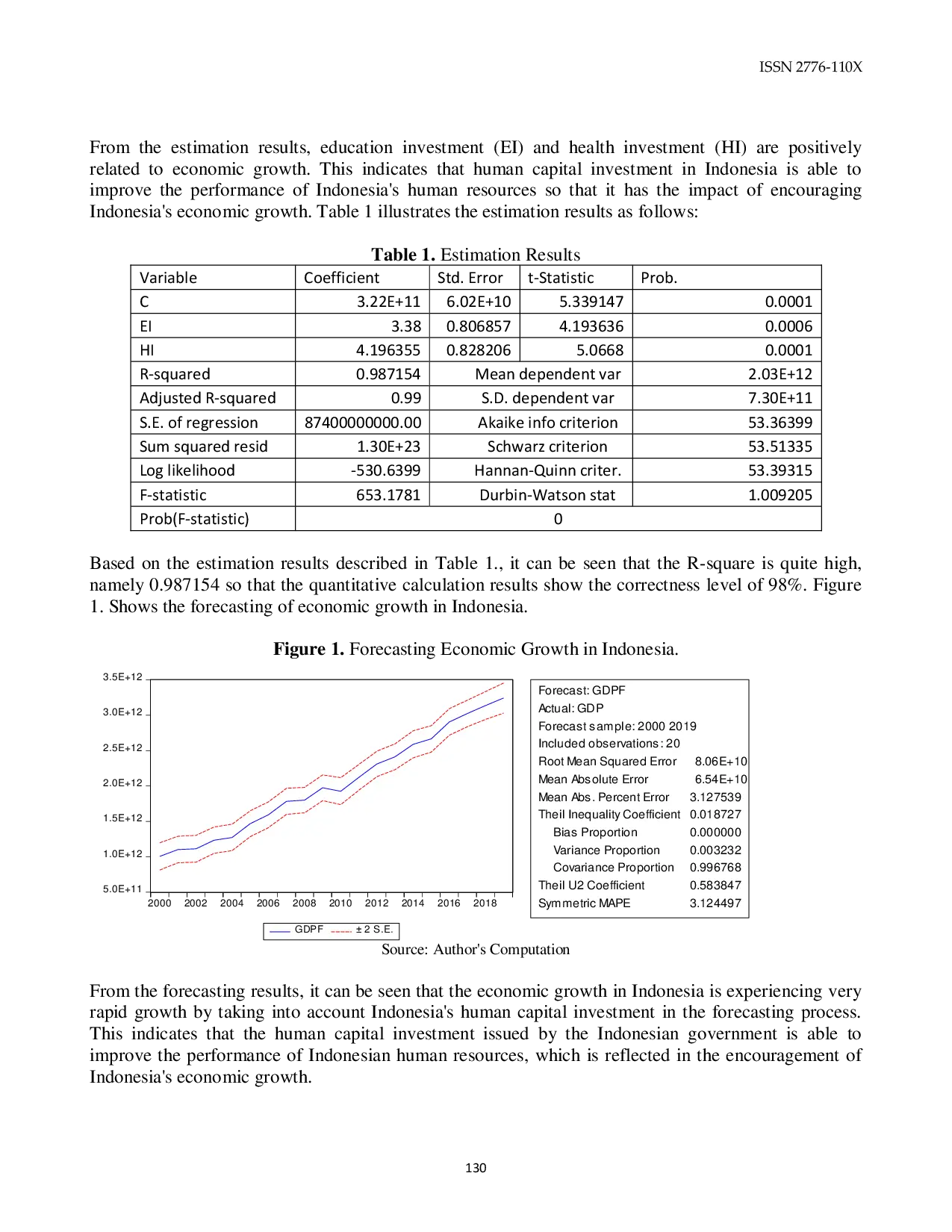
STIEKNSTIEKN This study examines the role of human capital investment in the form of improving education and health services in Indonesia in order to improve the performanceThis study examines the role of human capital investment in the form of improving education and health services in Indonesia in order to improve the performance

YPIDATHUYPIDATHU Perencanaan sumber daya manusia (SDM) adalah proses strategis untuk mengantisipasi kebutuhan SDM di masa depan, memastikan ketersediaan jumlah dan kualitasPerencanaan sumber daya manusia (SDM) adalah proses strategis untuk mengantisipasi kebutuhan SDM di masa depan, memastikan ketersediaan jumlah dan kualitas
Useful /

UNISMUHUNISMUH Namun, adopsi belum mencapai implementasi penuh, dengan banyak warga yang masih lebih memilih layanan langsung tatap muka. Secara keseluruhan, studi iniNamun, adopsi belum mencapai implementasi penuh, dengan banyak warga yang masih lebih memilih layanan langsung tatap muka. Secara keseluruhan, studi ini

UNISMUHUNISMUH Temuan ini memberikan kontribusi empiris dengan menunjukkan bahwa keberhasilan kolaborasi sangat bergantung pada kemampuan pemerintah daerah dalam membangunTemuan ini memberikan kontribusi empiris dengan menunjukkan bahwa keberhasilan kolaborasi sangat bergantung pada kemampuan pemerintah daerah dalam membangun

RISETPRESSRISETPRESS Penelitian ini bertujuan menganalisis dinamika absorpsi tenaga kerja di industri perabot Kota Jayapura, mengidentifikasi faktor-faktor yang mempengaruhinya,Penelitian ini bertujuan menganalisis dinamika absorpsi tenaga kerja di industri perabot Kota Jayapura, mengidentifikasi faktor-faktor yang mempengaruhinya,

RISETPRESSRISETPRESS Metode penelitian kuantitatif dengan data sekunder berupa laporan tahunan bank dijadikan sampel 7 bank digital dan 7 bank konvensional. Pengujian hipotesisMetode penelitian kuantitatif dengan data sekunder berupa laporan tahunan bank dijadikan sampel 7 bank digital dan 7 bank konvensional. Pengujian hipotesis