POLIMEDIAPOLIMEDIA
Jurnal Ilmiah PublipreneurJurnal Ilmiah PublipreneurThis paper examines the problem of low editing skills, especially among students of Creative Media State Polytechnic Publishing. This study also departs from the problem of untested editing skills. Therefore, this article aims to 1) map the level of testing of the editing skills of the Creative Media State Polytechnic Publishing Study Program Students with a specialization in editing; 2) mapping the level of editing skill testing of the State Polytechnic Creative Media Publishing Study Program Students with a specialization in writing; 3) produce a comparison map of the testing skills of the State Polytechnic Creative Media Publishing Study Program between those who are interested in editing with those who are interested in writing. The study with the grand qualitative method used a script editing design. The data processing methods are descriptive and comparative. The data collection techniques applied were interviews and questionnaires. The activity plan showing the procedure for this study is as follows. Publishing student data collection who will be the study sample. Conducting interviews to get initial data. Testing the editing competence of Publishing students. Processing test data. Formulating policies, models, and conclusions. This study has resulted in the editing competency level of the Creative Media State Polytechnic Publishing students. The level of competence does not represent a qualified ability. The basic editing skills of the tested students showed a very good level as evidenced by their generally very good grades. Spelling and grammar skills are quite good. However, the syntactic capabilities still need to be improved. Therefore, the improvement of editing competency still needs to be improved, especially with regard to applied editing. According to the level achievement of the editing competency level of the Creative Media State can be generated.
The test conducted shows that the level of editing skill testing of Creative Media State Polytechnic Publishing students did not demonstrate a high level of proficiency.Publishing students still need to refine their practical editing skills, particularly in the area of basic sentence structure.However, their foundational knowledge is already quite strong.Based on the results, it is recommended that editing instruction prioritize practical application over theoretical aspects, and that efforts be made to strengthen the technical language skills of Creative Media State Polytechnic Publishing students, specifically focusing on spelling, word choice, and sentence construction.Further research should focus on providing more intensive assistance to strengthen the editing skills of students.
Based on the limitations of this study and the existing literature, several avenues for future research emerge. First, a more comprehensive curriculum development is needed to ensure the readiness of Creative Media State Polytechnic Publishing students, focusing on practical application and real-world editing scenarios. Second, further investigation into the specific challenges students face with syntactic capabilities is warranted, potentially through targeted workshops or individualized tutoring. Finally, exploring the effectiveness of different pedagogical approaches to teaching editing, such as peer review or simulated professional editing projects, could provide valuable insights for improving student outcomes. These research directions build upon the current studys findings and aim to address the identified gaps in editing skill development, ultimately contributing to a more skilled and competitive publishing workforce.
| File size | 255.79 KB |
| Pages | 19 |
| DMCA | Report |
Related /
JOURNAL GEHUJOURNAL GEHU Penelitian ini menggunakan desain kualitatif deskriptif yang melibatkan tiga kelompok sosial siswa, pelajar sekolah, dan masyarakat umum sebagai pesertaPenelitian ini menggunakan desain kualitatif deskriptif yang melibatkan tiga kelompok sosial siswa, pelajar sekolah, dan masyarakat umum sebagai peserta

JOURNAL GEHUJOURNAL GEHU Penyelidikan ini telah menghasilkan komik matematika berbasis PBL yang efektif untuk meningkatkan kemampuan berpikir kritis siswa. Produk ini valid danPenyelidikan ini telah menghasilkan komik matematika berbasis PBL yang efektif untuk meningkatkan kemampuan berpikir kritis siswa. Produk ini valid dan
IC MESIC MES Tulisan ini bertujuan mendeskripsikan hubungan media dan terorisme yang sama-sama saling mempengaruhi dan saling memanfaatkan. Studi kasus yang diambilTulisan ini bertujuan mendeskripsikan hubungan media dan terorisme yang sama-sama saling mempengaruhi dan saling memanfaatkan. Studi kasus yang diambil
IC MESIC MES Perang Global Melawan Terorisme (GWOT) telah berlangsung 17 tahun sejak 2001 namun belum berhasil membuat dunia lebih aman. Aksi-aksi teror terus terjadiPerang Global Melawan Terorisme (GWOT) telah berlangsung 17 tahun sejak 2001 namun belum berhasil membuat dunia lebih aman. Aksi-aksi teror terus terjadi

UNDHIRA BALIUNDHIRA BALI Pengumpulan data dilakukan melalui kuesioner terstruktur yang telah diuji validitas dan reliabilitasnya. Hasil penelitian menunjukkan bahwa servant leadership,Pengumpulan data dilakukan melalui kuesioner terstruktur yang telah diuji validitas dan reliabilitasnya. Hasil penelitian menunjukkan bahwa servant leadership,

UNISAYOGYAUNISAYOGYA Sebagian besar responden salah dalam cara menyikat gigi (72,0%). Terdapat hubungan yang signifikan antara pengetahuan dengan kejadian karies gigi padaSebagian besar responden salah dalam cara menyikat gigi (72,0%). Terdapat hubungan yang signifikan antara pengetahuan dengan kejadian karies gigi pada
UNISAYOGYAUNISAYOGYA Penggunaan teknologi informasi di Era Digital 4. 0 saat ini tidak dapat dilepaskan dari kehidupan manusia. Peluang tersebut harus dapat dimanfaatkan olehPenggunaan teknologi informasi di Era Digital 4. 0 saat ini tidak dapat dilepaskan dari kehidupan manusia. Peluang tersebut harus dapat dimanfaatkan oleh
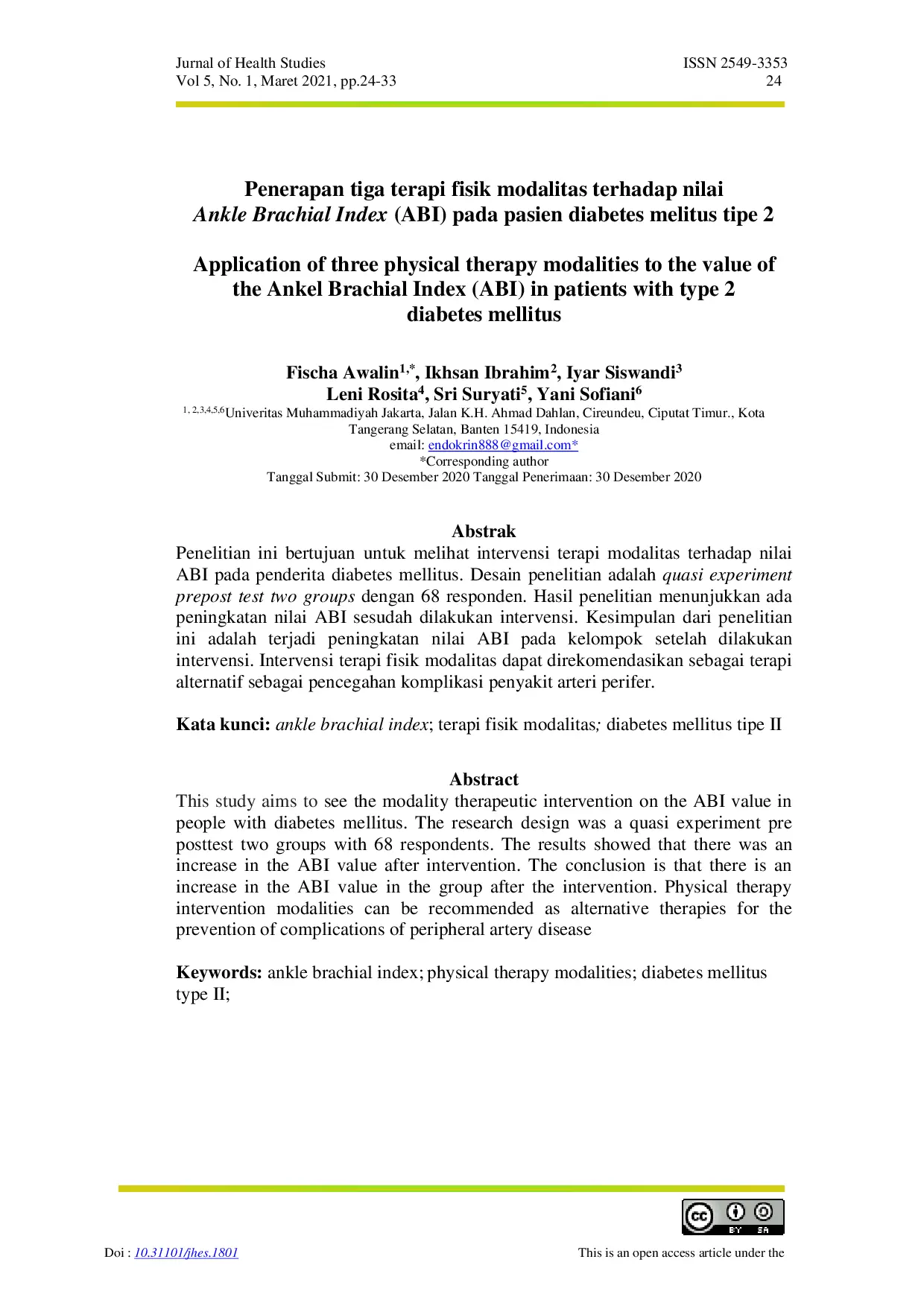
UNISAYOGYAUNISAYOGYA Hasil penelitian menunjukkan ada peningkatan nilai ABI sesudah dilakukan intervensi. Kesimpulan dari penelitian ini adalah terjadi peningkatan nilai ABIHasil penelitian menunjukkan ada peningkatan nilai ABI sesudah dilakukan intervensi. Kesimpulan dari penelitian ini adalah terjadi peningkatan nilai ABI
Useful /
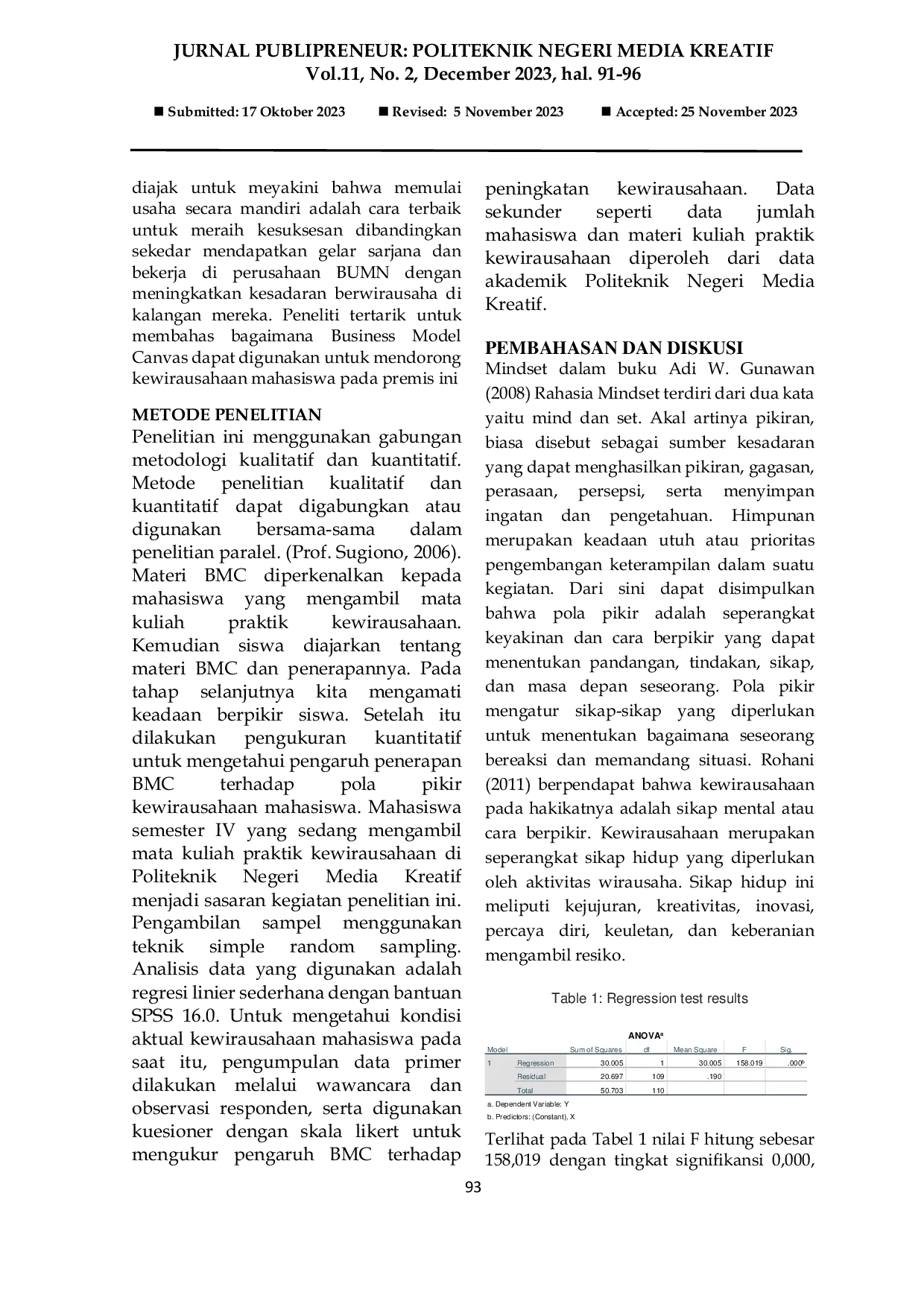
POLIMEDIAPOLIMEDIA Hasil penelitian ini menyatakan bahwa Business Model Canvas (BMC) berpengaruh positif terhadap pola pikir kewirausahaan mahasiswa. Business Model CanvasHasil penelitian ini menyatakan bahwa Business Model Canvas (BMC) berpengaruh positif terhadap pola pikir kewirausahaan mahasiswa. Business Model Canvas
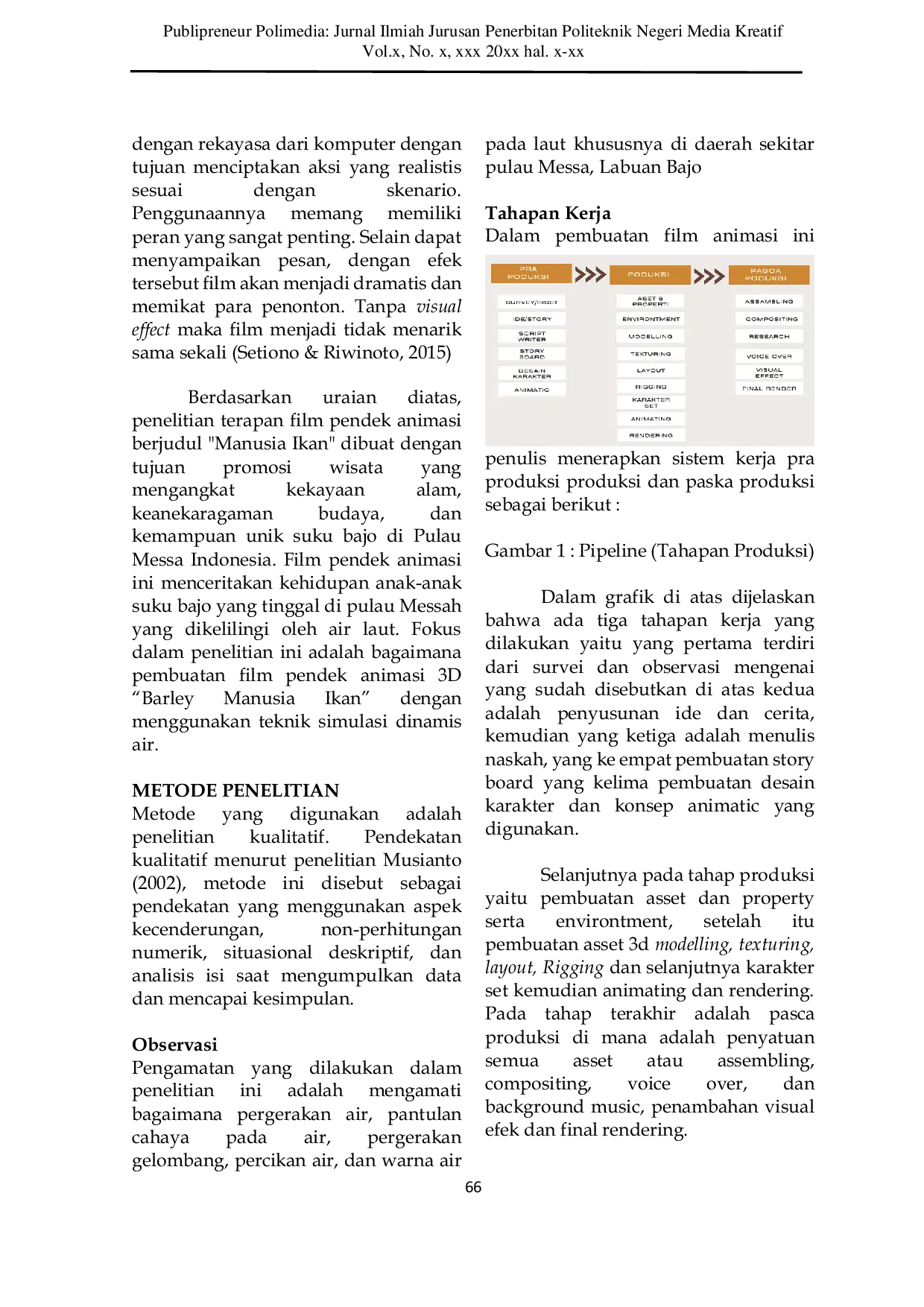
POLIMEDIAPOLIMEDIA Melalui berbagai tahap produksi animasi, dapat disimpulkan perihal proses perancangan pembuatan 3D model dan Dynamic water simulation adalah sebagai berikut.Melalui berbagai tahap produksi animasi, dapat disimpulkan perihal proses perancangan pembuatan 3D model dan Dynamic water simulation adalah sebagai berikut.
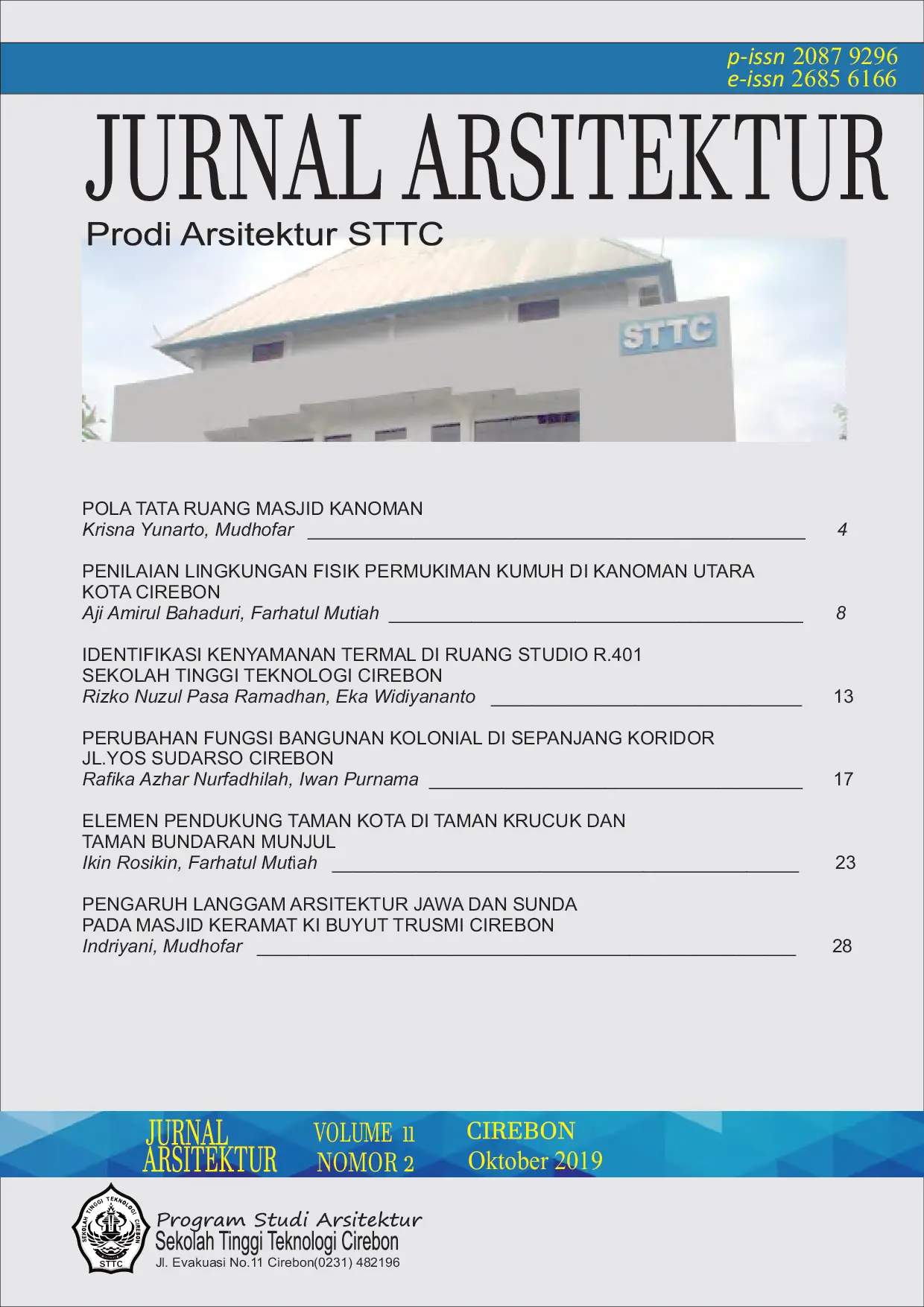
STTCIREBONSTTCIREBON Dari hasil penelitian, ada pola tata ruang masjid keraton kanoman mengadopsi pola tata ruang masjid jawa yang berbentuk asli bujur sangkar dengan 4 tiangDari hasil penelitian, ada pola tata ruang masjid keraton kanoman mengadopsi pola tata ruang masjid jawa yang berbentuk asli bujur sangkar dengan 4 tiang

STISABUZAIRISTISABUZAIRI Dengan penelitian ini, peneliti menemukan berbagai problematikan yang perlu segera diselesaikan baik melalui media ataupun dengan cara musyawarah. KataDengan penelitian ini, peneliti menemukan berbagai problematikan yang perlu segera diselesaikan baik melalui media ataupun dengan cara musyawarah. Kata