IJRETINAIJRETINA
International Journal of RetinaInternational Journal of RetinaBackground: Diabetic retinopathy (DR) is the most common microvascular complication of diabetes that can cause vision problems and blindness, posing a significant health risk and financial burden, increasing the need to effectively screen and manage diabetic eye disease. The current method of screening for diabetic eye disease relies on human experts to analyze the results. Alternatively, recent advancements in artificial intelligence (AI), especially deep learning (DL), and imaging using smartphones offer a promising solution for both patients and retinal ophthalmologists, potentially improving patient compliance and making telemedicine more efficient for DR screening.. . Purpose: To represent the accuracy of AI‑integrated process in smartphone-based DR screening and to compare the various study methods and settings used to achieve this accuracy.. . Method: Literature search on current DR screening programs was conducted following the Preferred Reporting Items for Systematic Reviews and Meta-Analyzes (PRISMA) framework on Google Scholar, Scopus, Web of Science, PubMed, Medline, and Embase with the most recent search updated on June 1st, 2024. Key information was extracted from the studies included: author names, journal, year of publication, country, sensitivity, specificity, positive and negative predictive values (if available), study methods, and settings.. . Result: The study identification process resulted in 9 selected studies. The performance metrics reported included intergrader/intramodality agreement, sensitivity, specificity, positive predictive value (PPV), and negative predictive value (NPV). The sensitivity of AI in detecting DR ranged from 77-100%, while specificity ranged from 61.4 - 95.5%. PPV and NPV were reported less frequently, with ranges of 48.1 - 92.92% and 91.3 - 99.46%, respectively. Intergrader agreement was within range ĸ= 0.45 – 0.91.. . Conclusion: The studies reviewed in this paper collectively represent the potential of smartphone-based integrated with AI in revolutionizing DR screening. The high sensitivity and specificity achieved by various AI algorithms, often exceeding the standards set by regulatory bodies like the FDA and ETDRS, highlight their accuracy in detecting DR and its severity levels. The accessibility and user-friendliness of smartphone-based retinal imaging further enhance the coverage of DR screening, particularly in underserved areas with limited resources and internet connectivity.
The studies reviewed demonstrate the potential of smartphone-based AI integration in transforming DR screening.The high sensitivity and specificity of AI algorithms, often surpassing regulatory standards, confirm their accuracy in detecting DR and its severity.Furthermore, the accessibility and ease of use of smartphone-based retinal imaging can significantly improve DR screening coverage, especially in resource-limited settings.
Penelitian lebih lanjut perlu dilakukan untuk mengevaluasi efektivitas intervensi berbasis AI dalam mengurangi angka kebutaan akibat retinopati diabetik di berbagai populasi dan pengaturan klinis. Studi prospektif yang melibatkan jumlah peserta yang besar dan beragam secara demografis sangat penting untuk mengkonfirmasi temuan ini dan mengidentifikasi potensi bias. Selain itu, penelitian harus fokus pada pengembangan algoritma AI yang lebih akurat dan efisien, serta integrasi yang mulus dengan sistem perawatan kesehatan yang ada. Pengembangan aplikasi smartphone yang mudah digunakan dan terjangkau, yang dapat digunakan oleh tenaga kesehatan non-spesialis, juga merupakan area penelitian yang menjanjikan. Terakhir, penelitian perlu mengeksplorasi penggunaan AI untuk memprediksi risiko perkembangan retinopati diabetik pada individu dengan diabetes, memungkinkan intervensi dini dan pencegahan kehilangan penglihatan.
| File size | 675.37 KB |
| Pages | 16 |
| DMCA | Report |
Related /
PPNIUNIMMANPPNIUNIMMAN Scoping review ini menunjukkan bahwa pemanfaatan AI dalam anestesiologi dan manajemen kegawatdaruratan meningkatkan efisiensi, akurasi triase, serta kecepatanScoping review ini menunjukkan bahwa pemanfaatan AI dalam anestesiologi dan manajemen kegawatdaruratan meningkatkan efisiensi, akurasi triase, serta kecepatan

JURNALHUKUMDANPERADILANJURNALHUKUMDANPERADILAN Artikel ini secara kritis mengkaji dilema hukum tersebut dan menawarkan tiga model konseptual untuk memungkinkan pertanggungjawaban pidana AI. Selain itu,Artikel ini secara kritis mengkaji dilema hukum tersebut dan menawarkan tiga model konseptual untuk memungkinkan pertanggungjawaban pidana AI. Selain itu,
SESKOAU MILSESKOAU MIL Analisis didasarkan pada pendekatan teori Penta Helix yang menekankan kolaborasi antara akademisi, industri, pemerintah, komunitas, dan media serta didukungAnalisis didasarkan pada pendekatan teori Penta Helix yang menekankan kolaborasi antara akademisi, industri, pemerintah, komunitas, dan media serta didukung
IAPAIAPA Transformasi digital dalam operasi pemerintahan mempercepat transparansi, efisiensi, dan kepuasan pelanggan, dan penerapan kecerdasan buatan (AI) dan pembelajaranTransformasi digital dalam operasi pemerintahan mempercepat transparansi, efisiensi, dan kepuasan pelanggan, dan penerapan kecerdasan buatan (AI) dan pembelajaran
POLITANI SAMARINDAPOLITANI SAMARINDA This reduces reliance on manual labor, minimizes human error, and improves the speed and precision of sorting. Cameras capture images of waste items onThis reduces reliance on manual labor, minimizes human error, and improves the speed and precision of sorting. Cameras capture images of waste items on
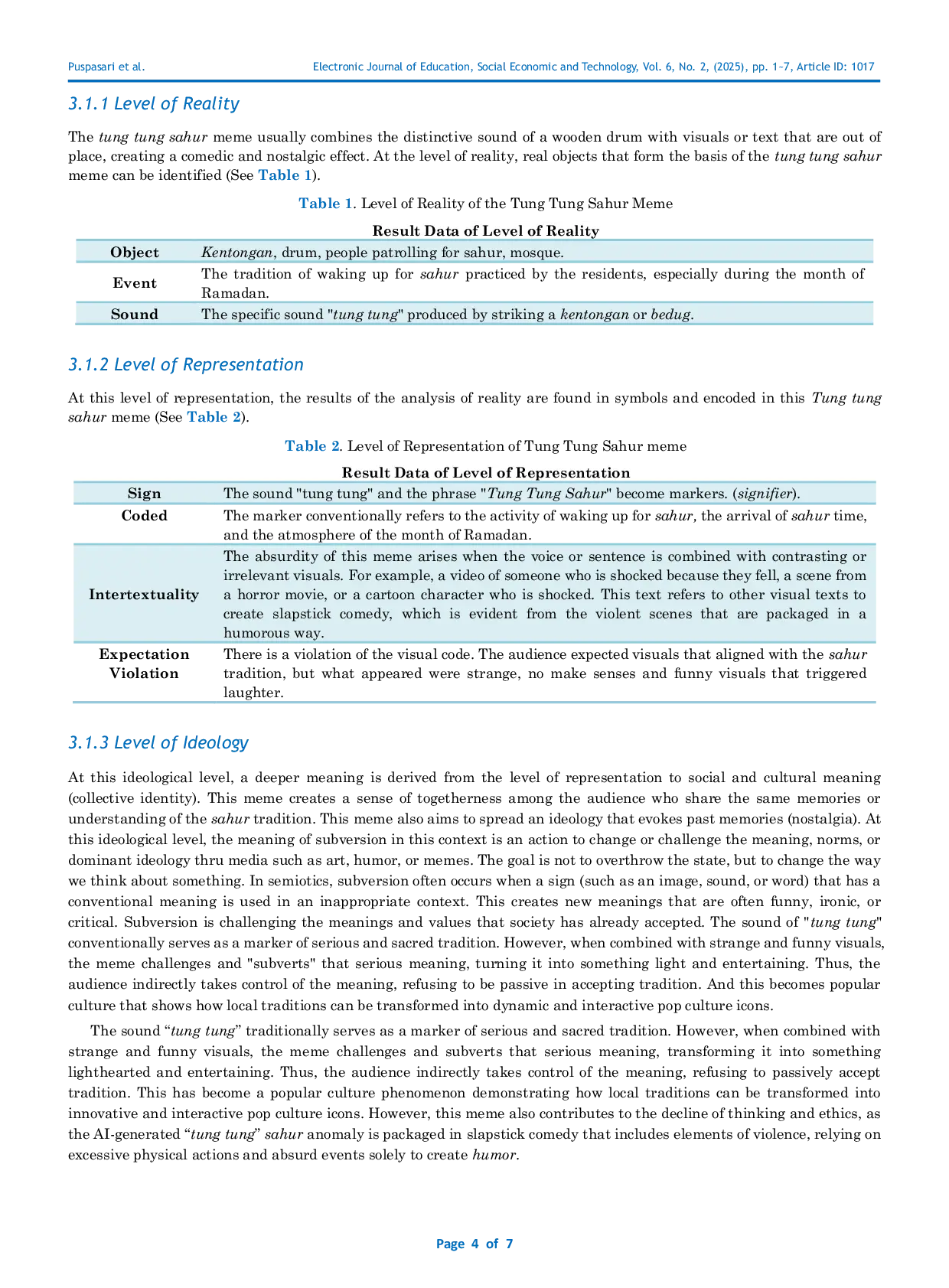
SAINTISPUBSAINTISPUB Penelitian ini menggunakan analisis semiotika John Fiske untuk mengkaji fenomena meme Tung Tung Sahur.meskipun meme ini tampak sebagai hiburan biasa, analisisPenelitian ini menggunakan analisis semiotika John Fiske untuk mengkaji fenomena meme Tung Tung Sahur.meskipun meme ini tampak sebagai hiburan biasa, analisis

UNDHIRA BALIUNDHIRA BALI Penelitian ini bertujuan untuk menganalisis implementasi Artificial Intelligence (AI) dalam proses rekrutmen dan seleksi karyawan, dengan fokus pada efektivitas,Penelitian ini bertujuan untuk menganalisis implementasi Artificial Intelligence (AI) dalam proses rekrutmen dan seleksi karyawan, dengan fokus pada efektivitas,
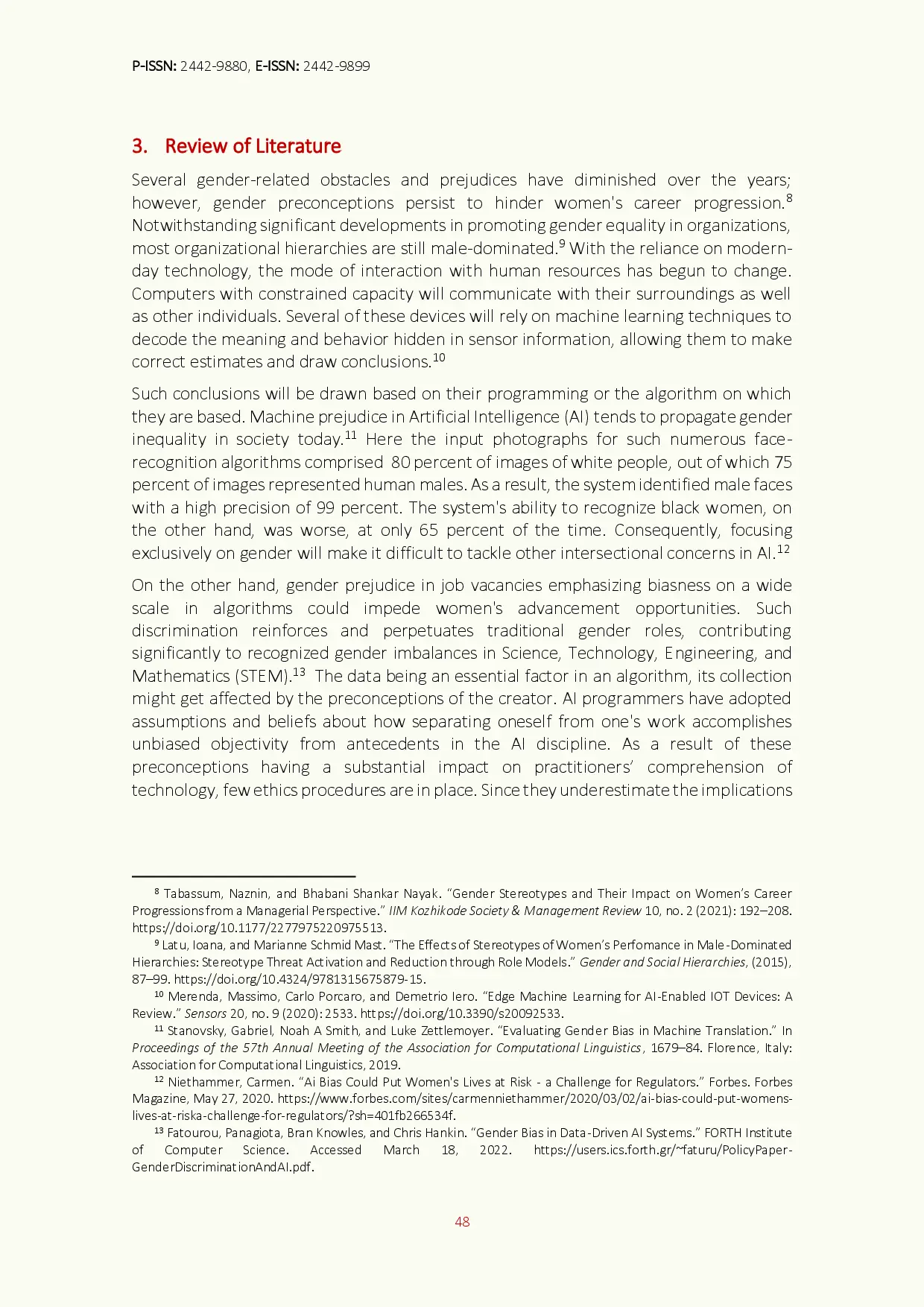
UNHASUNHAS Penggunaan data training yang bias dapat menghasilkan algoritma diskriminatif, memperluas ketimpangan antar kelompok. PBB perlu merevisi perjanjian hukumPenggunaan data training yang bias dapat menghasilkan algoritma diskriminatif, memperluas ketimpangan antar kelompok. PBB perlu merevisi perjanjian hukum
Useful /

ISNJBENGKALISISNJBENGKALIS Hasil evaluasi menunjukkan bahwa motivasi generasi Z mengalami peningkatan setelah dilaksanakan seminar pembinaan jiwa wirausaha, sebanyak 83 persen pesertaHasil evaluasi menunjukkan bahwa motivasi generasi Z mengalami peningkatan setelah dilaksanakan seminar pembinaan jiwa wirausaha, sebanyak 83 persen peserta
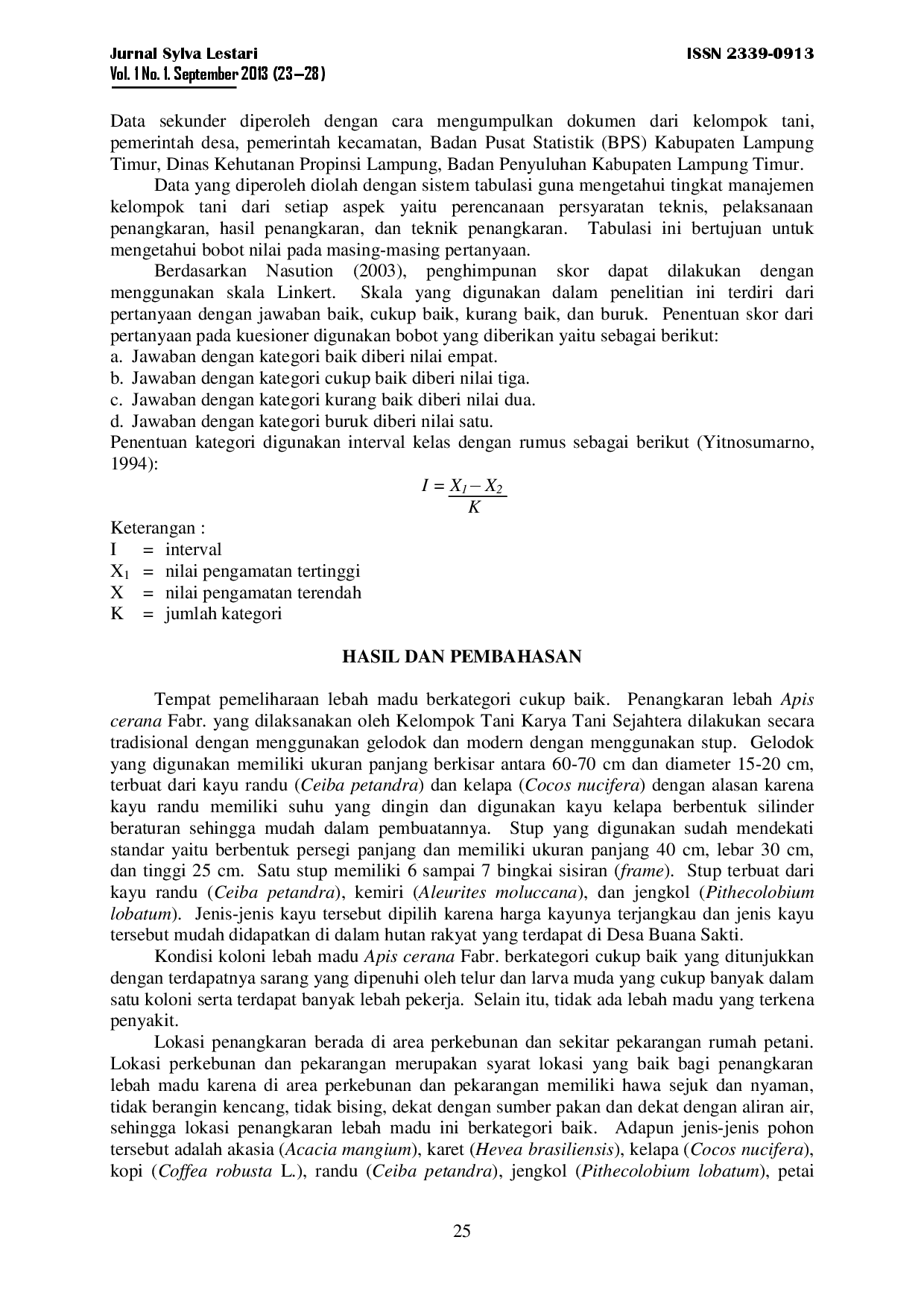
UNILAUNILA Analisis data menggunakan pendekatan kuantitatif dan kualitatif dengan membandingkan data lapangan terhadap kriteria penilaian manajemen. Hasil penelitianAnalisis data menggunakan pendekatan kuantitatif dan kualitatif dengan membandingkan data lapangan terhadap kriteria penilaian manajemen. Hasil penelitian

UNILAUNILA Usaha budidaya lebah madu Apis cerana Fabr. di Dusun Sidomukti menggunakan dua jenis media yaitu glodok dan stup. Berdasarkan umur ekonomis selama duaUsaha budidaya lebah madu Apis cerana Fabr. di Dusun Sidomukti menggunakan dua jenis media yaitu glodok dan stup. Berdasarkan umur ekonomis selama dua
IJRETINAIJRETINA Penanganan tumor yang mendasarinya sangat penting untuk mencegah perkembangan lebih lanjut dan komplikasi terkait. Penelitian lebih lanjut diperlukan untukPenanganan tumor yang mendasarinya sangat penting untuk mencegah perkembangan lebih lanjut dan komplikasi terkait. Penelitian lebih lanjut diperlukan untuk