ISEIISEI
One moment, please...One moment, please...The shadow economy encompasses economic activities that are not recorded in the Gross Domestic Product (GDP), resulting in reporting bias and diminished state revenue. This study estimates the size of the shadow economy across 34 Indonesian provinces from 2015 to 2021 using the Multiple Indicators and Multiple Causes (MIMIC) method. The results indicate that the estimated average shadow economy ranges from 4.73% to 42.64% of the provincial GRDP. Key influencing factors include tax burden, government regulations, regional autonomy, self-employed labor, and economic openness. These findings support policies aimed at reducing the shadow economy through tax efficiency, improved regulations, and enhanced welfare for micro, small, and medium enterprises (MSMEs) backed by local governments.
This study identifies tax burden, government regulations, regional autonomy, self-employment, and economic openness as significant factors influencing the shadow economy in Indonesian provinces between 2015 and 2021.The tax burden emerges as a primary driver of shadow economic activity, suggesting that government tax policies contribute to its expansion.Provinces with high tax burdens may incentivize informal economic activities.Therefore, adaptive local tax reforms and enhanced digitalization are crucial for mitigating the shadow economy and fostering formal economic growth.
Further research should investigate the specific mechanisms through which tax policies influence shadow economy participation at the provincial level, potentially employing micro-simulation models to assess the impact of different tax scenarios. Additionally, a comparative study examining the effectiveness of various regulatory simplification strategies across provinces could provide valuable insights for policy design. Finally, exploring the role of digital financial inclusion and access to credit for MSMEs in formalizing the economy, particularly in regions with high shadow economy prevalence, warrants further investigation. These studies should consider the unique socio-economic characteristics of each province to tailor effective interventions. A longitudinal study tracking the impact of government interventions aimed at reducing the shadow economy, coupled with detailed surveys of informal businesses, would provide a more nuanced understanding of the challenges and opportunities in formalizing the Indonesian economy. This research should also explore the relationship between corruption levels and the size of the shadow economy, as perceived corruption may incentivize businesses to operate informally to avoid scrutiny and potential extortion. Furthermore, investigating the impact of social safety nets and unemployment benefits on reducing the incentive to participate in the shadow economy could inform the design of more effective social policies.
- Inequality, Institutions, and Informality. inequality institutions informality https 9p7pzq3jbl execute... publications.iadb.org/en/inequality-institutions-and-informalityInequality Institutions and Informality inequality institutions informality https 9p7pzq3jbl execute publications iadb en inequality institutions and informality
- Estimating the shadow economy at the provincial level in Indonesia: A MIMIC model approach | Jurnal Ekonomi... doi.org/10.52813/jei.v14i1.561Estimating the shadow economy at the provincial level in Indonesia A MIMIC model approach Jurnal Ekonomi doi 10 52813 jei v14i1 561
| File size | 682.24 KB |
| Pages | 15 |
| DMCA | Report |
Related /

E GREENATIONE GREENATION Hal ini memainkan peran yang signifikan dalam hubungan antara literasi keuangan dan akuntansi manajemen. Selain itu, literasi keuangan dan akuntansi manajemenHal ini memainkan peran yang signifikan dalam hubungan antara literasi keuangan dan akuntansi manajemen. Selain itu, literasi keuangan dan akuntansi manajemen

ISEIISEI Furthermore, the study reveals that graduates from STEM fields demonstrate greater resilience to economic shocks compared to those from social sciencesFurthermore, the study reveals that graduates from STEM fields demonstrate greater resilience to economic shocks compared to those from social sciences
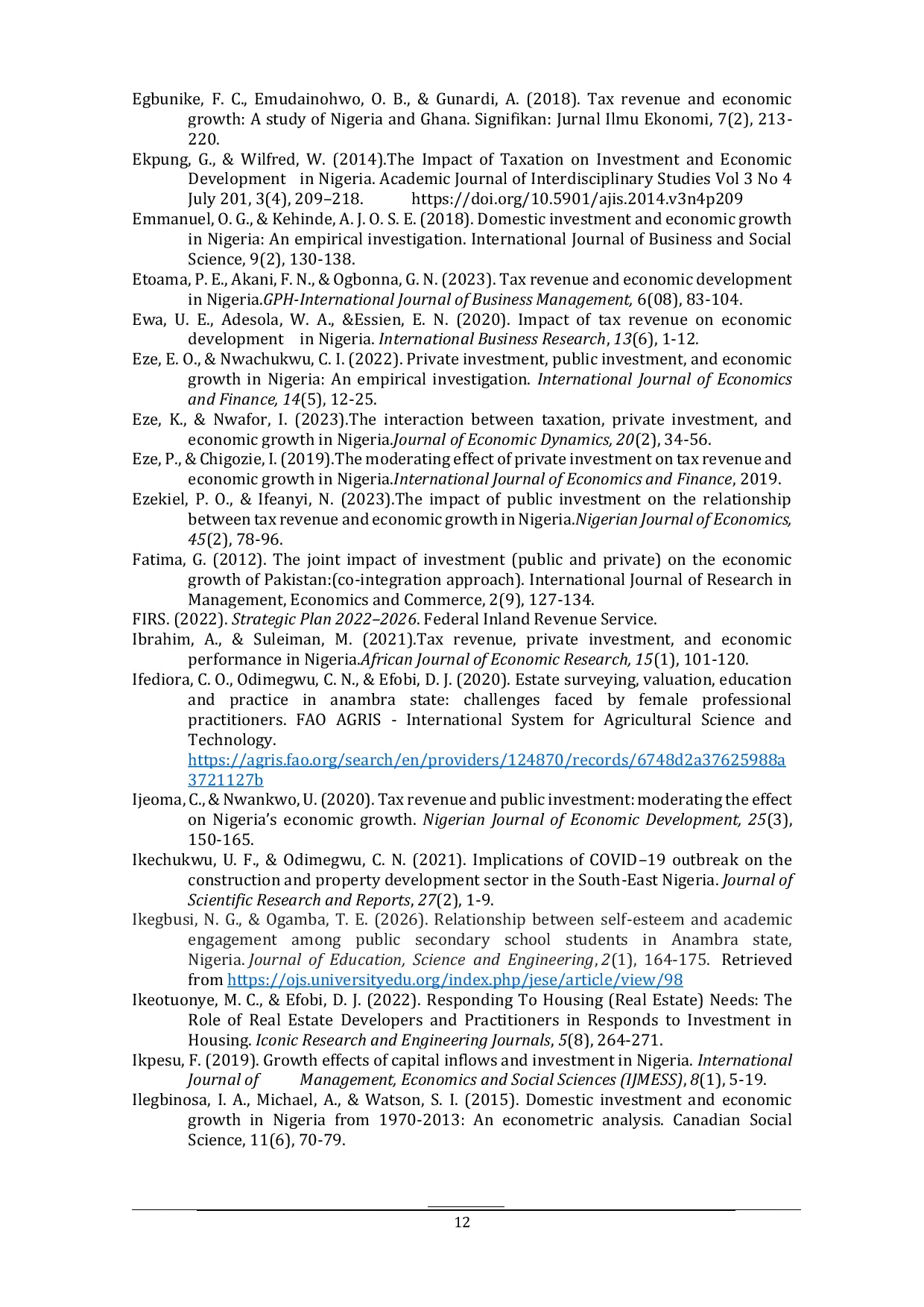
MGEDUKASIAMGEDUKASIA Tinjauan sistematis menunjukkan bahwa pendapatan pajak sendiri tidak menjamin pertumbuhan ekonomi, tetapi keberhasilannya tergantung terutama pada interaksinyaTinjauan sistematis menunjukkan bahwa pendapatan pajak sendiri tidak menjamin pertumbuhan ekonomi, tetapi keberhasilannya tergantung terutama pada interaksinya
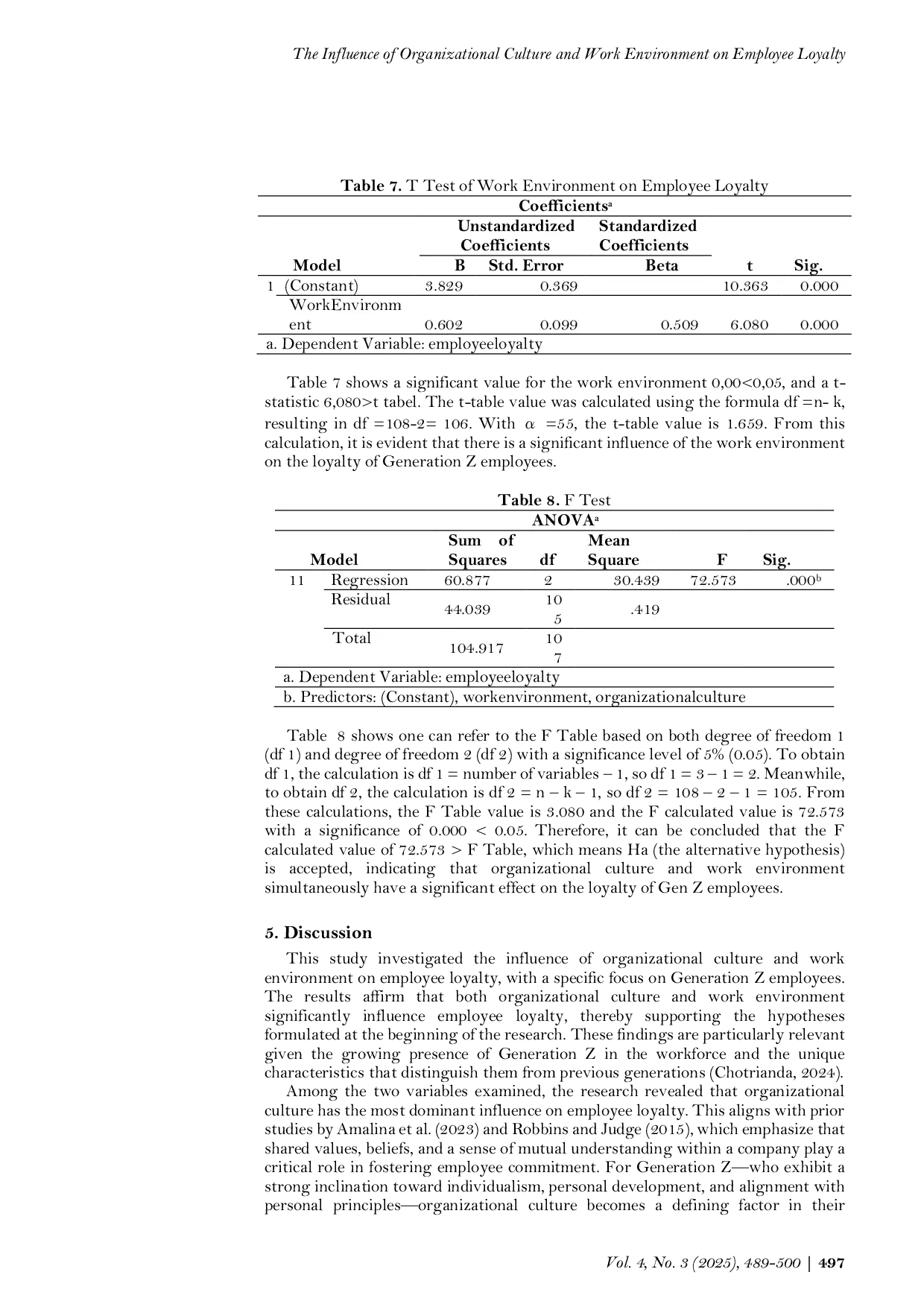
LIFESCIFILIFESCIFI Temuan ini menekankan pentingnya budaya organisasi yang kuat dan lingkungan kerja yang kondusif dalam mendorong komitmen karyawan jangka panjang terhadapTemuan ini menekankan pentingnya budaya organisasi yang kuat dan lingkungan kerja yang kondusif dalam mendorong komitmen karyawan jangka panjang terhadap

ISEIISEI The analysis revealed a significant decrease in NTL in Bali following the implementation of COVID-19 restrictions, particularly in areas heavily reliantThe analysis revealed a significant decrease in NTL in Bali following the implementation of COVID-19 restrictions, particularly in areas heavily reliant

STAINUSANTARASTAINUSANTARA As the oldest religious education institutions in Indonesia, dayahs face challenges adapting to the digital era, including preparing students for modernAs the oldest religious education institutions in Indonesia, dayahs face challenges adapting to the digital era, including preparing students for modern

RISETPRESSRISETPRESS Hasil menunjukkan bahwa bank digital cenderung memiliki NIM lebih tinggi namun NPL lebih rendah dibandingkan bank konvensional, mencerminkan efisiensiHasil menunjukkan bahwa bank digital cenderung memiliki NIM lebih tinggi namun NPL lebih rendah dibandingkan bank konvensional, mencerminkan efisiensi

YASIN ALSYSYASIN ALSYS Pada taraf signifikansi 5 %, terdapat perbedaan signifikan antara rata‑rata pencapaian siswa yang menggunakan DAS dan yang tidak menggunakan DAS padaPada taraf signifikansi 5 %, terdapat perbedaan signifikan antara rata‑rata pencapaian siswa yang menggunakan DAS dan yang tidak menggunakan DAS pada
Useful /

UNIVAL CILEGONUNIVAL CILEGON Metode pembelajaran kooperatif terbukti mampu mendorong partisipasi aktif siswa, meningkatkan interaksi sosial, serta menciptakan suasana belajar yangMetode pembelajaran kooperatif terbukti mampu mendorong partisipasi aktif siswa, meningkatkan interaksi sosial, serta menciptakan suasana belajar yang

ALFARABIALFARABI Pengumpulan data pada penelitian ini yaitu wawancara, observasi dan studi dokumen. Teknik analisis data yang digunakan yaitu dengan melakukan reduksi data,Pengumpulan data pada penelitian ini yaitu wawancara, observasi dan studi dokumen. Teknik analisis data yang digunakan yaitu dengan melakukan reduksi data,

LIFESCIFILIFESCIFI Indeks inklusi keuangan pada tahun 2023 hanya mencapai 75,02%. Kesenjangan ini dalam akses keuangan menciptakan tantangan dan peluang untuk mencapai tujuanIndeks inklusi keuangan pada tahun 2023 hanya mencapai 75,02%. Kesenjangan ini dalam akses keuangan menciptakan tantangan dan peluang untuk mencapai tujuan

ALFARABIALFARABI Hasil penelitian menunjukkan bahwa ternyata gaya kepemimpinan perempuan di SDN 1 Langkaplancar merupakan gaya kepemimpinan transformasional. Dimana beliauHasil penelitian menunjukkan bahwa ternyata gaya kepemimpinan perempuan di SDN 1 Langkaplancar merupakan gaya kepemimpinan transformasional. Dimana beliau