MANDALANURSAMANDALANURSA
Business ManagementBusiness ManagementThis study aims to analyze the influence of education, training, and work experience on employee competence at Mall X in Bandung City. The research employs a quantitative method with a descriptive and verificative approach. The population consists of 110 active employees at Mall X, utilizing a saturated sampling technique. Data were collected through questionnaires using a Likert scale and analyzed using multiple linear regression with SPSS version 19. The results indicate that: (1) education has a negative and significant effect on employee competence (t-value = 9.517, p < 0.05); (2) training has a positive and significant effect on employee competence (t-value = 23.218, p < 0.05); (3) work experience has a positive and significant effect on employee competence (t-value = 7.153, p < 0.05); and (4) simultaneously, education, training, and work experience significantly influence employee competence (F-value = 384.034, p < 0.05) with a coefficient of determination (R²) of 91.6%. These findings suggest that while formal education may not directly enhance competence in hard service operations, structured training programs and accumulated work experience significantly contribute to employee competence development in the retail industry.
The research demonstrates that education, training, and work experience collectively exert a significant influence on employee competence at Mall X.Notably, formal education exhibits a negative correlation with competence in the context of hard service operations, suggesting a potential mismatch between educational qualifications and job requirements.Conversely, both training and work experience demonstrate positive and significant effects on employee competence, highlighting the importance of practical skill development and experiential learning in the retail sector.These findings underscore the need for nuanced human resource strategies that prioritize training, workforce retention, and alignment between employee qualifications and job demands.
Penelitian lebih lanjut perlu dilakukan untuk menginvestigasi faktor-faktor lain yang dapat memoderasi atau memediasi hubungan antara pendidikan, pelatihan, pengalaman kerja, dan kompetensi karyawan, seperti motivasi kerja, budaya organisasi, dan kualitas kepemimpinan. Selain itu, studi komparatif lintas industri dapat dilakukan untuk mengidentifikasi pola universal dan spesifik konteks dalam penentu kompetensi. Penelitian kualitatif, seperti wawancara mendalam dan observasi partisipan, dapat memberikan wawasan yang lebih kaya mengenai mekanisme yang mendasari hubungan yang teramati, serta pengalaman dan persepsi karyawan terkait pengembangan kompetensi mereka. Terakhir, penelitian longitudinal yang melacak perkembangan kompetensi karyawan dari waktu ke waktu dapat membantu mengidentifikasi strategi pelatihan dan pengembangan yang paling efektif dalam meningkatkan kinerja organisasi secara berkelanjutan. Penelitian-penelitian ini diharapkan dapat memberikan kontribusi signifikan bagi pengembangan teori dan praktik manajemen sumber daya manusia, khususnya dalam konteks industri ritel yang dinamis dan kompetitif.
- Firm Resources and Sustained Competitive Advantage - Jay Barney, 1991. firm resources sustained competitive... doi.org/10.1177/014920639101700108Firm Resources and Sustained Competitive Advantage Jay Barney 1991 firm resources sustained competitive doi 10 1177 014920639101700108
- CONSEQUENCES OF INDIVIDUALS' FIT AT WORK: A METAâANALYSIS OF PERSONâJOB, PERSONâORGANIZATION,... onlinelibrary.wiley.com/doi/10.1111/j.1744-6570.2005.00672.xCONSEQUENCES OF INDIVIDUALS FIT AT WORK A METAyAAAaANALYSIS OF PERSONyAAAeJOB PERSONyAAAeORGANIZATION onlinelibrary wiley doi 10 1111 j 1744 6570 2005 00672 x
| File size | 274.7 KB |
| Pages | 9 |
| DMCA | Report |
Related /

UMDUMD Sesuai dengan Undang-Undang Nomor 07 Tahun 1992 tentang Perbankan, terdapat dua jenis bank di Indonesia yaitu Bank Umum dan BPR. BPR di Indonesia per NovemberSesuai dengan Undang-Undang Nomor 07 Tahun 1992 tentang Perbankan, terdapat dua jenis bank di Indonesia yaitu Bank Umum dan BPR. BPR di Indonesia per November
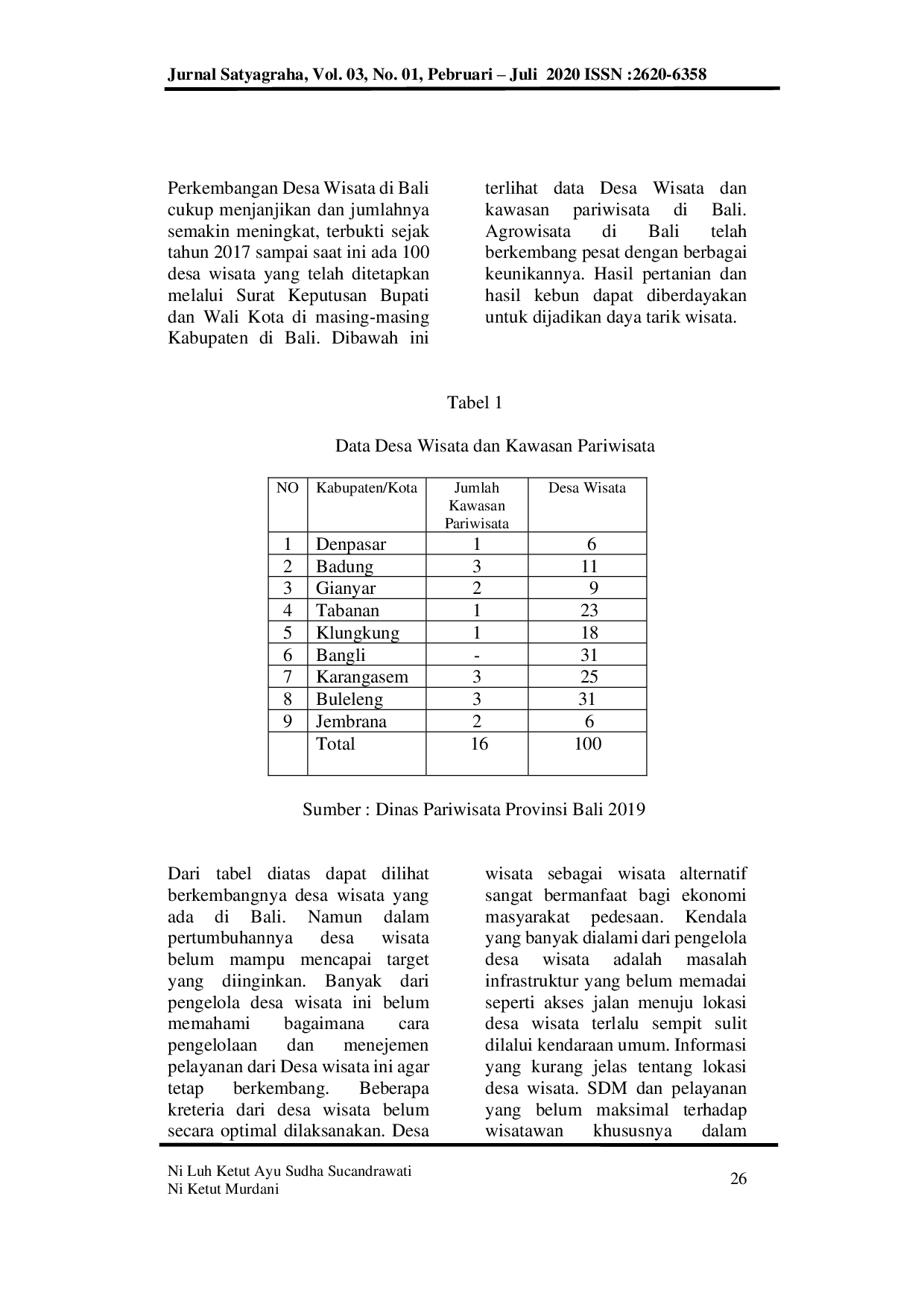
UMDUMD Tujuan dari penelitian ini adalah untuk meningkatkan keunggulan bersaing dari Agrowisata Abian Salak di Kabupaten Karangasem. Bali terkenal dengan pariwisataTujuan dari penelitian ini adalah untuk meningkatkan keunggulan bersaing dari Agrowisata Abian Salak di Kabupaten Karangasem. Bali terkenal dengan pariwisata

UMDUMD Angka Adjusted R Square sebesar 0,277 menunjukkan bahwa 28% variasi Loyalitas Pelanggan dapat dijelaskan oleh kedua variabel independen dalam persamaanAngka Adjusted R Square sebesar 0,277 menunjukkan bahwa 28% variasi Loyalitas Pelanggan dapat dijelaskan oleh kedua variabel independen dalam persamaan

UMDUMD Penelitian ini bertujuan untuk menganalisa pengaruh kualitas pelayanan yang dimediasi oleh perceived value terhadap keputusan pembelian ulang konsumen,Penelitian ini bertujuan untuk menganalisa pengaruh kualitas pelayanan yang dimediasi oleh perceived value terhadap keputusan pembelian ulang konsumen,
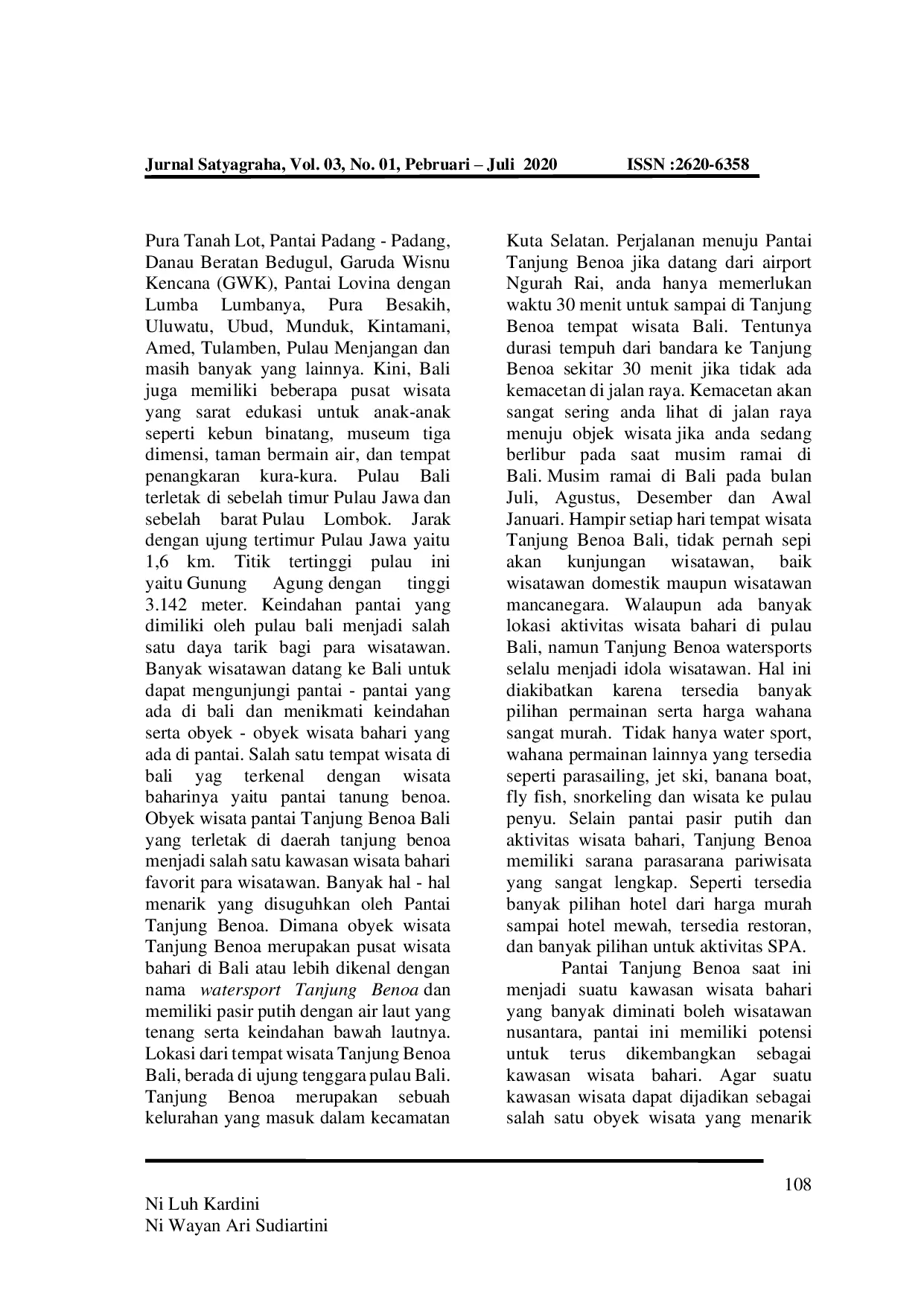
UMDUMD Berdasarkan pembahasan diatas, maka diperoleh simpulan bahwa obyek wisata tanjung benoa memiliki potensi yang sangat besar untuk dikembangkan sebagai pusatBerdasarkan pembahasan diatas, maka diperoleh simpulan bahwa obyek wisata tanjung benoa memiliki potensi yang sangat besar untuk dikembangkan sebagai pusat

UMDUMD Penelitian ini bertujuan untuk mengetahui tradisi megibung serta untuk mengetahui sejarah megibung. Tradisi Megibung diperkenalkan oleh Raja KarangasemPenelitian ini bertujuan untuk mengetahui tradisi megibung serta untuk mengetahui sejarah megibung. Tradisi Megibung diperkenalkan oleh Raja Karangasem
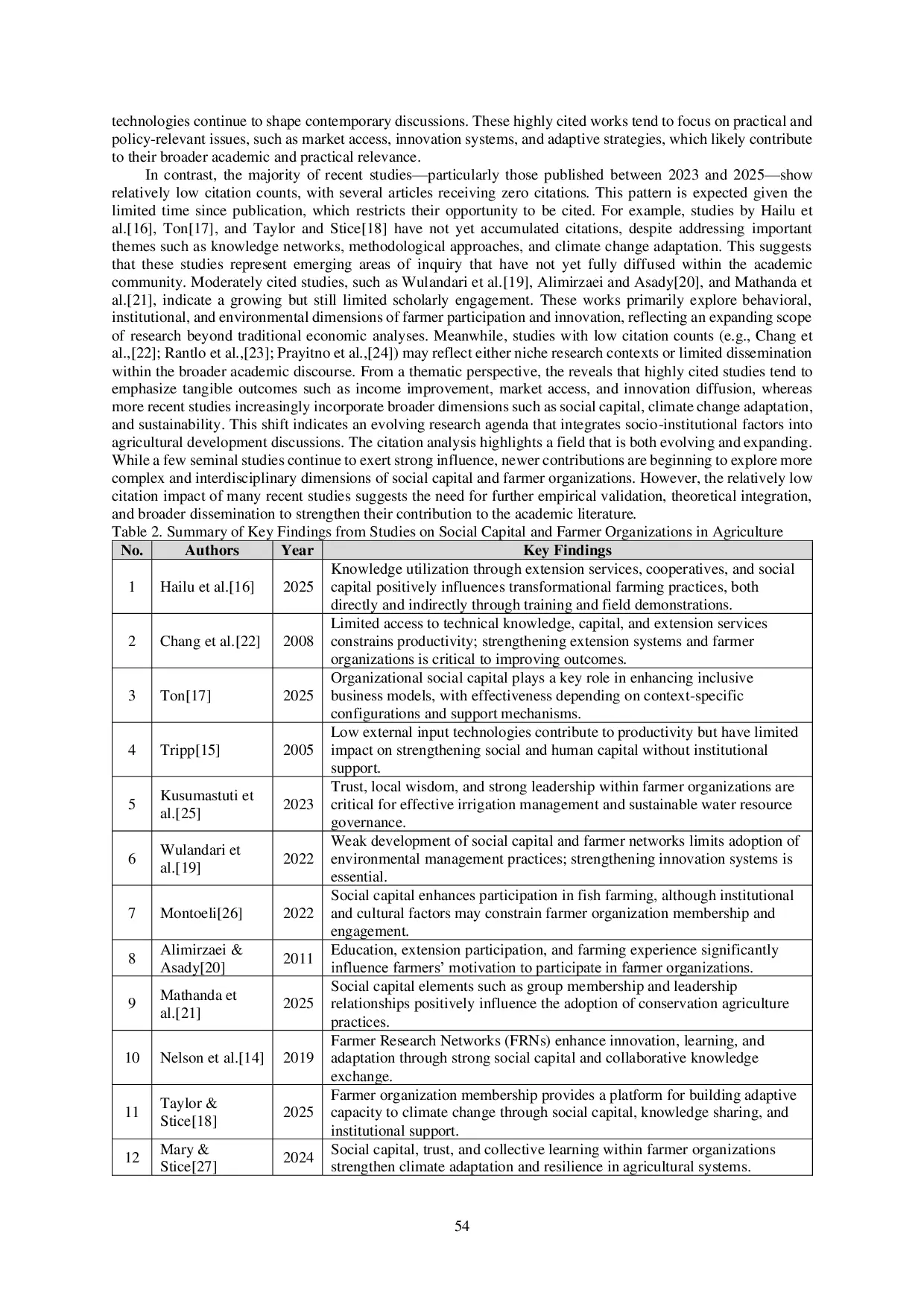
SANGADJIMEDIAPUBLISHINGSANGADJIMEDIAPUBLISHING Meskipun demikian, literatur masih terfragmentasi, dengan integrasi terbatas antar dimensi modal sosial dan didominasi oleh studi kontekstual spesifikMeskipun demikian, literatur masih terfragmentasi, dengan integrasi terbatas antar dimensi modal sosial dan didominasi oleh studi kontekstual spesifik

UNIMUNIM Populasi penelitian yang akan diamati adalah seluruh karyawan CV. Mandiri Abadi yang berjumlah 250 orang. Teknik pengambilan sampel yang digunakan dalamPopulasi penelitian yang akan diamati adalah seluruh karyawan CV. Mandiri Abadi yang berjumlah 250 orang. Teknik pengambilan sampel yang digunakan dalam
Useful /
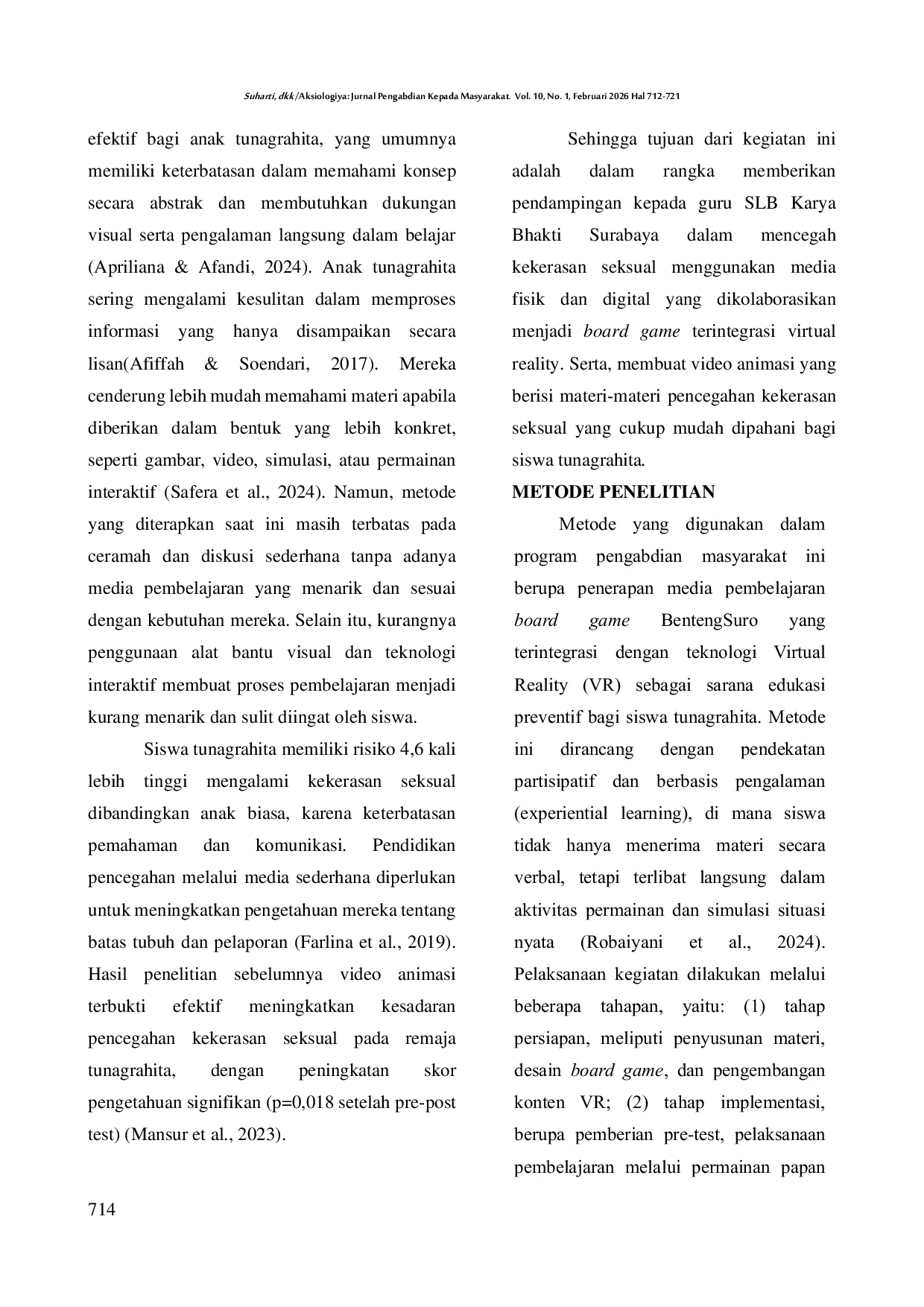
UM SURABAYAUM SURABAYA Hasil penelitian menunjukkan adanya peningkatan signifikan pada seluruh indikator materi. Rata-rata persentase ketuntasan siswa meningkat dari 34% padaHasil penelitian menunjukkan adanya peningkatan signifikan pada seluruh indikator materi. Rata-rata persentase ketuntasan siswa meningkat dari 34% pada

MANDALANURSAMANDALANURSA Secara praktis, hasil ini merekomendasikan agar intervensi peningkatan kapasitas usaha mikro mengintegrasikan pelatihan pemasaran kewirausahaan denganSecara praktis, hasil ini merekomendasikan agar intervensi peningkatan kapasitas usaha mikro mengintegrasikan pelatihan pemasaran kewirausahaan dengan

IAINU KEBUMENIAINU KEBUMEN Pertama, pola asuh yang dipakai dalam keluarga tunggal di MI Maarif Surotrunan Alian ada 2 macam pola asuh yaitu pola asuh demokrasi dan pola asuh tidakPertama, pola asuh yang dipakai dalam keluarga tunggal di MI Maarif Surotrunan Alian ada 2 macam pola asuh yaitu pola asuh demokrasi dan pola asuh tidak
IAINU KEBUMENIAINU KEBUMEN Solusi yang dapat dilakukan yaitu: mengatur waktu untuk istirahat, mengaji, dan melakukan aktivitas lainnya, serta mengurangi interaksi dengan lawan jenis.Solusi yang dapat dilakukan yaitu: mengatur waktu untuk istirahat, mengaji, dan melakukan aktivitas lainnya, serta mengurangi interaksi dengan lawan jenis.