ARESTEARESTE
Applied Research in Science and TechnologyApplied Research in Science and TechnologySubsidized housing for Low-Income Communities (LIC) in Indonesia continues to encounter significant quality challenges, particularly in disaster-prone regions. These challenges are primarily associated with technical standards, limited enforcement of insufficient infrastructure provision, and inadequate policy support, which collectively undermine the resilience and habitability of such housing. This study analyzes the quality and resilience of subsidized housing for LIC in Padang City, which are in disaster-prone zones. Using questionnaire survey methods and factor analysis, this study identified technical and non-technical variables that affect the feasibility of housing. The KMO-Bartlett test, validity, and reliability ensured the instruments feasibility, resulting in 18 valid variables grouped into four main factors: the quality of infrastructure, facilities, and public utilities (IFP), housing development policies and support, technical quality and housing standards, and residential accessibility. The study results show that basic infrastructure, regulatory support, implementation of technical standards, and strategic location have a significant role in the quality of subsidized housing. These findings confirm the importance of synergy between technical and policy aspects in improving the quality and resilience of subsidized housing, especially in disaster-risk areas.
The study concludes that four key factors determine the quality of subsidized housing in Padang City.infrastructure quality and IFP, housing development policies and support, technical quality and housing standards, and housing accessibility.These factors are interconnected and crucial for ensuring the suitability and resilience of housing for low-income communities.The research highlights the importance of integrating technical, policy, infrastructure, and spatial considerations in the provision of subsidized housing.Addressing these factors is essential to provide not only affordable housing but also safe, decent, and sustainable living environments for LIC.
Further research should investigate the long-term performance of subsidized housing in Padang City, specifically focusing on the durability of building materials and the effectiveness of disaster-resistant designs in mitigating earthquake damage. Additionally, a comparative study could be conducted across different regions in Indonesia to identify best practices in subsidized housing development and policy implementation, considering varying socio-economic contexts and disaster risks. Finally, research is needed to explore the role of community participation in the planning, construction, and maintenance of subsidized housing, aiming to empower residents and enhance the sustainability of these projects, potentially through participatory design workshops or community-based monitoring systems, to ensure housing solutions truly meet the needs and preferences of the intended beneficiaries and foster a sense of ownership and responsibility.
- Quality and Resilience of Subsidized Housing for Low-Income Communities in Disaster Prone Zone of Padang... doi.org/10.33292/areste.v5i2.114Quality and Resilience of Subsidized Housing for Low Income Communities in Disaster Prone Zone of Padang doi 10 33292 areste v5i2 114
- Pengaruh Kualitas Rumah dan Lingkungan terhadap Kepuasan Penghuni dan Kecenderungan Berpindah di Perumnas... ejournal.undip.ac.id/index.php/pwk/article/view/8168Pengaruh Kualitas Rumah dan Lingkungan terhadap Kepuasan Penghuni dan Kecenderungan Berpindah di Perumnas ejournal undip ac index php pwk article view 8168
- Analisis Tingkat Kepuasan Penghuni Perumahan Bersubsidi di Purwokerto | Surya Beton : Jurnal Ilmu Teknik... doi.org/10.37729/suryabeton.v8i1.4095Analisis Tingkat Kepuasan Penghuni Perumahan Bersubsidi di Purwokerto Surya Beton Jurnal Ilmu Teknik doi 10 37729 suryabeton v8i1 4095
| File size | 344.83 KB |
| Pages | 10 |
| DMCA | Report |
Related /

PUBLIKASIINDONESIAPUBLIKASIINDONESIA Salah satu faktor risiko yang berkontribusi terhadap kejadian ini, khususnya pada mahasiswi, adalah stres. Beban akademik, sosial, dan tuntutan lingkunganSalah satu faktor risiko yang berkontribusi terhadap kejadian ini, khususnya pada mahasiswi, adalah stres. Beban akademik, sosial, dan tuntutan lingkungan

PUBLIKASIINDONESIAPUBLIKASIINDONESIA Analisis data menggunakan Excel dan SPSS 29. 0, ditambah dengan analisis tematik transkrip wawancara, mengungkapkan permintaan yang menonjol di bidangAnalisis data menggunakan Excel dan SPSS 29. 0, ditambah dengan analisis tematik transkrip wawancara, mengungkapkan permintaan yang menonjol di bidang
UNHUNH Dari sisi keamanan, sistem terbukti bebas dari malware dan blacklist, serta hanya ditemukan 2 risiko tingkat menengah dari 40 pengujian keamanan. DenganDari sisi keamanan, sistem terbukti bebas dari malware dan blacklist, serta hanya ditemukan 2 risiko tingkat menengah dari 40 pengujian keamanan. Dengan
PTTIPTTI Model hibrida ini menggabungkan tiga pembelajar dasar—Genetic Algorithm, Random Forest, dan Modular Neural Network—yang output-nya menjadi input bagiModel hibrida ini menggabungkan tiga pembelajar dasar—Genetic Algorithm, Random Forest, dan Modular Neural Network—yang output-nya menjadi input bagi
SAINTISPUBSAINTISPUB Pelaksanaan pembelajaran juga berjalan efektif, ditandai dengan penyesuaian materi berdasarkan kemampuan, minat, dan gaya belajar siswa. Lingkungan belajarPelaksanaan pembelajaran juga berjalan efektif, ditandai dengan penyesuaian materi berdasarkan kemampuan, minat, dan gaya belajar siswa. Lingkungan belajar
UNMUNM Dari hasil penelitian pada faktor-faktor yang memengaruhi minat menjadi guru di program Pendidikan Kimia, disimpulkan bahwa motivasi mahasiswa menjadiDari hasil penelitian pada faktor-faktor yang memengaruhi minat menjadi guru di program Pendidikan Kimia, disimpulkan bahwa motivasi mahasiswa menjadi
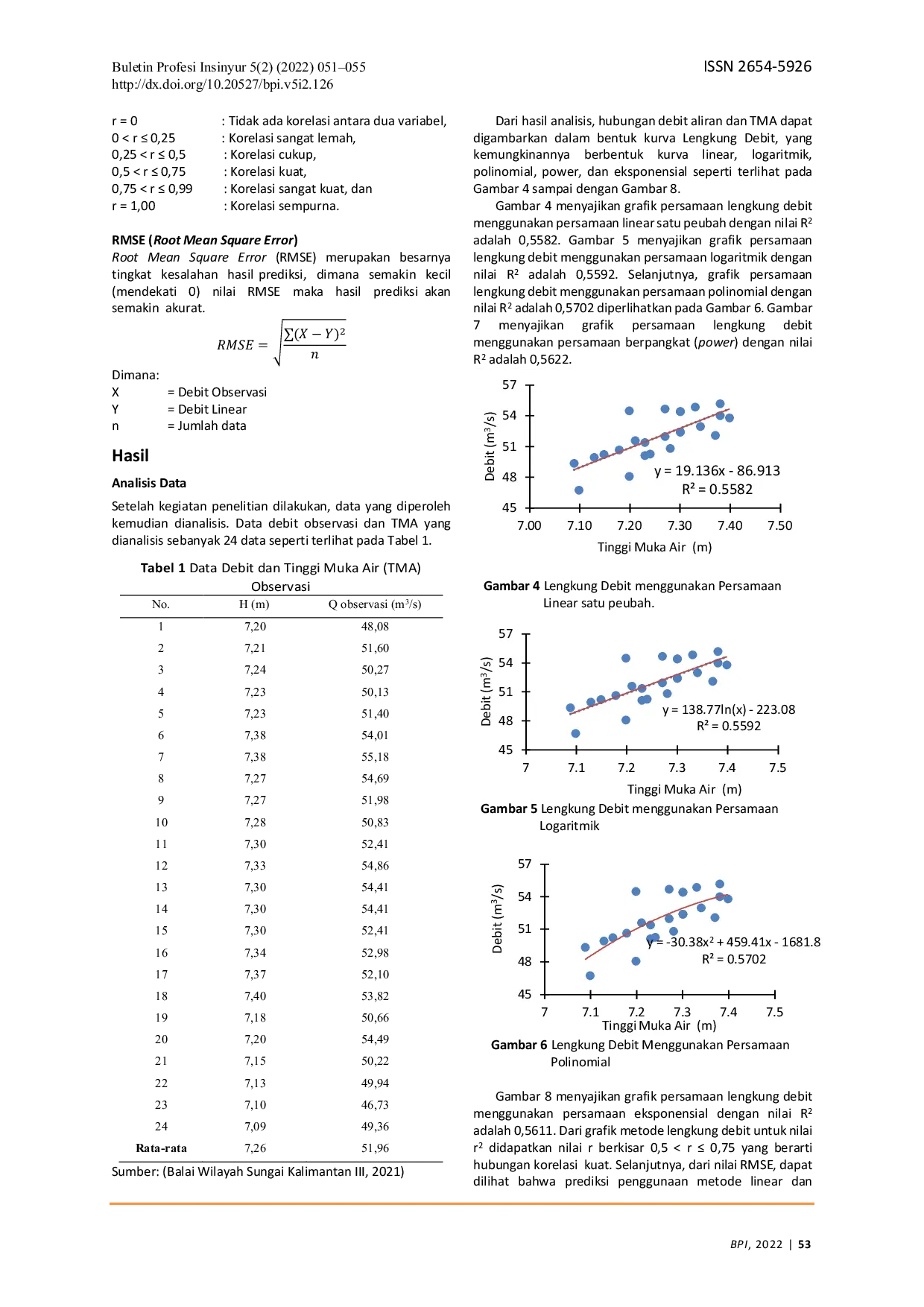
LMULMU Evaluasi dilakukan menggunakan koefisien korelasi (r) dan Root Mean Square Error (RMSE). Hasil menunjukkan bahwa kelima metode menghasilkan korelasi kuatEvaluasi dilakukan menggunakan koefisien korelasi (r) dan Root Mean Square Error (RMSE). Hasil menunjukkan bahwa kelima metode menghasilkan korelasi kuat
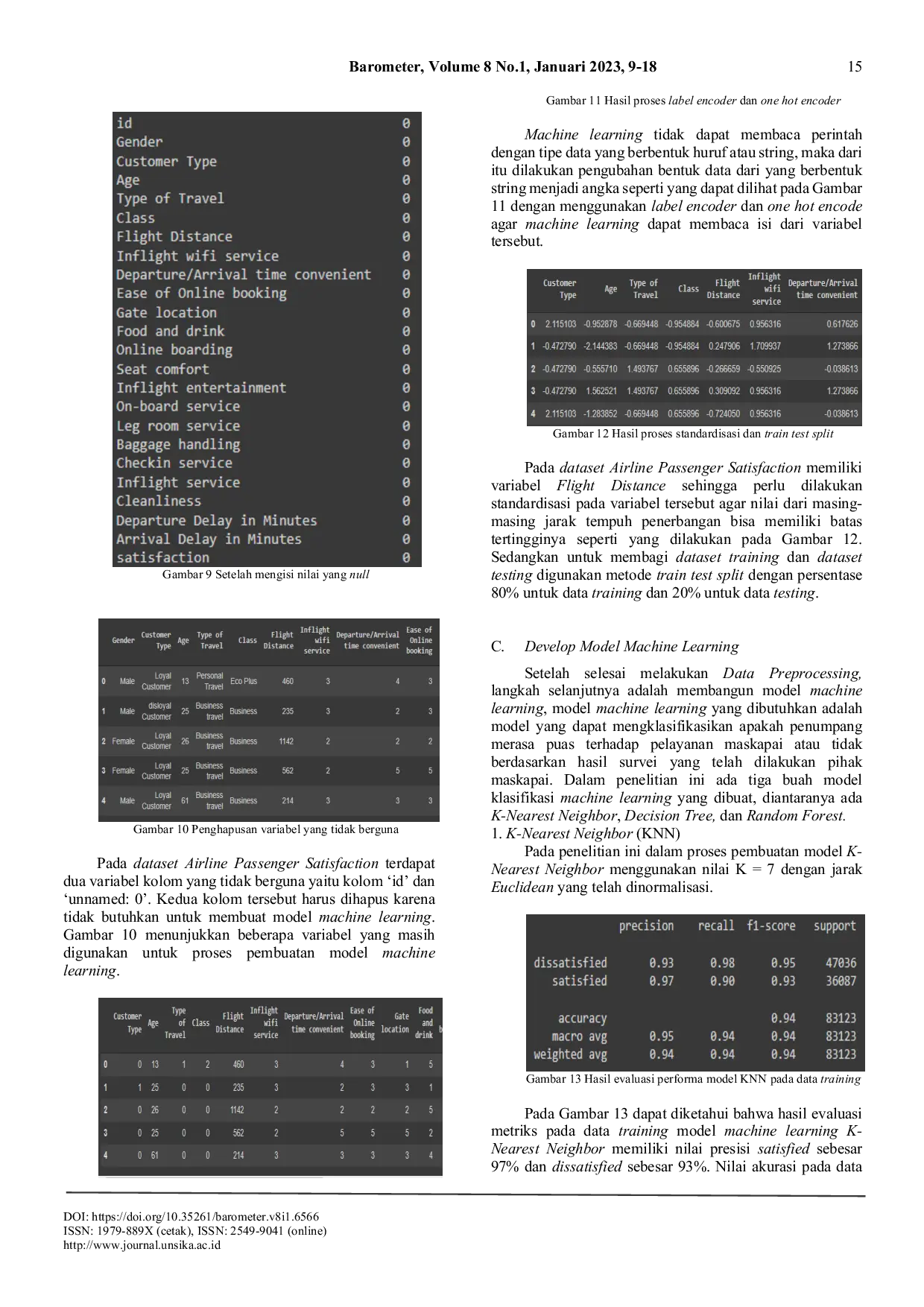
UNSIKAUNSIKA Dengan nilai cross validation yang bagus, maka decision tree dan random forest dapat diterapkan untuk membantu maskapai penerbangan X dalam menentukanDengan nilai cross validation yang bagus, maka decision tree dan random forest dapat diterapkan untuk membantu maskapai penerbangan X dalam menentukan
Useful /

PUBLIKASIINDONESIAPUBLIKASIINDONESIA Keberlanjutan program ini direkomendasikan dengan perbaikan dalam aspek koordinasi, pendampingan, dan optimalisasi partisipasi masyarakat. Inovasi BalingKeberlanjutan program ini direkomendasikan dengan perbaikan dalam aspek koordinasi, pendampingan, dan optimalisasi partisipasi masyarakat. Inovasi Baling

PUBLIKASIINDONESIAPUBLIKASIINDONESIA Pemeriksaan CT-Scan non kontras saat ini menjadi modalitas pencitraan yang paling akurat dalam menilai karakteristik batu ginjal, termasuk ukuran, lokasi,Pemeriksaan CT-Scan non kontras saat ini menjadi modalitas pencitraan yang paling akurat dalam menilai karakteristik batu ginjal, termasuk ukuran, lokasi,

PUBLIKASIINDONESIAPUBLIKASIINDONESIA Minyakita merupakan merek dagang minyak goreng milik Kementerian Perdagangan Republik Indonesia dan telah terdaftar di Kementerian Hukum dan HAM. ProdukMinyakita merupakan merek dagang minyak goreng milik Kementerian Perdagangan Republik Indonesia dan telah terdaftar di Kementerian Hukum dan HAM. Produk
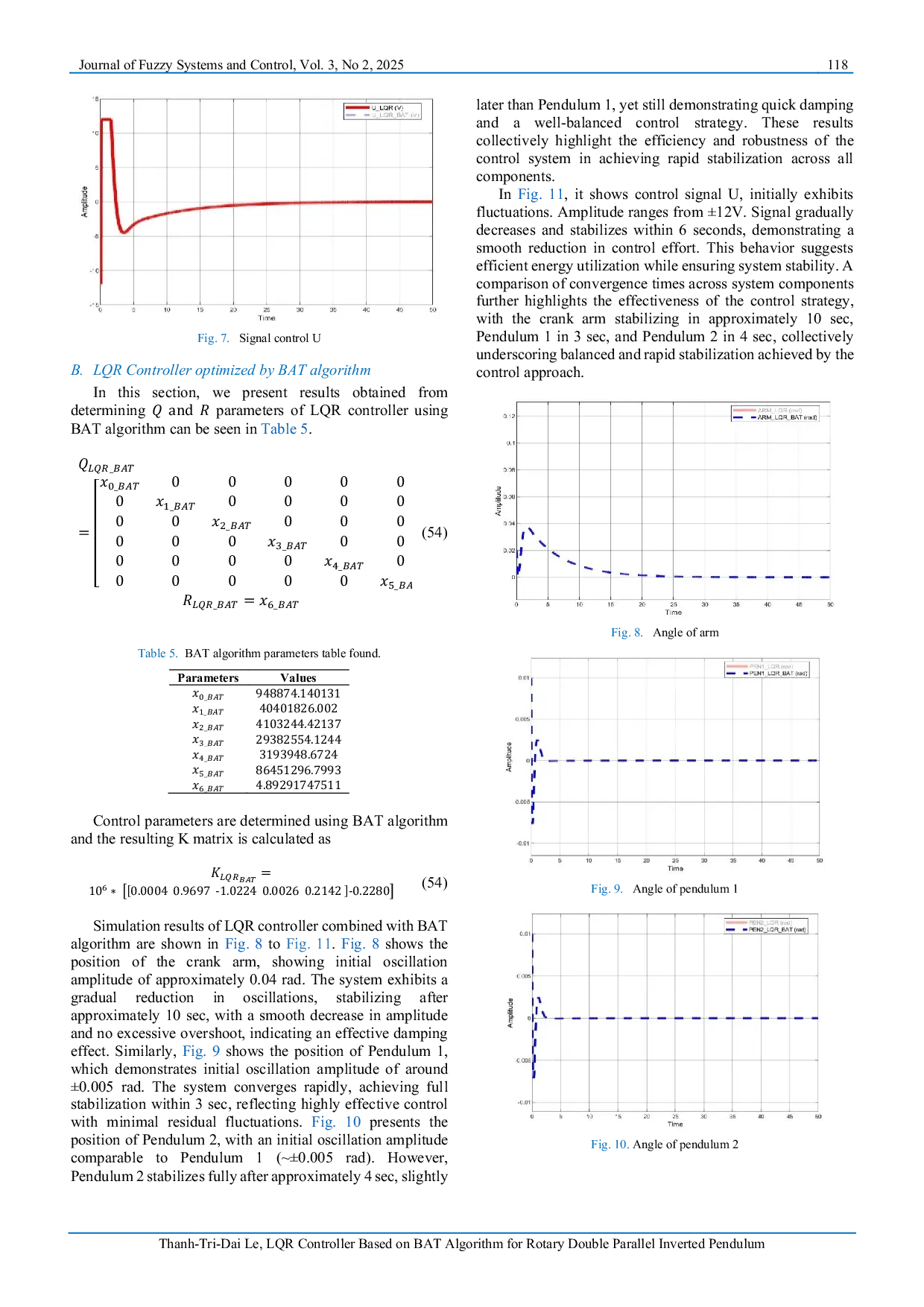
PTTIPTTI Penggabungan LQR dengan algoritma BAT berhasil mengoptimalkan matriks Q dan R, sehingga meningkatkan waktu stabilisasi, menurunkan amplitudo osilasi, danPenggabungan LQR dengan algoritma BAT berhasil mengoptimalkan matriks Q dan R, sehingga meningkatkan waktu stabilisasi, menurunkan amplitudo osilasi, dan