UBUB
The Journal of Experimental Life ScienceThe Journal of Experimental Life ScienceStaining creates a contrast between the cells and its surrounding, and enables the microscopic characteristics of bacterial cells to be easily visible and distinguished. However, staining often relies on dyes which are expensive, not readily available, or toxic. In this study, the use of food coloring dyes to stain bacteria was explored. We stained Gram-positive bacteria (Bacillus sp. and Staphylococcus aureus) and Gram-negative bacteria (Escherichia coli) using several food coloring dyes of different colors, which were purchased locally. After slide fixation, the dye was flooded on the bacterial smear and air-dried for up to 30 minutes and observed by using microscope before and after washing with water. The results of this study show that prior to washing, most food coloring dyes were able to stain bacterial cells. However, after washing, only pink and purple food coloring dyes were retained, showing pink colored cells. We suspected that erythrosine was the agent responsible for this result, and was able to show similar characteristics with erythrosine alone. This study concludes that food coloring dyes containing erythrosine can be used to stain bacterial cells indiscriminately.
This study demonstrates that food coloring dyes containing erythrosine can be effectively used to stain bacterial cells.The pink and purple dyes exhibited the best retention after washing, indicating the presence of erythrosine as the key staining agent.Erythrosine alone showed similar staining characteristics, confirming its potential as a viable alternative to traditional bacterial stains.
Penelitian lebih lanjut perlu dilakukan untuk menguji efektivitas berbagai konsentrasi erythrosine dalam mewarnai berbagai jenis bakteri, termasuk bakteri yang resisten terhadap antibiotik, untuk menentukan konsentrasi optimal yang memberikan visualisasi terbaik. Selain itu, studi komparatif perlu dilakukan untuk membandingkan efektivitas pewarnaan menggunakan erythrosine dengan metode pewarnaan tradisional seperti Gram staining, dengan mempertimbangkan faktor-faktor seperti sensitivitas, spesifisitas, dan kemudahan penggunaan. Terakhir, penelitian lebih lanjut dapat mengeksplorasi potensi penggunaan kombinasi pewarna makanan yang berbeda untuk menciptakan protokol pewarnaan yang lebih spesifik dan diskriminatif, yang memungkinkan identifikasi cepat dan akurat dari berbagai jenis bakteri di lingkungan dengan sumber daya terbatas.
| File size | 1.16 MB |
| Pages | 6 |
| DMCA | Report |
Related /

UIGMUIGM Metode yang digunakan adalah proses kreatif pembuatan karya seni graffiti bertema “Jakarta Menuju 5 Abad yang mengangkat unsur kota modern dengan tetapMetode yang digunakan adalah proses kreatif pembuatan karya seni graffiti bertema “Jakarta Menuju 5 Abad yang mengangkat unsur kota modern dengan tetap
UIGMUIGM Program ini membuktikan bahwa pemberdayaan masyarakat berbasis pengolahan limbah dapat memberikan manfaat ganda, yakni meningkatkan kesejahteraan ekonomiProgram ini membuktikan bahwa pemberdayaan masyarakat berbasis pengolahan limbah dapat memberikan manfaat ganda, yakni meningkatkan kesejahteraan ekonomi

UIGMUIGM Selain itu, program ini memperkuat jejaring kolaborasi antara masyarakat desa, perguruan tinggi, dan pemerintah daerah guna mendukung keberlanjutan programSelain itu, program ini memperkuat jejaring kolaborasi antara masyarakat desa, perguruan tinggi, dan pemerintah daerah guna mendukung keberlanjutan program

UIGMUIGM Tindakan Bantuan Hidup Dasar (BHD) terbukti mampu meningkatkan peluang keselamatan korban henti jantung, namun pengetahuan dan keterampilan masyarakatTindakan Bantuan Hidup Dasar (BHD) terbukti mampu meningkatkan peluang keselamatan korban henti jantung, namun pengetahuan dan keterampilan masyarakat

UIGMUIGM Produk yang dihasilkan Klinik Pajak yaitu, Konsultasi Perpajakan, Penyusunan Perpajakan, dan Pelaporan Perpajakan. Secara online calon konsumen dapat menghubungiProduk yang dihasilkan Klinik Pajak yaitu, Konsultasi Perpajakan, Penyusunan Perpajakan, dan Pelaporan Perpajakan. Secara online calon konsumen dapat menghubungi

STIKES SAPTABAKTISTIKES SAPTABAKTI Rata-rata tekanan darah sistolik mengalami penurunan dari 146,63 mmHg menjadi 136,20 mmHg pada hari pertama, dan tren penurunan serupa terjadi hingga hariRata-rata tekanan darah sistolik mengalami penurunan dari 146,63 mmHg menjadi 136,20 mmHg pada hari pertama, dan tren penurunan serupa terjadi hingga hari
UNISKAUNISKA Fenomena tersebut terjadi di Pengadilan Agama Kota Kediri. Sehingga ada dua permasalahan yang dikaji dalam thesis ini yaitu, (1) Bagaimana pelaksanaanFenomena tersebut terjadi di Pengadilan Agama Kota Kediri. Sehingga ada dua permasalahan yang dikaji dalam thesis ini yaitu, (1) Bagaimana pelaksanaan

UNSUNS Pakan fermentasi yang dihasilkan mengalami peningkatan nutrisi (protein) dari 6,7% menjadi 16,45%. Selain itu, petani juga sudah mampu membuat pakan fermentasiPakan fermentasi yang dihasilkan mengalami peningkatan nutrisi (protein) dari 6,7% menjadi 16,45%. Selain itu, petani juga sudah mampu membuat pakan fermentasi
Useful /

STPNSTPN Sistem pemerintahan tanah adat memiliki potensi besar untuk menjadi bagian dari agenda reforma agraria, terutama di tempat-tempat di mana masyarakat hidupSistem pemerintahan tanah adat memiliki potensi besar untuk menjadi bagian dari agenda reforma agraria, terutama di tempat-tempat di mana masyarakat hidup
STPNSTPN Konflik yang timbul dari regulasi ini menjadi penghalang terbesar bagi upaya petani dalam mewujudkan program ketahanan pangan di Indonesia. PenelitianKonflik yang timbul dari regulasi ini menjadi penghalang terbesar bagi upaya petani dalam mewujudkan program ketahanan pangan di Indonesia. Penelitian
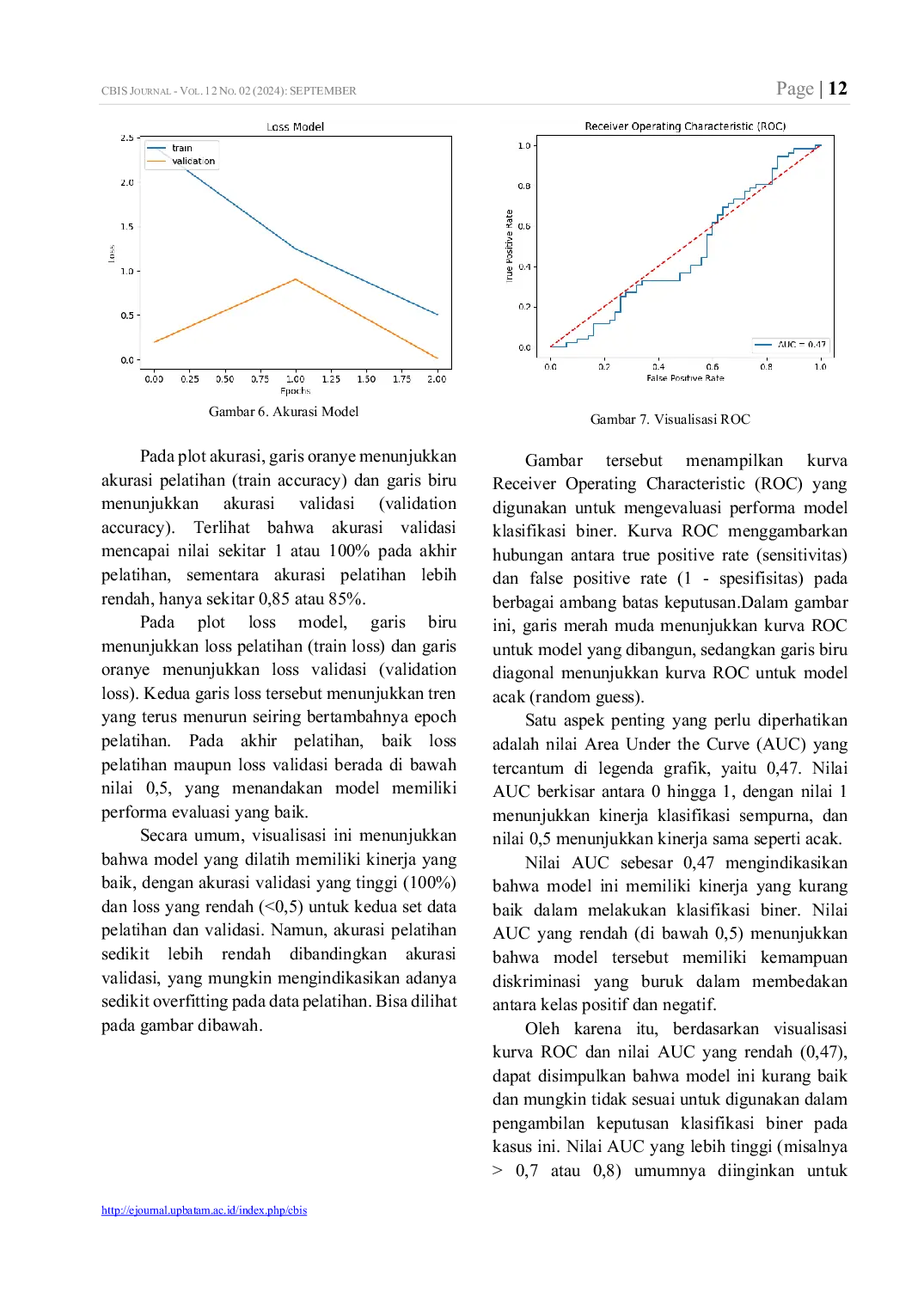
UPBUPB Ini mengindikasikan kemampuan prediksi yang kuat dan generalisasi yang baik dari model terhadap data yang tidak terlihat selama pelatihan. Hasil ini menunjukkanIni mengindikasikan kemampuan prediksi yang kuat dan generalisasi yang baik dari model terhadap data yang tidak terlihat selama pelatihan. Hasil ini menunjukkan
STPNSTPN Hasil penelitian menunjukkan bahwa sertifikat Hak Guna Bangunan (HGB) yang tidak menyebutkan jenis tanah, apakah itu di atas tanah negara, Hak Pengelolaan,Hasil penelitian menunjukkan bahwa sertifikat Hak Guna Bangunan (HGB) yang tidak menyebutkan jenis tanah, apakah itu di atas tanah negara, Hak Pengelolaan,