UNDIPUNDIP
Jurnal Sains Pemasaran Indonesia (Indonesian Journal of Marketing Science)Jurnal Sains Pemasaran Indonesia (Indonesian Journal of Marketing Science)This article provides an understanding of the relationship between circular economy, personality traits, and big five personality traits within the framework of the Theory of Planned Behavior (TPB) to give birth to Eco Entrepreneurs. By utilizing qualitative methods, this research explores an in-depth view of how certain personality characteristics can influence a persons intentions to start a business that focuses on environmental sustainability. Data collection was carried out through in-depth interviews with the owner of Rorokenes, a leather goods business. Bridged by a phenomenological approach, this research found that several personality characteristics, such as Proactiveness, Need for Achievement, Self-efficacy and several personality traits of the Big Five personality traits theory such as Conscientiousness, Openness to Experience and Agreeableness intersect with the Circular Economy concept to form an Eco Entrepreneur. The results of this research have important implications for policy development, management practices, and educational approaches in promoting green entrepreneurship. This research also provides a theoretical contribution to the literature on green entrepreneurship by incorporating an understanding of the aspects of individual behavior that drive individual intentions to entrepreneurship in the green domain.
This research explores the meaning of ecopreneurship in the leather bag business, Rorokenes, utilizing a phenomenological approach and illustrative analysis.The study integrates the Theory of Planned Behavior (TPB) and the Big Five theory of personality traits to understand the motivations behind adopting circular economy practices.The findings highlight the importance of personality characteristics like proactiveness, need for achievement, and self-efficacy, alongside traits such as conscientiousness, openness to experience, and agreeableness, in fostering eco-entrepreneurship and promoting environmental sustainability.
Penelitian lanjutan dapat dilakukan untuk menguji validitas temuan ini pada berbagai jenis usaha berkelanjutan lainnya, tidak hanya terbatas pada industri barang kulit. Selain itu, penelitian kuantitatif dengan skala yang lebih besar dapat dilakukan untuk menggeneralisasi hasil dan mengidentifikasi faktor-faktor lain yang berkontribusi pada keberhasilan eco-entrepreneur. Lebih lanjut, studi longitudinal dapat menelusuri bagaimana kepribadian eco-entrepreneur berkembang seiring waktu dan bagaimana hal ini memengaruhi strategi bisnis dan dampak lingkungan mereka. Penelitian ini dapat memberikan wawasan yang lebih mendalam tentang dinamika eco-entrepreneurship dan membantu mengembangkan program pelatihan dan dukungan yang lebih efektif bagi para pelaku usaha berkelanjutan. Dengan demikian, penelitian-penelitian ini diharapkan dapat mendorong inovasi dan praktik bisnis yang lebih bertanggung jawab terhadap lingkungan dan masyarakat.
- Kualiti keusahawanan dalam kalangan usahawan kecil dan sederhana (Quality of entrepreneurship in small... ejournals.ukm.my/gmjss/article/view/31966Kualiti keusahawanan dalam kalangan usahawan kecil dan sederhana Quality of entrepreneurship in small ejournals ukm my gmjss article view 31966
- The impact of entrepreneurship education, entrepreneurial self-efficacy and gender on entrepreneurial... doi.org/10.1080/03075079.2017.1365359The impact of entrepreneurship education entrepreneurial self efficacy and gender on entrepreneurial doi 10 1080 03075079 2017 1365359
| File size | 314.56 KB |
| Pages | 13 |
| DMCA | Report |
Related /
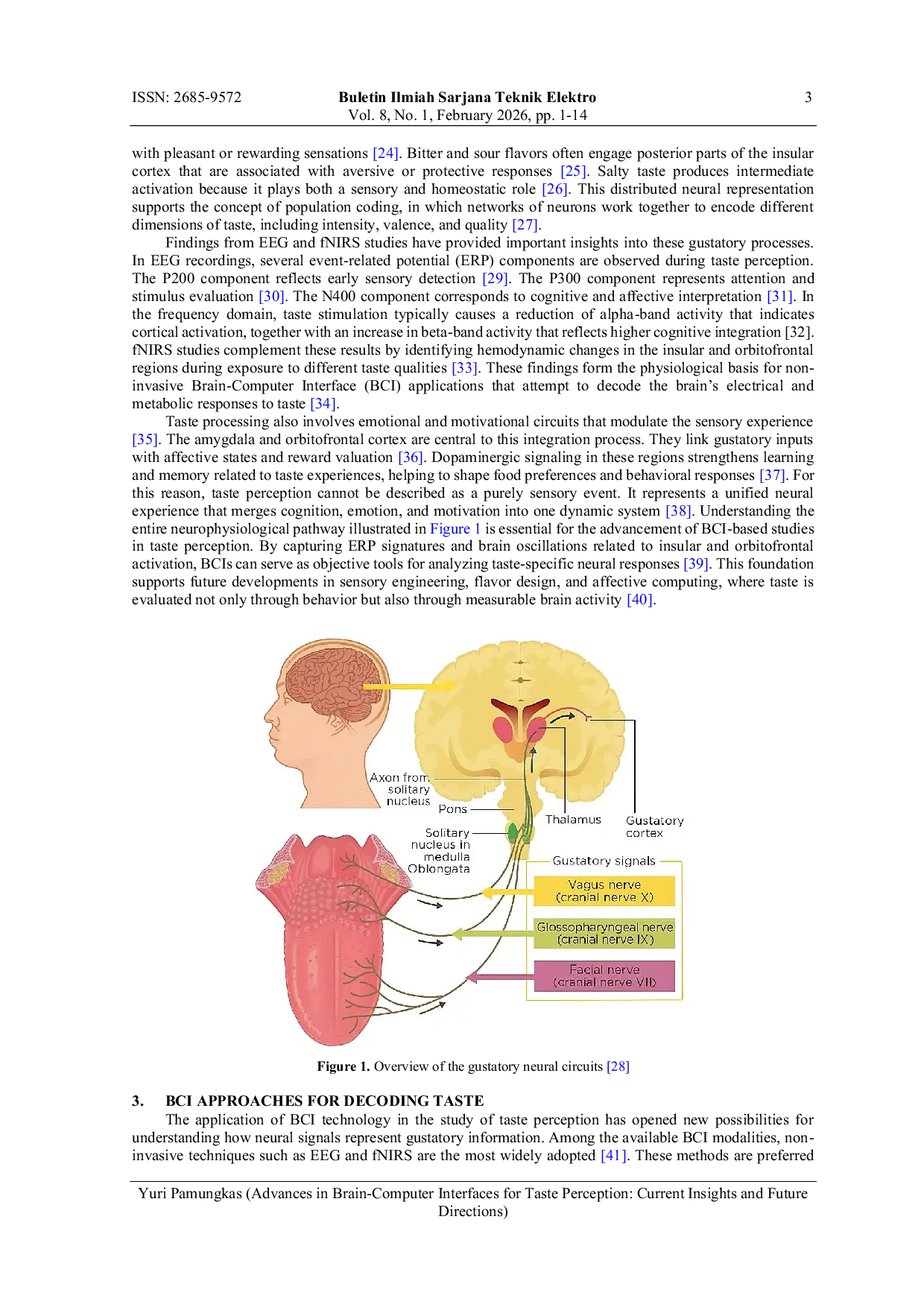
UADUAD BCI memungkinkan pengenalan rasa dasar dengan akurasi tinggi dan dapat memproses konteks multisensori, menegaskan peran penting EEG dan fNIRS dalam studiBCI memungkinkan pengenalan rasa dasar dengan akurasi tinggi dan dapat memproses konteks multisensori, menegaskan peran penting EEG dan fNIRS dalam studi
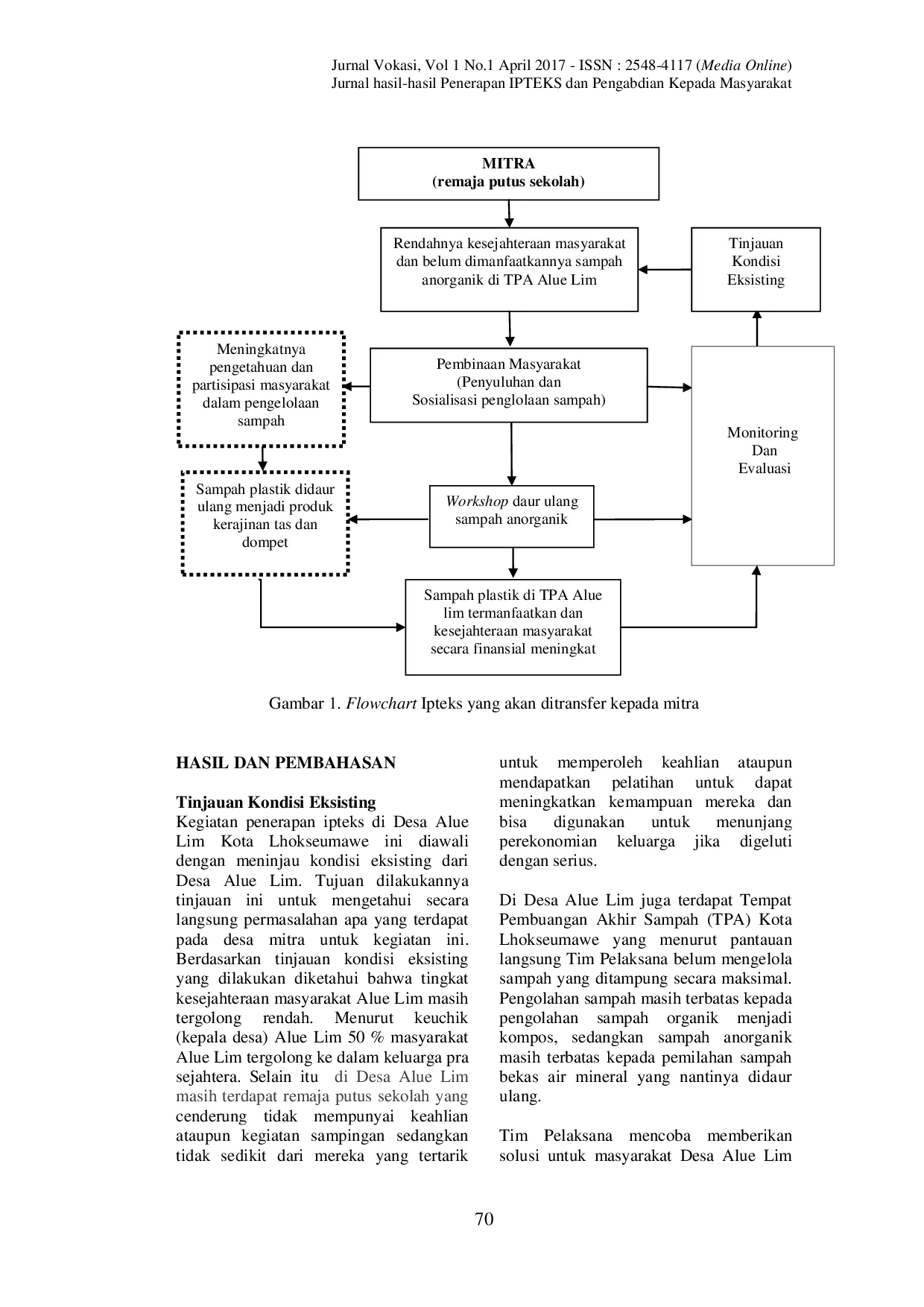
PNLPNL Kegiatan ini diawali dengan meninjau kondisi mitra, pembinaan masyarakat, dan workshop pembuatan kerajinan tangan dari sampah plastik. Hasilnya adalahKegiatan ini diawali dengan meninjau kondisi mitra, pembinaan masyarakat, dan workshop pembuatan kerajinan tangan dari sampah plastik. Hasilnya adalah

UNDIPUNDIP This study will enable future studies to get more extensive and precise findings that are relevant to global business professionals. Digitalisasi memilikiThis study will enable future studies to get more extensive and precise findings that are relevant to global business professionals. Digitalisasi memiliki
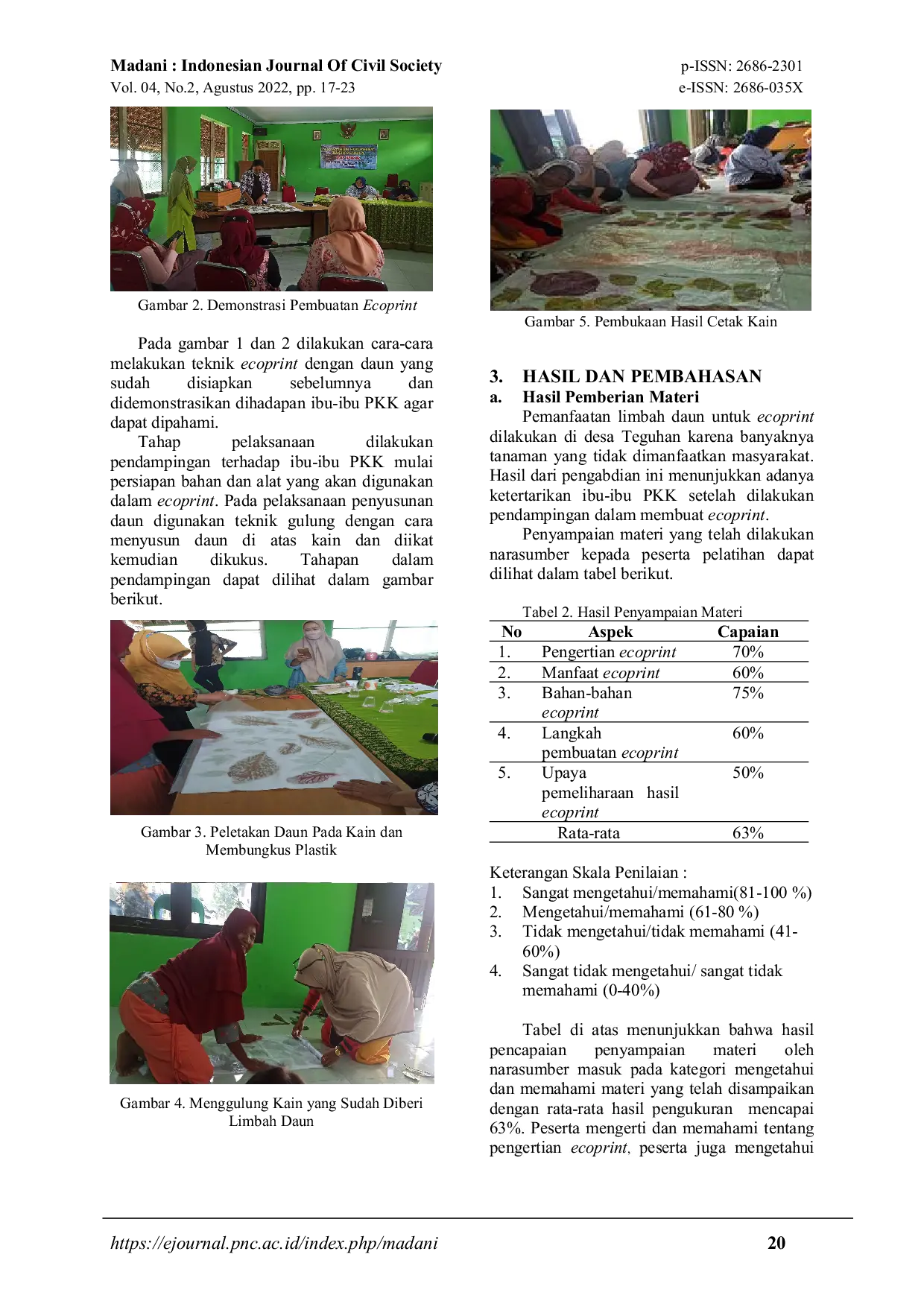
PNCPNC Hasil pengabdian tentang masyarakat ecoprint dengan capaian cukup baik dengan rata-rata mencapai 63%. Hasil pelaksanaan kegiatan demonstrasi dan keterampilanHasil pengabdian tentang masyarakat ecoprint dengan capaian cukup baik dengan rata-rata mencapai 63%. Hasil pelaksanaan kegiatan demonstrasi dan keterampilan

UIGMUIGM Sedangkan Tabel EFAS menggambarkan skor peluang 2,9 dan skor ancaman sebesar 0,32, sehingga daya saing peluang sebesar 2,58. Pada diagram SWOT posisi usahaSedangkan Tabel EFAS menggambarkan skor peluang 2,9 dan skor ancaman sebesar 0,32, sehingga daya saing peluang sebesar 2,58. Pada diagram SWOT posisi usaha
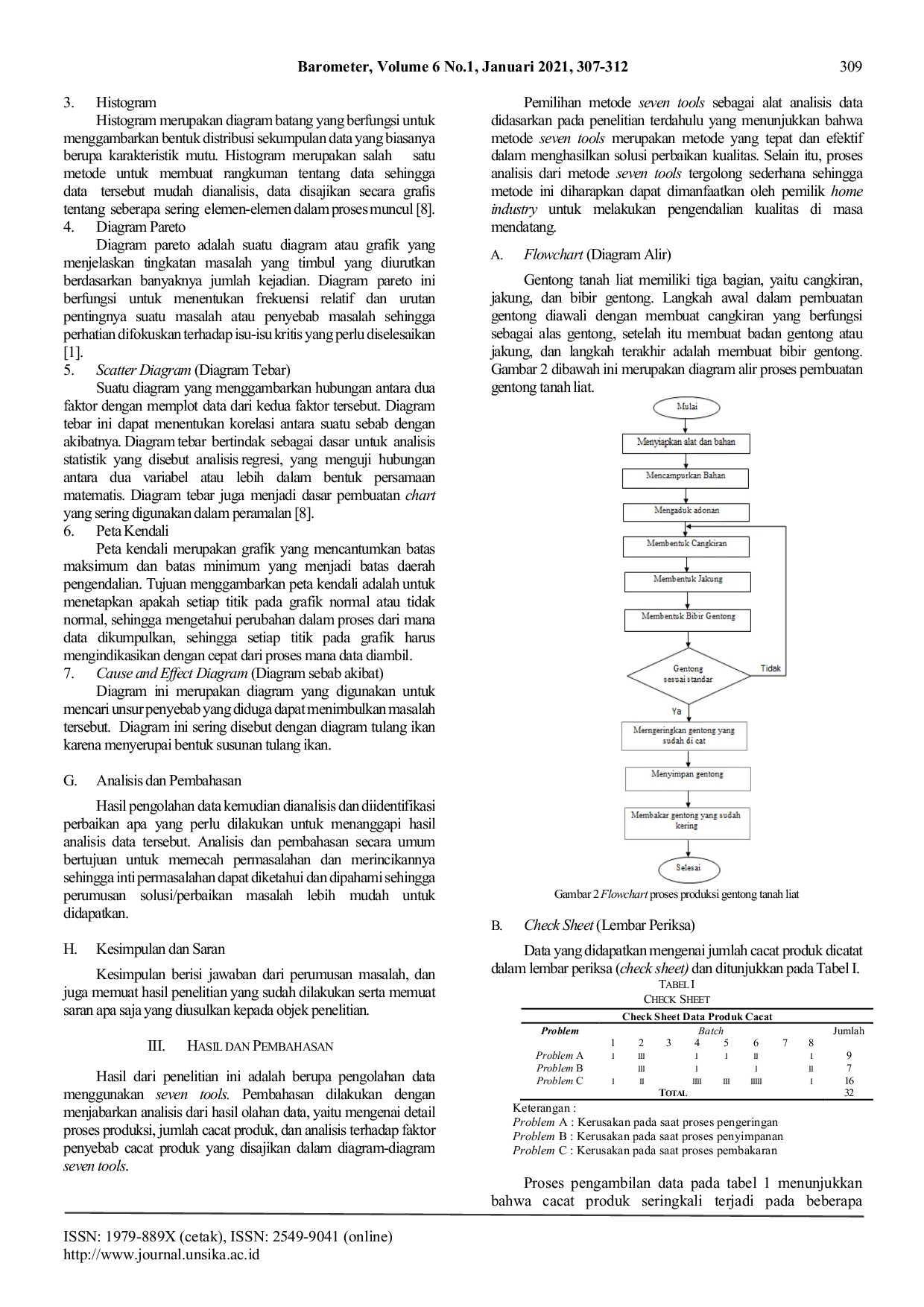
UNSIKAUNSIKA Perbaikan terhadap faktor manusia dilakukan dengan cara menambah jumlah pekerja yang sebelumnya sudah diberikan pelatihan dan motivasi untuk melakukanPerbaikan terhadap faktor manusia dilakukan dengan cara menambah jumlah pekerja yang sebelumnya sudah diberikan pelatihan dan motivasi untuk melakukan

UNSIKAUNSIKA PKF salah satu perusahaan yang memproduksi plastik yang masih terdapat kegagalan terutama pada proses produksi di mesin cutting. Pada penelitian ini metodePKF salah satu perusahaan yang memproduksi plastik yang masih terdapat kegagalan terutama pada proses produksi di mesin cutting. Pada penelitian ini metode

UIGMUIGM Revitalisasi ini mencakup pengembangan dua distrik berbeda dengan fokus pada bisnis dan ruang terbuka publik, serta integrasi elemen-elemen kota sepertiRevitalisasi ini mencakup pengembangan dua distrik berbeda dengan fokus pada bisnis dan ruang terbuka publik, serta integrasi elemen-elemen kota seperti
Useful /

UNDIPUNDIP Hasil analisis QSPM pada strategi SO menghasilkan keputusan strategi yaitu Mengadakan pelatihan dan pengetahuan kepada karyawan terkait kegiatan pemasaranHasil analisis QSPM pada strategi SO menghasilkan keputusan strategi yaitu Mengadakan pelatihan dan pengetahuan kepada karyawan terkait kegiatan pemasaran

UNDIPUNDIP Namun, pembelian dalam game tidak sebanding dengan popularitasnya. Oleh karena itu, penelitian ini fokus pada adiksi dan loyalitas pemain game serta pengaruhnyaNamun, pembelian dalam game tidak sebanding dengan popularitasnya. Oleh karena itu, penelitian ini fokus pada adiksi dan loyalitas pemain game serta pengaruhnya

UNDIPUNDIP Paru - Paru Sukasari Husada Sukoharjo) untuk terus membenahi kualitas pelayanan menjadi semakin baik (Kualitas pelayanan Kepuasan pelanggan). Kedua,Paru - Paru Sukasari Husada Sukoharjo) untuk terus membenahi kualitas pelayanan menjadi semakin baik (Kualitas pelayanan Kepuasan pelanggan). Kedua,

UIGMUIGM Poster ini bertujuan untuk mengingatkan kembali tujuan pendidikan sebagai pelaksana sebuah pendidikan, agar mereka memahami bahwa dengan memberikan kunciPoster ini bertujuan untuk mengingatkan kembali tujuan pendidikan sebagai pelaksana sebuah pendidikan, agar mereka memahami bahwa dengan memberikan kunci