STISASABANGSTISASABANG
AL-ILMU : Jurnal Keagamaan dan Ilmu SosialAL-ILMU : Jurnal Keagamaan dan Ilmu SosialFiil mudāri is one of three sentences found in Arabic, namely isim, fiil and letters sentences. Fiil mudāri is a Lafaẓ which allows the content of two ages, namely hāl and istiqbāl. However, in the Quran, the content of mudāris era is not always in line with the rules of the Arabic language. Sometimes mudāri has other eras besides the two eras he has, such as the zaman māḍi. Of the many tafsir books that study the rules of the Arabic language, al-Baḥr al-Muḥiṭs tafsir is deemed appropriate to be used as a reference in the discussion of this research, because the content of the discussion is considered complete both from the language study aspect and the meaning study aspect. This research uses library research using the maudui method. In identifying the grammar of the language found in the fiil mudāri era that was used by the mufasir in his interpretation of al-Baḥr al-Muḥiṭ, the author will use the naḥwu and balāgah science approaches in researching it. This aims to analyze the rules for using the Māḍi era in fiil mudāri used by Abu Hayyan in his interpretation of Al-Baḥr al-Muḥiṭ. The author will also briefly review whether there are any possible reasons behind Abu Hayyans interpretation. Apart from that, the author also analyzes the meaning contained in the use of zaman māḍi in fiil mudāri. From the results of this research, the author found a fairly fair interpretation. Mufassir, who was an expert in the science of naḥwu, showed tendencies towards certain ideologies, but without winning over either side. The interpretation is carried out by discussing the verses one by one, analyzing them with the naḥwu arguments, providing rebuttals to certain arguments, and also not forgetting to include other verses and hadiths of the Prophet as interpretation.
Penelitian ini menyimpulkan bahwa penggunaan makna māḍi pada lafaẓ fiil muḍāri dalam tafsir al-Bahr al-Muḥīṭ seringkali selaras dengan kaidah bahasa Arab, namun juga melibatkan pertimbangan ilmu balāghah dan interpretasi mendalam.Meskipun Abu Hayyan berpegang pada keahliannya dalam naḥwu, beliau tetap terbuka terhadap pendapat ulama lain dan tidak memihak madzhab tertentu, menghasilkan penafsiran yang netral dan komprehensif.Al-Quran memiliki kedalaman sastra yang tidak selalu dapat diukur dengan teori linguistik, menunjukkan keunikan dan keagungannya sebagai kalam ilahi.
Penelitian lanjutan dapat dilakukan dengan mengeksplorasi lebih dalam pengaruh latar belakang keilmuan dan ideologi mufasir terhadap interpretasi makna fiil muḍāri dalam tafsir-tafsir lainnya. Selain itu, studi komparatif mengenai penggunaan makna māḍi dalam fiil muḍāri di berbagai surah Al-Quran dapat memberikan pemahaman yang lebih luas tentang fleksibilitas bahasa Arab dan konteks penggunaannya. Terakhir, penelitian dapat difokuskan pada analisis peran ilmu balāghah dalam mengungkap makna tersirat dan keindahan sastra dalam interpretasi ayat-ayat Al-Quran, khususnya yang berkaitan dengan penggunaan fiil muḍāri dengan makna māḍi, sehingga dapat memperkaya khazanah pemahaman terhadap Al-Quran sebagai sumber petunjuk dan inspirasi bagi umat manusia. Penelitian ini penting untuk dilakukan karena dapat memberikan wawasan baru tentang kompleksitas bahasa Al-Quran dan bagaimana interpretasi dapat dipengaruhi oleh berbagai faktor, serta membantu memperdalam pemahaman kita tentang pesan-pesan ilahi yang terkandung di dalamnya.
| File size | 665.67 KB |
| Pages | 21 |
| DMCA | Report |
Related /
IAIN KEDIRIIAIN KEDIRI 183 Tahun 2019; dan implikasi pengembangan nilai moderasi dalam buku bahasa Arab MA berdasarkan KMA No. 183 Tahun 2019. Penelitian ini menggunakan pendekatan183 Tahun 2019; dan implikasi pengembangan nilai moderasi dalam buku bahasa Arab MA berdasarkan KMA No. 183 Tahun 2019. Penelitian ini menggunakan pendekatan

IAFORISIAFORIS Hasil penelitian menunjukkan bahwa Ayat Dain memiliki struktur linguistik yang menegaskan urgensi pencatatan transaksi, keterlibatan saksi sebagai bentukHasil penelitian menunjukkan bahwa Ayat Dain memiliki struktur linguistik yang menegaskan urgensi pencatatan transaksi, keterlibatan saksi sebagai bentuk
UNTAGUNTAG Pesantren diharapkan dapat menjadi benteng penangkal paham fundamentalis melalui pembelajaran multikultural yang diterapkan. Penelitian ini bertujuan untukPesantren diharapkan dapat menjadi benteng penangkal paham fundamentalis melalui pembelajaran multikultural yang diterapkan. Penelitian ini bertujuan untuk
IAIPD NGANJUKIAIPD NGANJUK Hasil penelitian ini mengungkapkan tiga pokok penting: pertama, akal memperoleh tempat yang mulia dalam Al-Quran, terlihat dari berbagai ayat yang mendorongHasil penelitian ini mengungkapkan tiga pokok penting: pertama, akal memperoleh tempat yang mulia dalam Al-Quran, terlihat dari berbagai ayat yang mendorong

UM MetroUM Metro Penelitian ini menyimpulkan adanya keselarasan yang kuat antara isyarat saintifik dalam Al-Quran dan fakta ilmiah terkini. Al-Quran tidak hanya menggambarkanPenelitian ini menyimpulkan adanya keselarasan yang kuat antara isyarat saintifik dalam Al-Quran dan fakta ilmiah terkini. Al-Quran tidak hanya menggambarkan
STAI TBHSTAI TBH Temuan penting penelitian ini adalah perubahan dan komitmen siswa SMP Muhammadiyah Jakarta dalam melaksanakan ibadah serta menunjukkan perilaku berkarakterTemuan penting penelitian ini adalah perubahan dan komitmen siswa SMP Muhammadiyah Jakarta dalam melaksanakan ibadah serta menunjukkan perilaku berkarakter
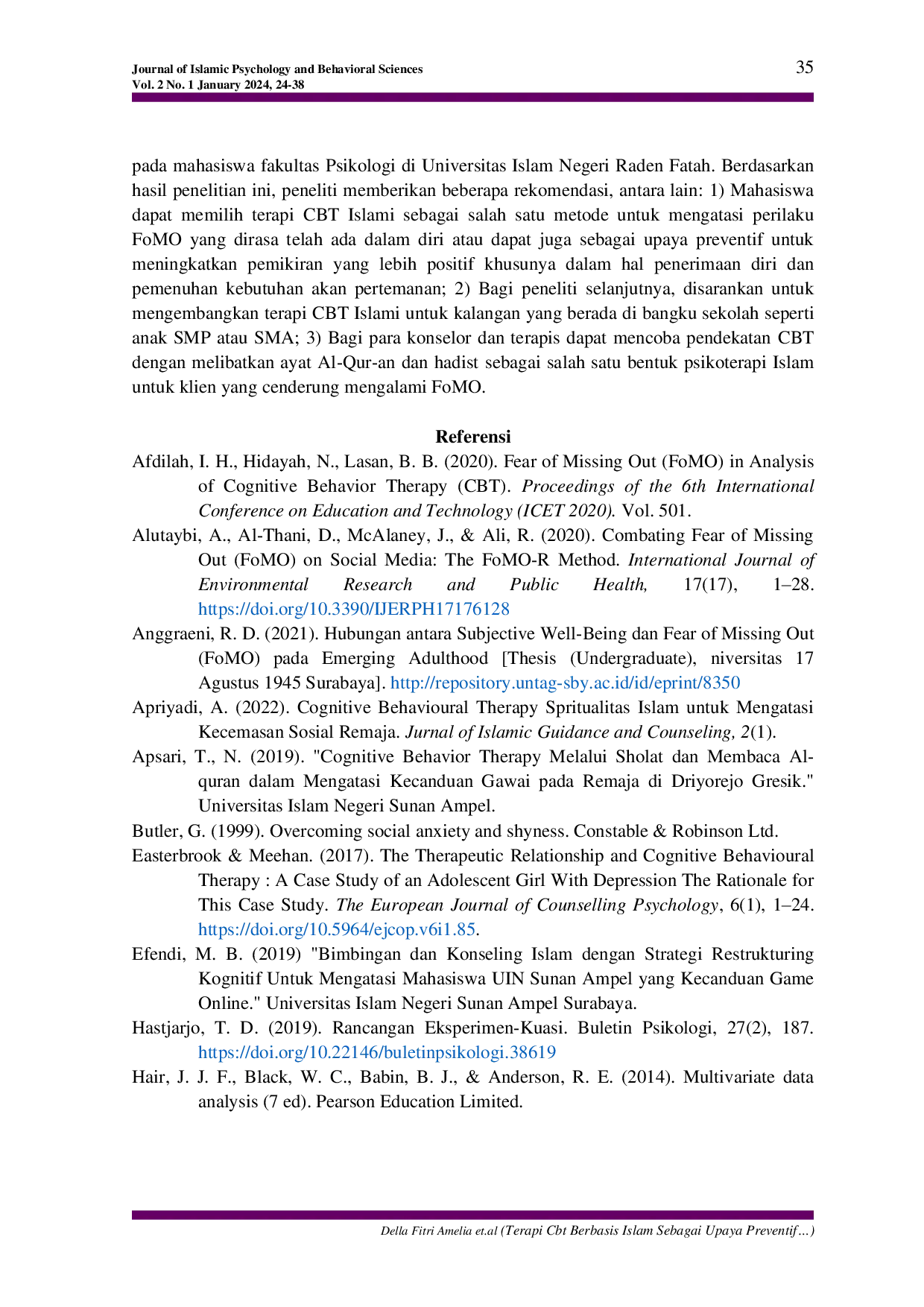
DOKICTIDOKICTI Berdasarkan hasil penelitian ini, peneliti memberikan beberapa rekomendasi, antara lain. 1) Mahasiswa dapat memilih terapi CBT Islami sebagai salah satuBerdasarkan hasil penelitian ini, peneliti memberikan beberapa rekomendasi, antara lain. 1) Mahasiswa dapat memilih terapi CBT Islami sebagai salah satu
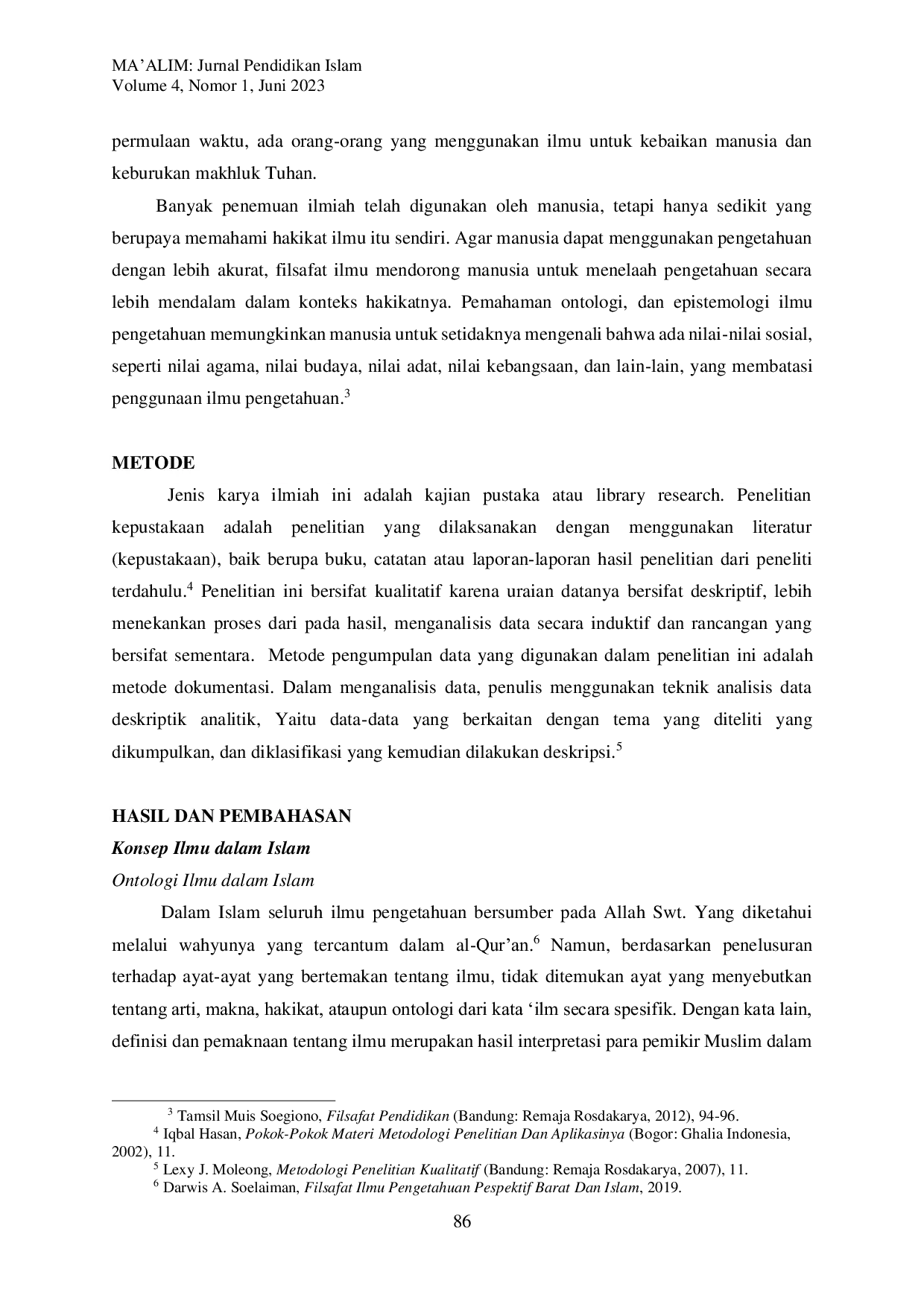
IAIN PONOROGOIAIN PONOROGO Adapun hasil penelitian ini menunjukkan bahwa dalam memandang hakikat ilmu islam dan barat memiliki pandangan yang berbeda. Islam memiliki pandangan bahwaAdapun hasil penelitian ini menunjukkan bahwa dalam memandang hakikat ilmu islam dan barat memiliki pandangan yang berbeda. Islam memiliki pandangan bahwa
Useful /
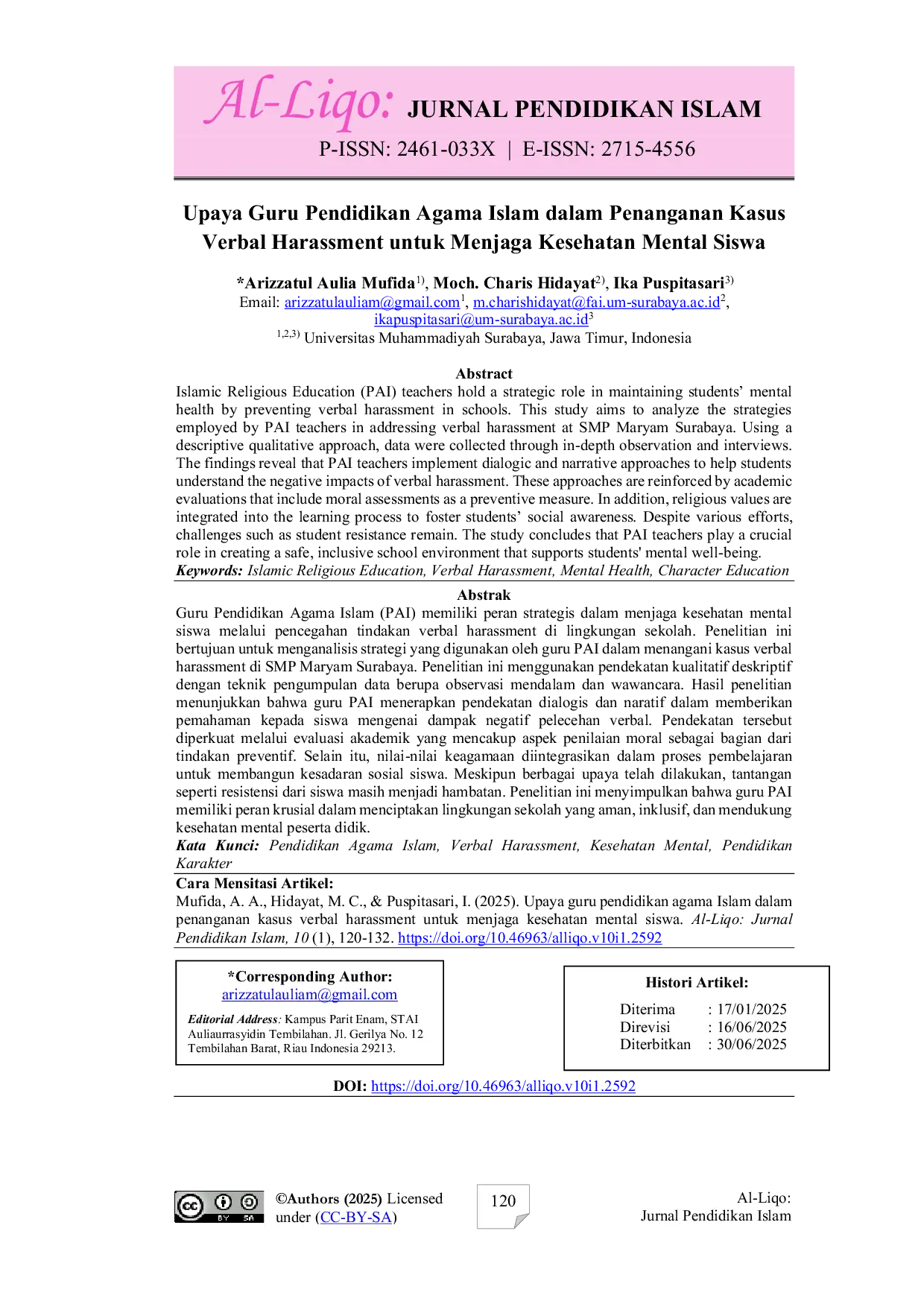
STAI TBHSTAI TBH Guru Pendidikan Agama Islam (PAI) memiliki peran strategis dalam menjaga kesehatan mental siswa melalui pencegahan tindakan verbal harassment di lingkunganGuru Pendidikan Agama Islam (PAI) memiliki peran strategis dalam menjaga kesehatan mental siswa melalui pencegahan tindakan verbal harassment di lingkungan
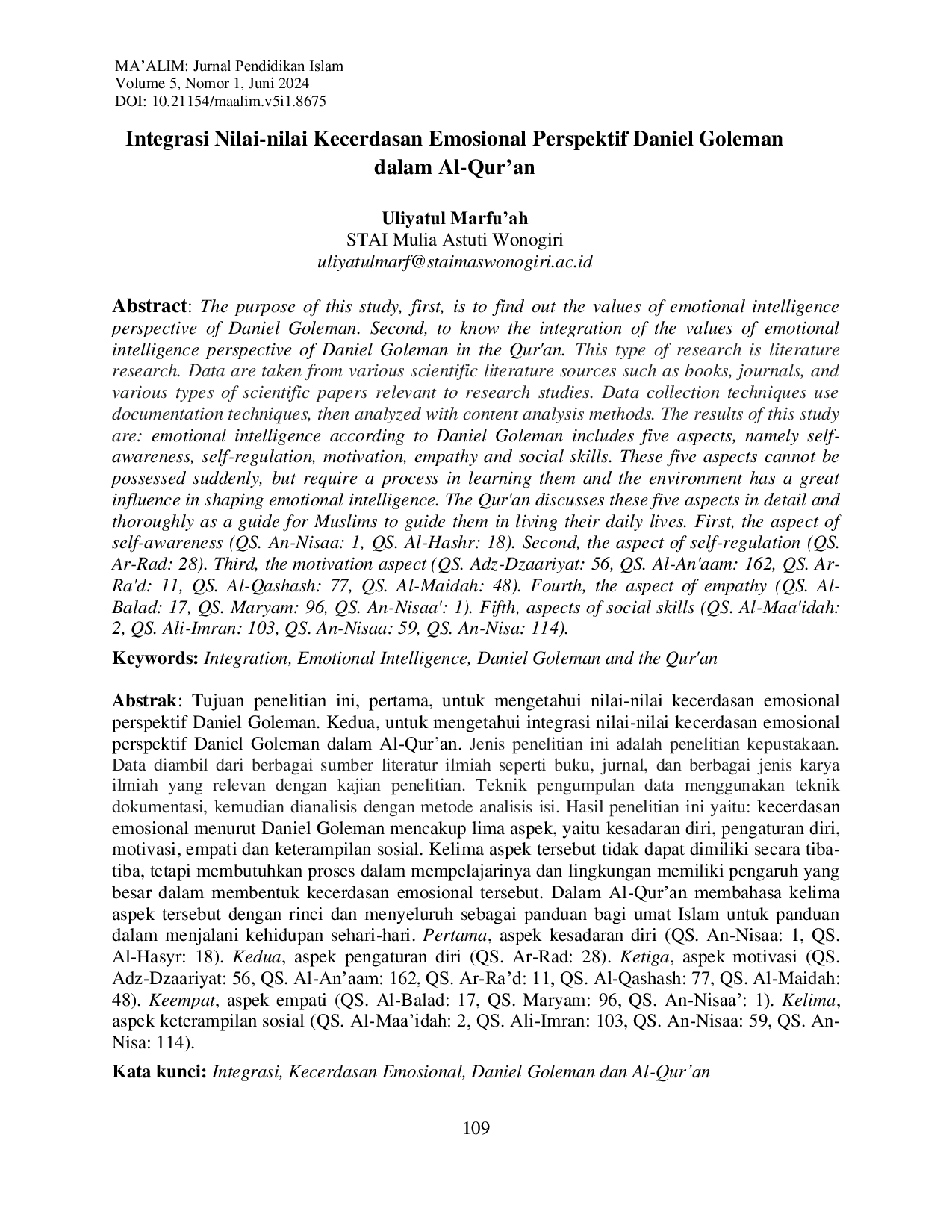
IAIN PONOROGOIAIN PONOROGO Al-Qashash: 77, QS. Al-Maidah: 48). Keempat, aspek empati (QS. Al-Balad: 17, QS. Maryam: 96, QS. An-Nisaa: 1). Kelima, aspek keterampilan sosial (QS. Al-Maaidah:Al-Qashash: 77, QS. Al-Maidah: 48). Keempat, aspek empati (QS. Al-Balad: 17, QS. Maryam: 96, QS. An-Nisaa: 1). Kelima, aspek keterampilan sosial (QS. Al-Maaidah:

IAIN PONOROGOIAIN PONOROGO Pendidikan mempunyai peranan yang sangat krusial dalam upaya mempersiapkan generasi bangsa dan agama. Keberhasilan atau tidaknya suatu bangsa maupun negaraPendidikan mempunyai peranan yang sangat krusial dalam upaya mempersiapkan generasi bangsa dan agama. Keberhasilan atau tidaknya suatu bangsa maupun negara

UNSULBARUNSULBAR Secara simultan, ketiga variabel independen (kompensasi, kepemimpinan, dan komitmen) berpengaruh signifikan terhadap disiplin kerja. Hasil penelitian menunjukkanSecara simultan, ketiga variabel independen (kompensasi, kepemimpinan, dan komitmen) berpengaruh signifikan terhadap disiplin kerja. Hasil penelitian menunjukkan