POLTEKKESKUPANGPOLTEKKESKUPANG
JKP (Jurnal Kesehatan Primer)JKP (Jurnal Kesehatan Primer)Introduction: Osteoporosis is a chronic bone disease caused by reduced bone mass and impaired bone structure. This disease is a widespread and serious public health problem. The most common consequences of this condition are hip and vertebral fractures, which can carry a substantial risk of premature morbidity and mortality. The best strategy to overcome osteoporosis is prevention by identifying risk factors and early diagnosis. This article aims to provide an overview of the influence of body mass index (BMI), age, and gender on bone mineral density (BMD) in the elderly. Methods: This article is a literature review with a search for literature sources using the keywords bone mineral density, body mass index, age, gender, and elderly the Google Scholar, PubMed, PMC, Researchgate, and Sciencedirect databases. The inclusion criteria are online and full-text scientific articles in the last 10 years in international journals. Results: Several studies have shown that the prevalence of osteoporosis is higher in people with low BMI, but other studies have found a decrease in BMD in obese subjects; with increasing age there is a decrease in osteoblast differentiation activity, increased osteoclastogenesis and osteoclast activity, and increased bone resorption; females are more susceptible to osteoporosis because decreased estradiol during menopause causes a sharp increase in bone turnover and resorption. Conclusion: There are mixed findings regarding the relationship between BMI and BMD. Age is a factor that needs to be considered because a persons chances of developing osteoporosis will increase with age. Females are more susceptible to osteoporosis.
There are mixed findings regarding the relationship between BMI and BMD.Age is a factor that needs to be considered because a persons chances of developing osteoporosis will increase with age.
Penelitian lebih lanjut perlu dilakukan untuk menginvestigasi secara mendalam hubungan kompleks antara indeks massa tubuh (IMT) dan densitas mineral tulang (DMT), dengan mempertimbangkan faktor-faktor lain seperti komposisi tubuh dan gaya hidup. Studi longitudinal yang melibatkan kelompok usia yang lebih luas dan durasi yang lebih panjang diperlukan untuk melacak perubahan DMT seiring waktu dan mengidentifikasi titik kritis di mana intervensi pencegahan paling efektif. Selain itu, penelitian yang berfokus pada mekanisme biologis yang mendasari perbedaan respons DMT terhadap IMT antara pria dan wanita, terutama terkait dengan perubahan hormonal selama menopause, akan memberikan wawasan penting untuk pengembangan strategi pencegahan dan pengobatan osteoporosis yang lebih personal dan efektif. Penelitian di masa depan juga dapat mengeksplorasi peran faktor genetik dan epigenetik dalam memoderasi hubungan antara IMT, usia, jenis kelamin, dan DMT, sehingga memungkinkan identifikasi individu yang berisiko tinggi mengalami osteoporosis dan pengembangan intervensi yang ditargetkan.
- Body Mass Index (BMI) is a Popular Anthropometric Tool to Measure Obesity Among Adults | Journal of Innovations... doi.org/10.56397/jimr/2023.04.06Body Mass Index BMI is a Popular Anthropometric Tool to Measure Obesity Among Adults Journal of Innovations doi 10 56397 jimr 2023 04 06
- Journal of Mid-life Health. journal mid life health journals.lww.com/jomh/fulltext/2016/07030/preventable_risk_factors_for_osteoporosis_in.3.aspxJournal of Mid life Health journal mid life health journals lww jomh fulltext 2016 07030 preventable risk factors for osteoporosis in 3 aspx
- Disruption of the Cx43/miR21 pathway leads to osteocyte apoptosis and increased osteoclastogenesis with... doi.org/10.1111/acel.12586Disruption of the Cx43 miR21 pathway leads to osteocyte apoptosis and increased osteoclastogenesis with doi 10 1111 acel 12586
| File size | 380.28 KB |
| Pages | 14 |
| DMCA | Report |
Related /

UIN SGDUIN SGD Kerangka Undang-Undang Kebijakan Sosial Responsif yang diusulkan—sebagai instrumen hukum berbasis hak asasi manusia—menekankan implementasi kebijakanKerangka Undang-Undang Kebijakan Sosial Responsif yang diusulkan—sebagai instrumen hukum berbasis hak asasi manusia—menekankan implementasi kebijakan

UIN SGDUIN SGD This finding highlights the need for legal clarity regarding the limitations of the Party Courts authority and the role of the KPU in ensuring legal certaintyThis finding highlights the need for legal clarity regarding the limitations of the Party Courts authority and the role of the KPU in ensuring legal certainty

UIN SGDUIN SGD Hambatan tersebut antara lain belum adanya Peraturan Kepala Daerah (Perkada) sebagai pedoman implementatif, keterbatasan data spasial dan historis yangHambatan tersebut antara lain belum adanya Peraturan Kepala Daerah (Perkada) sebagai pedoman implementatif, keterbatasan data spasial dan historis yang

UIN SGDUIN SGD Pengadaan tanah untuk kepentingan umum merupakan instrumen strategis dalam agenda pembangunan nasional di Indonesia, namun kerap menimbulkan persoalanPengadaan tanah untuk kepentingan umum merupakan instrumen strategis dalam agenda pembangunan nasional di Indonesia, namun kerap menimbulkan persoalan

UIN SGDUIN SGD Meningkatnya kompleksitas aktivitas kriminal dan ekspansi eksponensial data digital mengharuskan integrasi teknologi Big Data ke dalam investigasi kriminal.Meningkatnya kompleksitas aktivitas kriminal dan ekspansi eksponensial data digital mengharuskan integrasi teknologi Big Data ke dalam investigasi kriminal.

UMSUMS Furthermore, the research underscores the importance of robust personal data protection frameworks, as enshrined in the Electronic Information and TransactionFurthermore, the research underscores the importance of robust personal data protection frameworks, as enshrined in the Electronic Information and Transaction

IAIN PAREIAIN PARE Nepotisme secara etimologi adalah kemanakan, sanak keluarga dan orang terdekat sedangkan menurut hadis, nepotisme adalah memberikan jabatan atau tugasNepotisme secara etimologi adalah kemanakan, sanak keluarga dan orang terdekat sedangkan menurut hadis, nepotisme adalah memberikan jabatan atau tugas

UTUUTU Buah mangrove yang paling sering digunakan sebagai sumber pangan adalah buah Sonneratia alba, serta dapat diolah menjadi sirup mangrove. Penelitian iniBuah mangrove yang paling sering digunakan sebagai sumber pangan adalah buah Sonneratia alba, serta dapat diolah menjadi sirup mangrove. Penelitian ini
Useful /

UNAIM WAMENAUNAIM WAMENA Perekonomian Kabupaten Jayawijaya Tahun 2018 telah memasuki tahapan normal dengan pertumbuhan ekonomi daerah yang semakin kuat. Peningkatan kinerja ekonomiPerekonomian Kabupaten Jayawijaya Tahun 2018 telah memasuki tahapan normal dengan pertumbuhan ekonomi daerah yang semakin kuat. Peningkatan kinerja ekonomi

UNAIM WAMENAUNAIM WAMENA Kesimpulannya adalah secara menyeluruh dilihat dari hasil penelitian tentang tingkat kepuasan Masyarakat dalam pelayanan publik di Kantor Kelurahan WamenaKesimpulannya adalah secara menyeluruh dilihat dari hasil penelitian tentang tingkat kepuasan Masyarakat dalam pelayanan publik di Kantor Kelurahan Wamena
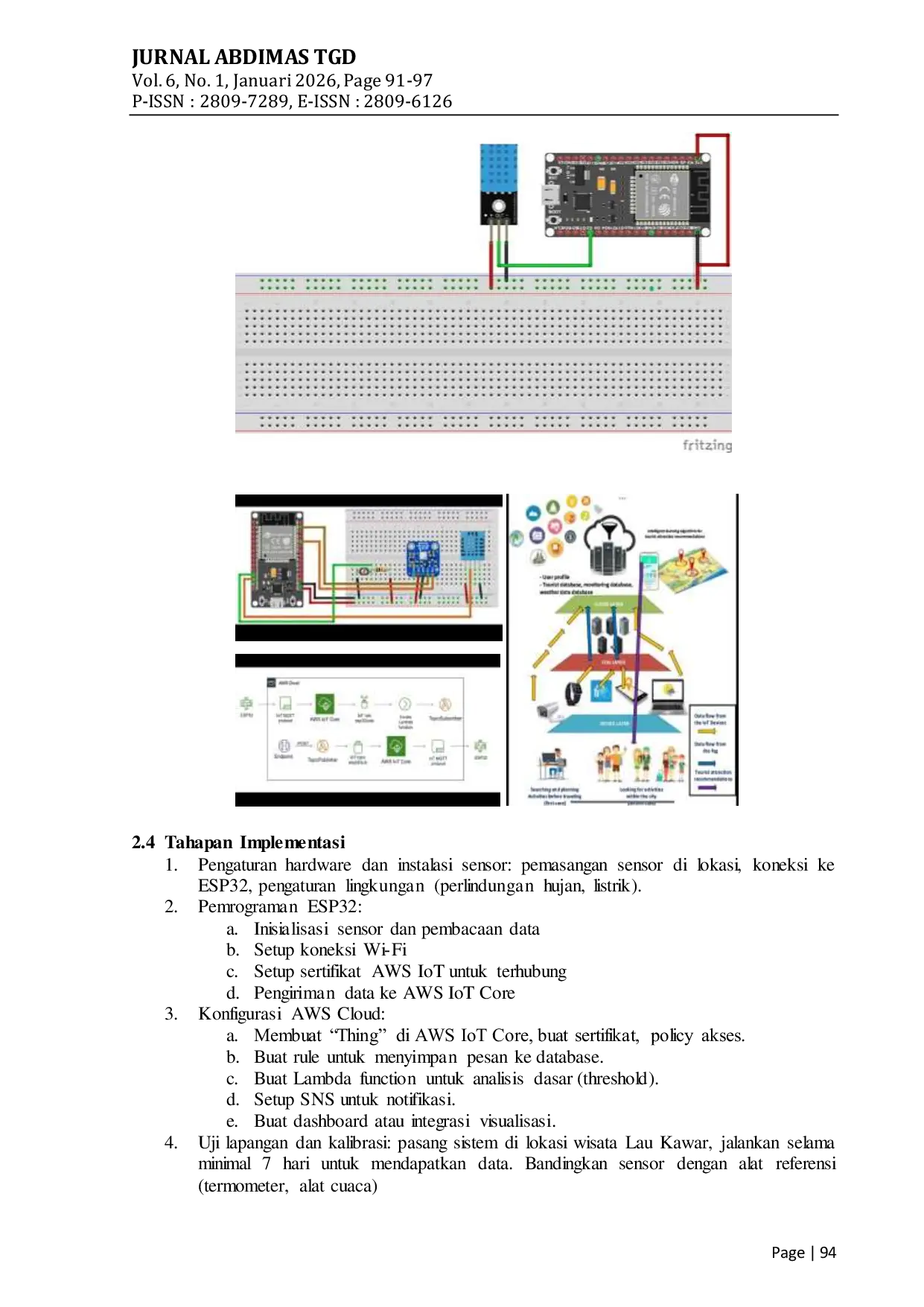
TRI GUNA DHARMATRI GUNA DHARMA Hasil menunjukkan bahwa sistem mampu memonitor parameter lingkungan dengan latensi rendah (< 2 menit) dan akurasi cukup baik untuk mendukung keputusanHasil menunjukkan bahwa sistem mampu memonitor parameter lingkungan dengan latensi rendah (< 2 menit) dan akurasi cukup baik untuk mendukung keputusan

UNJUNJ Pertambahan jumlah kependudukan Distrik Ransiki Kabupaten Manokwari Selatan mencapai 16.245 jiwa pada tahun 2020. Namun hingga saat ini belum adanya TPAPertambahan jumlah kependudukan Distrik Ransiki Kabupaten Manokwari Selatan mencapai 16.245 jiwa pada tahun 2020. Namun hingga saat ini belum adanya TPA