UMGUMG
Journal of English Teaching, Literature, and Applied LinguisticsJournal of English Teaching, Literature, and Applied LinguisticsThis study investigates how Indonesian EFL (English as a Foreign Language) learners negotiate their cultural identity within a Cross-Cultural Understanding (CCU) course. Through a qualitative analysis of performance-based final term projects, the research explores the tension between the mandatory use of English and the students desire to project local heritage. Data from 23 student performances reveal that learners do not merely adopt Western norms. Instead, they perform a hybrid identity, using English as a tool to globalize local narratives.
The study demonstrates that Indonesian EFL learners skillfully negotiate their cultural identities through performance tasks, utilizing English not as a suppressor of culture but as a tool for projecting local heritage globally.Students exhibited cultural agency by reclaiming folklore and local habits, showcasing that English can be owned to articulate their realities.The inclusion of reflective segments was crucial, allowing students to re-center their local identity even while using a foreign language for delivery.
Future research should explore the long-term impact of these identity negotiation strategies as students transition into professional settings, examining how their ability to blend local and global perspectives influences their career trajectories. Additionally, studies could investigate audience perceptions of these performances, assessing the effectiveness of students cultural representations in conveying authentic Indonesian narratives to international audiences. Finally, educators should prioritize incorporating more opportunities for students to critically reflect on their cultural identities within EFL curricula, fostering a deeper understanding of how language learning can empower them to become cultural ambassadors and challenge dominant linguistic norms. These investigations will contribute to a more nuanced understanding of the complex interplay between language, culture, and identity in the context of globalization, ultimately informing more effective and culturally sensitive pedagogical practices. Further exploration of the role of third spaces – learning environments that encourage hybridity – could reveal how to best support students in navigating their multiple identities and leveraging English as a tool for cultural diplomacy. This research should also consider the impact of varying levels of English proficiency on students ability to negotiate their cultural identities, identifying potential support mechanisms for learners who may feel less confident in their linguistic abilities.
- Language Identities of Multilingual College English Learners in Indonesia - Eurasian Journal of Applied... doi.org/10.32601/ejal.911403Language Identities of Multilingual College English Learners in Indonesia Eurasian Journal of Applied doi 10 32601 ejal 911403
- “Languages are not the barriers”: Learning together through multilingual cross-curricular... doi.org/10.37213/cjal.2024.33465AuLanguages are not the barriersAy Learning together through multilingual cross curricular doi 10 37213 cjal 2024 33465
- "EFL Learners’ Multiple Identities Constructions in Relation to Global " by Farah Anjanillah,... doi.org/10.46743/2160-3715/2021.4710EFL LearnersAo Multiple Identities Constructions in Relation to Global by Farah Anjanillah doi 10 46743 2160 3715 2021 4710
- Building Cultural Competency in Interior Design: When Good Intentions go Awry | International Journal... doi.org/10.14434/ijdl.v13i1.33232Building Cultural Competency in Interior Design When Good Intentions go Awry International Journal doi 10 14434 ijdl v13i1 33232
| File size | 199.05 KB |
| Pages | 8 |
| DMCA | Report |
Related /
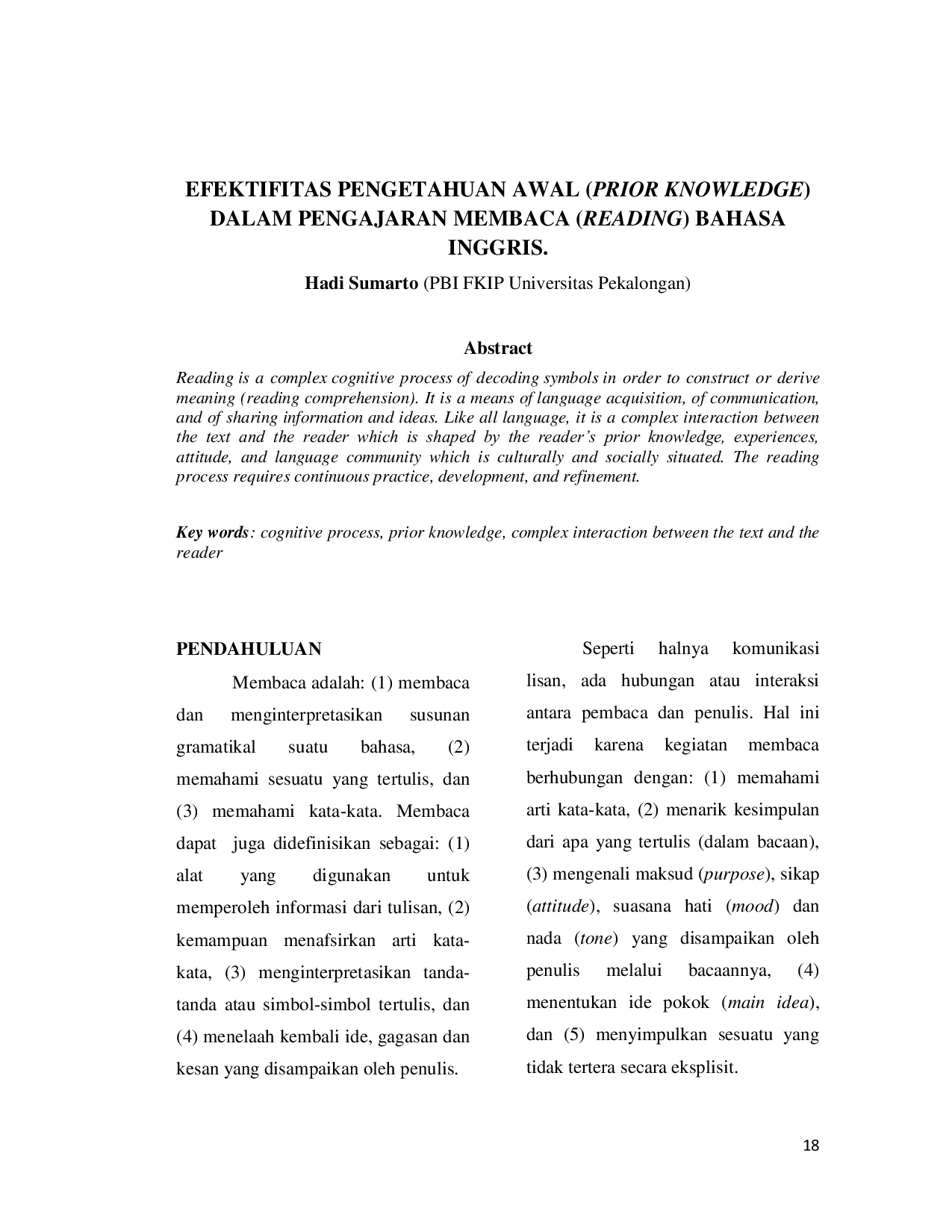
PUSKOMCERIAPUSKOMCERIA Penelitian ini juga menemukan bahwa terdapat kelemahan dalam penelitian, seperti penggunaan sampel dari satu angkatan saja dan tidak diadakannya uji homogenitas.Penelitian ini juga menemukan bahwa terdapat kelemahan dalam penelitian, seperti penggunaan sampel dari satu angkatan saja dan tidak diadakannya uji homogenitas.

POLIMEDIAPOLIMEDIA Pengumpulan data pun dilakukan dengan wawancara, studi dokumentasi, dan studi pustaka. Hasil penelitian ini dapat menjadi dasar dalam pembuatan portofolioPengumpulan data pun dilakukan dengan wawancara, studi dokumentasi, dan studi pustaka. Hasil penelitian ini dapat menjadi dasar dalam pembuatan portofolio
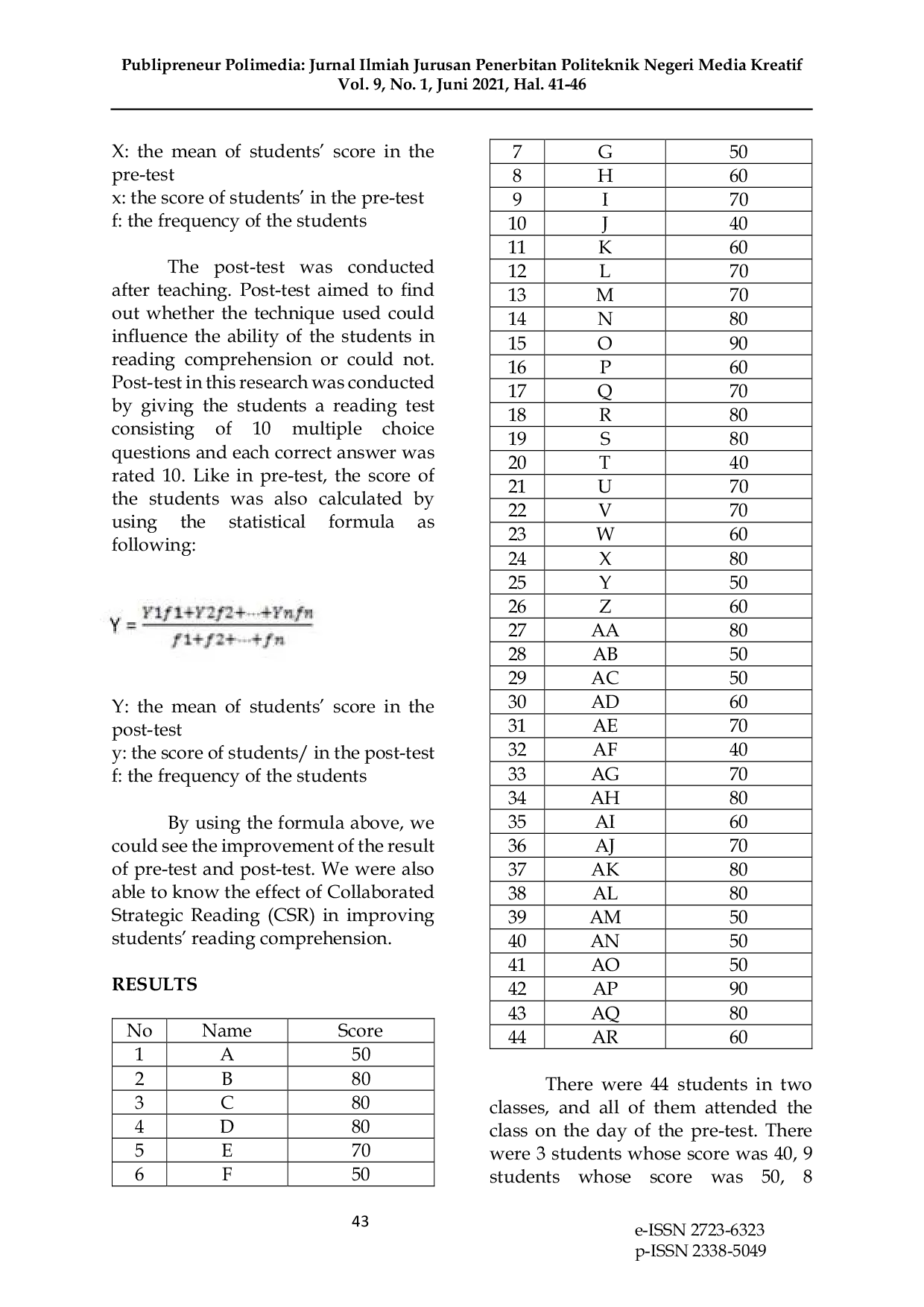
POLIMEDIAPOLIMEDIA Tujuan penelitian ini adalah untuk mengetahui apakah strategi CSR meningkatkan kemampuan membaca siswa dan untuk mengetahui kesulitan yang ditemukan dalamTujuan penelitian ini adalah untuk mengetahui apakah strategi CSR meningkatkan kemampuan membaca siswa dan untuk mengetahui kesulitan yang ditemukan dalam

POLIMEDIAPOLIMEDIA Globalisasi digital pada sektor perekonomian tak terkecuali pada industri percetakan. Selama ratusan tahun media cetak mendominasi bagi penyebaran informasi.Globalisasi digital pada sektor perekonomian tak terkecuali pada industri percetakan. Selama ratusan tahun media cetak mendominasi bagi penyebaran informasi.

POLIMEDIAPOLIMEDIA Agar penerapan sistem informasi pembelajaran memberikan hasil yang baik, dibutuhkan optimalisasi dari fungsi manajemen dalam setiap tahapan pembangunannya.Agar penerapan sistem informasi pembelajaran memberikan hasil yang baik, dibutuhkan optimalisasi dari fungsi manajemen dalam setiap tahapan pembangunannya.

NURISNURIS 6152, p lebih kecil dari 0,05). Nilai absolut yang besar mengindikasikan efek yang sangat kuat. Temuan menyoroti potensi Google Sites dalam mengubah instruksi6152, p lebih kecil dari 0,05). Nilai absolut yang besar mengindikasikan efek yang sangat kuat. Temuan menyoroti potensi Google Sites dalam mengubah instruksi
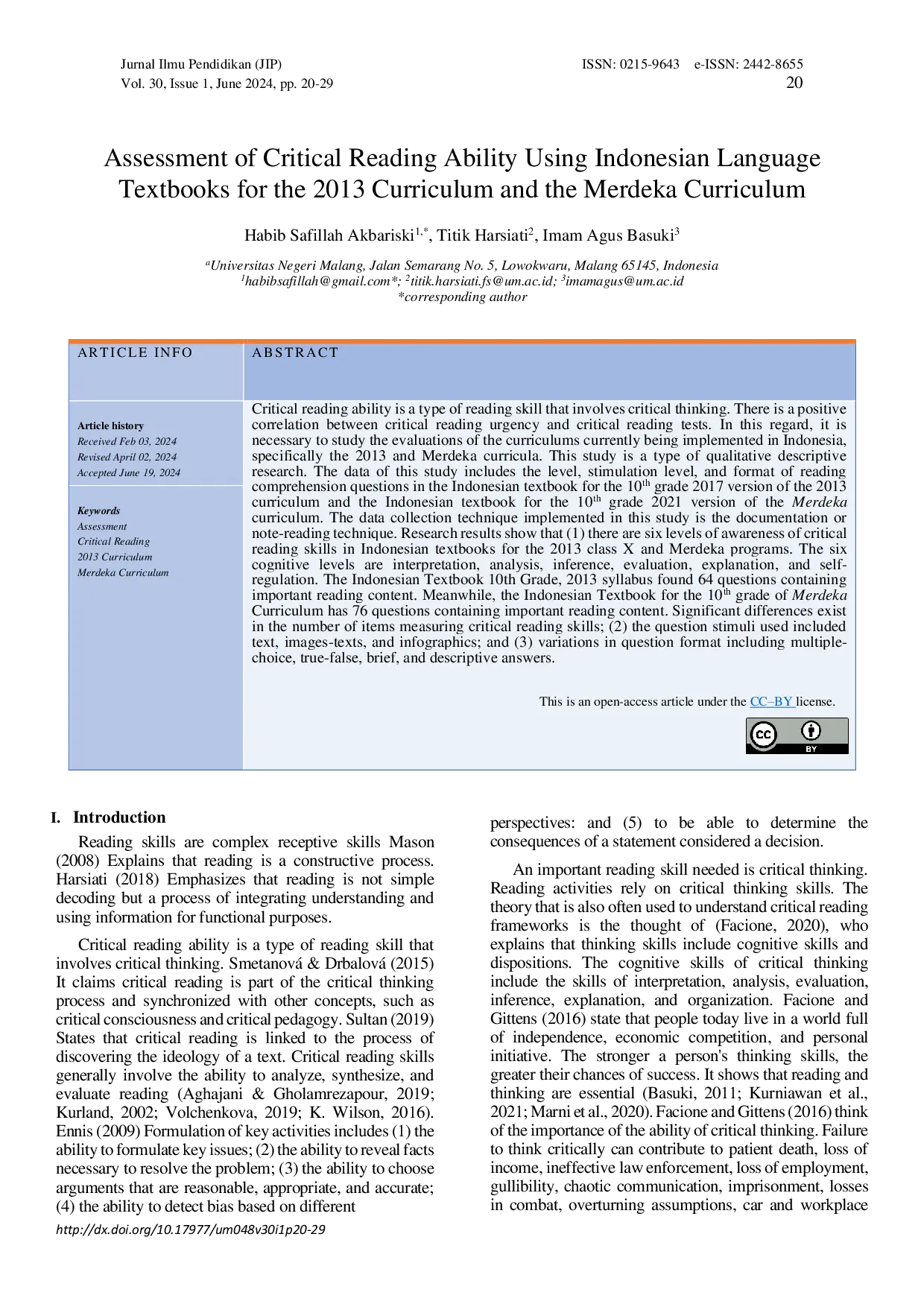
UMUM In this regard, it is necessary to study the evaluations of the curriculums currently being implemented in Indonesia, specifically the 2013 and MerdekaIn this regard, it is necessary to study the evaluations of the curriculums currently being implemented in Indonesia, specifically the 2013 and Merdeka
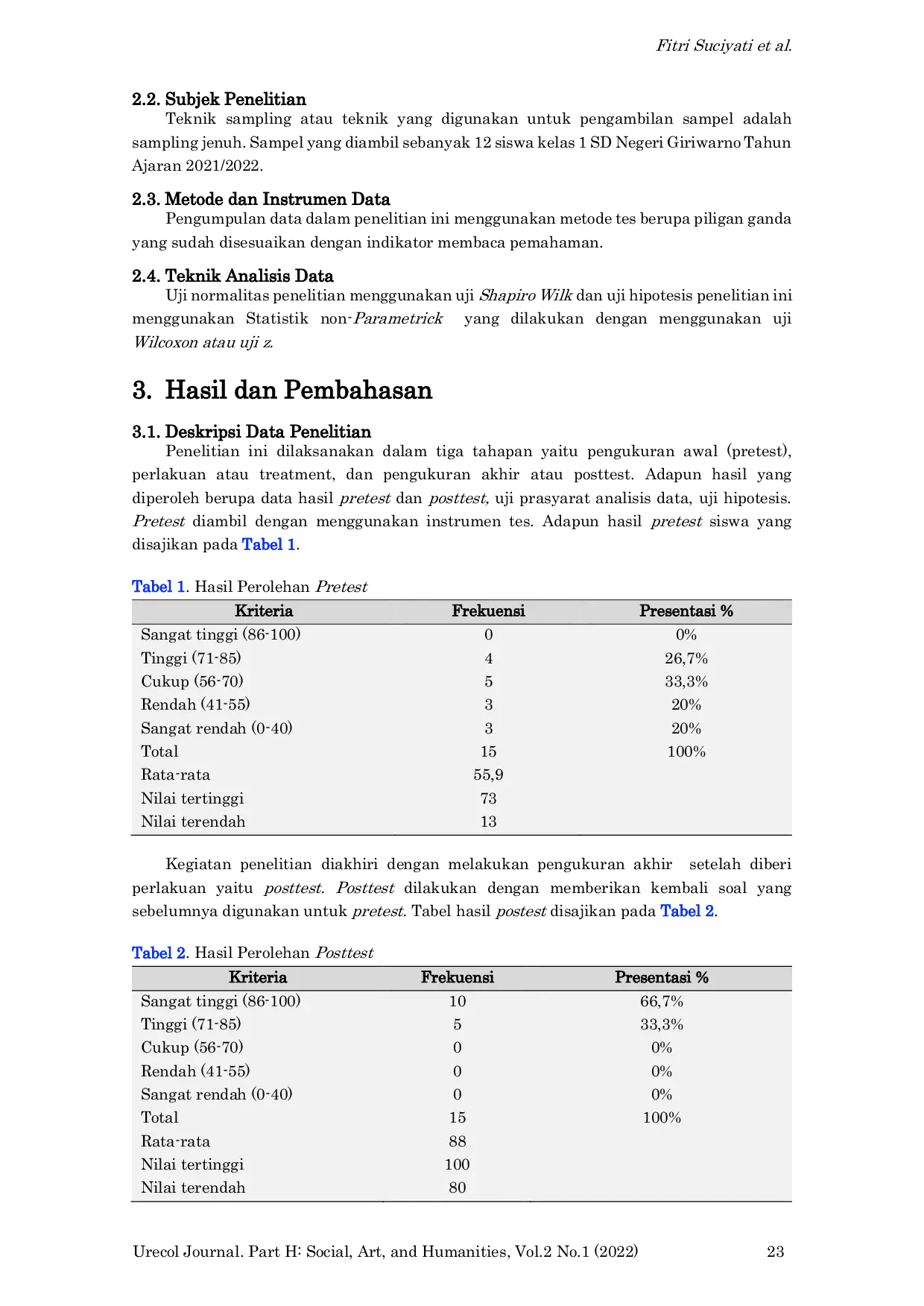
URECOLURECOL This improvement is evidenced by the significant difference in the average scores between the pretest and posttest. Therefore, the use of this model andThis improvement is evidenced by the significant difference in the average scores between the pretest and posttest. Therefore, the use of this model and
Useful /

NURISNURIS Hasil analisis menunjukkan bahwa kesadaran spiritual mendorong komitmen moral yang kuat terhadap kehalalan produk, sementara orientasi pragmatis memfokuskanHasil analisis menunjukkan bahwa kesadaran spiritual mendorong komitmen moral yang kuat terhadap kehalalan produk, sementara orientasi pragmatis memfokuskan

UMGUMG The Mann-Whitney test result is 0. 000, which is below 0. 05, indicating the rejection of the null hypothesis and acceptance of the alternative hypothesis,The Mann-Whitney test result is 0. 000, which is below 0. 05, indicating the rejection of the null hypothesis and acceptance of the alternative hypothesis,

UMGUMG Penelitian ini menekankan pentingnya program untuk meningkatkan resiliensi pada ODHA. Penelitian ini menyimpulkan bahwa terdapat hubungan negatif antaraPenelitian ini menekankan pentingnya program untuk meningkatkan resiliensi pada ODHA. Penelitian ini menyimpulkan bahwa terdapat hubungan negatif antara

NURISNURIS Kajian teori dan hipotesis memiliki manfaat signifikan terhadap terselesainya penelitian, seperti menjadi acuan dan panduan dalam melakukan penelitian.Kajian teori dan hipotesis memiliki manfaat signifikan terhadap terselesainya penelitian, seperti menjadi acuan dan panduan dalam melakukan penelitian.