POLNAMPOLNAM
JURNAL SIMETRIKJURNAL SIMETRIKReservoir parameter optimisation is a critical aspect of enhancing the hydrocarbon recovery factor and requires systematic, integrated approaches. This research develops an integrated framework combining numerical reservoir modelling with multivariate regression analysis to optimise key reservoir parameters. The research methodology employs three-dimensional numerical simulation, implementation of a multi-objective optimisation algorithm, and development of machine learning models for recovery factor prediction. Research data encompasses reservoir petrophysical parameters, including effective porosity ranging from 12.5% to 28.7%, horizontal permeability from 15 mD to 450 mD, and initial oil saturation from 52.3% to 84.6%. Optimisation analysis using three algorithms demonstrates that the Multi-Objective Grey Wolf Optimiser achieves superior performance, with an optimal recovery factor of 46.3% using only eight parameters. The third-order polynomial regression model yields a coefficient of determination of 0.89 in predicting nonlinear relationships between reservoir parameters and recovery factor. An artificial neural network implementation achieves 94.2% training and 89.3% test prediction accuracy, with a mean absolute error of 2.1%. Development scenario simulation indicates the five-spot injection pattern configuration produces the highest recovery factor, 48.2% with a present value of 187.3 million USD. The developed integrated framework demonstrates the ability to handle reservoir heterogeneity, with validation showing deviations of less than 7% relative to field data.
Penelitian ini berhasil mengembangkan framework terintegrasi yang menggabungkan pemodelan numerik reservoir dengan analisis regresi multivariat untuk mengoptimalkan parameter kunci dalam meningkatkan recovery factor hidrokarbon.Algoritma optimasi multiobjektif Grey Wolf Optimizer menunjukkan performa superior dengan recovery factor 46,3%.Simulasi skenario pengembangan mengindikasikan konfigurasi sumur dengan pola injeksi lima titik menghasilkan recovery factor optimal sebesar 48,2%.
Penelitian lanjutan perlu dilakukan untuk mengeksplorasi integrasi model pembelajaran mesin dengan data seismik 4D untuk meningkatkan akurasi karakterisasi heterogenitas reservoir secara real-time. Selain itu, studi lebih lanjut dapat difokuskan pada pengembangan algoritma optimasi yang lebih efisien dan adaptif, yang mampu menangani ketidakpastian parameter reservoir dan perubahan kondisi operasional secara dinamis. Terakhir, penelitian perlu dilakukan untuk menginvestigasi potensi penerapan teknologi enhanced oil recovery (EOR) seperti injeksi CO2 atau polimer, dengan mempertimbangkan aspek ekonomi dan lingkungan untuk memaksimalkan recovery factor secara berkelanjutan.
| File size | 413.62 KB |
| Pages | 8 |
| DMCA | Report |
Related /

POLNAMPOLNAM Pengaruh ini terbukti dari nilai signifikansi variabel yang < 0,05 dan hasil analisis rhitung > rtabel. Secara keseluruhan, penerapan SMK3 pada proyekPengaruh ini terbukti dari nilai signifikansi variabel yang < 0,05 dan hasil analisis rhitung > rtabel. Secara keseluruhan, penerapan SMK3 pada proyek

POLNAMPOLNAM Sebuah proyek konstruksi adalah serangkaian aktivitas yang dilakukan untuk mencapai tujuan pembangunan atau konstruksi dengan batasan tertentu dalam halSebuah proyek konstruksi adalah serangkaian aktivitas yang dilakukan untuk mencapai tujuan pembangunan atau konstruksi dengan batasan tertentu dalam hal
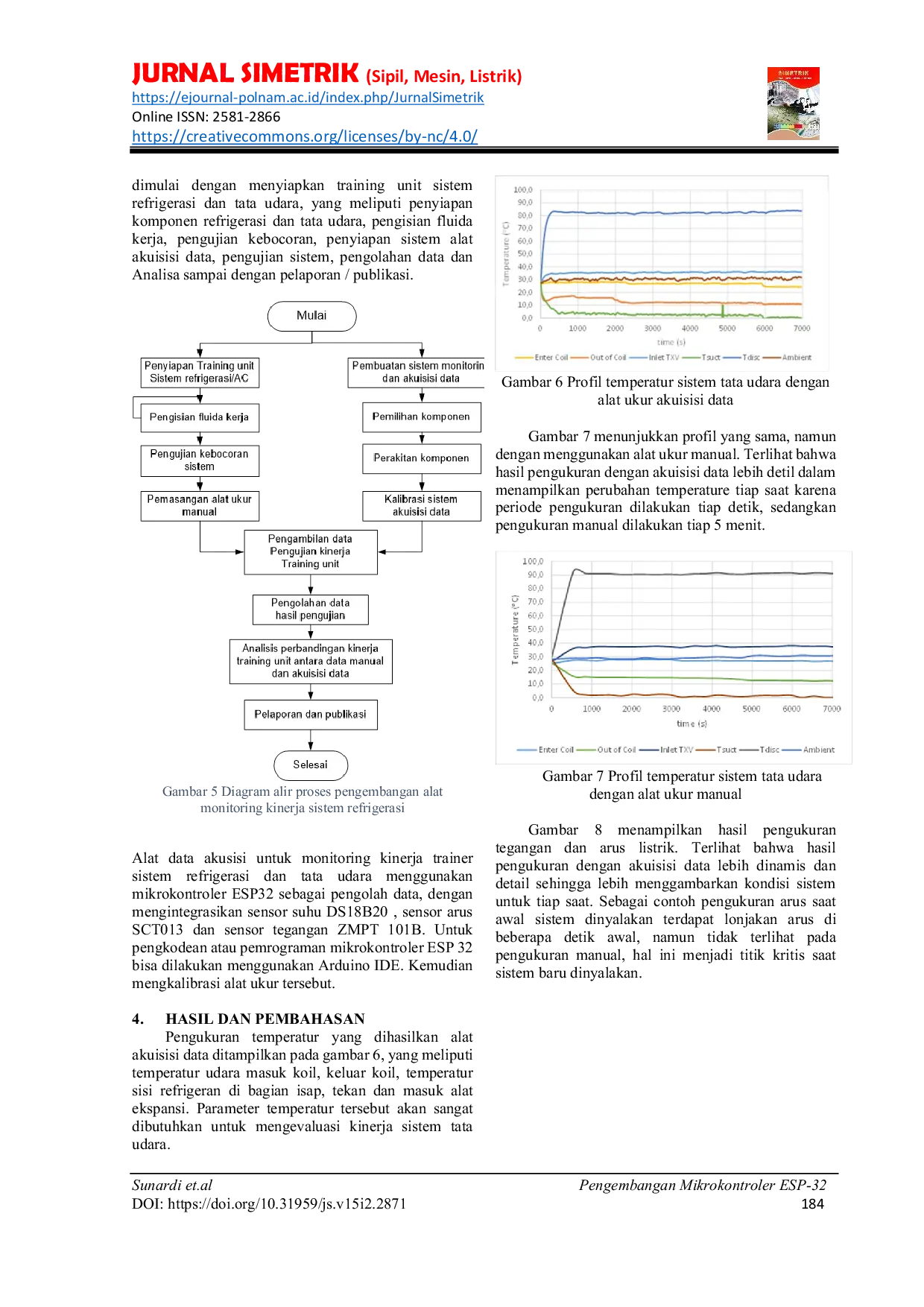
POLNAMPOLNAM Di laboratorium refrigerasi, pengukuran masih dilakukan secara manual. Pengumpulan data manual sangat bergantung pada pengamatan manusia, dengan ketepatanDi laboratorium refrigerasi, pengukuran masih dilakukan secara manual. Pengumpulan data manual sangat bergantung pada pengamatan manusia, dengan ketepatan
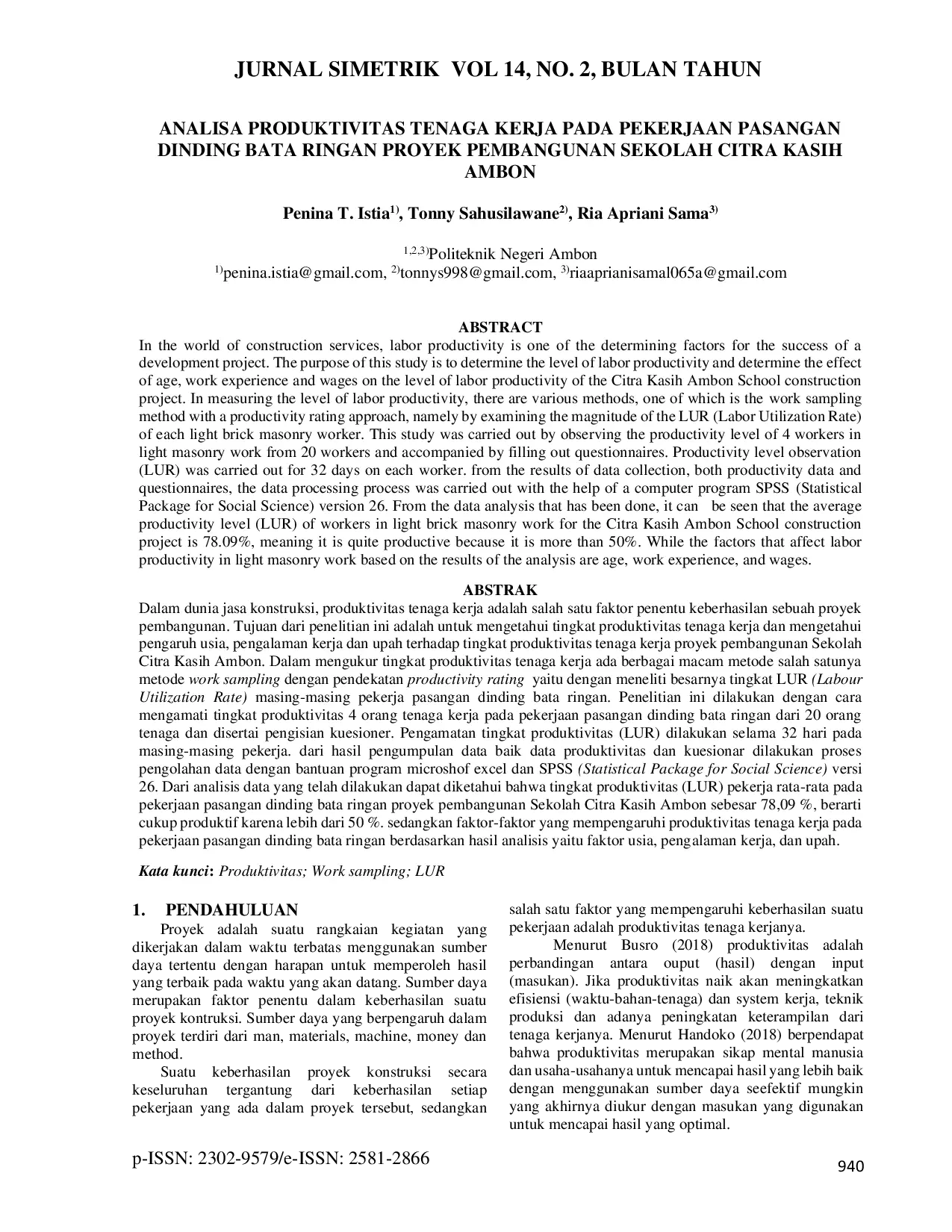
POLNAMPOLNAM Dalam dunia jasa konstruksi, produktivitas tenaga kerja adalah salah satu faktor penentu keberhasilan sebuah proyek pembangunan. Tujuan dari penelitianDalam dunia jasa konstruksi, produktivitas tenaga kerja adalah salah satu faktor penentu keberhasilan sebuah proyek pembangunan. Tujuan dari penelitian

POLNAMPOLNAM BIM menjadi salah satu perkembangan yang menjanjikan dalam sektor konstruksi. Dengan menggunakan teknologi BIM, model virtual bangunan, yang dikenal sebagaiBIM menjadi salah satu perkembangan yang menjanjikan dalam sektor konstruksi. Dengan menggunakan teknologi BIM, model virtual bangunan, yang dikenal sebagai
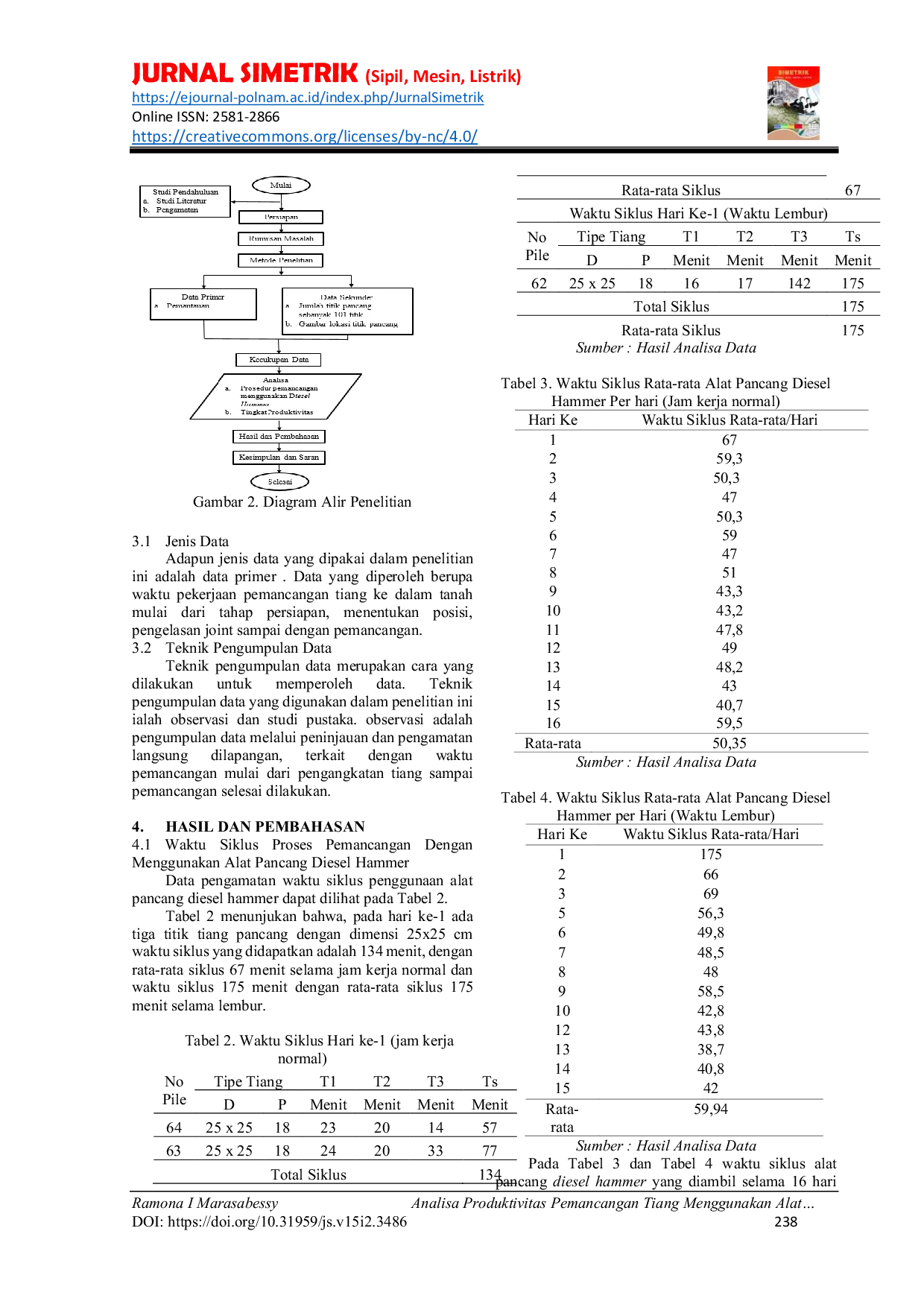
POLNAMPOLNAM Proses pemancangan tiang merupakan tahapan penting dalam konstruksi pondasi, yang berfungsi untuk menjamin stabilitas dan kekuatan struktur bangunan. PemancanganProses pemancangan tiang merupakan tahapan penting dalam konstruksi pondasi, yang berfungsi untuk menjamin stabilitas dan kekuatan struktur bangunan. Pemancangan
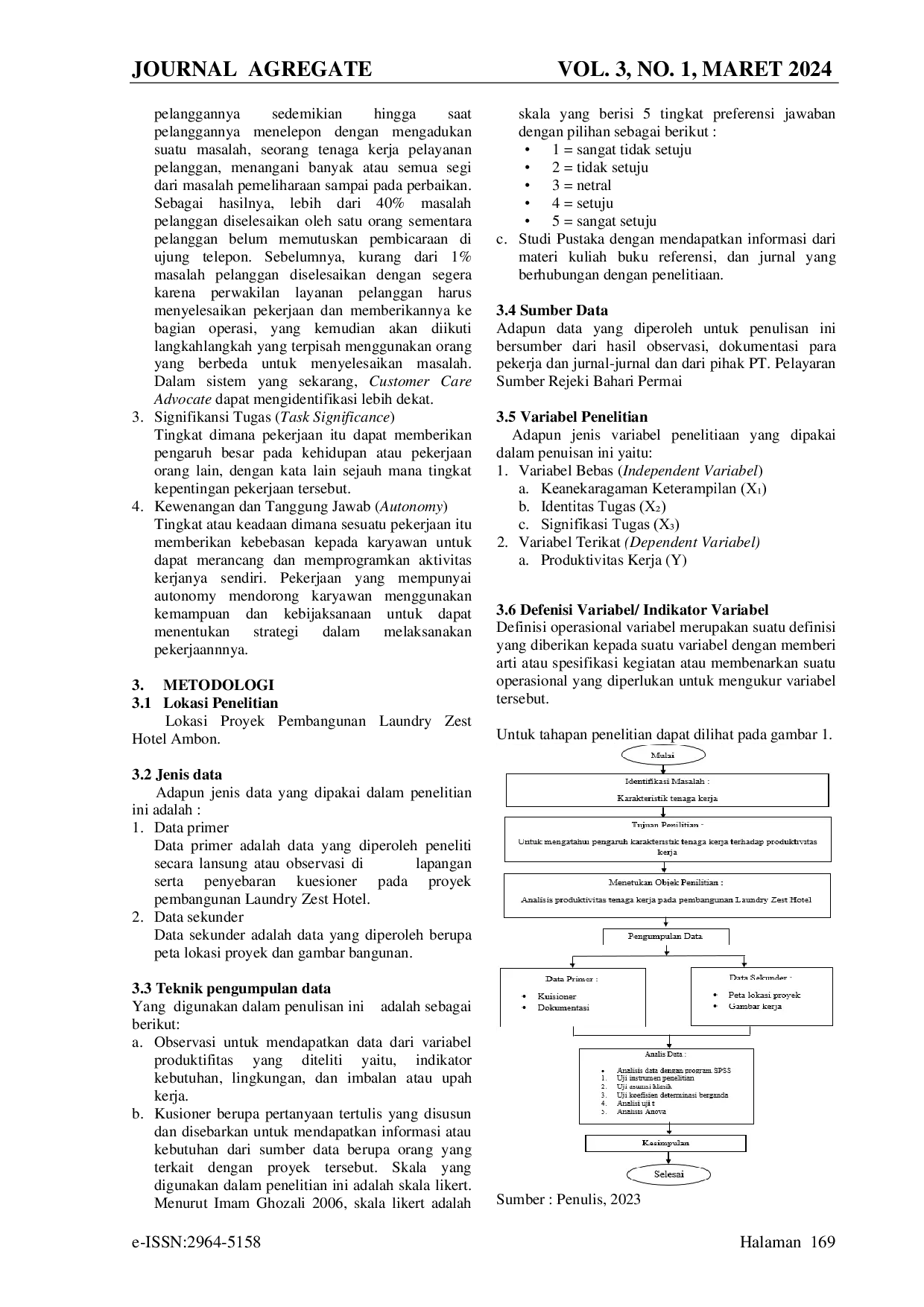
POLNAMPOLNAM Berdasarkan hasil analisis faktor–faktor yang mempengaruhi produktifitas, meliputi keanekaragaman keterampilan/skill variety (x1). indetitas tugas/taskBerdasarkan hasil analisis faktor–faktor yang mempengaruhi produktifitas, meliputi keanekaragaman keterampilan/skill variety (x1). indetitas tugas/task
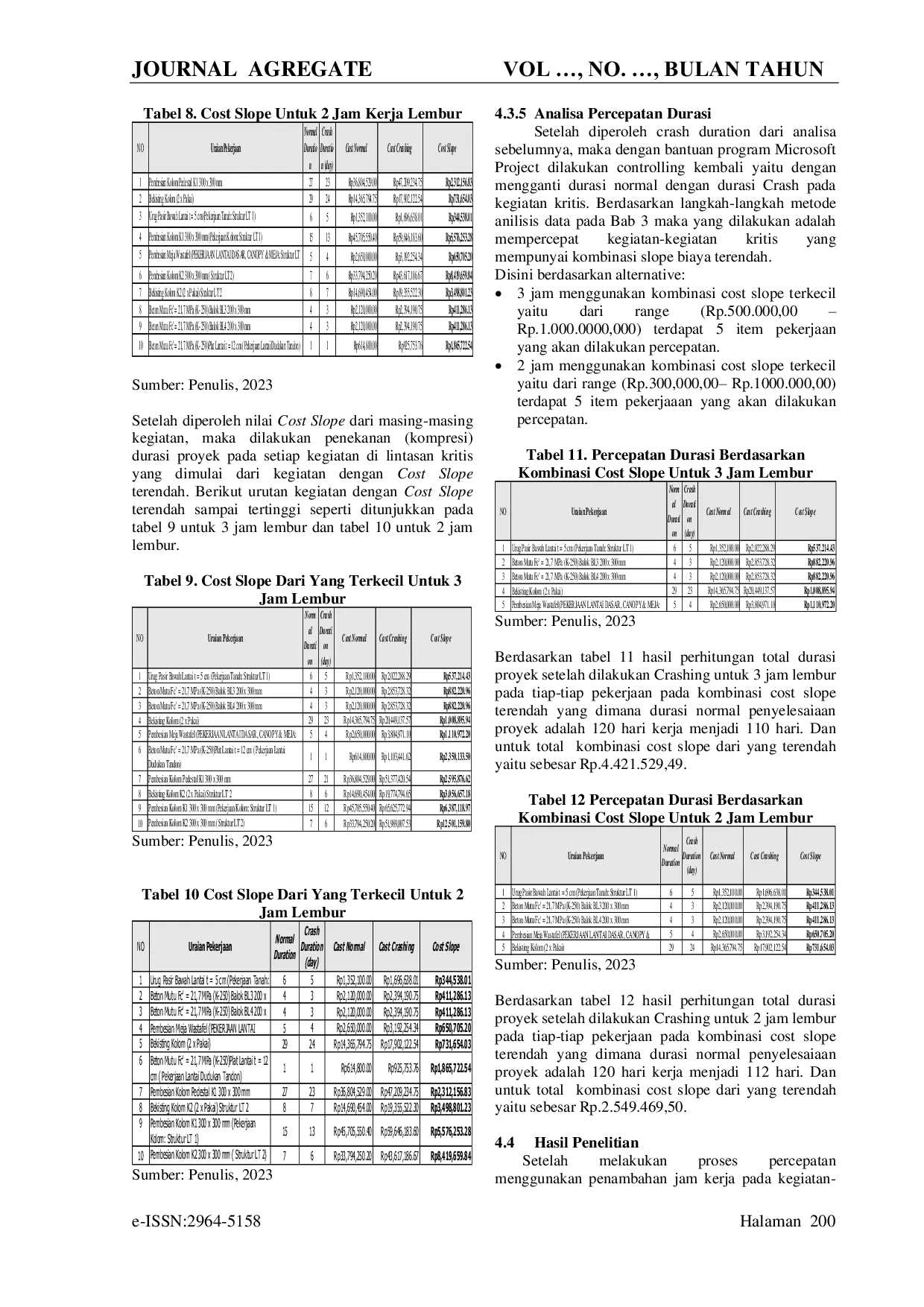
POLNAMPOLNAM Sedangkan durasi optimal dan biaya optimal diketahui pada alternative penambahan 3 jam lembur didapat 110 hari kerja dengan biaya sebesar Rp.2,992,374,365.55.Sedangkan durasi optimal dan biaya optimal diketahui pada alternative penambahan 3 jam lembur didapat 110 hari kerja dengan biaya sebesar Rp.2,992,374,365.55.
Useful /
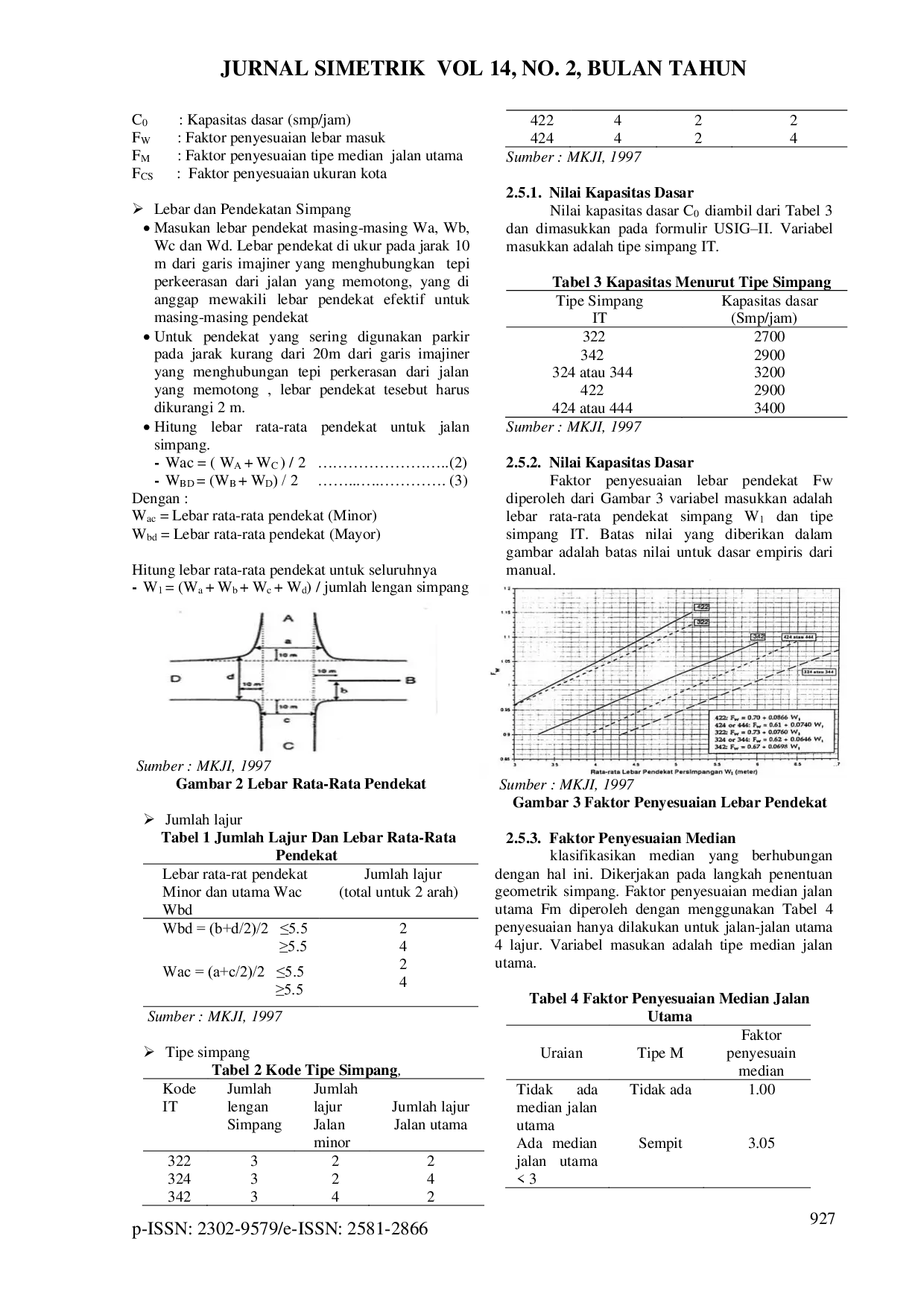
POLNAMPOLNAM Rijali – Jl. Mutiara pada jam puncak 17.00 – 18.00 WIT dengan DS= 2. 14 per arus lalu lintas 5585 smp/jam dan kapasitas sebesar 2613 serta hambatanRijali – Jl. Mutiara pada jam puncak 17.00 – 18.00 WIT dengan DS= 2. 14 per arus lalu lintas 5585 smp/jam dan kapasitas sebesar 2613 serta hambatan
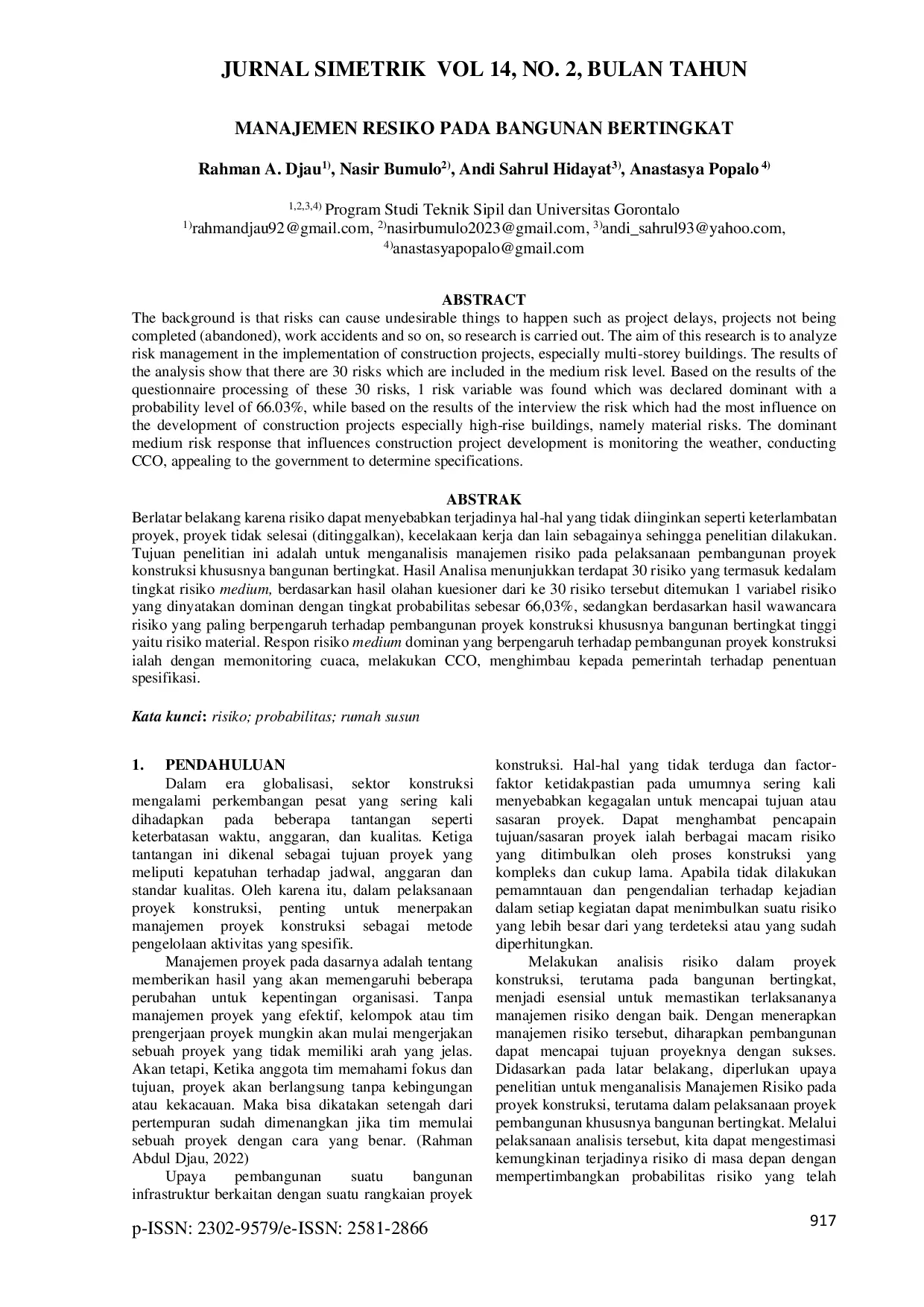
POLNAMPOLNAM Berdasarkan penyelesaian penelitian dan analisis mendalam terhadap data yang terkumpul, dapat di ambil kesimpulan sebagai berikut. pertama, bahwa setelahBerdasarkan penyelesaian penelitian dan analisis mendalam terhadap data yang terkumpul, dapat di ambil kesimpulan sebagai berikut. pertama, bahwa setelah

POLNAMPOLNAM Ruang dengan fungsi yang tepat akan meningkatkan kualitas ruang. Di sisi lain, ada standar yang dapat digunakan untuk mengidentifikasi berapa banyak unitRuang dengan fungsi yang tepat akan meningkatkan kualitas ruang. Di sisi lain, ada standar yang dapat digunakan untuk mengidentifikasi berapa banyak unit

POLNAMPOLNAM Dari syarat tersebut batako abu dengan campuran kapur tidak memenuhi SNI. Dari hasil penelitian dan pembahasan yang telah dilakukan mengenai penambahanDari syarat tersebut batako abu dengan campuran kapur tidak memenuhi SNI. Dari hasil penelitian dan pembahasan yang telah dilakukan mengenai penambahan