STAINUSANTARASTAINUSANTARA
Jurnal Ikhtibar NusantaraJurnal Ikhtibar NusantaraThis study aims to analyze the implementation of demonstration and dialogue methods in teaching prayer based on the hadith of the Prophet Muhammad SAW. Prayer, as a major act of worship, requires a deep understanding of both theory and practice. The demonstration method is important because it emphasizes the skills involved in the movements of prayer, while the dialogue method emphasizes understanding the meaning and appreciation of worship through questions and answers and discussion. This study employs a qualitative literature approach by examining hadiths about teaching prayer, especially the hadith about the Prophets prayer: Shallu kama raaitumuni usalli (pray as you see me pray). The results of the study show that the integration of demonstration and dialogue methods in prayer learning can improve the psychomotor, cognitive, and affective competencies of students in a balanced manner.
Based on the results of hadith studies and pedagogical analysis, it can be concluded that the demonstration and dialogue methods are very effective learning strategies in teaching prayer.The hadith of the Prophet SAW, Shallu kama raaitumuni usalli, provides a normative basis for the use of the demonstration method, in which students learn by directly imitating the movements and recitations of the Prophet.Meanwhile, the hadith about a companion who made a mistake in prayer and was corrected by the Prophet emphasizes the importance of the dialogue method, in which interactive explanations and corrective teaching play a major role in building students understanding.Thus, these two methods complement each other.demonstration emphasizes practical skills, while dialogue strengthens cognitive and affective understanding.The implementation of these methods in teaching prayer in schools, madrasas, and Islamic boarding schools can comprehensively improve the quality of students worship.Demonstration enables the formation of correct movements, while dialogue fosters awareness of the meaning and wisdom of prayer.The integration of the two results in learning that not only trains technical aspects but also instills spiritual and moral values.By emulating the method of the Prophet Muhammad SAW, Islamic education can produce a generation that is not only able to perform prayer according to the Sunnah, but also to appreciate prayer as a pillar of religion and a guideline for life in shaping a Muslim personality with noble character.
To further enhance the effectiveness of prayer learning, future research could explore the potential of integrating technology into the demonstration and dialogue methods. For instance, developing interactive digital platforms or applications that provide visual demonstrations of prayer movements, accompanied by audio explanations and interactive features for students to ask questions and receive feedback. This approach could make learning more engaging and accessible, especially for younger generations who are familiar with digital tools. Additionally, researchers could investigate the impact of these methods on students long-term retention of prayer practices and their ability to apply the spiritual values learned in their daily lives. By combining traditional teaching methods with modern technology, Islamic education can strive to create a more comprehensive and effective learning experience for students, ensuring they not only understand the technical aspects of prayer but also internalize its spiritual significance.
| File size | 401.29 KB |
| Pages | 15 |
| DMCA | Report |
Related /

SAINTISPUBSAINTISPUB The study concludes that integrating these three approaches within Deep Learning provides a holistic framework for enhancing educational quality. FutureThe study concludes that integrating these three approaches within Deep Learning provides a holistic framework for enhancing educational quality. Future

SAINTISPUBSAINTISPUB The research method used is a quantitative method with a descriptive approach. Data was collected through observations, interviews, and questionnairesThe research method used is a quantitative method with a descriptive approach. Data was collected through observations, interviews, and questionnaires

LAKASPIALAKASPIA Selain itu, ditemukan korelasi positif antara karakter religius siswa dan penguasaan materi PAI. Kesimpulan penelitian menegaskan bahwa keberhasilan pendidikanSelain itu, ditemukan korelasi positif antara karakter religius siswa dan penguasaan materi PAI. Kesimpulan penelitian menegaskan bahwa keberhasilan pendidikan

UINMYBATUSANGKARUINMYBATUSANGKAR Penerapan model Neuroeducation-Based Tahfizh Learning Model (MP-TBN) yang mencakup stimulasi kognitif, emosional, sensorik, dan spiritual terbukti signifikanPenerapan model Neuroeducation-Based Tahfizh Learning Model (MP-TBN) yang mencakup stimulasi kognitif, emosional, sensorik, dan spiritual terbukti signifikan

STAINUSANTARASTAINUSANTARA Discovery Learning also has advantages, including improving problem-solving skills, training independence, and encouraging active learning. However, thisDiscovery Learning also has advantages, including improving problem-solving skills, training independence, and encouraging active learning. However, this

KEMENDAGRIKEMENDAGRI The success of green canteen initiatives depends on the active involvement of various stakeholders, including teachers, students, and parents, as wellThe success of green canteen initiatives depends on the active involvement of various stakeholders, including teachers, students, and parents, as well

PUBLIKASIINDONESIAPUBLIKASIINDONESIA Namun, banyak siswa mengalami kesulitan dalam mempertahankan dan menerapkan kosakata baru secara efektif. Penelitian ini menggunakan desain kuasi‑eksperimentalNamun, banyak siswa mengalami kesulitan dalam mempertahankan dan menerapkan kosakata baru secara efektif. Penelitian ini menggunakan desain kuasi‑eksperimental
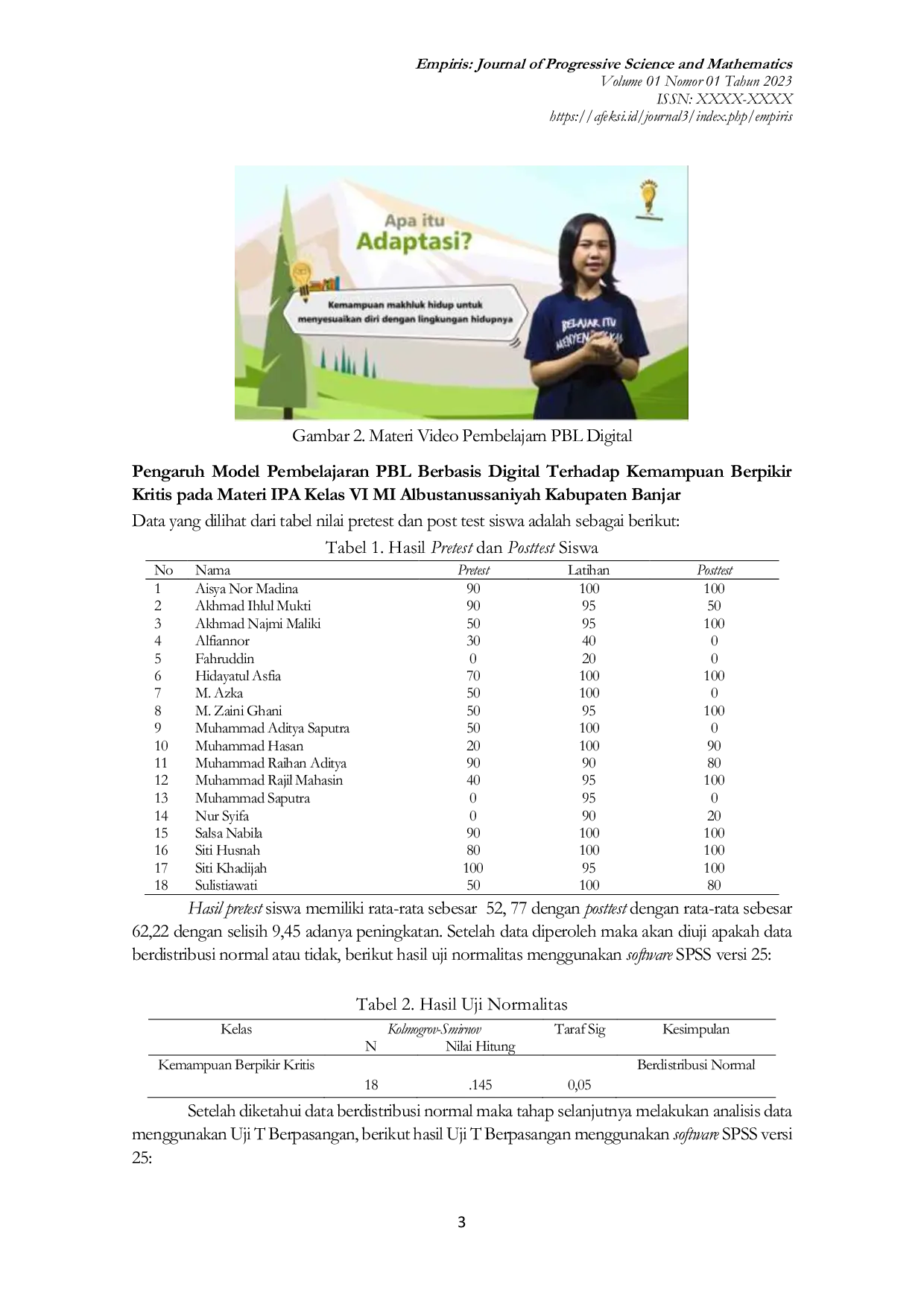
AFEKSIAFEKSI Penelitian ini menggunakan pendekatan kuantitatif dengan desain Pre Experiment Design, menerapkan model pembelajaran PBL berbasis digital menggunakan videoPenelitian ini menggunakan pendekatan kuantitatif dengan desain Pre Experiment Design, menerapkan model pembelajaran PBL berbasis digital menggunakan video
Useful /

SAINTISPUBSAINTISPUB The subjects of this research were grade V students with a total of 6 students. The data collection techniques used were interviews, direct observation,The subjects of this research were grade V students with a total of 6 students. The data collection techniques used were interviews, direct observation,
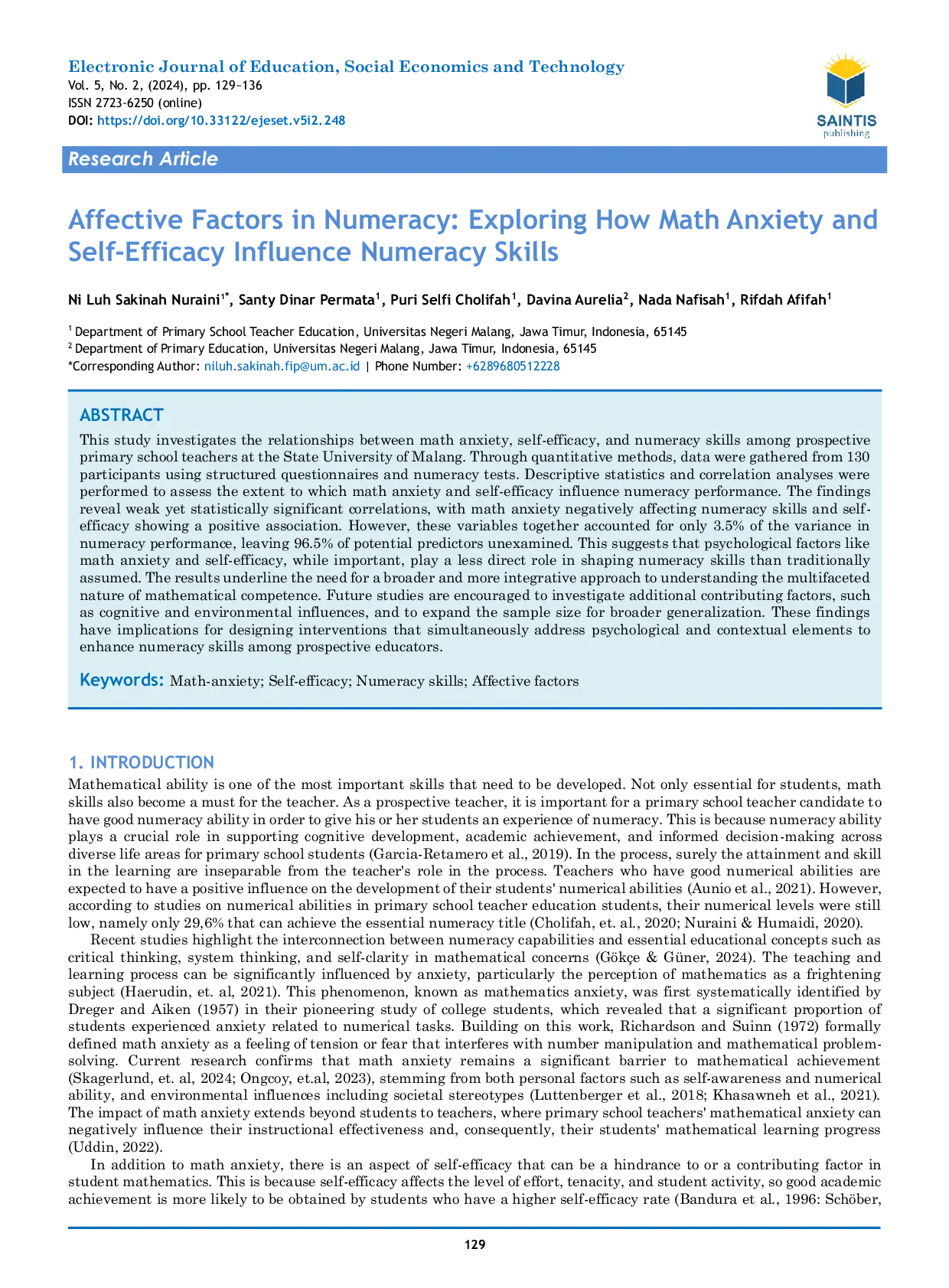
SAINTISPUBSAINTISPUB Temuan ini memiliki implikasi dalam merancang intervensi yang secara bersamaan menargetkan elemen psikologis dan kontekstual untuk meningkatkan kemampuanTemuan ini memiliki implikasi dalam merancang intervensi yang secara bersamaan menargetkan elemen psikologis dan kontekstual untuk meningkatkan kemampuan

KEMENDAGRIKEMENDAGRI Secara konseptual, SPBE sebenarnya dimaksudkan sebagai instrumen untuk mentransformasi tata kelola pemerintahan menuju pemerintah digital yang terpadu,Secara konseptual, SPBE sebenarnya dimaksudkan sebagai instrumen untuk mentransformasi tata kelola pemerintahan menuju pemerintah digital yang terpadu,
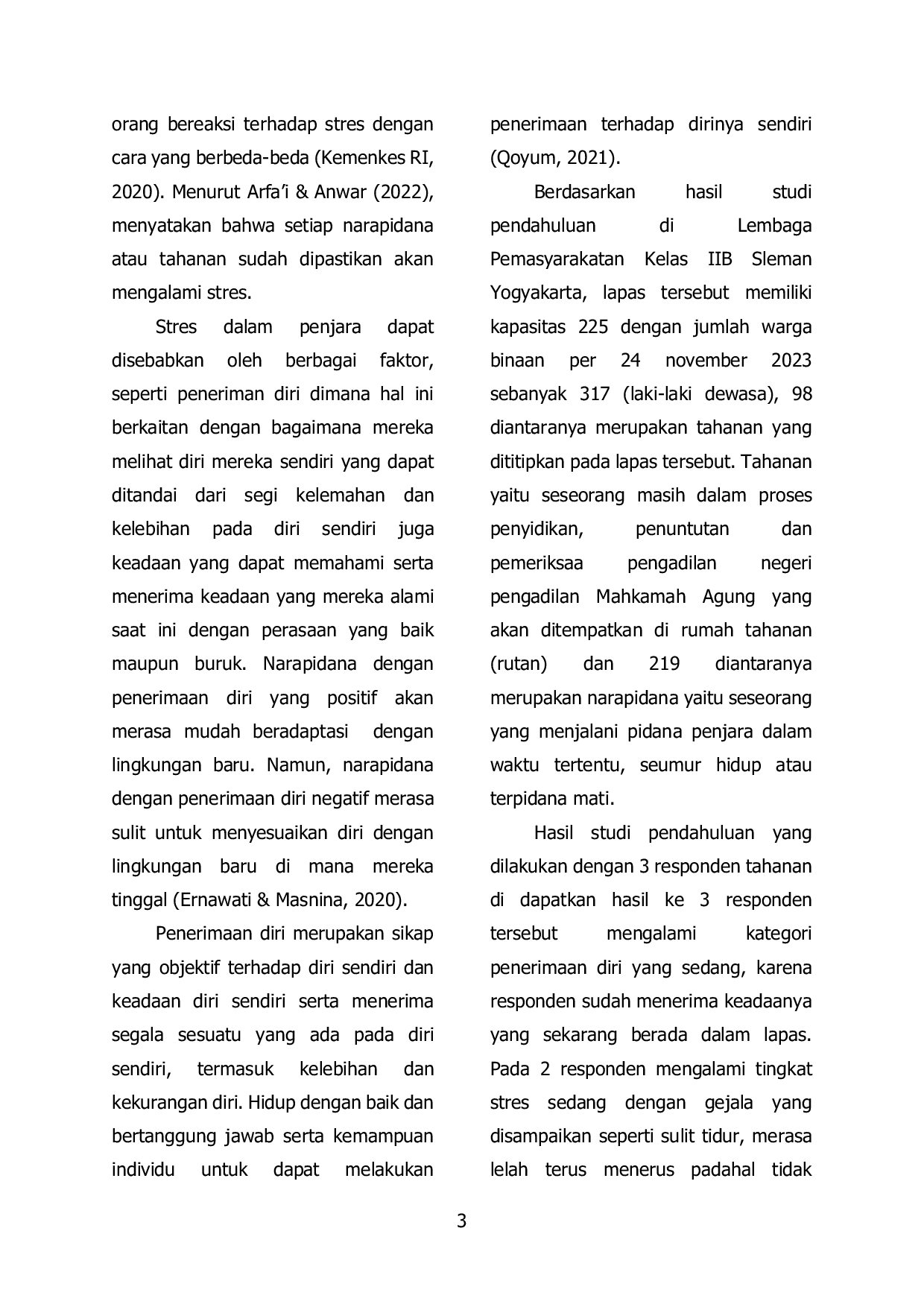
STIKES BETHESDASTIKES BETHESDA Tujuan: Untuk mengetahui hubungan antara penerimaan diri dengan tingkat stres pada narapidana di Lembaga Pemasyarakatan Kelas IIB Sleman Yogyakarta. Metode:Tujuan: Untuk mengetahui hubungan antara penerimaan diri dengan tingkat stres pada narapidana di Lembaga Pemasyarakatan Kelas IIB Sleman Yogyakarta. Metode: