LEMHANNASLEMHANNAS
Jurnal Lemhannas RIJurnal Lemhannas RIThis study investigates the relationship between Corporate Social Responsibility (CSR) and economic resilience in coastal communities in Indonesia, highlighting the mediating role of financial transparency. It aims to clarify how CSRs economic, social, and environmental dimensions contribute to resilience in areas marked by ecological fragility and socio-economic vulnerability. A quantitative research design was applied using a causal model. Data were collected through structured questionnaires distributed to 100 respondents in Segarajaya Village, Bekasi Regency. Multiple linear regression was employed to assess the direct and mediating effects of CSR and financial transparency on community resilience. The findings indicate that social CSR significantly enhances both economic resilience and financial transparency. Environmental CSR improves transparency but does not directly influence resilience, while economic CSR shows no significant effect. Financial transparency independently supports resilience but does not mediate the CSR–resilience relationship. This study advances CSR literature by integrating financial accountability into CSR effectiveness analysis. It provides practical insights for designing community-responsive CSR strategies that align with national development objectives, regulatory frameworks, and the broader agenda of non-military national resilience. The findings underscore the strategic value of financial governance in fostering inclusive development within coastal areas.
The study concludes that Social CSR significantly strengthens the economic resilience of coastal communities through empowerment and inclusive participation.Economic CSR and Environmental CSR, however, do not demonstrate a significant impact on resilience due to implementation challenges and a lack of alignment with local contexts.Financial Transparency Management directly enhances economic resilience but does not effectively mediate the relationship between CSR dimensions and resilience, highlighting the need for capacity building.Therefore, CSR strategies must prioritize participatory designs and integrate accountability mechanisms to achieve sustainable and impactful outcomes in vulnerable coastal regions.
Future research should explore the long-term impacts of CSR interventions on coastal community resilience, incorporating qualitative methods to understand local perceptions and experiences. Further investigation is needed to determine how to effectively integrate financial literacy training and capacity-building programs into CSR initiatives to strengthen financial transparency and accountability. Additionally, studies should examine the role of government policies and regulatory frameworks in promoting responsible CSR practices and fostering collaboration between corporations, local communities, and government agencies to enhance the sustainability of coastal ecosystems and livelihoods. These research directions will contribute to a more nuanced understanding of CSRs potential to drive inclusive and sustainable development in Indonesias vulnerable coastal regions, ultimately bolstering national resilience and promoting equitable economic growth.
- Islamic Values in Coastal SME Education: A Model for Sustainable Development | TARBIYA: Journal of Education... journal.uinjkt.ac.id/index.php/tarbiya/article/view/43868Islamic Values in Coastal SME Education A Model for Sustainable Development TARBIYA Journal of Education journal uinjkt ac index php tarbiya article view 43868
- Mediating Role of Financial Transparency in Strengthening Economic Resilience | Jurnal Lemhannas RI.... doi.org/10.55960/jlri.v13i1.1071Mediating Role of Financial Transparency in Strengthening Economic Resilience Jurnal Lemhannas RI doi 10 55960 jlri v13i1 1071
| File size | 385.07 KB |
| Pages | 20 |
| DMCA | Report |
Related /
UMSUMS Evaluation methods consisted of pre-tests, post-tests, direct observation, and participant feedback. Results: Significant improvements were observed acrossEvaluation methods consisted of pre-tests, post-tests, direct observation, and participant feedback. Results: Significant improvements were observed across

PROSPECTPUBLISHINGPROSPECTPUBLISHING Sebagai pemangku kepentingan di masyarakat, perusahaan dapat melakukan implementasi Tanggung Jawab Sosial dan Lingkungan (TJSL) di masyarakat yang bersinggunganSebagai pemangku kepentingan di masyarakat, perusahaan dapat melakukan implementasi Tanggung Jawab Sosial dan Lingkungan (TJSL) di masyarakat yang bersinggungan

PROSPECTPUBLISHINGPROSPECTPUBLISHING Inisiatif CSR yang dilakukan oleh perusahaan tidak hanya memperbaiki praktik pengelolaan sampah, tetapi juga meningkatkan kapasitas, partisipasi, dan kemandirianInisiatif CSR yang dilakukan oleh perusahaan tidak hanya memperbaiki praktik pengelolaan sampah, tetapi juga meningkatkan kapasitas, partisipasi, dan kemandirian

PROSPECTPUBLISHINGPROSPECTPUBLISHING Program ini tidak hanya melestarikan nilai budaya, tetapi juga membuka peluang ekonomi baru, terutama bagi kelompok rentan seperti ibu rumah tangga, penyandangProgram ini tidak hanya melestarikan nilai budaya, tetapi juga membuka peluang ekonomi baru, terutama bagi kelompok rentan seperti ibu rumah tangga, penyandang
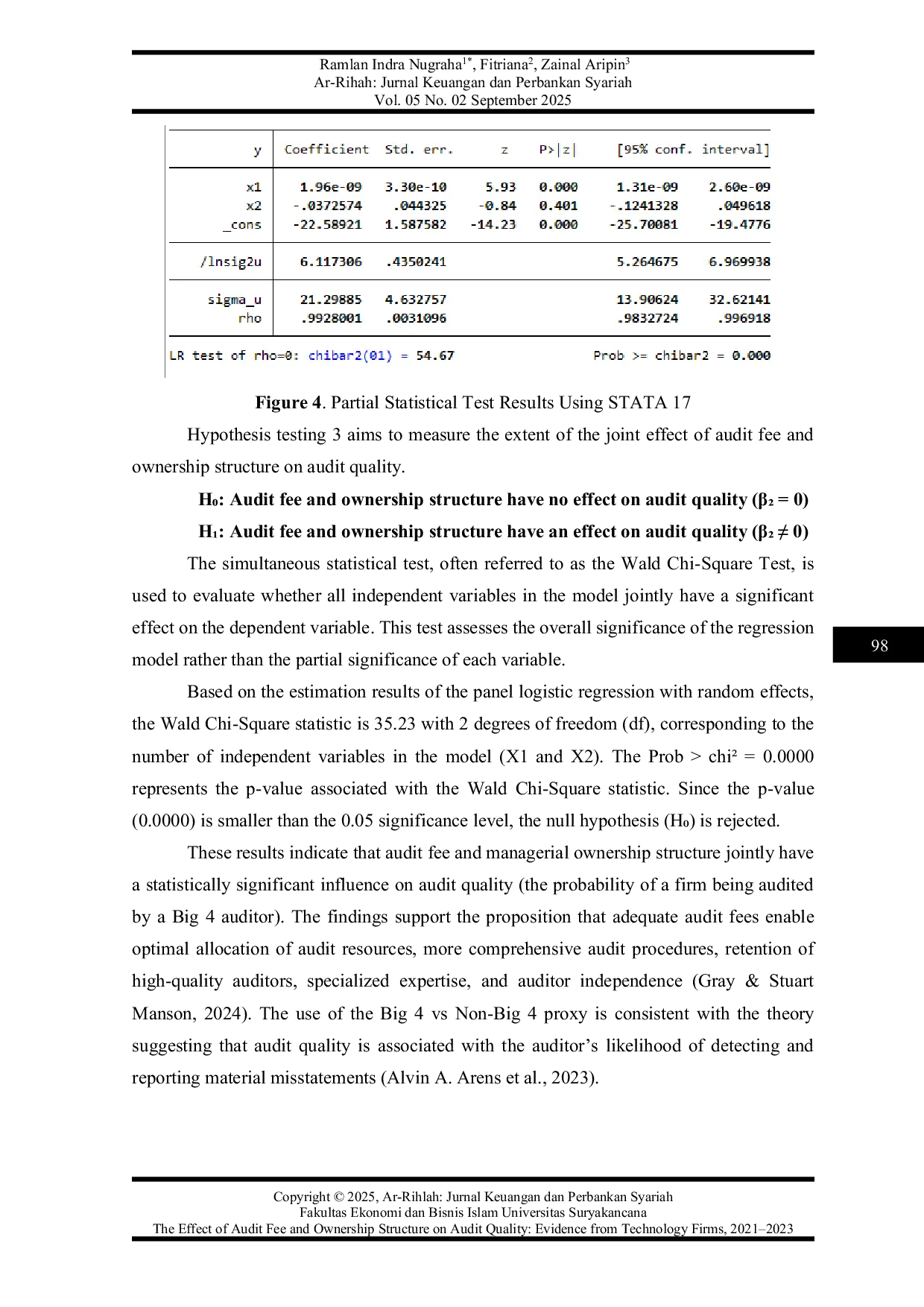
UNSURUNSUR Hasil penelitian menunjukkan bahwa biaya audit berpengaruh terhadap kualitas audit, sedangkan struktur kepemilikan tidak menunjukkan pengaruh yang signifikan.Hasil penelitian menunjukkan bahwa biaya audit berpengaruh terhadap kualitas audit, sedangkan struktur kepemilikan tidak menunjukkan pengaruh yang signifikan.

UNSURUNSUR Data dikumpulkan melalui kuesioner yang disebar kepada 90 mahasiswa STAI Al-Ittihad Cianjur dan dianalisis menggunakan regresi linier sederhana melaluiData dikumpulkan melalui kuesioner yang disebar kepada 90 mahasiswa STAI Al-Ittihad Cianjur dan dianalisis menggunakan regresi linier sederhana melalui
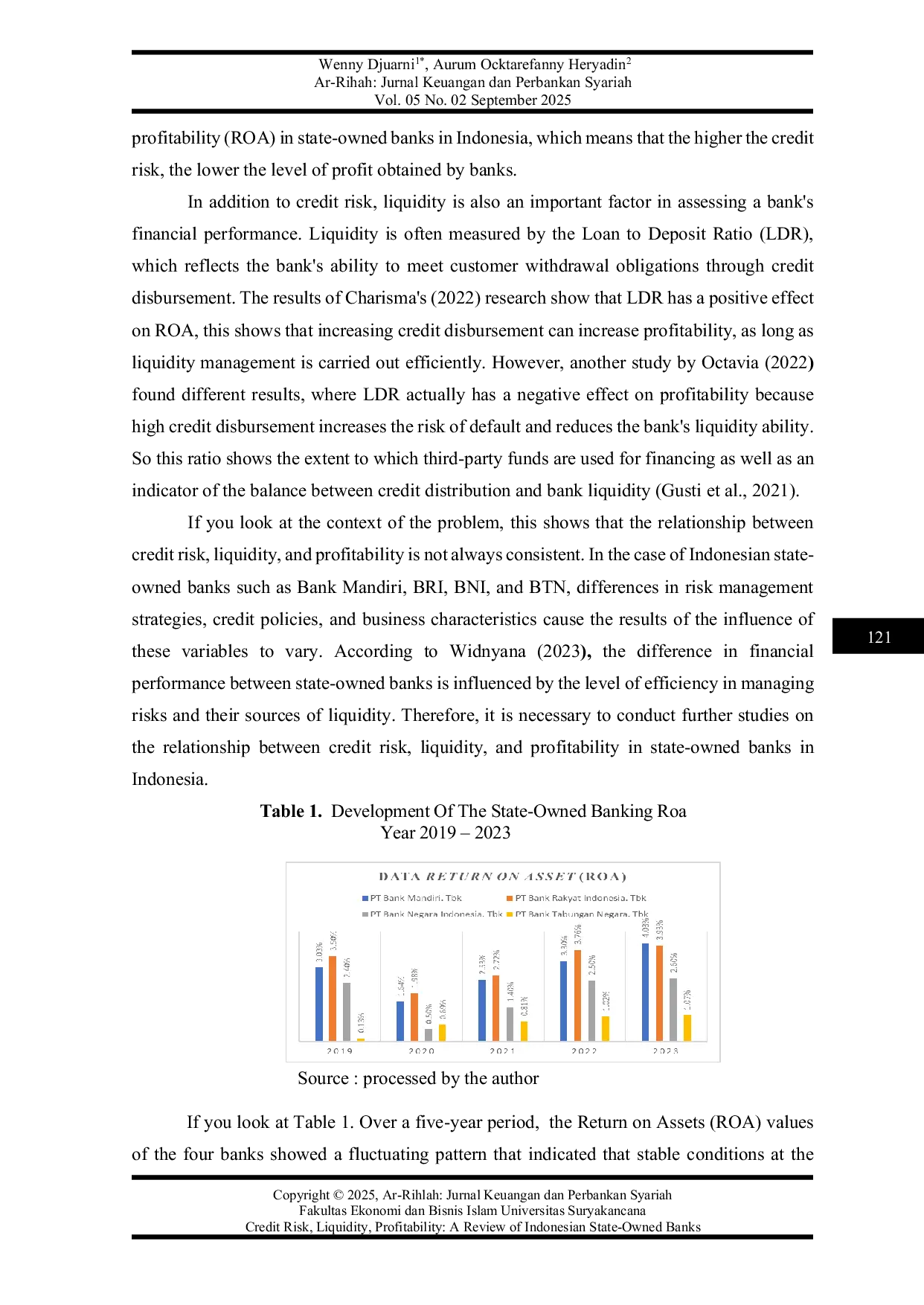
UNSURUNSUR Kondisi ini menunjukkan bahwa semakin besar LDR, semakin efisien distribusi dana pihak ketiga ke kredit produktif, sehingga meningkatkan pendapatan bungaKondisi ini menunjukkan bahwa semakin besar LDR, semakin efisien distribusi dana pihak ketiga ke kredit produktif, sehingga meningkatkan pendapatan bunga

UNSURUNSUR Berdasarkan analisis data menggunakan SPSS versi 25, penelitian ini menemukan bahwa secara simultan, variabel Sukuk dan ZIS Distribution memiliki pengaruhBerdasarkan analisis data menggunakan SPSS versi 25, penelitian ini menemukan bahwa secara simultan, variabel Sukuk dan ZIS Distribution memiliki pengaruh
Useful /
UMSUMS English-language content facilitated access to broader national and international markets, supporting strategic partnerships and export opportunities.English-language content facilitated access to broader national and international markets, supporting strategic partnerships and export opportunities.

PROSPECTPUBLISHINGPROSPECTPUBLISHING Inisiatif ini mendemonstrasikan solusi yang dapat direplikasi untuk mengubah masalah lingkungan menjadi aset ekonomi, sekaligus mendorong kemandirian masyarakatInisiatif ini mendemonstrasikan solusi yang dapat direplikasi untuk mengubah masalah lingkungan menjadi aset ekonomi, sekaligus mendorong kemandirian masyarakat

UNSURUNSUR Penelitian ini menyimpulkan bahwa prinsip-prinsip syariah memiliki peran penting dalam menentukan kesesuaian uang digital sebagai alat pembayaran yangPenelitian ini menyimpulkan bahwa prinsip-prinsip syariah memiliki peran penting dalam menentukan kesesuaian uang digital sebagai alat pembayaran yang
UNSURUNSUR Variabel produktivitas terhadap kepuasan nasabah dinilai tidak terlalu berpengaruh. Karakteristik responden nasabah Bank BJB KCP Ciranjang didominasi olehVariabel produktivitas terhadap kepuasan nasabah dinilai tidak terlalu berpengaruh. Karakteristik responden nasabah Bank BJB KCP Ciranjang didominasi oleh