JQWHJQWH
Journal for Quality in Women's HealthJournal for Quality in Women's HealthMenstrual cycle irregularity is a common reproductive health issue among adolescents. Various factors, including psychological stress, nutritional status, and sleep quality, have been reported to influence the regularity of the menstrual cycle. This study aimed to analyze the relationship between stress levels, nutritional status, and sleep quality with menstrual cycle regularity in adolescents. The results showed that 40% of respondents experienced irregular menstrual cycles. Stress was significantly associated with menstrual irregularity (p=0.002), with adolescents with high stress being 3.1 times more likely to have irregular cycles. Poor nutrition was also correlated (p=0.015), with undernourished adolescents being 2.4 times more likely to experience irregular cycles. Poor sleep quality had a significant relationship as well (p=0.008), with poor sleepers being 2.9 times more likely to have irregular cycles. This study concludes that stress, nutritional status, and sleep quality are significantly associated with menstrual cycle regularity in adolescents, with stress being the most dominant factor. Adolescents with high stress, malnutrition, and poor sleep are at higher risk of menstrual cycle irregularity. It is recommended that adolescents maintain reproductive health through stress management, a balanced diet, and good sleep patterns. Health workers and schools need to provide education and support to help adolescents maintain menstrual cycle regularity.
The study concludes that stress, nutritional status, and sleep quality are significantly associated with menstrual cycle regularity in adolescents, with stress being the most dominant factor.Adolescents with high stress, malnutrition, and poor sleep are at higher risk of menstrual cycle irregularity.Therefore, interventions addressing lifestyle and psychosocial factors are crucial for adolescent reproductive health promotion.
Penelitian lebih lanjut perlu dilakukan untuk memahami secara mendalam hubungan kausal antara stres, nutrisi, kualitas tidur, dan regulasi siklus menstruasi pada remaja. Studi longitudinal dengan ukuran sampel yang lebih besar dan representatif sangat diperlukan untuk mengkonfirmasi temuan ini dan mengidentifikasi faktor-faktor risiko spesifik yang berkontribusi terhadap ketidakteraturan siklus menstruasi. Selain itu, penelitian dapat difokuskan pada pengembangan dan evaluasi intervensi berbasis sekolah yang komprehensif, yang menggabungkan pendidikan kesehatan reproduksi, manajemen stres, konseling nutrisi, dan peningkatan kualitas tidur. Intervensi ini harus disesuaikan dengan kebutuhan dan konteks budaya remaja Indonesia, serta melibatkan partisipasi aktif dari remaja, orang tua, guru, dan tenaga kesehatan untuk memastikan keberhasilan jangka panjang.
| File size | 249.67 KB |
| Pages | 6 |
| DMCA | Report |
Related /

UNNESUNNES Berdasarkan hasil penelitian dan pembahasan pada bab sebelumnya dapat diambil simpulan bahwa terdapat hubungan negatif antara job insecurity dengan kesejahteraanBerdasarkan hasil penelitian dan pembahasan pada bab sebelumnya dapat diambil simpulan bahwa terdapat hubungan negatif antara job insecurity dengan kesejahteraan
UMSUMS Mahasiswa juga menggambarkan tanda-tanda stres di empat domain: fisik, kognitif, emosional, dan perilaku. Temuan ini menunjukkan bahwa persepsi mahasiswaMahasiswa juga menggambarkan tanda-tanda stres di empat domain: fisik, kognitif, emosional, dan perilaku. Temuan ini menunjukkan bahwa persepsi mahasiswa

UNESAUNESA Metode yang digunakan melibatkan sesi interaktif, termasuk latihan fisik dan lokakarya edukasi yang disesuaikan dengan kelompok usia siswa. Hasilnya, paraMetode yang digunakan melibatkan sesi interaktif, termasuk latihan fisik dan lokakarya edukasi yang disesuaikan dengan kelompok usia siswa. Hasilnya, para
UNESAUNESA Walaupun terbilang terlambat untuk menjalani kehidupan sebagai atlet berkat dukungan dari orangtua dan program latihan dari pelatih serta keinginannyaWalaupun terbilang terlambat untuk menjalani kehidupan sebagai atlet berkat dukungan dari orangtua dan program latihan dari pelatih serta keinginannya
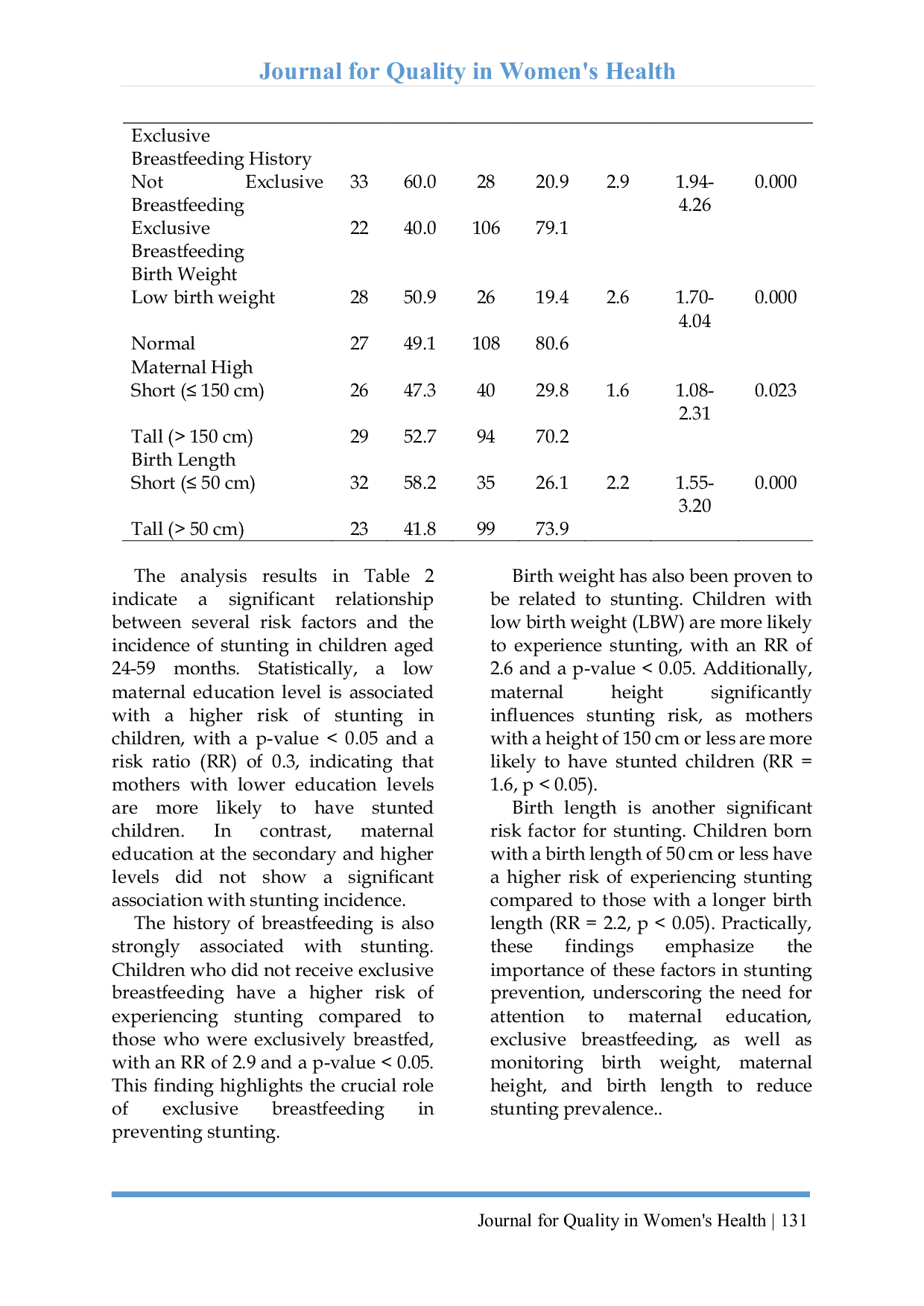
JQWHJQWH Anak yang tidak mendapatkan ASI eksklusif memiliki risiko 2,9 kali lebih tinggi mengalami stunting dibandingkan yang mendapatkan ASI eksklusif. Upaya pencegahanAnak yang tidak mendapatkan ASI eksklusif memiliki risiko 2,9 kali lebih tinggi mengalami stunting dibandingkan yang mendapatkan ASI eksklusif. Upaya pencegahan

JQWHJQWH Analisis: Hasil analisis data menunjukkan tingkat signifikansi 0,000 < 0,05 sehingga H0 ditolak dan H1 diterima. Dengan demikian, terdapat pengaruh afirmasiAnalisis: Hasil analisis data menunjukkan tingkat signifikansi 0,000 < 0,05 sehingga H0 ditolak dan H1 diterima. Dengan demikian, terdapat pengaruh afirmasi

JQWHJQWH Terdapat hubungan kecemasan dengan pengeluaran ASI ibu postpartum. Terdapat hubungan asupan nutrisi ibu dengan pengeluaran ASI ibu postpartum. TerdapatTerdapat hubungan kecemasan dengan pengeluaran ASI ibu postpartum. Terdapat hubungan asupan nutrisi ibu dengan pengeluaran ASI ibu postpartum. Terdapat

JQWHJQWH Keb Amadanom Dampit Kabupaten Malang. Desain penelitian Survey Analitik dengan pendekatan Cross Sectional. Populasinya adalah semua ibu nifas primiparaKeb Amadanom Dampit Kabupaten Malang. Desain penelitian Survey Analitik dengan pendekatan Cross Sectional. Populasinya adalah semua ibu nifas primipara
Useful /

UNNESUNNES Fenomena konflik kerusuhan yang melibatkan Etnik Bali dan Etnik Lampung pada tanggal 27 sampai 29 Oktober 2012 di Lampung Selatan awalnya merupakan konflikFenomena konflik kerusuhan yang melibatkan Etnik Bali dan Etnik Lampung pada tanggal 27 sampai 29 Oktober 2012 di Lampung Selatan awalnya merupakan konflik

UNESAUNESA Data diperoleh melalui pengujian langsung sebanyak tiga kali pada setiap kombinasi, dengan parameter waktu pencetakan, jumlah hasil produksi, serta tingkatData diperoleh melalui pengujian langsung sebanyak tiga kali pada setiap kombinasi, dengan parameter waktu pencetakan, jumlah hasil produksi, serta tingkat
UNESAUNESA Implementasi Kurikulum Merdeka di SMPN 1 Maduran berjalan dengan baik, dengan pendekatan pembelajaran yang inovatif dan berbasis karakter. Modul ajar yangImplementasi Kurikulum Merdeka di SMPN 1 Maduran berjalan dengan baik, dengan pendekatan pembelajaran yang inovatif dan berbasis karakter. Modul ajar yang
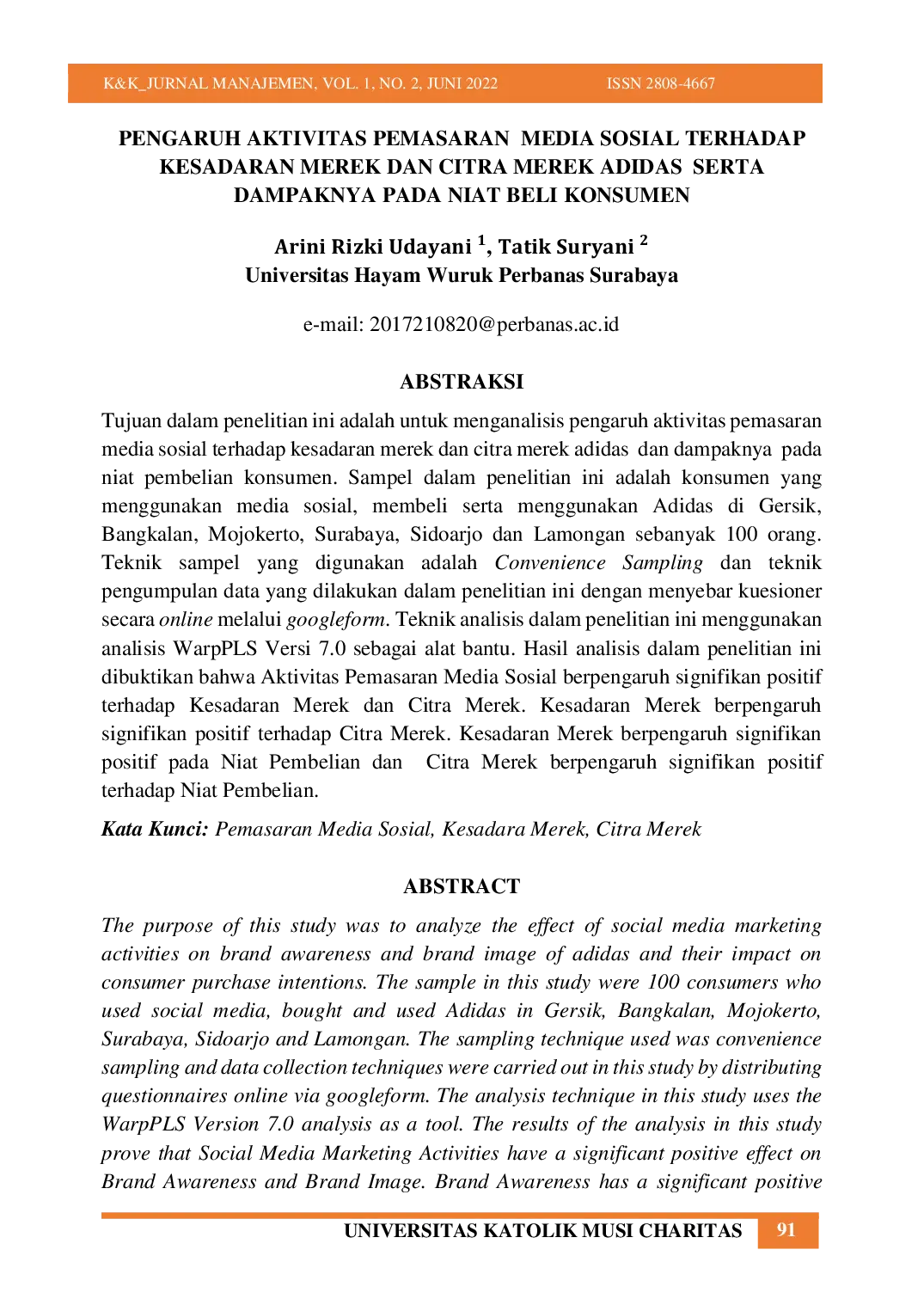
UKMCUKMC Kesadaran Merek berpengaruh signifikan positif pada Niat Pembelian dan Citra Merek berpengaruh signifikan positif terhadap Niat Pembelian. Penelitian iniKesadaran Merek berpengaruh signifikan positif pada Niat Pembelian dan Citra Merek berpengaruh signifikan positif terhadap Niat Pembelian. Penelitian ini