PENERBITPENERBIT
Jurnal Penelitian Agama HinduJurnal Penelitian Agama HinduThis study reviews the implementation of Hindu Religious Education in tourism development in Bali with the functionality of local wisdom and spirituality. The rapid growth of the tourism sector in Bali threatens the preservation of local culture and spirituality. This research aims to identify the role of Hindu Religious Education in integrating spiritual and cultural values in tourism management while maintaining a balance between economic aspects and cultural preservation. Through qualitative methods with case studies, data was obtained from in-depth interviews with various related parties. The results of the study show that Hindu Religious Education plays an important role in maintaining and spreading Balinese cultural and spiritual values in the tourism sector. This integration also helps protect sacred places and religious practices from the negative impacts of tourism. However, the main challenge faced is the commercialization of tourism which can come at the expense of the preservation of cultural identity. Thus, tourism management that combines Hindu religious values and local wisdom offers a sustainable model and respects culture. It is important to find a balance between economic development and the preservation of Hindu cultural identity and spirituality in Bali in the long term.
The implementation of Hindu Religious Education is crucial for balancing economic benefits and the preservation of local culture and spirituality in Balis culture-based tourism.Through a deep understanding of Hindu teachings, local communities and tourists can better appreciate and preserve Balinese cultural values.Hindu religious education empowers the Balinese people to actively manage tourism, protecting their cultural heritage.Maintaining this balance is essential for sustainable tourism that respects and preserves Balis unique cultural and spiritual identity.
Further research should explore how to effectively integrate Hindu religious education into tourism curricula for both local communities and tourists, fostering a deeper understanding and appreciation of Balinese culture. Additionally, studies could investigate the development of tourism policies that prioritize the preservation of sacred sites and cultural practices, mitigating the negative impacts of commercialization. Finally, research is needed to examine the role of technology and social media in promoting responsible tourism that respects Balinese spirituality and local wisdom, ensuring that these values are authentically represented and experienced by visitors. These investigations, totaling over 150 words, will contribute to a more sustainable and culturally sensitive tourism model in Bali, safeguarding its unique heritage for future generations.
| File size | 188.48 KB |
| Pages | 12 |
| DMCA | Report |
Related /
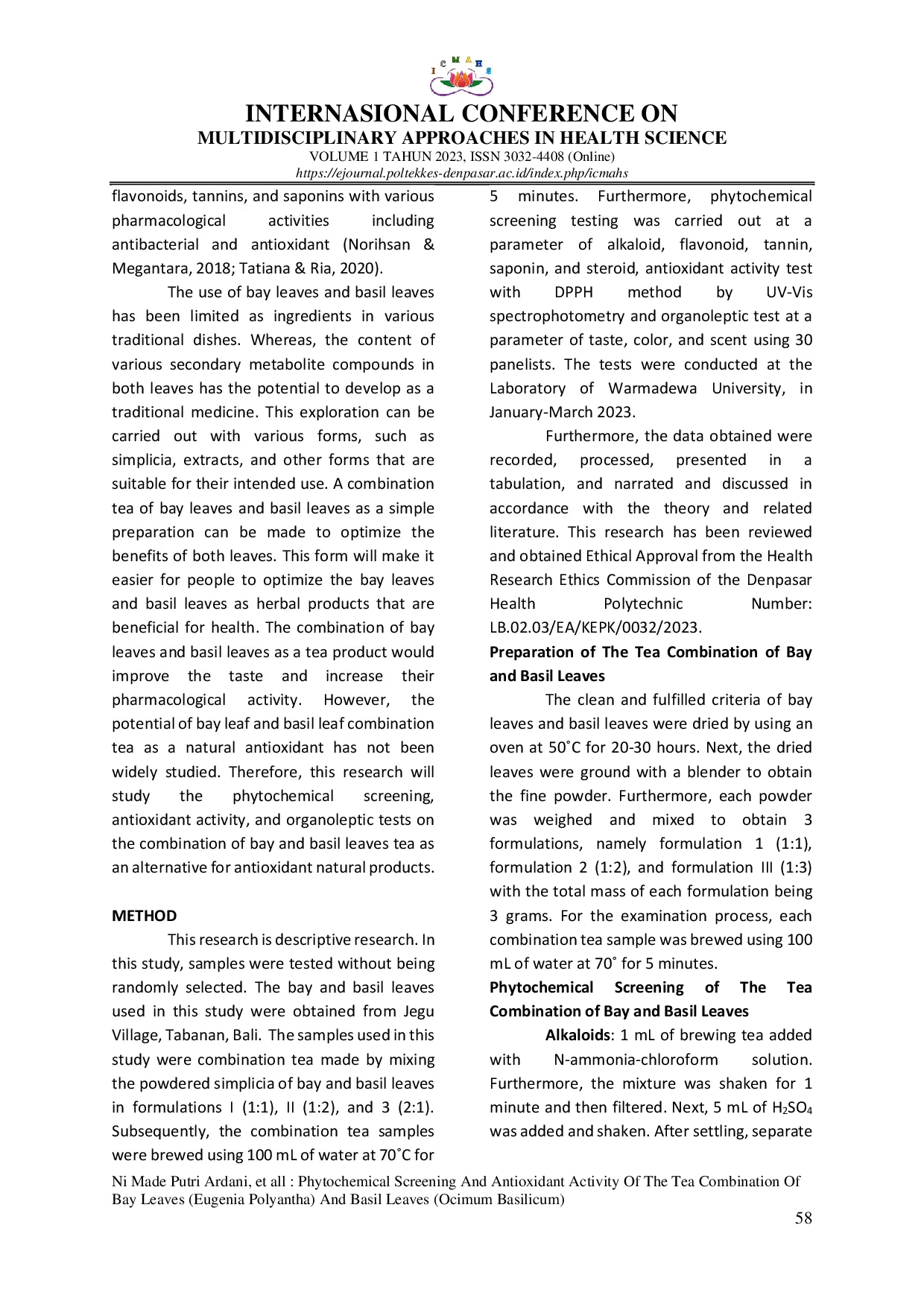
POLTEKKES DENPASARPOLTEKKES DENPASAR Berdasarkan nilai IC50, ketiga formulasi terbukti memiliki indeks aktivitas antioksidan (AAI) dalam kategori kuat. Formulasi I teh kombinasi daun salamBerdasarkan nilai IC50, ketiga formulasi terbukti memiliki indeks aktivitas antioksidan (AAI) dalam kategori kuat. Formulasi I teh kombinasi daun salam

POLTEKKES DENPASARPOLTEKKES DENPASAR Method: This study employed a descriptive quantitative approach and Focus Group Discussions (FGD). The research sample included Kids Club Managers, ITMethod: This study employed a descriptive quantitative approach and Focus Group Discussions (FGD). The research sample included Kids Club Managers, IT

ULILALBABINSTITUTEULILALBABINSTITUTE Hasil penelitian menunjukkan tidak berpengaruh bahwa transaksi pihak terkait terhadap penghindaran pajak, kapitalisasi tipis tidak berpengaruh pajak, profitabilitasHasil penelitian menunjukkan tidak berpengaruh bahwa transaksi pihak terkait terhadap penghindaran pajak, kapitalisasi tipis tidak berpengaruh pajak, profitabilitas

ULILALBABINSTITUTEULILALBABINSTITUTE Kemajuan teknologi semakin berkembang membuat mahasiswa semakin mudah untuk melakukan transaksi, juga mendorong peningkatan perilaku konsumtif karena promoKemajuan teknologi semakin berkembang membuat mahasiswa semakin mudah untuk melakukan transaksi, juga mendorong peningkatan perilaku konsumtif karena promo

ULILALBABINSTITUTEULILALBABINSTITUTE Pentingnya pengalaman pelanggan dalam berbelanja tidak dapat diremehkan, dengan memberikan layanan yang baik, suasana yang nyaman, dan pengalaman berbelanjaPentingnya pengalaman pelanggan dalam berbelanja tidak dapat diremehkan, dengan memberikan layanan yang baik, suasana yang nyaman, dan pengalaman berbelanja
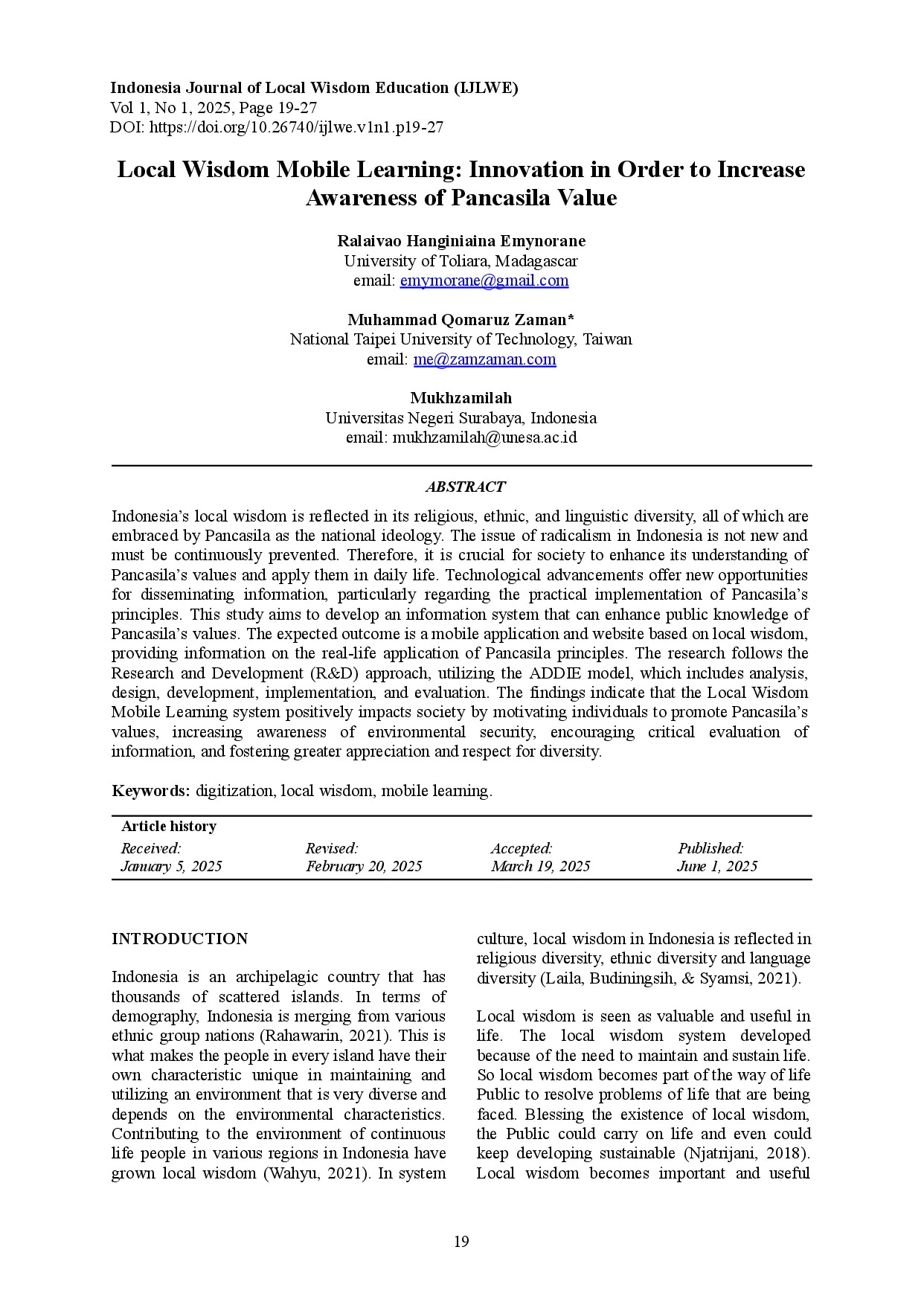
UNESAUNESA Kemajuan teknologi menawarkan peluang baru untuk menyebarkan informasi, terutama mengenai implementasi prinsip-prinsip Pancasila secara praktis. PenelitianKemajuan teknologi menawarkan peluang baru untuk menyebarkan informasi, terutama mengenai implementasi prinsip-prinsip Pancasila secara praktis. Penelitian

UNIRAYAUNIRAYA Temuan menunjukkan bahwa sebagian besar pujian berfokus pada penampilan fisik, citra diri, memperkuat peran gender tradisional yang memprioritaskan kecantikanTemuan menunjukkan bahwa sebagian besar pujian berfokus pada penampilan fisik, citra diri, memperkuat peran gender tradisional yang memprioritaskan kecantikan
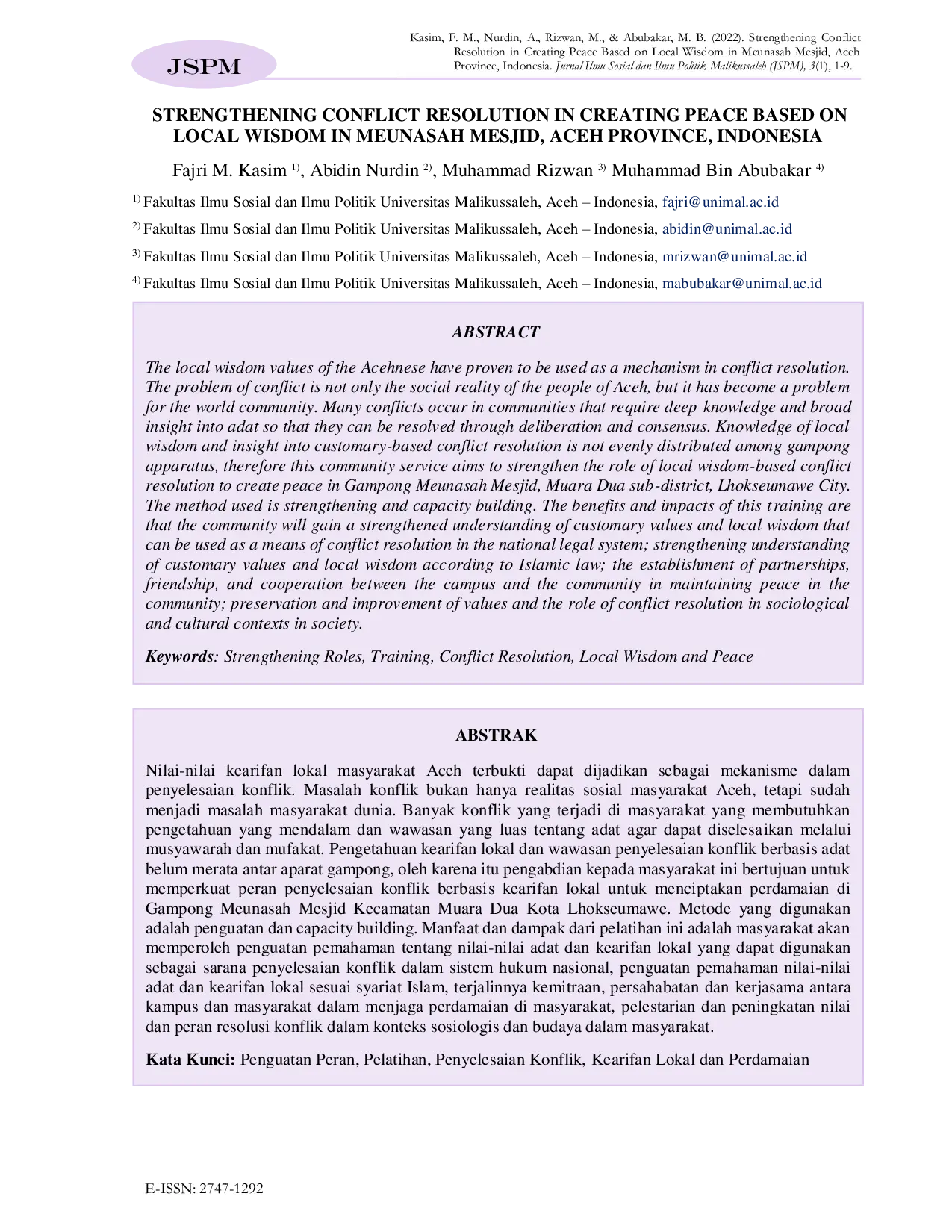
UNIMALUNIMAL strengthening understanding of customary values and local wisdom according to Islamic law. the establishment of partnerships, friendship and cooperationstrengthening understanding of customary values and local wisdom according to Islamic law. the establishment of partnerships, friendship and cooperation
Useful /

UMLAUMLA Berdasarkan data dari WHO, insidensi penyakit parkinson di Asia menunjukkan terdapat 1. 5 sampai 8. 7 kasus per tahun dengan kisaran umur 60 sampai 69Berdasarkan data dari WHO, insidensi penyakit parkinson di Asia menunjukkan terdapat 1. 5 sampai 8. 7 kasus per tahun dengan kisaran umur 60 sampai 69
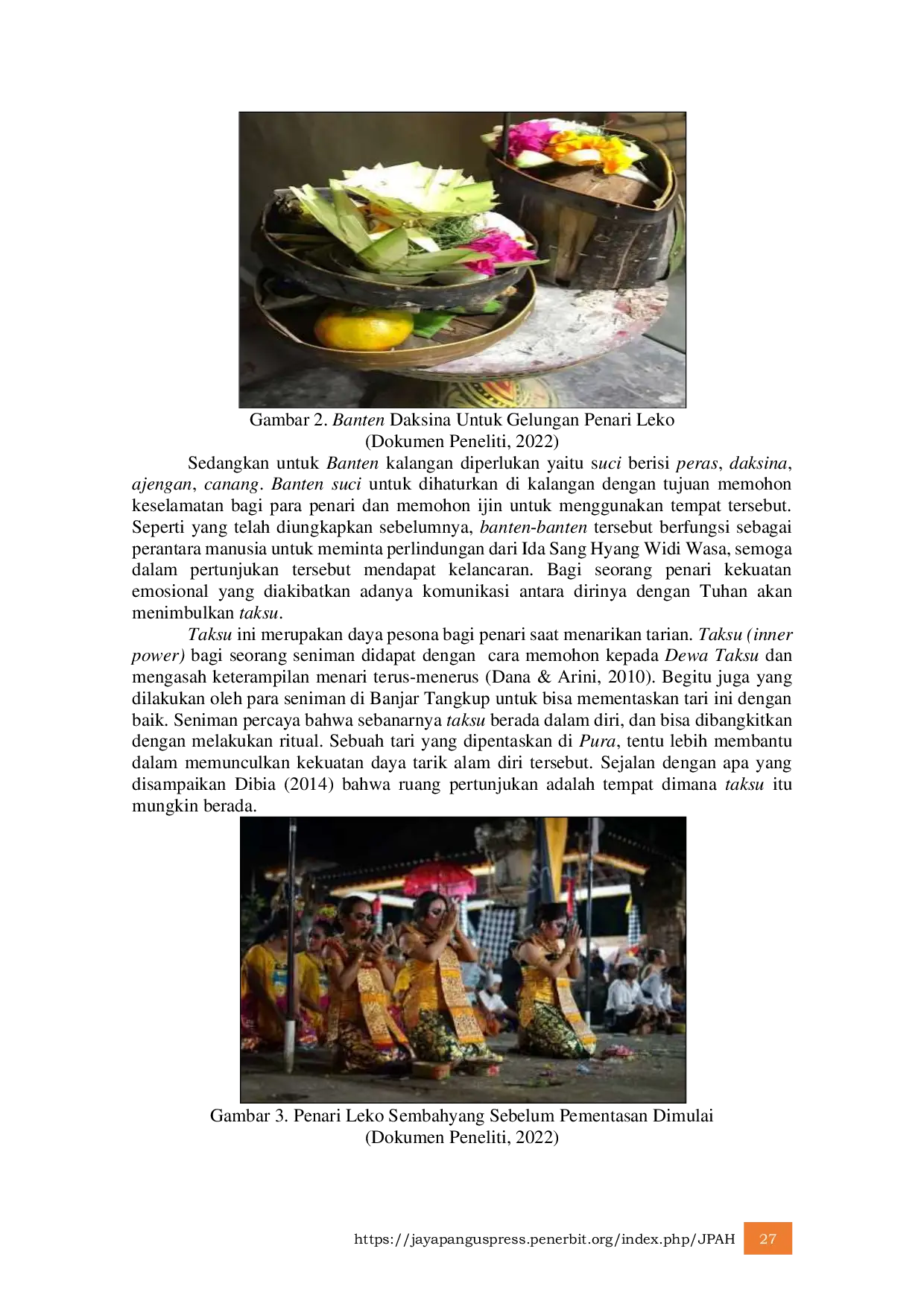
PENERBITPENERBIT Bentuk penyajian Tari Leko memiliki struktur gerak yang sederhana namun tetap memiliki nilai estetika, dengan ragam gerak yang khas dan karakter yang jelas.Bentuk penyajian Tari Leko memiliki struktur gerak yang sederhana namun tetap memiliki nilai estetika, dengan ragam gerak yang khas dan karakter yang jelas.

UNESAUNESA The results indicate that integrating Islamic history with local wisdom significantly enhances students understanding of Islam, as well as their appreciationThe results indicate that integrating Islamic history with local wisdom significantly enhances students understanding of Islam, as well as their appreciation
KOMPETIFKOMPETIF Berdasarkan hasil penelitian, citra merek (brand image) memiliki pengaruh signifikan terhadap keputusan siswa dalam memilih bimbingan belajar di LembagaBerdasarkan hasil penelitian, citra merek (brand image) memiliki pengaruh signifikan terhadap keputusan siswa dalam memilih bimbingan belajar di Lembaga