WESTSCIENCE PRESSWESTSCIENCE PRESS
West Science Law and Human RightsWest Science Law and Human RightsThis paper provides a normative juridical analysis of Indonesias carbon trading regulations, with a focus on environmental justice and fairness. It examines the legal framework established by Presidential Regulation No. 98 of 2021, which governs carbon pricing mechanisms, including carbon taxes and carbon credit trading. The analysis highlights key gaps in the regulation, particularly in terms of equitable benefit distribution and inclusion of vulnerable communities in decision-making processes. While Indonesias carbon trading system aligns with global trends and its international obligations, significant improvements are needed to ensure that marginalized groups are not further disadvantaged. Recommendations include the redistribution of carbon trading revenues, enhanced public participation, stronger enforcement mechanisms, and alignment with international best practices.
Indonesias carbon trading framework, while a positive step towards emissions reduction, currently lacks sufficient safeguards to ensure equitable benefit distribution, particularly for vulnerable communities disproportionately affected by environmental degradation.The absence of explicit provisions for revenue redistribution and meaningful community participation undermines the systems fairness and transparency.Strengthening enforcement mechanisms and aligning with international best practices are crucial to address these gaps and promote a just and equitable carbon trading system that protects marginalized populations.
Further research should investigate the effectiveness of different revenue redistribution mechanisms to ensure that benefits from carbon trading reach vulnerable communities directly, potentially through community-based projects or direct financial transfers. Additionally, a comparative study of public participation models in carbon trading schemes across various countries could inform the development of more inclusive decision-making processes in Indonesia, empowering local communities to shape policies that affect their livelihoods. Finally, research is needed to assess the potential of integrating carbon credit trading with renewable energy markets to drive economic efficiency and social welfare for marginalized communities, fostering a more sustainable and equitable energy transition. These studies should be conducted with a focus on practical implementation and scalability, considering the unique socio-economic context of Indonesia and aiming to provide actionable recommendations for policymakers and stakeholders.
- environmental justice - IIP Series - Conferences & Edited Books. justice iip series conferences edited... iipseries.org/viewpaper.php?pid=1315&pt=environmental-justiceenvironmental justice IIP Series Conferences Edited Books justice iip series conferences edited iipseries viewpaper php pid 1315 pt environmental justice
- Carbon Credits and Offsetting: Navigating Legal Frameworks, Innovative Solutions, and Controversies -... doi.org/10.36948/ijfmr.2024.v06i02.17370Carbon Credits and Offsetting Navigating Legal Frameworks Innovative Solutions and Controversies doi 10 36948 ijfmr 2024 v06i02 17370
| File size | 369.08 KB |
| Pages | 8 |
| DMCA | Report |
Related /

UNMUHUNMUH Kebijakan pariwisata yang diterapkan menitikberatkan pada pengembangan destinasi berbasis masyarakat dengan pendekatan inklusif, partisipatif, dan berkelanjutan.Kebijakan pariwisata yang diterapkan menitikberatkan pada pengembangan destinasi berbasis masyarakat dengan pendekatan inklusif, partisipatif, dan berkelanjutan.

IPBIPB Metode yang diterapkan berupa deskriptif kualitatif dan kuantitatif. Hasil penelitian menunjukkan bahwa Wisata Alam Hutan Pinus Limpakuwus memiliki potensiMetode yang diterapkan berupa deskriptif kualitatif dan kuantitatif. Hasil penelitian menunjukkan bahwa Wisata Alam Hutan Pinus Limpakuwus memiliki potensi

APPISIAPPISI Wonogiri Regency in Central Java Province has great potential for sustainable tourism development, particularly through the integration of nature and religiousWonogiri Regency in Central Java Province has great potential for sustainable tourism development, particularly through the integration of nature and religious
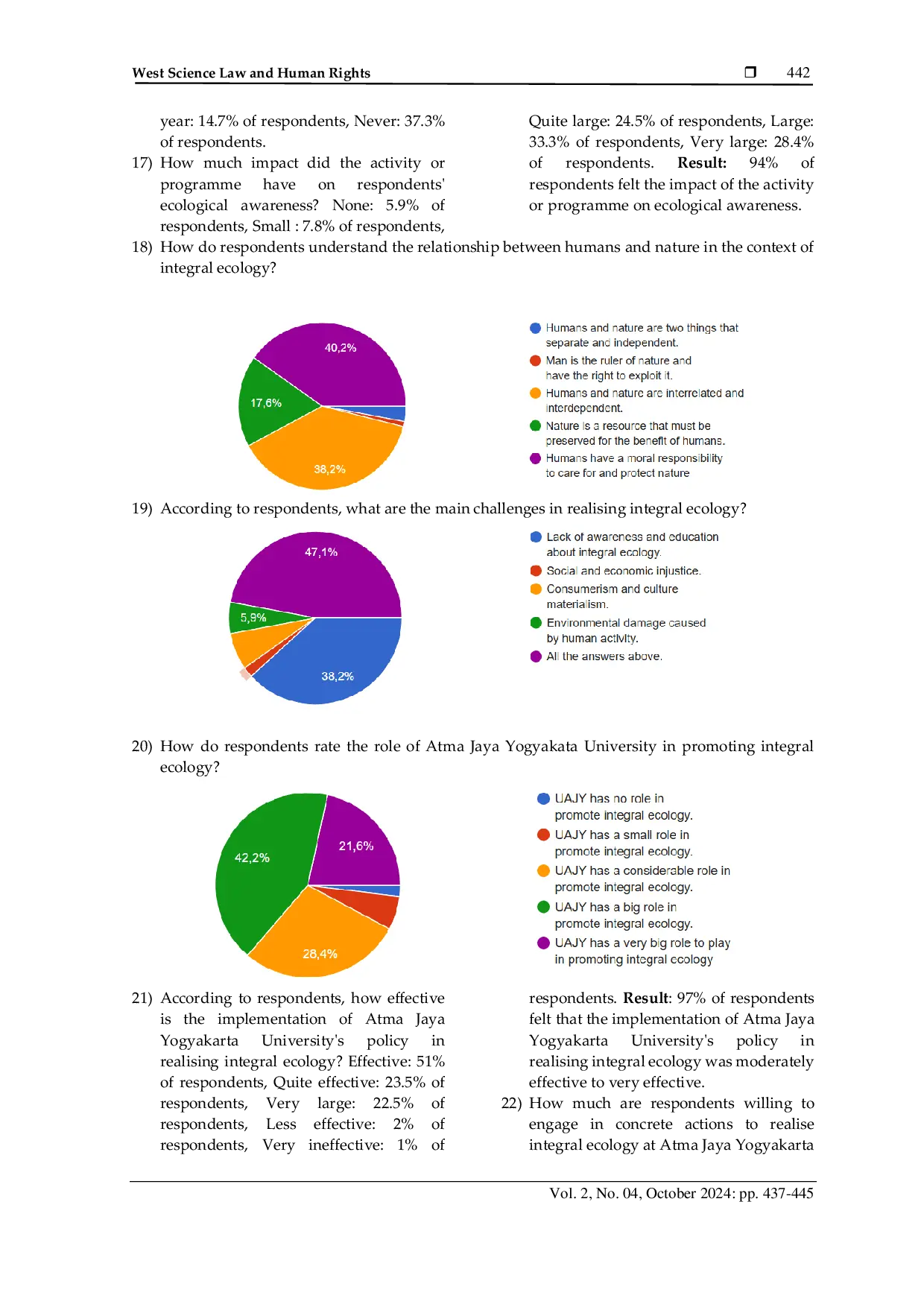
WESTSCIENCE PRESSWESTSCIENCE PRESS Sebagai universitas, UAJY memainkan peran penting dalam menciptakan pendidikan katolik yang menghormati martabat manusia, nilai keterhubungan, dan membangunSebagai universitas, UAJY memainkan peran penting dalam menciptakan pendidikan katolik yang menghormati martabat manusia, nilai keterhubungan, dan membangun

WESTSCIENCE PRESSWESTSCIENCE PRESS Restorative justice, when implemented effectively, can lead to better outcomes for both offenders and victims. However, it is important to acknowledgeRestorative justice, when implemented effectively, can lead to better outcomes for both offenders and victims. However, it is important to acknowledge

UNPANDUNPAND Hunian lansia semakin dibutuhkan oleh lansia akibat masalah yang ditimbulkan oleh lanjut usia seperti menurunnya mental dan fisik dan berdampak untuk kualitasHunian lansia semakin dibutuhkan oleh lansia akibat masalah yang ditimbulkan oleh lanjut usia seperti menurunnya mental dan fisik dan berdampak untuk kualitas
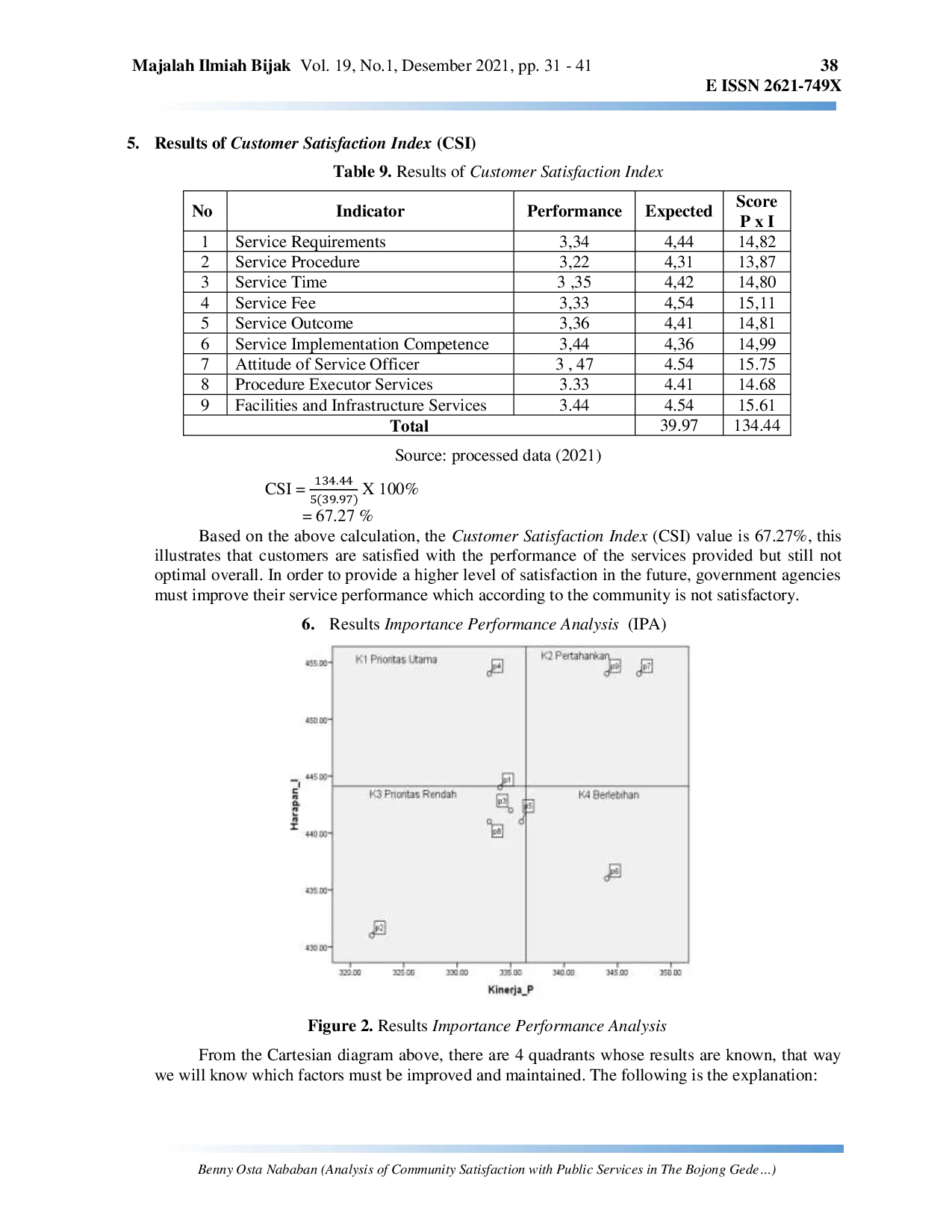
STIAMISTIAMI Kinerja pelayanan di Kecamatan Bojong Gede belum memenuhi harapan masyarakat, ditunjukkan dengan adanya kesenjangan negatif rata-rata sebesar -1,07 menurutKinerja pelayanan di Kecamatan Bojong Gede belum memenuhi harapan masyarakat, ditunjukkan dengan adanya kesenjangan negatif rata-rata sebesar -1,07 menurut

IJBE RESEARCHIJBE RESEARCH Persepsi pengguna terhadap kemanfaatan aplikasi SPSS (Perceived Usefulness) sudah baik dengan skor rata-rata mean 4,10, yang berarti aplikasi ini bermanfaatPersepsi pengguna terhadap kemanfaatan aplikasi SPSS (Perceived Usefulness) sudah baik dengan skor rata-rata mean 4,10, yang berarti aplikasi ini bermanfaat
Useful /

UNMUHUNMUH Fokus penelitian yaitu menganalisis kebijakan penataan organisasi Dinas Pemberdayaan Masyarakat dan Desa Kabupaten Jember. Penelitian ini menggunakan pendekatanFokus penelitian yaitu menganalisis kebijakan penataan organisasi Dinas Pemberdayaan Masyarakat dan Desa Kabupaten Jember. Penelitian ini menggunakan pendekatan

POLTEKKES PALEMBANGPOLTEKKES PALEMBANG Semua jamur memerlukan elemen yang spesifik untuk melangsungkan pertumbuhannya. Tujuan Penelitian: Untuk mengetahui uji pertumbuhan jamur Aspergillus flavusSemua jamur memerlukan elemen yang spesifik untuk melangsungkan pertumbuhannya. Tujuan Penelitian: Untuk mengetahui uji pertumbuhan jamur Aspergillus flavus

STAINAASTAINAA Abstrak: Perjanjian kerjasama merupakan instrumen penting dalam aktivitas ekonomi masyarakat, termasuk dalam pengelolaan tempat wisata berbasis desa. DalamAbstrak: Perjanjian kerjasama merupakan instrumen penting dalam aktivitas ekonomi masyarakat, termasuk dalam pengelolaan tempat wisata berbasis desa. Dalam

UnijoyoUnijoyo Hasil penelitian menunjukkan bahwa penggunaan metode Learning Vector Quantization dengan parameter learning rate 0,5, minimal error 0,0001, dan maksimalHasil penelitian menunjukkan bahwa penggunaan metode Learning Vector Quantization dengan parameter learning rate 0,5, minimal error 0,0001, dan maksimal