UMSUMS
QiST: Journal of Quran and Tafseer StudiesQiST: Journal of Quran and Tafseer StudiesQuranic interpretation has undergone diverse methodological developments throughout Islamic intellectual history, one of which is tafsīr bi al-rayi or interpretation based on reason and ijtihād. However, this approach has long been debated among scholars, particularly concerning its potential status as a form of dakhil fi al-tafsir. In this context, two prominent scholars, Ibn Taymiyyah and Ibn Āshūr, represent two contrasting epistemological orientations. Ibn Taymiyyah viewed tafsir bi al-rayi critically, considering it a deviation when not grounded in authentic narrations from the Prophet, the Companions, and the Tābiīn. Conversely, Ibn Āshūr, as a modernist exegete, legitimized the use of reason in interpreting the Quran, provided it remained consistent with sharī principles and linguistic conventions. This study aims to analyze the epistemological foundations and interpretive methodologies of both scholars, highlighting how their differing intellectual contexts shaped their approaches to tafsīr bi al-rayi. The research gap lies in the limited comparative studies that systematically explore this epistemological tension between textual traditionalism and contextual rationalism. Using a qualitative approach and library research, this study examines primary sources of tafsīr and uṣūl al-tafsīr written by both figures. This study contributes to the broader discourse of Quranic hermeneutics by offering a nuanced understanding of how classical and modern paradigms interact in defining the boundaries of rational interpretation, thereby enriching contemporary discussions on methodological renewal in Quranic studies.
The study highlights the differing epistemological frameworks of Ibn Taymiyyah and Ibn Āshūr regarding tafsīr bi al-rayi.Ibn Taymiyyah prioritized authentic transmitted reports, cautioning against interpretations solely based on reason, while Ibn Āshūr advocated for a constructive role of reason within Islamic legal and linguistic boundaries.This debate reflects the historical tension between safeguarding textual fidelity and responding to contemporary challenges.Ultimately, the validity of tafsīr bi al-rayi depends on the methodological framework and epistemological orientation of the interpreter.
Future research should explore the practical application of Ibn Taymiyyah and Ibn Āshūrs approaches in contemporary Quranic interpretation. Further investigation is needed to analyze how their methodologies address modern ethical and social issues, such as human rights, gender equality, and environmental sustainability, while remaining grounded in Islamic principles. Additionally, a comparative study examining the reception and influence of their ideas in different Islamic intellectual traditions could reveal the broader impact of their contributions. Building upon the existing scholarship, research could also focus on developing a nuanced framework for evaluating the legitimacy of ijtihad-based exegesis, incorporating both textual fidelity and contextual relevance. Finally, exploring the potential for integrating classical and modern approaches to tafsir could offer a more comprehensive and dynamic understanding of the Quran for contemporary Muslims.
| File size | 425.42 KB |
| Pages | 20 |
| DMCA | Report |
Related /

WESTSCIENCE PRESSWESTSCIENCE PRESS Finding out how land consolidation is being used in Indonesia to provide land for the development of green open spaces, as well as the difficulties facedFinding out how land consolidation is being used in Indonesia to provide land for the development of green open spaces, as well as the difficulties faced
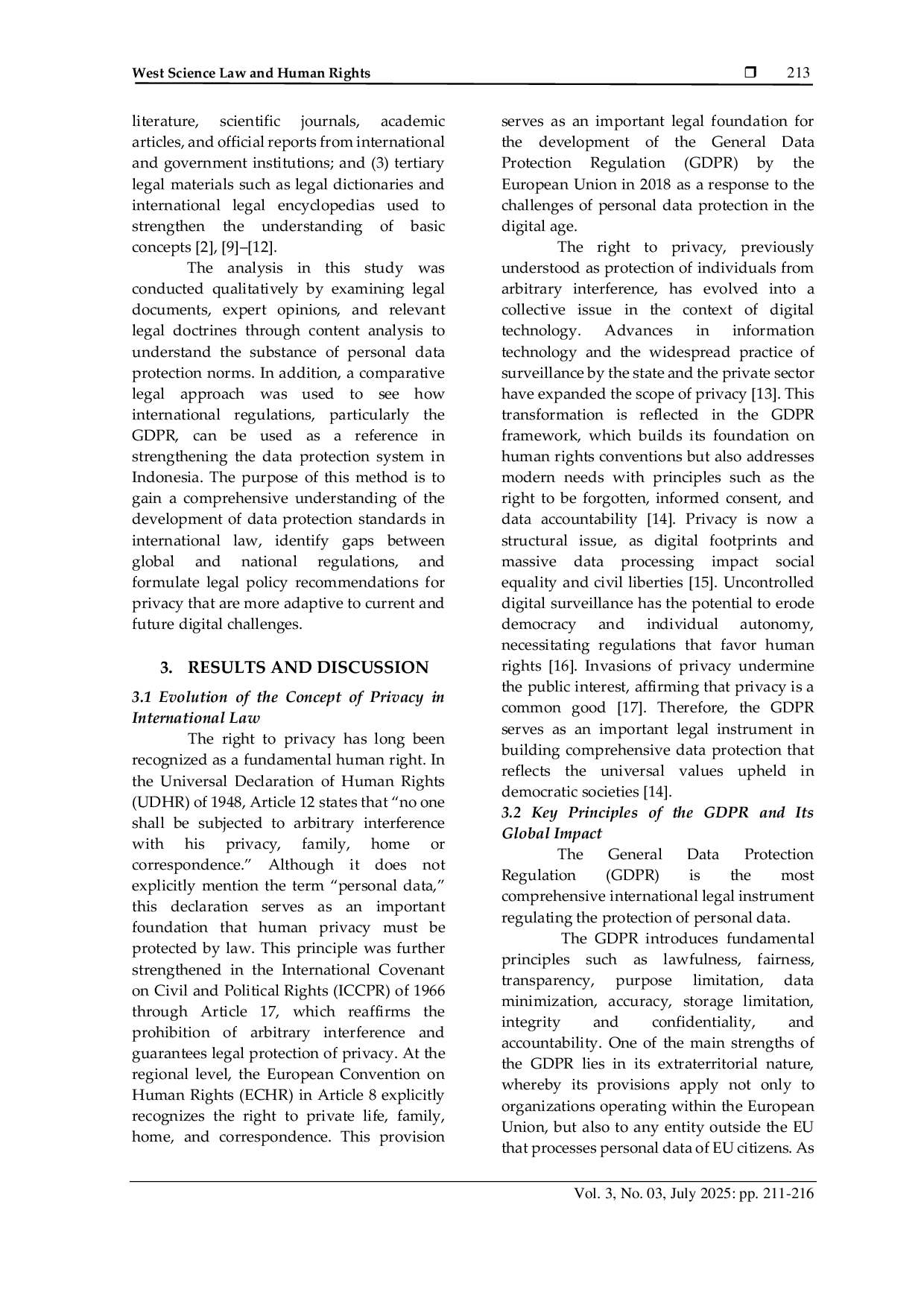
WESTSCIENCE PRESSWESTSCIENCE PRESS Perlindungan privasi dan data pribadi merupakan isu yang semakin penting di era digital saat ini. Artikel ini menyoroti pentingnya pengakuan terhadap privasiPerlindungan privasi dan data pribadi merupakan isu yang semakin penting di era digital saat ini. Artikel ini menyoroti pentingnya pengakuan terhadap privasi

WESTSCIENCE PRESSWESTSCIENCE PRESS Temuan menunjukkan bahwa meskipun keadilan restoratif dapat menjadi alat rehabilitatif bagi pelaku anak, penerapannya dalam kasus pembunuhan sangat kompleksTemuan menunjukkan bahwa meskipun keadilan restoratif dapat menjadi alat rehabilitatif bagi pelaku anak, penerapannya dalam kasus pembunuhan sangat kompleks

WESTSCIENCE PRESSWESTSCIENCE PRESS Penelitian menunjukkan bahwa nilai-nilai Pancasila berfungsi sebagai kompas moral dalam pendidikan untuk membentuk karakter siswa dalam menghadapi intoleransi,Penelitian menunjukkan bahwa nilai-nilai Pancasila berfungsi sebagai kompas moral dalam pendidikan untuk membentuk karakter siswa dalam menghadapi intoleransi,

WESTSCIENCE PRESSWESTSCIENCE PRESS Penelitian ini bertujuan untuk mengeksplorasi bagaimana lembaga penegak hukum di Indonesia menggunakan AI dan Data Besar untuk memerangi jaringan peredaranPenelitian ini bertujuan untuk mengeksplorasi bagaimana lembaga penegak hukum di Indonesia menggunakan AI dan Data Besar untuk memerangi jaringan peredaran

WESTSCIENCE PRESSWESTSCIENCE PRESS Hasil penelitian ini menemukan bahwa pemilik platform memiliki hak kepemilikan eksklusif atas materi dalam perangkat lunak dan dapat mengatur penggunaanHasil penelitian ini menemukan bahwa pemilik platform memiliki hak kepemilikan eksklusif atas materi dalam perangkat lunak dan dapat mengatur penggunaan

WESTSCIENCE PRESSWESTSCIENCE PRESS Putusan pengadilan menyoroti pelanggaran kewajiban fidusia, kegagalan tata kelola, dan kekurangan dalam manajemen risiko di dalam Lembaga Pembiayaan EksporPutusan pengadilan menyoroti pelanggaran kewajiban fidusia, kegagalan tata kelola, dan kekurangan dalam manajemen risiko di dalam Lembaga Pembiayaan Ekspor
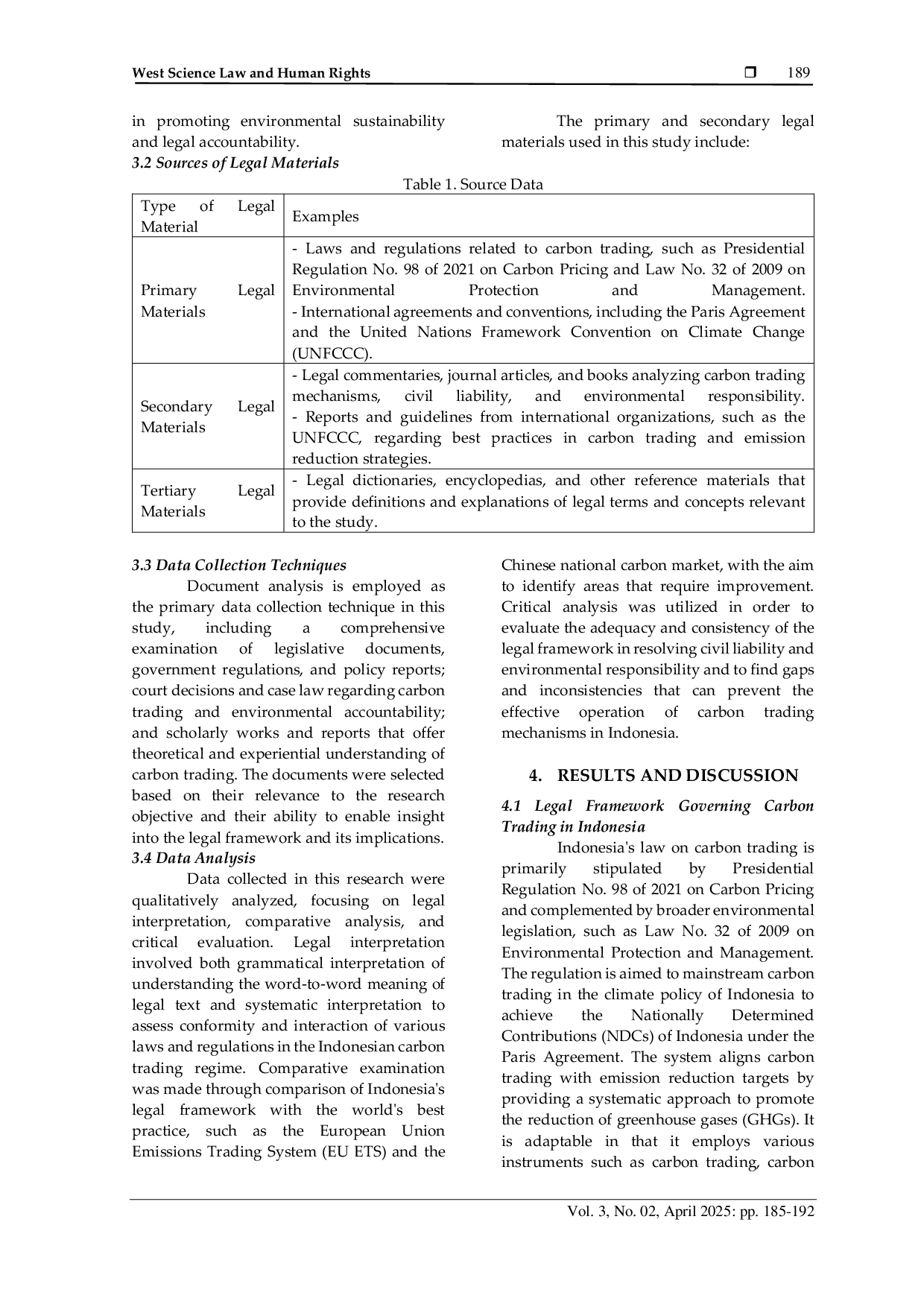
WESTSCIENCE PRESSWESTSCIENCE PRESS Additionally, the absence of adequate community participation mechanisms is not only an issue of equity and social inclusion. In learning from global bestAdditionally, the absence of adequate community participation mechanisms is not only an issue of equity and social inclusion. In learning from global best
Useful /
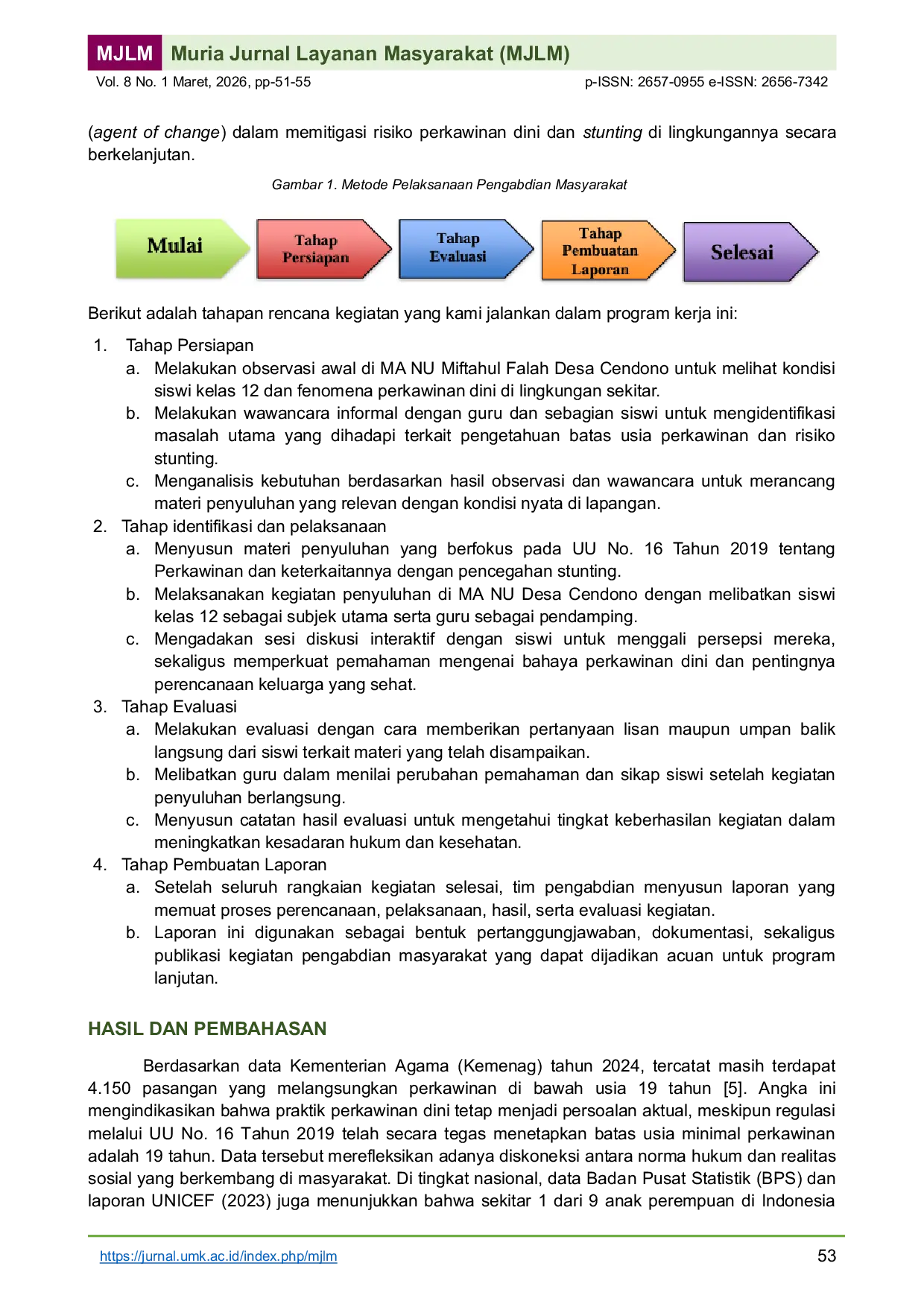
UMKUMK Pengabdian masyarakat di MA NU Miftahul Falah Cendono menunjukkan bahwa penyuluhan mengenai batas usia perkawinan sesuai UU No. 16 Tahun 2019 serta sosialisasiPengabdian masyarakat di MA NU Miftahul Falah Cendono menunjukkan bahwa penyuluhan mengenai batas usia perkawinan sesuai UU No. 16 Tahun 2019 serta sosialisasi
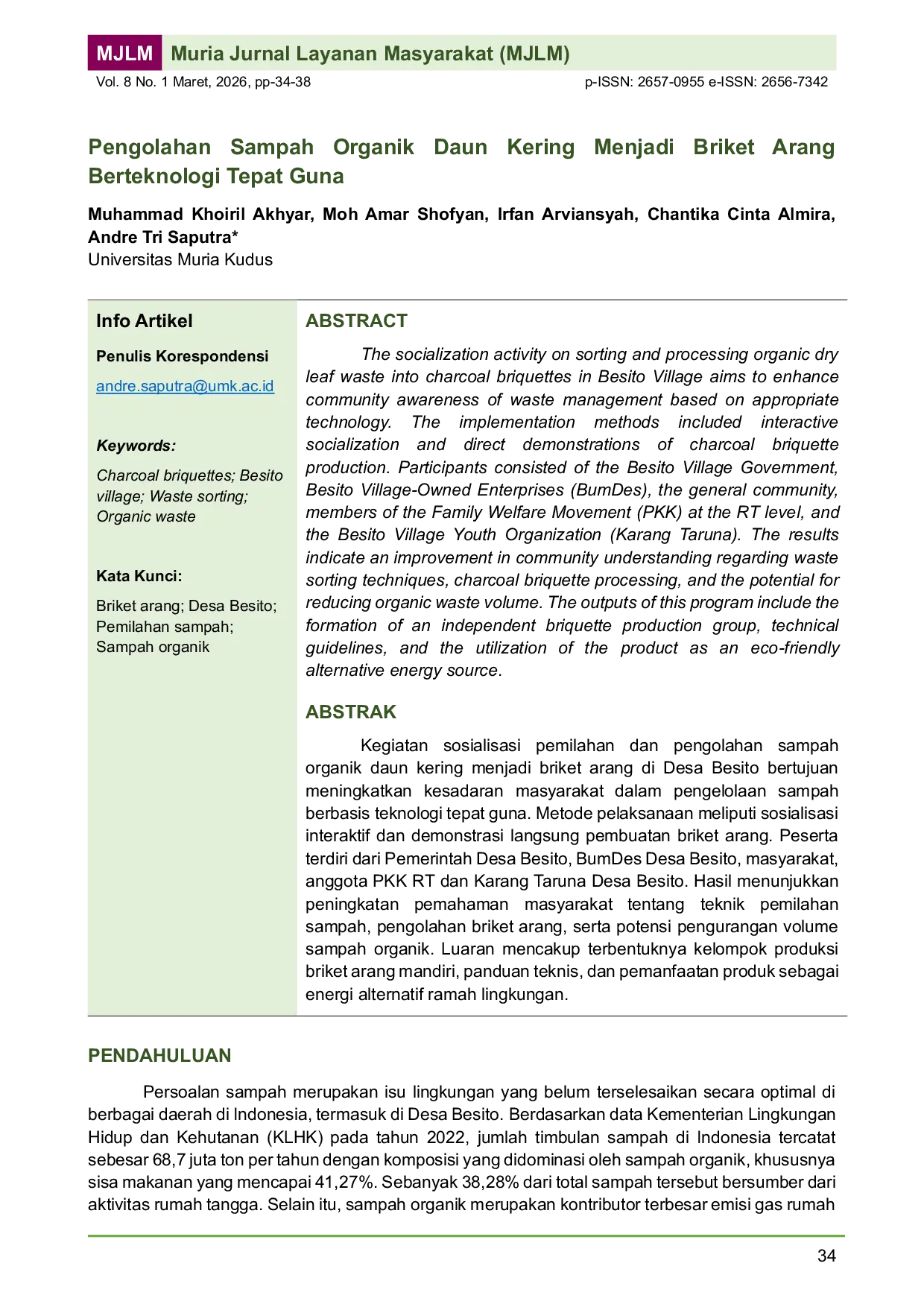
UMKUMK Peserta terdiri dari Pemerintah Desa Besito, BumDes Desa Besito, masyarakat, anggota PKK RT dan Karang Taruna Desa Besito. Hasil menunjukkan peningkatanPeserta terdiri dari Pemerintah Desa Besito, BumDes Desa Besito, masyarakat, anggota PKK RT dan Karang Taruna Desa Besito. Hasil menunjukkan peningkatan
UMKUMK Tujuan pengabdian ini adalah untuk meningkatkan pemahaman masyarakat terhadap pentingnya mengontrol kadar kolesterol darah. Metode yang dilakukan yaituTujuan pengabdian ini adalah untuk meningkatkan pemahaman masyarakat terhadap pentingnya mengontrol kadar kolesterol darah. Metode yang dilakukan yaitu
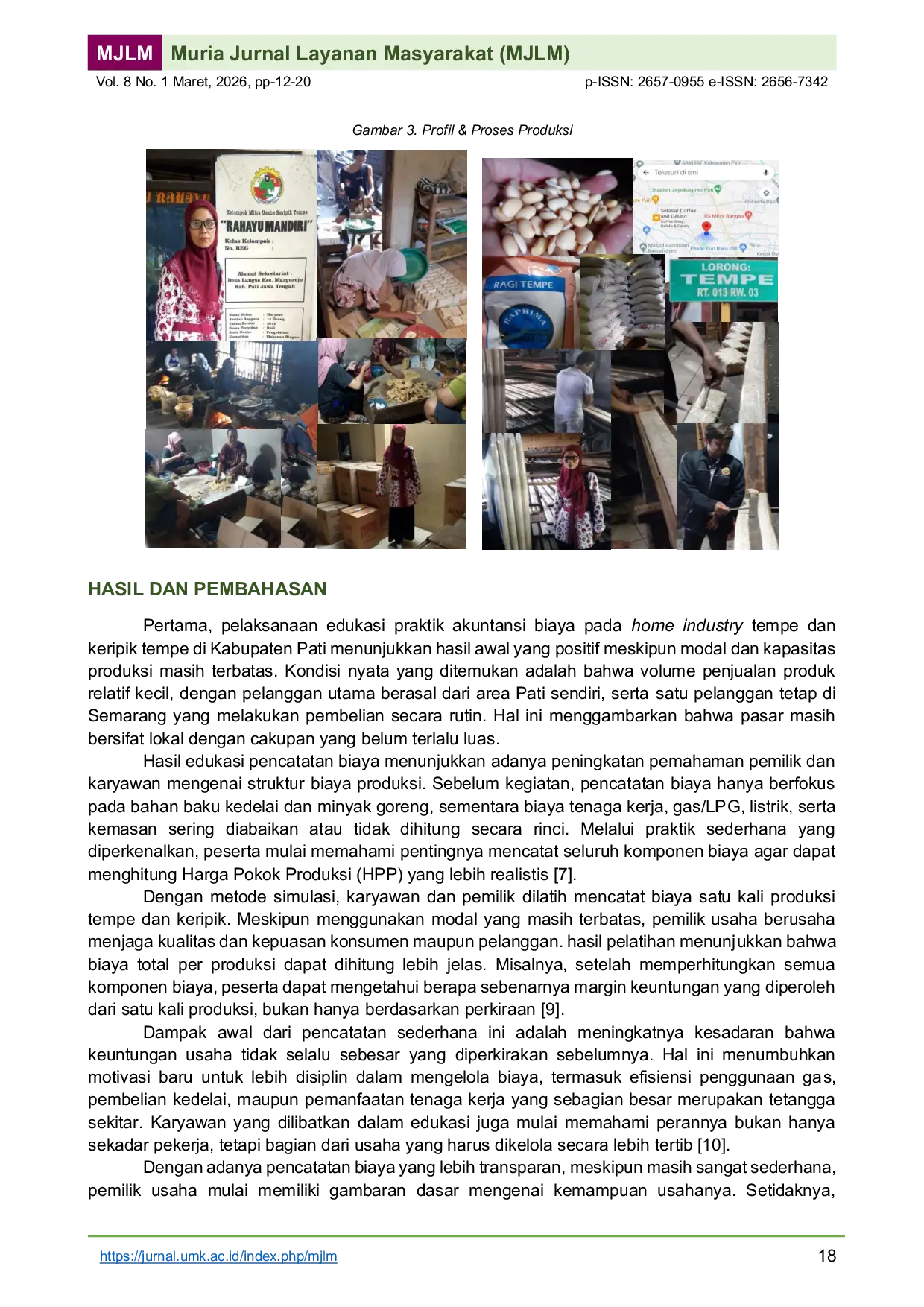
UMKUMK Kegiatan pengabdian masyarakat ini memberikan dampak positif yang signifikan bagi para peserta, meskipun dilaksanakan dalam lingkup terbatas. ImplementasiKegiatan pengabdian masyarakat ini memberikan dampak positif yang signifikan bagi para peserta, meskipun dilaksanakan dalam lingkup terbatas. Implementasi