WESTSCIENCE PRESSWESTSCIENCE PRESS
West Science Law and Human RightsWest Science Law and Human RightsJuvenile justice is a significant aspect of any criminal justice system, especially in countries where childrens rights are enshrined in law. In Indonesia, the juvenile criminal justice system has evolved considerably, with a focus on rehabilitation and protection of the childs welfare. This article delves into Indonesias juvenile criminal laws, specifically Law No. 11 of 2012 on the Juvenile Criminal Justice System, which introduced a more restorative approach to dealing with child offenders. The paper explores how Indonesia balances punishment with rehabilitation, analyzing the effectiveness of this system compared to global standards. By examining case studies, legal frameworks, and rehabilitation programs, the study evaluates how well these laws serve the interests of both society and juvenile offenders. The article also discusses challenges such as inconsistencies in implementation, socio-economic disparities, and public perceptions of juvenile justice. Finally, recommendations are provided to enhance the efficiency and fairness of juvenile criminal law in Indonesia.
11 of 2012 represents a significant shift towards restorative justice in handling juvenile offenders.The implementation of this law has shown positive results in reducing recidivism and promoting rehabilitation, particularly through diversion programs.However, challenges remain in ensuring consistent implementation across all regions and addressing public perceptions regarding the effectiveness of restorative justice.
Penelitian lebih lanjut perlu dilakukan untuk mengeksplorasi efektivitas program restoratif keadilan di berbagai konteks sosial dan ekonomi di Indonesia, dengan mempertimbangkan faktor-faktor seperti tingkat pendidikan, akses terhadap layanan hukum, dan dukungan komunitas. Selain itu, studi komparatif dapat dilakukan untuk membandingkan pendekatan Indonesia terhadap keadilan juvenil dengan negara-negara lain yang telah berhasil menerapkan sistem restoratif, guna mengidentifikasi praktik-praktik terbaik yang dapat diadopsi. Terakhir, penelitian perlu difokuskan pada pengembangan strategi untuk meningkatkan kesadaran publik dan mengubah persepsi negatif terhadap keadilan restoratif, melalui kampanye edukasi yang melibatkan berbagai pemangku kepentingan, termasuk masyarakat, aparat penegak hukum, dan lembaga pendidikan, sehingga tercipta dukungan yang lebih luas untuk pendekatan ini dalam sistem peradilan pidana anak.
| File size | 391.79 KB |
| Pages | 12 |
| DMCA | Report |
Related /

ENDLESS JOURNALENDLESS JOURNAL This study demonstrates that family–institution collaboration is a crucial component in strengthening restorative justice for children in conflict withThis study demonstrates that family–institution collaboration is a crucial component in strengthening restorative justice for children in conflict with

AMSIRAMSIR Penelitian ini menyimpulkan bahwa paparan berita kriminal memiliki pengaruh signifikan terhadap peningkatan rasa takut akan kejahatan di kalangan masyarakatPenelitian ini menyimpulkan bahwa paparan berita kriminal memiliki pengaruh signifikan terhadap peningkatan rasa takut akan kejahatan di kalangan masyarakat
IPBIPB Pengalokasian dan pengelolaan lahan yang tepat tidak hanya meningkatkan produksi padi lokal dan ketahanan pangan hingga tahun 2033, tetapi juga memperkuatPengalokasian dan pengelolaan lahan yang tepat tidak hanya meningkatkan produksi padi lokal dan ketahanan pangan hingga tahun 2033, tetapi juga memperkuat
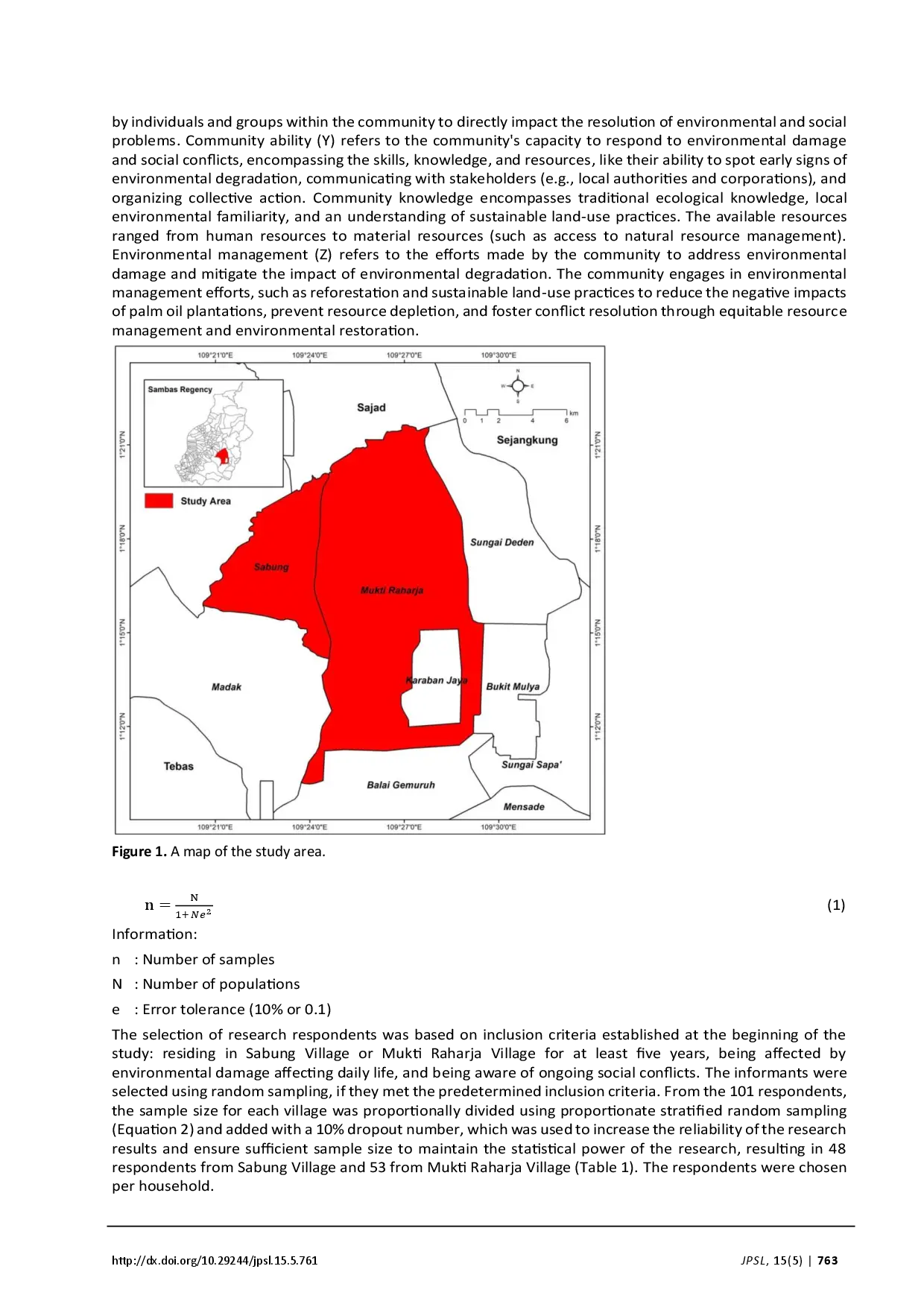
IPBIPB Kebaruan penelitian ini terletak pada fokusnya pada praktik lingkungan yang dipimpin masyarakat sebagai strategi ganda untuk pengelolaan ekologis dan pembangunanKebaruan penelitian ini terletak pada fokusnya pada praktik lingkungan yang dipimpin masyarakat sebagai strategi ganda untuk pengelolaan ekologis dan pembangunan

IRSCIRSC 32/2009 tentang Perlindungan dan Pengelolaan Lingkungan menyebutkan lingkungan sebagai ruang yang mencakup segala objek, kondisi, dan makhluk hidup. Kerugian32/2009 tentang Perlindungan dan Pengelolaan Lingkungan menyebutkan lingkungan sebagai ruang yang mencakup segala objek, kondisi, dan makhluk hidup. Kerugian
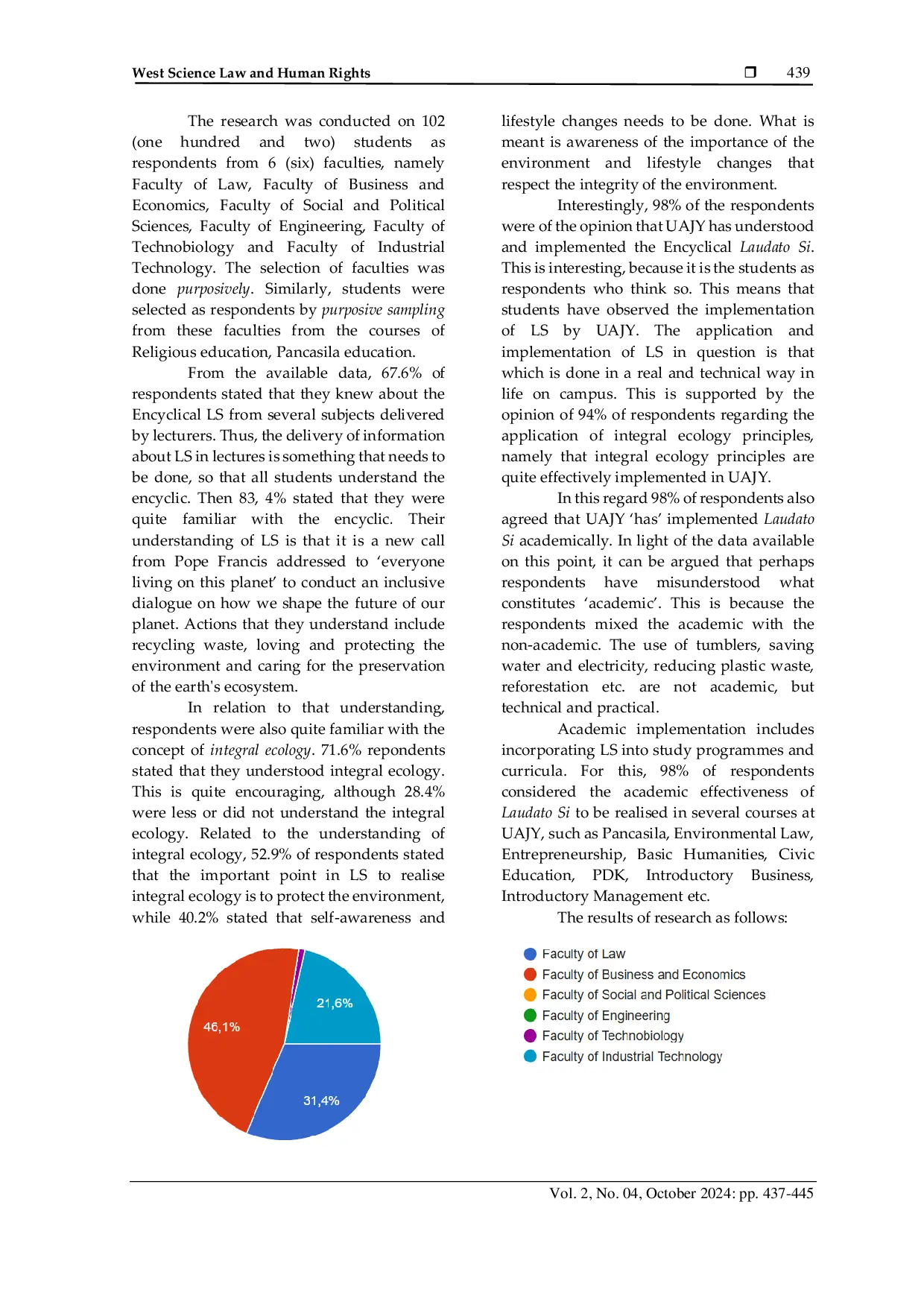
WESTSCIENCE PRESSWESTSCIENCE PRESS Objek material penelitian adalah kebijakan, sedangkan objek formalnya adalah filsafat moral. Penelitian ini bertujuan untuk memahami bagaimana paradigmaObjek material penelitian adalah kebijakan, sedangkan objek formalnya adalah filsafat moral. Penelitian ini bertujuan untuk memahami bagaimana paradigma
UNHASUNHAS Oleh karena itu, tulisan ini akan menyajikan informasi baru tentang model penyelesaian sengketa kehutanan berdasarkan informasi geospasial. Hutan memainkanOleh karena itu, tulisan ini akan menyajikan informasi baru tentang model penyelesaian sengketa kehutanan berdasarkan informasi geospasial. Hutan memainkan
UNHASUNHAS Standarisasi reklamasi dan pengelolaan pascatambang juga menjadi penting untuk menyediakan pedoman pelaksanaan yang sesuai kebutuhan masyarakat. KebijakanStandarisasi reklamasi dan pengelolaan pascatambang juga menjadi penting untuk menyediakan pedoman pelaksanaan yang sesuai kebutuhan masyarakat. Kebijakan
Useful /

JURNALFKIPUNTADJURNALFKIPUNTAD Hasil XRF menunjukkan bahwa PBA mengandung senyawa dasar aktif seperti K₂O dan CaO, yang sangat penting dalam aktivitas katalitik. Pengujian sifat fisik-kimiaHasil XRF menunjukkan bahwa PBA mengandung senyawa dasar aktif seperti K₂O dan CaO, yang sangat penting dalam aktivitas katalitik. Pengujian sifat fisik-kimia

WESTSCIENCE PRESSWESTSCIENCE PRESS Di satu sisi, hukum hidup mempromosikan relevansi budaya dan legitimasi dalam komunitas, menawarkan mekanisme keadilan restoratif yang selaras dengan tradisiDi satu sisi, hukum hidup mempromosikan relevansi budaya dan legitimasi dalam komunitas, menawarkan mekanisme keadilan restoratif yang selaras dengan tradisi

WESTSCIENCE PRESSWESTSCIENCE PRESS Reformasi masa depan harus fokus pada penyederhanaan proses kepatuhan dan mengatasi tantangan yang dihadapi UMKM untuk sepenuhnya merealisasikan tujuanReformasi masa depan harus fokus pada penyederhanaan proses kepatuhan dan mengatasi tantangan yang dihadapi UMKM untuk sepenuhnya merealisasikan tujuan

WESTSCIENCE PRESSWESTSCIENCE PRESS The study reveals that Law Number 12 of 2022 provides a comprehensive legal framework for addressing sexual violence in Indonesia, including the creativeThe study reveals that Law Number 12 of 2022 provides a comprehensive legal framework for addressing sexual violence in Indonesia, including the creative