JAYABAYAJAYABAYA
The Southeast Asia Law JournalThe Southeast Asia Law JournalLaw enforcement is a process to translate the wishes of the law into reality. The law enforcement process will culminate in the implementation of laws and regulations by the law enforcement officers themselves. Law enforcement agents in the Indonesian public criminal justice system include: Police, Prosecutors, Judges, Lawyers, and Penitentiaries. Meanwhile, law enforcement agents in the Indonesian armed forces criminal justice system include: Military Judges, Military Prosecutors, Military Police, Military Defense Attorneys, and Military Penitentiaries. Elucidation of Article 57 of Law Number 31 of 1997 stipulates that the Military Prosecutor General in performing prosecution function shall be responsible to the Attorney General of the Republic of Indonesia as the highest public prosecution service in the State of the Republic of Indonesia through the Commander-in-Chief, while in performing duties to develop the Military Prosecution Service, shall be responsible to the Commander-in-Chief. Although Law Number 31 of 1997 has governed the relationship between the Military Prosecutor General and the Attorney General in performing their duties in technical prosecution function, but in the practice, those duties have not been performed as mandated by a statutory law.
Elucidation of Article 57 of Law Number 31 of 1997 affirms that the Military Prosecutor General in performing prosecution function shall be responsible to the Attorney General of the Republic of Indonesia through the Commander-in-Chief.Provisions in Law Number 31 of 1997 create legal consequence to be implemented in the prosecution function.The implementation of law enforcement in prosecution function relates to the relationship of the Military Prosecutor General and the Attorney General as institutions in prosecution function.
Berdasarkan temuan penelitian, beberapa saran penelitian lanjutan dapat diajukan. Pertama, perlu dilakukan studi mendalam mengenai efektivitas koordinasi antara Jaksa Agung dan Jaksa Agung Militer dalam menangani kasus-kasus yang melibatkan personel militer, termasuk identifikasi hambatan-hambatan yang ada dan solusi untuk mengatasinya. Kedua, penelitian lebih lanjut dapat dilakukan untuk mengeksplorasi dampak dari otonomi Jaksa Agung Militer terhadap independensi dan profesionalisme dalam proses penegakan hukum di lingkungan militer. Ketiga, penting untuk mengkaji implementasi prinsip akuntabilitas dalam praktik, khususnya bagaimana mekanisme pengawasan dan evaluasi kinerja Jaksa Agung Militer dapat ditingkatkan untuk memastikan transparansi dan keadilan dalam setiap penanganan perkara. Penelitian-penelitian ini diharapkan dapat memberikan kontribusi signifikan dalam memperkuat sistem hukum dan penegakan hukum di Indonesia, khususnya dalam konteks hubungan antara peradilan sipil dan militer, serta meningkatkan kepercayaan publik terhadap integritas lembaga-lembaga penegak hukum.
| File size | 560.64 KB |
| Pages | 10 |
| DMCA | Report |
Related /

UNIBUNIB Tujuannya adalah menyediakan pengalaman belajar praktis yang memungkinkan mahasiswa menerapkan keterampilan tersebut dalam situasi dunia nyata. Dosen dapatTujuannya adalah menyediakan pengalaman belajar praktis yang memungkinkan mahasiswa menerapkan keterampilan tersebut dalam situasi dunia nyata. Dosen dapat

STIAMISTIAMI Metode yang digunakan adalah penelitian kualitatif deskriptif dengan teknik purposive sampling untuk memilih informan, serta wawancara, kajian pustaka,Metode yang digunakan adalah penelitian kualitatif deskriptif dengan teknik purposive sampling untuk memilih informan, serta wawancara, kajian pustaka,

UNIRA MALANGUNIRA MALANG Dengan penyempurnaan penerapan fungsi-fungsi manajemen ini, Dinas Perikanan Kabupaten Malang dapat meningkatkan efektivitas pengelolaan SDM-nya, yang padaDengan penyempurnaan penerapan fungsi-fungsi manajemen ini, Dinas Perikanan Kabupaten Malang dapat meningkatkan efektivitas pengelolaan SDM-nya, yang pada

UNIKOMUNIKOM Sensor PZEM-004T digunakan untuk monitoring arus listrik yang dikonsumsi oleh perangkat elektronik. Namun, data yang dihasilkan oleh sensor tersebut masihSensor PZEM-004T digunakan untuk monitoring arus listrik yang dikonsumsi oleh perangkat elektronik. Namun, data yang dihasilkan oleh sensor tersebut masih
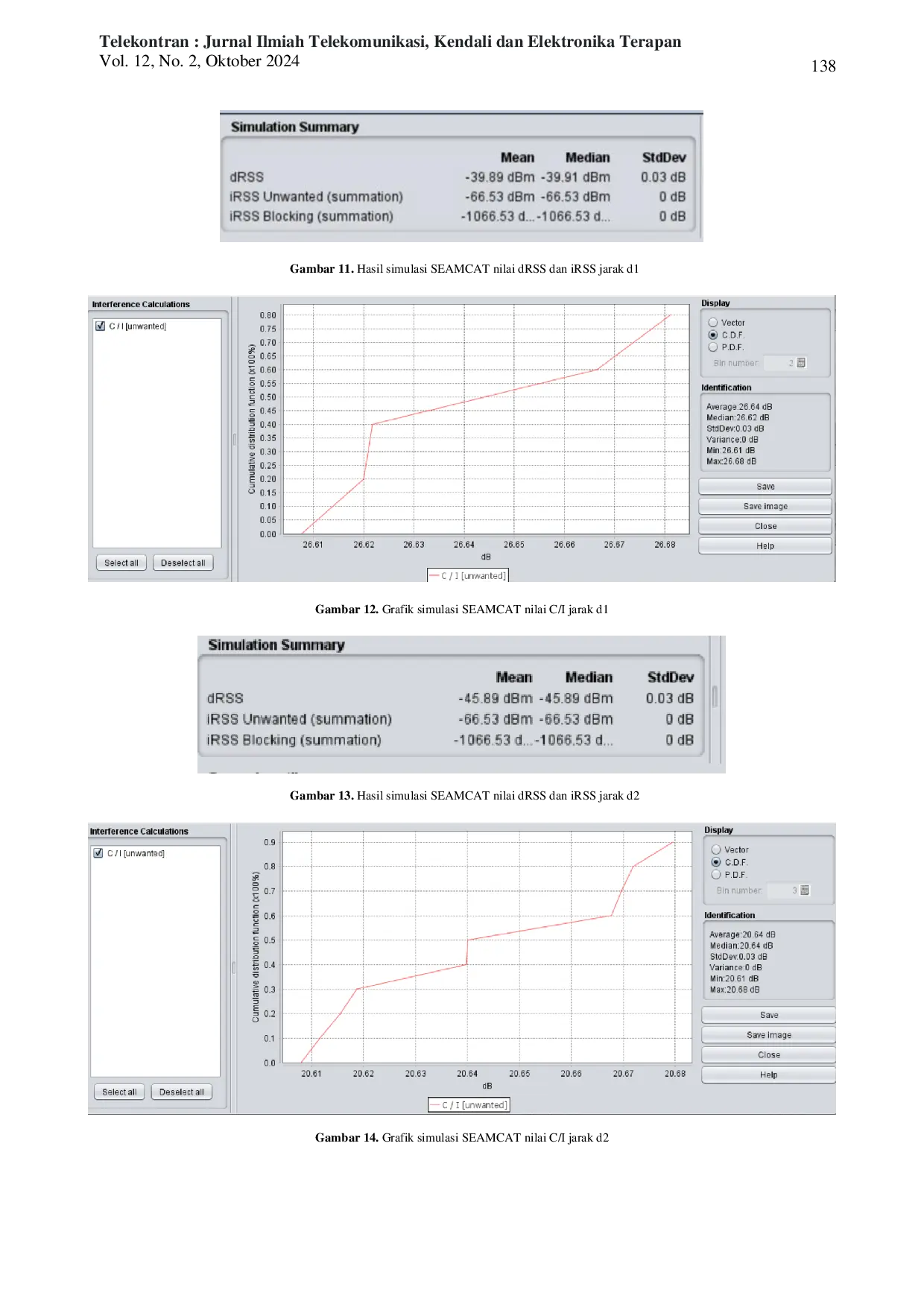
UNIKOMUNIKOM Penelitian ini bertujuan untuk mengidentifikasi faktor-faktor yang mempengaruhi sinyal pancaran localizer dan menghitung potensi interferensi. Metode yangPenelitian ini bertujuan untuk mengidentifikasi faktor-faktor yang mempengaruhi sinyal pancaran localizer dan menghitung potensi interferensi. Metode yang

UNIKOMUNIKOM Kondisi setiap peralatan yang digunakan dalam penerbangan perlu dipastikan selalu dalam keadaan normal dengan melakukan pemeliharaan sesuai prosedur. TingginyaKondisi setiap peralatan yang digunakan dalam penerbangan perlu dipastikan selalu dalam keadaan normal dengan melakukan pemeliharaan sesuai prosedur. Tingginya

UNIKOMUNIKOM Hasil analisis mengindikasikan bahwa peningkatan panjang gelombang (1310–1450 nm) meningkatkan SNR dan menurunkan BER, sehingga performansi transmisiHasil analisis mengindikasikan bahwa peningkatan panjang gelombang (1310–1450 nm) meningkatkan SNR dan menurunkan BER, sehingga performansi transmisi
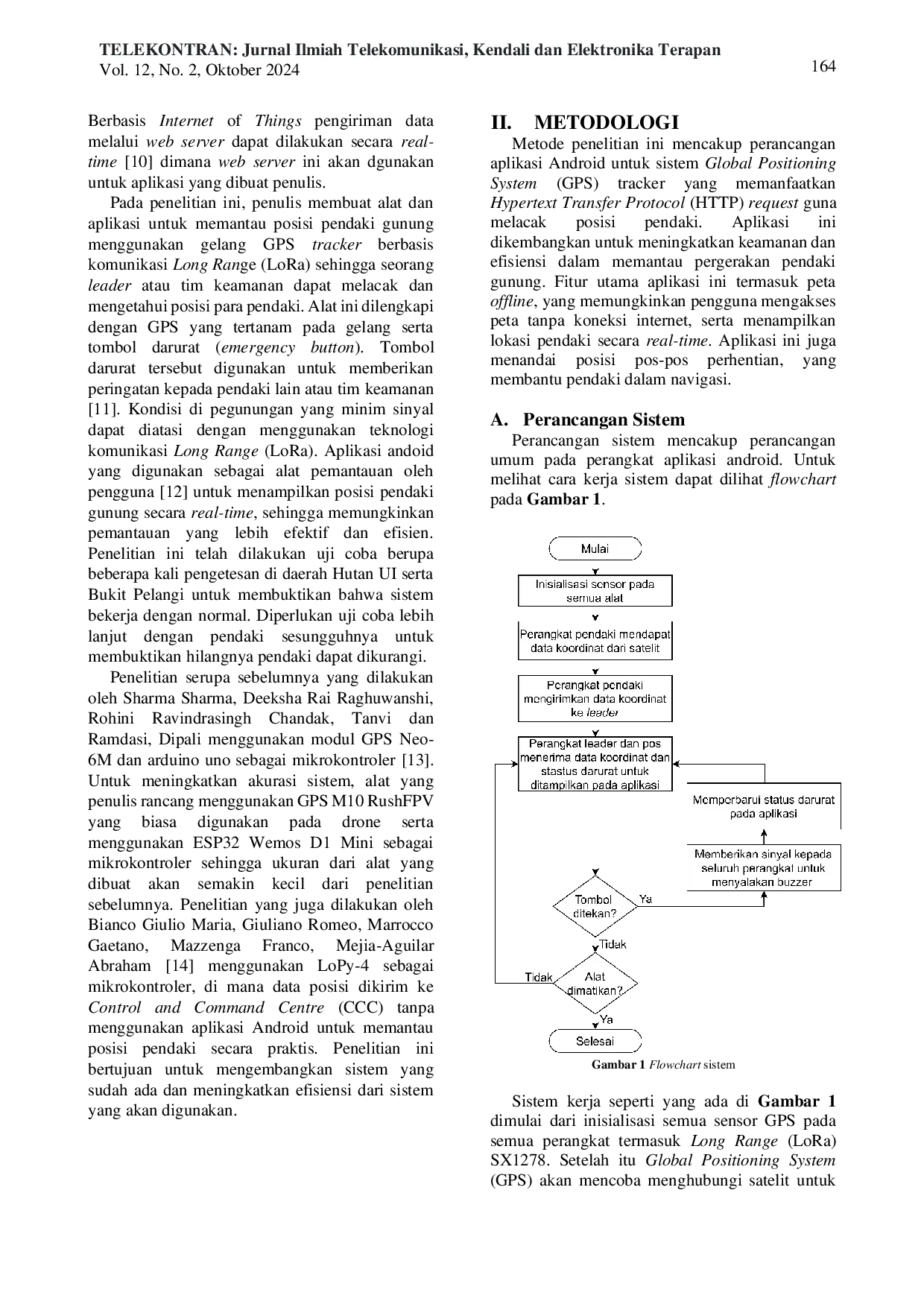
UNIKOMUNIKOM Penelitian ini berhasil merancang dan mengimplementasikan sistem pelacakan GPS berbasis LoRa untuk meningkatkan keamanan pendaki gunung. Sistem ini mampuPenelitian ini berhasil merancang dan mengimplementasikan sistem pelacakan GPS berbasis LoRa untuk meningkatkan keamanan pendaki gunung. Sistem ini mampu
Useful /

STAIKUSTAIKU Hasil: Semua dimensi keadilan lingkungan terwujud melalui distribusi fasilitas hijau yang relatif merata, partisipasi kolektif dalam pengelolaan drainaseHasil: Semua dimensi keadilan lingkungan terwujud melalui distribusi fasilitas hijau yang relatif merata, partisipasi kolektif dalam pengelolaan drainase

STAIKUSTAIKU Tujuan: Penelitian ini bertujuan mengembangkan Modul Integratif Clapreneur berbasis tauhid, menguji validitas dan kelayakan modul, serta menentukan efektivitasTujuan: Penelitian ini bertujuan mengembangkan Modul Integratif Clapreneur berbasis tauhid, menguji validitas dan kelayakan modul, serta menentukan efektivitas

UNIMAUNIMA Tujuan penelitian ini yakni menguji penerapan Green Accounting dalam mengeksplorasi kinerja keuangan perusahaan manufaktur di Indonesia dengan mempertimbangkanTujuan penelitian ini yakni menguji penerapan Green Accounting dalam mengeksplorasi kinerja keuangan perusahaan manufaktur di Indonesia dengan mempertimbangkan

JAYABAYAJAYABAYA Penelitian ini menyimpulkan bahwa penerapan pergeseran beban pembuktian dalam kasus korupsi di Indonesia belum dilakukan dan terdapat ketidakjelasan sertaPenelitian ini menyimpulkan bahwa penerapan pergeseran beban pembuktian dalam kasus korupsi di Indonesia belum dilakukan dan terdapat ketidakjelasan serta