JRTPPIJRTPPI
Jurnal Riset Teknologi Pencegahan Pencemaran IndustriJurnal Riset Teknologi Pencegahan Pencemaran IndustriPellets iron concentrate are formed from fine particles in the form of iron ore concentrate or iron sand after the ore has undergone the agglomeration stage and taken the shape of tiny, marble-like lumps. Iron pellets are also an important raw element in the steelmaking process. The physical, chemical, and metallurgical standards for iron pellet quality vary depending on the specific processing method used to create the pellets. The purpose of this research is to make iron pellets using iron sand derived from zircon sand processing byproducts by adding binders. There are three primary phases in the production of iron pellets, Mixing of iron pellet materials, the second balling process and the third induration process. Materials needed to make iron pellets include water, binder, and iron ore/sand. Typically, bentonite, limestone, and/or similar compounds are used as binder. However, in this study kaolin was used as a substitute for commercial binders with variations of (5; 10; 15 and 20%) binder. Based on the test results kaolin greatly affects the hardness of iron pellets. This can be seen from the results of the Compression Strength Test an average of 107.8 to 156.9 N/Pellet or the equivalent of 11 to 16 Kg/Pellet and the results of the drop test pellets broke at a height of 3 - 4 meters. This indicates that the pellets contain good qualities and exhibit resistance to impacts or mechanical pressure that may arise during transportation or utilization.
The research concludes that the addition of kaolin as a binder significantly impacts the hardness of iron pellets, as evidenced by compression strength tests ranging from 107.Drop tests revealed that the pellets fractured at a height of 3-4 meters, indicating good quality and resistance to mechanical stress during handling and transport.These findings demonstrate the potential of kaolin as a viable substitute for commercial binders in iron pellet production.
Penelitian lebih lanjut dapat dilakukan untuk mengoptimalkan proporsi kaolin sebagai pengikat, dengan mempertimbangkan jenis iron sand yang berbeda untuk mencapai kekuatan dan stabilitas pellet yang optimal. Studi komparatif perlu dilakukan untuk mengevaluasi kinerja pellet yang dihasilkan dengan kaolin dibandingkan dengan pellet yang menggunakan pengikat komersial seperti bentonit atau limestone, dengan fokus pada efisiensi biaya dan dampak lingkungan. Selain itu, penelitian dapat diperluas untuk menguji pengaruh variasi suhu dan waktu indurasi terhadap karakteristik fisik dan mekanik pellet, serta potensi penggunaan aditif lain untuk meningkatkan kualitas pellet secara keseluruhan, sehingga dapat memberikan kontribusi signifikan dalam meningkatkan efisiensi dan keberlanjutan industri baja.
| File size | 487.66 KB |
| Pages | 11 |
| DMCA | Report |
Related /
INTELEKMADANIINTELEKMADANI Ekstrak diperoleh melalui ekstraksi air dengan sonikasi dan distandardisasi menggunakan spektrofotometri dan ELISA untuk memastikan keberadaan senyawaEkstrak diperoleh melalui ekstraksi air dengan sonikasi dan distandardisasi menggunakan spektrofotometri dan ELISA untuk memastikan keberadaan senyawa
POLINELAPOLINELA , 2020). Seiring meningkatnya kesadaran masyarakat Indonesia akan produk yang aman dari bahan kimia, permintaan terhadap hasil pertanian organik juga terus, 2020). Seiring meningkatnya kesadaran masyarakat Indonesia akan produk yang aman dari bahan kimia, permintaan terhadap hasil pertanian organik juga terus
UM SURABAYAUM SURABAYA Dengan demikian, penelitian ini membuktikan bahwa kombinasi material lokal pasir besi dan pasir pantai berpotensi sebagai agregat halus alternatif padaDengan demikian, penelitian ini membuktikan bahwa kombinasi material lokal pasir besi dan pasir pantai berpotensi sebagai agregat halus alternatif pada
STIKES ISFISTIKES ISFI Komorbiditas serta kontrol gula darah yang buruk berkontribusi meningkatkan biaya medis langsung dan penurunan kualitas hidup. Penelitian ini bertujuanKomorbiditas serta kontrol gula darah yang buruk berkontribusi meningkatkan biaya medis langsung dan penurunan kualitas hidup. Penelitian ini bertujuan
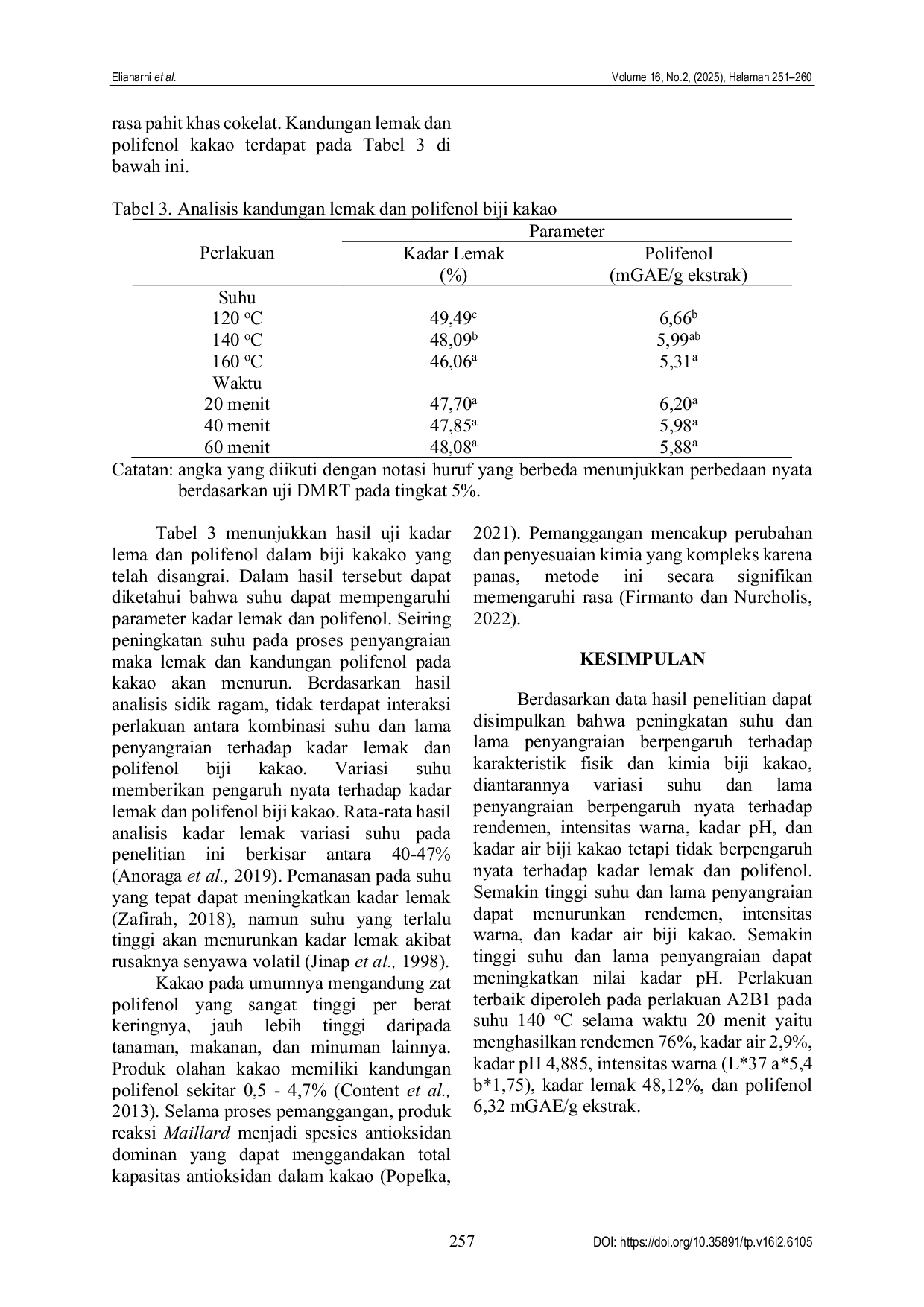
UYPUYP Kakao merupakan salah satu komoditas unggulan yang dimiliki oleh Sumbermanjing Wetan, Malang, Jawa Timur, Indonesia. Pada penelitian ini hanya menggunakanKakao merupakan salah satu komoditas unggulan yang dimiliki oleh Sumbermanjing Wetan, Malang, Jawa Timur, Indonesia. Pada penelitian ini hanya menggunakan
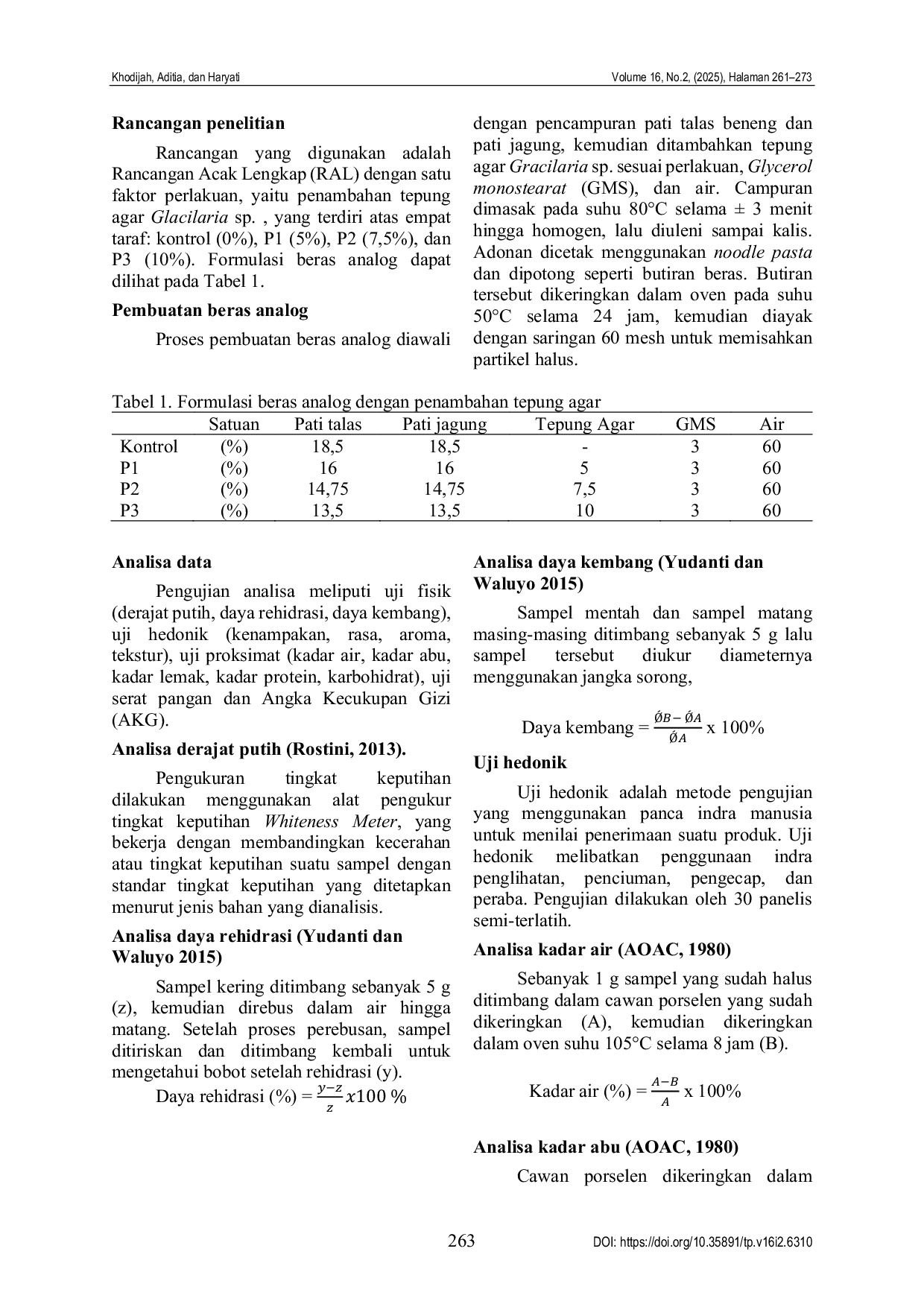
UYPUYP Konsentrasi terbaik substitusi tepung agar Gracilaria sp. Beras analog terbaik menunjukkan nilai derajat putih 31,2%, daya rehidrasi 107%, dan daya kembangKonsentrasi terbaik substitusi tepung agar Gracilaria sp. Beras analog terbaik menunjukkan nilai derajat putih 31,2%, daya rehidrasi 107%, dan daya kembang

UYPUYP Penelitian ini bertujuan untuk menentukan konsentrasi terbaik substitusi tepung tulang ikan tongkol dan karakteristik crackers roll. Crackers roll denganPenelitian ini bertujuan untuk menentukan konsentrasi terbaik substitusi tepung tulang ikan tongkol dan karakteristik crackers roll. Crackers roll dengan
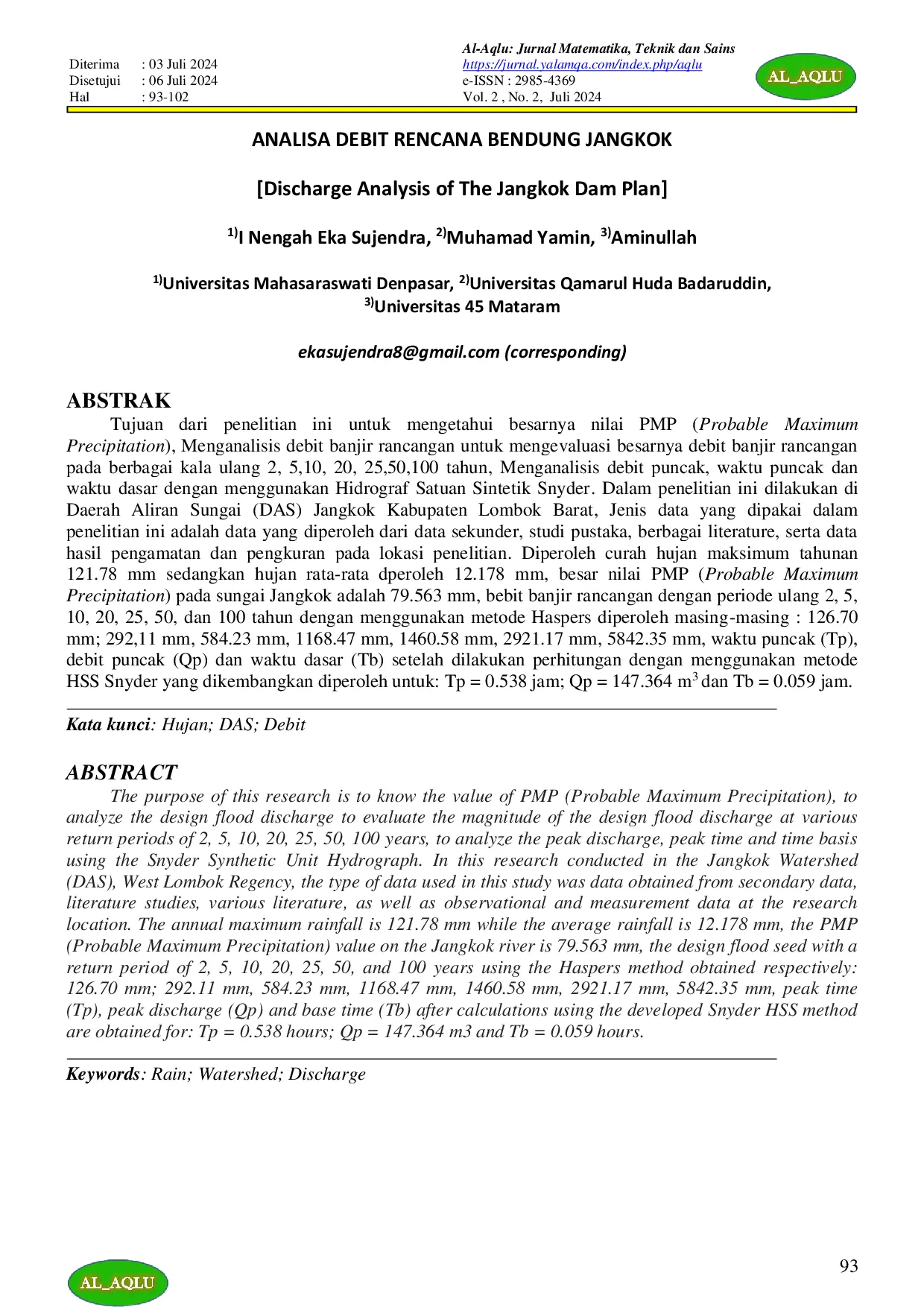
YALAMQAYALAMQA 538 jam; Qp = 147.364 m3 dan Tb = 0. 059 jam. Analisis menunjukkan curah hujan maksimum tahunan di DAS Jangkok sebesar 121,78 mm dengan rata‑rata 12,178 mm,538 jam; Qp = 147.364 m3 dan Tb = 0. 059 jam. Analisis menunjukkan curah hujan maksimum tahunan di DAS Jangkok sebesar 121,78 mm dengan rata‑rata 12,178 mm,
Useful /
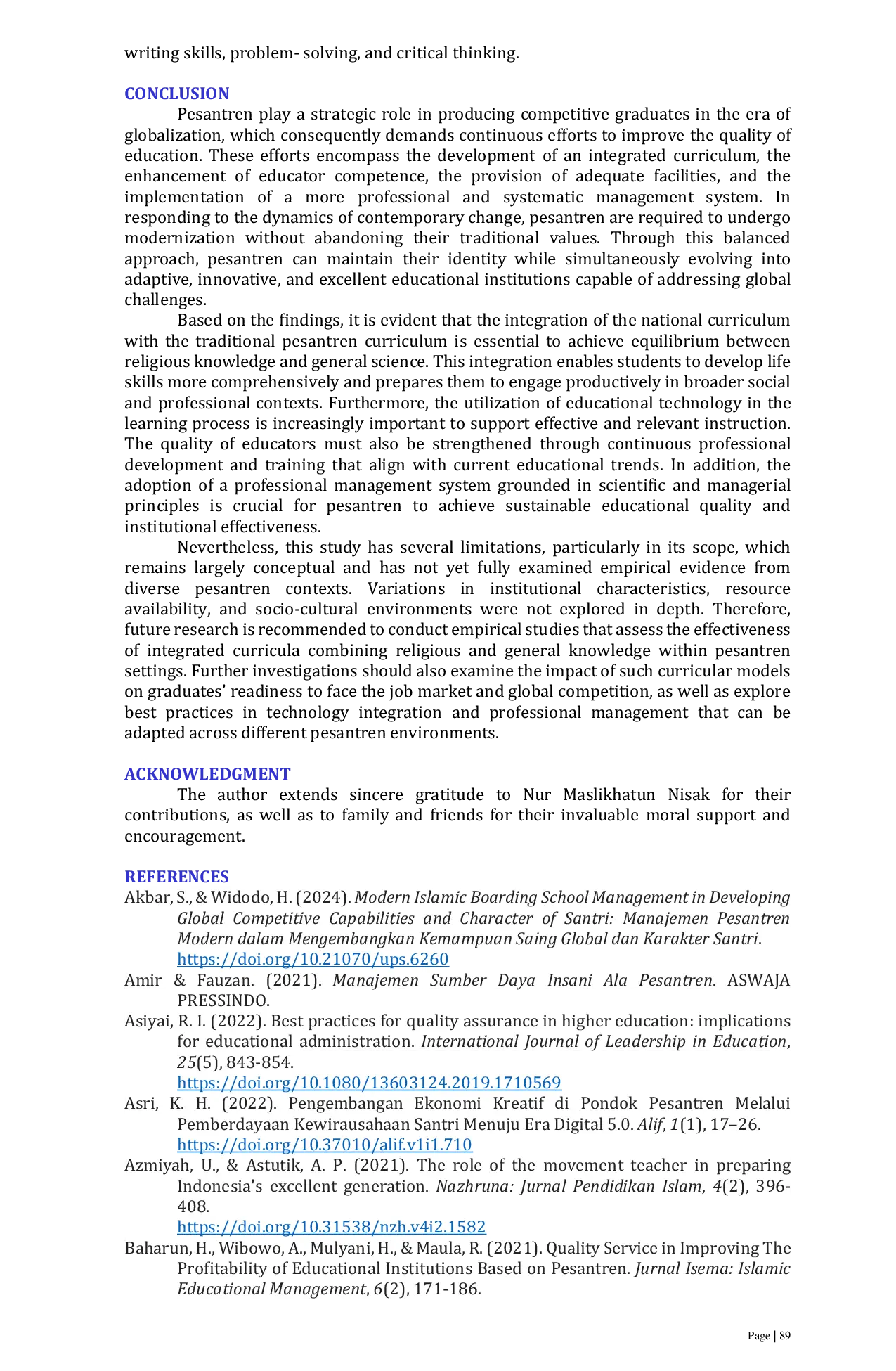
STAIMUNSTAIMUN These efforts encompass the development of an integrated curriculum, the improvement of educator competence, the provision of adequate facilities, andThese efforts encompass the development of an integrated curriculum, the improvement of educator competence, the provision of adequate facilities, and
STAIMUNSTAIMUN Metode penelitian yang digunakan merupakan pendekatan deskriptif dengan observasi lapangan langsung dan wawancara kepada pengelola laboratorium. TeknikMetode penelitian yang digunakan merupakan pendekatan deskriptif dengan observasi lapangan langsung dan wawancara kepada pengelola laboratorium. Teknik

POLINELAPOLINELA Faktor pertama adalah inokulasi Mikoriza Arbuskula dan Azospirillum lipoferum (M) terdiri dari 4 aras yaitu m0 (tanpa inokulasi), m1 (inokulasi MikorizaFaktor pertama adalah inokulasi Mikoriza Arbuskula dan Azospirillum lipoferum (M) terdiri dari 4 aras yaitu m0 (tanpa inokulasi), m1 (inokulasi Mikoriza
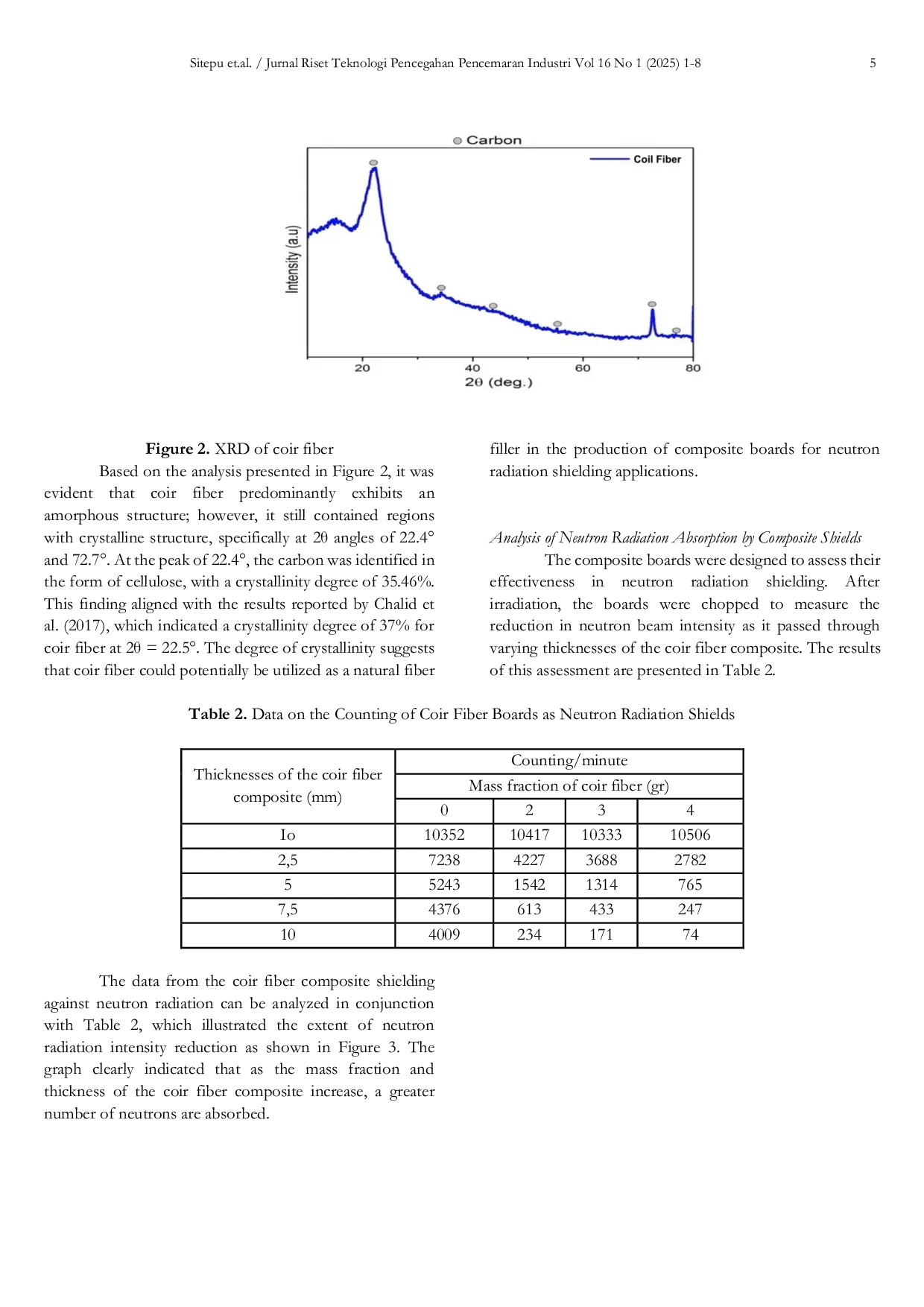
JRTPPIJRTPPI 3% with linear attenuation coefficient (µ) for each coil fiber fraction is 3. The greater the mass fraction of coir fiber in the radiation shield, the3% with linear attenuation coefficient (µ) for each coil fiber fraction is 3. The greater the mass fraction of coir fiber in the radiation shield, the