DINASTIRESDINASTIRES
Journal of Law, Politic and HumanitiesJournal of Law, Politic and HumanitiesThe Mandatory green building certification has emerged as a central policy tool to advance sustainable development and reduce the environmental impacts of the construction sector, yet in Indonesia, it operates within a hybrid regulatory framework that combines statutory rules with non-state technical standards. This study examines whether such mandatory certification is legally sound, economically rational, and proportionate in relation to the burdens it imposes on regulated actors. Using a juridical–economic approach, the research integrates doctrinal legal analysis with public policy economics by examining national statutes, ministerial and regional regulations, and private certification standards, alongside academic literature and international policy reports. The analysis is conducted qualitatively through legal interpretation, cost–benefit reasoning, and a proportionality test based on the criteria of legitimate aim, suitability, necessity, and proportionality stricto sensu. The findings show that mandatory green building certification clearly pursues a legitimate public objective, environmental protection and sustainable development, but its implementation raises concerns about legal certainty and distributive justice. Reliance on non-state standards without explicit statutory delegation creates normative ambiguity, while significant upfront compliance costs for design, technology, and certification disproportionately affect small and medium-sized enterprises. As a result, the policy satisfies the requirement of a legitimate aim but does not fully meet the elements of necessity and proportionality in the strict sense, since it is not always the least restrictive or most balanced means of achieving environmental goals. The studys novelty lies in its integrated legal–economic assessment of green building certification through the principle of proportionality, offering a holistic framework that evaluates environmental regulation not only as a matter of legal validity but also as an instrument of economic rationality and fair burden-sharing in public policy.
The analysis affirms that mandatory green building certification in Indonesia serves a legitimate aim of promoting environmental protection.However, the policy does not fully meet the elements of necessity and proportionality in the strict sense, as it is not always the least restrictive or most balanced instrument for achieving environmental objectives.Adjustments are needed to enhance legal coherence and economic rationality, potentially through incorporating mechanisms that mitigate economic burdens while enhancing compliance.This would align the policy with both environmental goals and the economic realities facing regulated entities.
Further research should investigate the effectiveness of various incentive mechanisms, such as tax breaks or subsidies, in encouraging voluntary adoption of green building practices among SMEs, addressing the financial barriers identified in this study. Additionally, a comparative analysis of green building certification schemes across different Indonesian regions could reveal best practices and inform the development of more harmonized national standards, reducing legal uncertainty. Finally, future studies could explore the long-term economic benefits of green buildings, including reduced operational costs and increased property values, to better quantify the return on investment for developers and building owners, thereby strengthening the economic rationale for sustainable construction practices.
- The Green Building Development and Assessment Method – Energy and Cost Analysis in China | Highlights... drpress.org/ojs/index.php/HSET/article/view/4534The Green Building Development and Assessment Method Ae Energy and Cost Analysis in China Highlights drpress ojs index php HSET article view 4534
- jgb. jgb need enable javascript run app doi.org/10.3992/jgb.17.3.259jgb jgb need enable javascript run app doi 10 3992 jgb 17 3 259
- The Dilemma of Partnership in the Perspective of Competition Law | Atlantis Press. dilemma partnership... doi.org/10.2991/assehr.k.220204.029The Dilemma of Partnership in the Perspective of Competition Law Atlantis Press dilemma partnership doi 10 2991 assehr k 220204 029
- The International Journal of Business Review (The Jobs Review). journal business review jobs accredited... doi.org/10.17509/tjr.v6i1.55454The International Journal of Business Review The Jobs Review journal business review jobs accredited doi 10 17509 tjr v6i1 55454
| File size | 361.08 KB |
| Pages | 13 |
| DMCA | Report |
Related /

UMBIMAUMBIMA Hal ini juga dibuktikan dengan nilai safety factor PC-I Girder terhadap momen yaitu 1,141 dan terhadap geser yaitu 3,59 yang sesuai kebutuhan, dibandingHal ini juga dibuktikan dengan nilai safety factor PC-I Girder terhadap momen yaitu 1,141 dan terhadap geser yaitu 3,59 yang sesuai kebutuhan, dibanding

STIAMISTIAMI Hasil penelitian menunjukkan bahwa strategi mitigasi *Green Building* memberikan kontribusi signifikan dalam mengurangi emisi GRK. Terdapat beberapa faktorHasil penelitian menunjukkan bahwa strategi mitigasi *Green Building* memberikan kontribusi signifikan dalam mengurangi emisi GRK. Terdapat beberapa faktor

STIAMISTIAMI Untuk itu, peneliti menganalisis data tahunan pada periode 1995 sampai 2014 dengan menggunakan model FEM. Hasil dari penelitian ini menunjukkan hubunganUntuk itu, peneliti menganalisis data tahunan pada periode 1995 sampai 2014 dengan menggunakan model FEM. Hasil dari penelitian ini menunjukkan hubungan
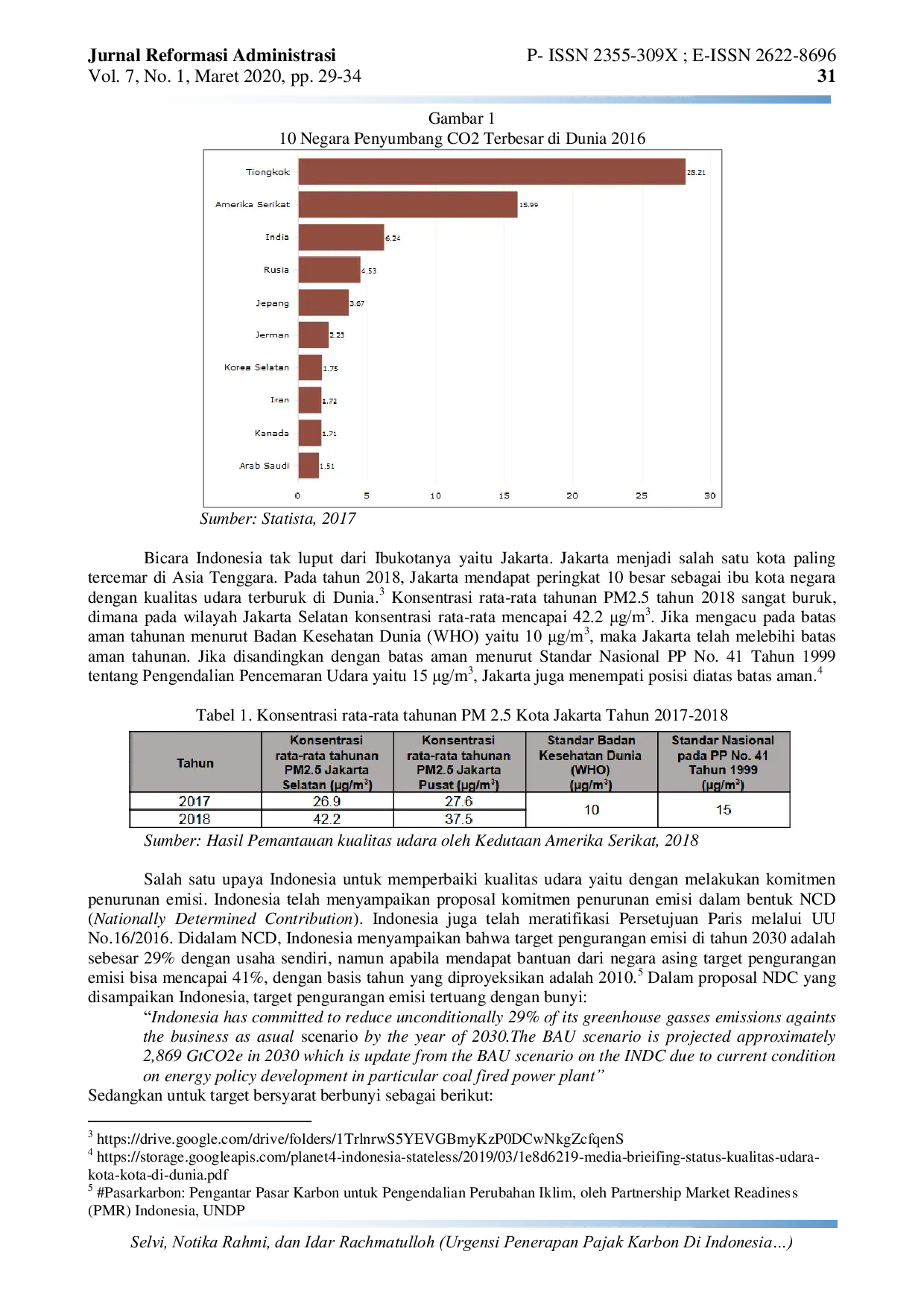
STIAMISTIAMI Penerapan pajak karbon dapat membantu Indonesia mencapai target pengurangan emisi internasional serta mengurangi ketergantungan pada bahan bakar fosilPenerapan pajak karbon dapat membantu Indonesia mencapai target pengurangan emisi internasional serta mengurangi ketergantungan pada bahan bakar fosil

STIAMISTIAMI Selain itu, Pemerintah dapat menggunakan pajak karbon untuk mendanai pembangunan berkelanjutan untuk mencapai target Perjanjian Paris. Karbon dioksidaSelain itu, Pemerintah dapat menggunakan pajak karbon untuk mendanai pembangunan berkelanjutan untuk mencapai target Perjanjian Paris. Karbon dioksida

STIAMISTIAMI diperlukan kesadaran dari masyarakat dunia termasuk juga Indonesia untuk mencegah peningkatan kerusakan dan menjaga keseimbangan lingkungan dengan berpegangdiperlukan kesadaran dari masyarakat dunia termasuk juga Indonesia untuk mencegah peningkatan kerusakan dan menjaga keseimbangan lingkungan dengan berpegang
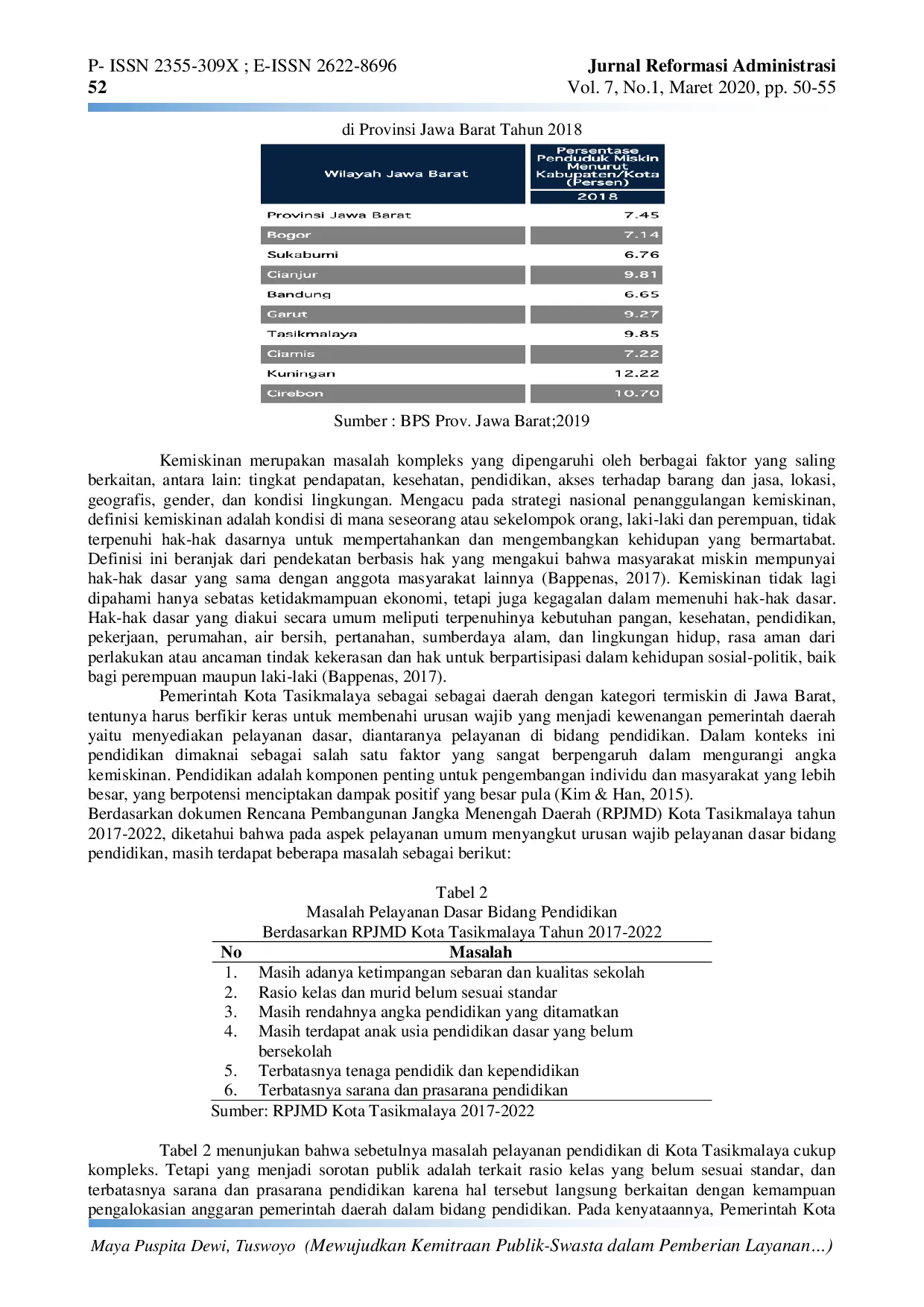
STIAMISTIAMI Tujuan studi ini adalah untuk mengeksplorasi perspektif pemangku kepentingan terhadap adopsi kebijakan kemitraan publik-swasta (KPS) dalam penyediaan layananTujuan studi ini adalah untuk mengeksplorasi perspektif pemangku kepentingan terhadap adopsi kebijakan kemitraan publik-swasta (KPS) dalam penyediaan layanan

STIAMISTIAMI Penegakan hukum lingkungan hidup masih sulit dilakukan karena kesulitan dalam membuktikan kerusakan lingkungan dan menentukan kriteria standar kerusakan.Penegakan hukum lingkungan hidup masih sulit dilakukan karena kesulitan dalam membuktikan kerusakan lingkungan dan menentukan kriteria standar kerusakan.
Useful /
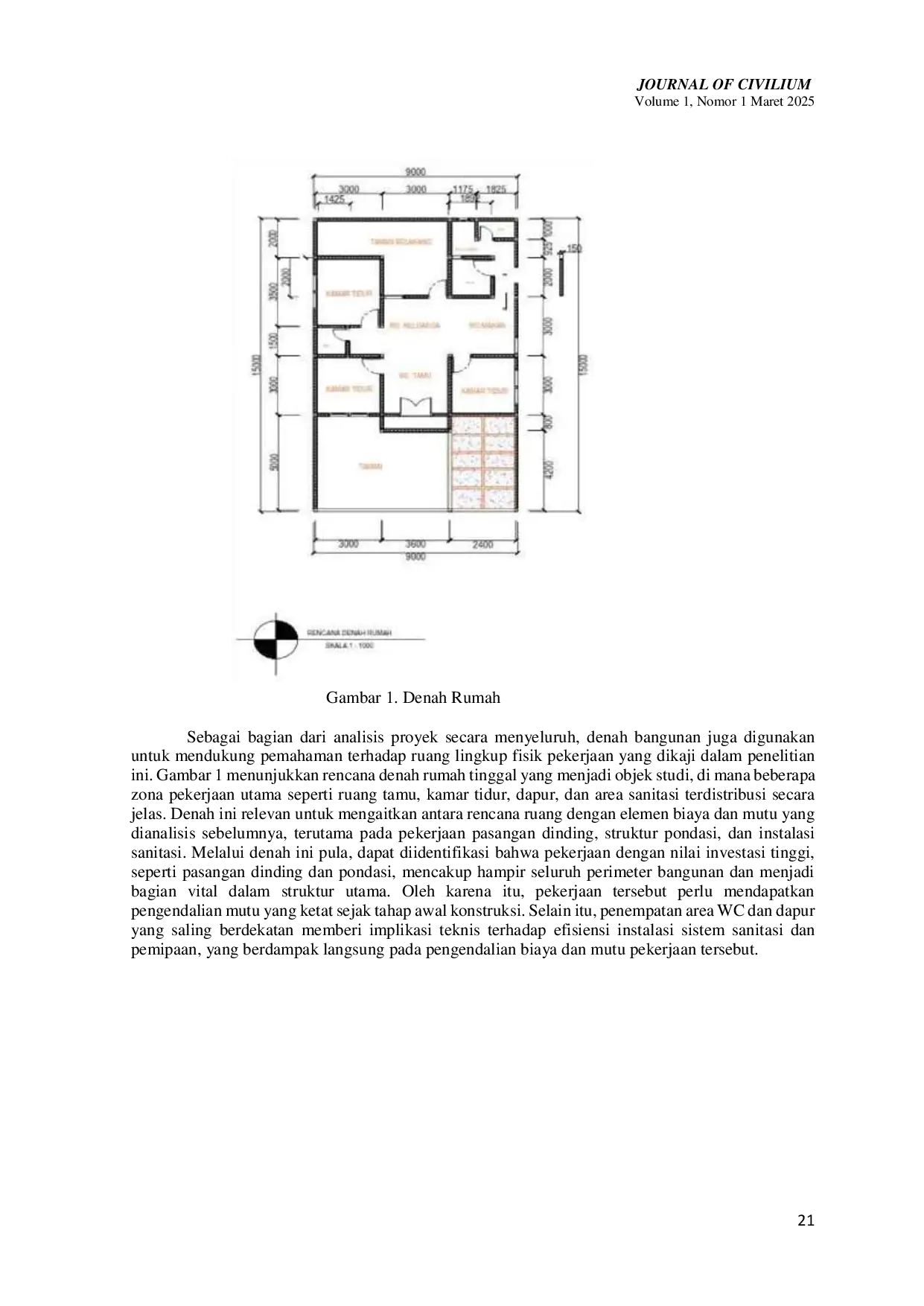
UMBIMAUMBIMA Permasalahan utama dalam proyek konstruksi sering kali disebabkan oleh lemahnya koordinasi antara aspek biaya dan mutu, yang berujung pada pembengkakanPermasalahan utama dalam proyek konstruksi sering kali disebabkan oleh lemahnya koordinasi antara aspek biaya dan mutu, yang berujung pada pembengkakan
STAI MUSADDADIYAHSTAI MUSADDADIYAH Tergolong BayAs-Salam dalam tinjauan hukum Islam jual beli akun game online mobile legends di Kabupaten Garut, dimana pembeli membayar terlebih dahuluTergolong BayAs-Salam dalam tinjauan hukum Islam jual beli akun game online mobile legends di Kabupaten Garut, dimana pembeli membayar terlebih dahulu

STAI MUSADDADIYAHSTAI MUSADDADIYAH Berdasarkan hasil uji t pengaruh variabel x terhadap y sebesar 0,348 yang artinya lebih kecil dari 0,05. Maka variabel x tidak berpengaruh secara signifikanBerdasarkan hasil uji t pengaruh variabel x terhadap y sebesar 0,348 yang artinya lebih kecil dari 0,05. Maka variabel x tidak berpengaruh secara signifikan

STAI MUSADDADIYAHSTAI MUSADDADIYAH Hipotesis ini menjelaskan bawah mempunyai pengaruh secara simultan terhadap Kepuasaan Masyarakat diterima. Berdasarkan hasil analisis, riset ini dapatHipotesis ini menjelaskan bawah mempunyai pengaruh secara simultan terhadap Kepuasaan Masyarakat diterima. Berdasarkan hasil analisis, riset ini dapat