IAESCOREIAESCORE
International Journal of Electrical and Computer Engineering (IJECE)International Journal of Electrical and Computer Engineering (IJECE)This study experimentally investigates the performance of bifacial photovoltaic (bPV) modules under vertical and tilted orientations in a tropical region. Related studies are reviewed, then performance metrics including solar radiation, module temperature, bifaciality gain, and energy yield were monitored and analyzed over a specified period. The aim is to determine the optimal orientation for maximizing output power generation, temperature module, and understanding the bifaciality factor through real-world conditions. The experimental setup consisted of three different bifacial photovoltaic module configurations: two vertically mounted with facing East-West (E/W) and North-South (N/S) respectively, while the third was tilted 15 facing North. The study findings revealed that the tilted orientation produced the highest energy yield of 1951 Wh, followed by the vertical East-West (E/W) and vertical North-South (N/S) orientations with 1504 Wh and 609 Wh, respectively. While tilted bPV module benefit from higher irradiance, they also experience elevated temperatures (39% above ambient) compared to vertically bPV modules (8-21%). This can negatively affect efficiency, especially during peak solar hours. The results also show that differences in bPV installation orientation affect the bifaciality factor and gain. These findings offer valuable guidance for optimizing bPV system design and deployment in tropical regions with low latitude, supporting sustainable energy solutions.
The study revealed that the tilted orientation yielded the highest energy yield (1951 Wh), followed by vertical East-West (1504 Wh) and vertical North-South (609 Wh) orientations.Tilted modules experienced higher temperatures (39% above ambient) compared to vertical modules (8-21%), potentially impacting efficiency.These findings provide valuable guidance for optimizing bifacial PV system design and deployment in tropical regions, supporting sustainable energy solutions.
Berdasarkan hasil penelitian, beberapa saran penelitian lanjutan dapat diajukan untuk lebih memahami dan mengoptimalkan kinerja modul bifacial PV di wilayah tropis. Pertama, penelitian dapat difokuskan pada analisis pengaruh material reflektif yang berbeda pada lantai terhadap peningkatan energi yang dihasilkan oleh modul bifacial PV, dengan mempertimbangkan biaya dan keberlanjutan material. Kedua, studi komparatif antara berbagai sistem pelacakan (tracking system) otomatis dengan modul bifacial PV dapat dilakukan untuk mengidentifikasi sistem yang paling efektif dalam memaksimalkan penyerapan energi sepanjang tahun, terutama dengan mempertimbangkan variasi sudut datang matahari. Ketiga, penelitian dapat mengeksplorasi integrasi modul bifacial PV dengan sistem penyimpanan energi (energy storage system) untuk meningkatkan keandalan dan efisiensi sistem secara keseluruhan, serta mengurangi ketergantungan pada jaringan listrik.
| File size | 685.2 KB |
| Pages | 12 |
| DMCA | Report |
Related /
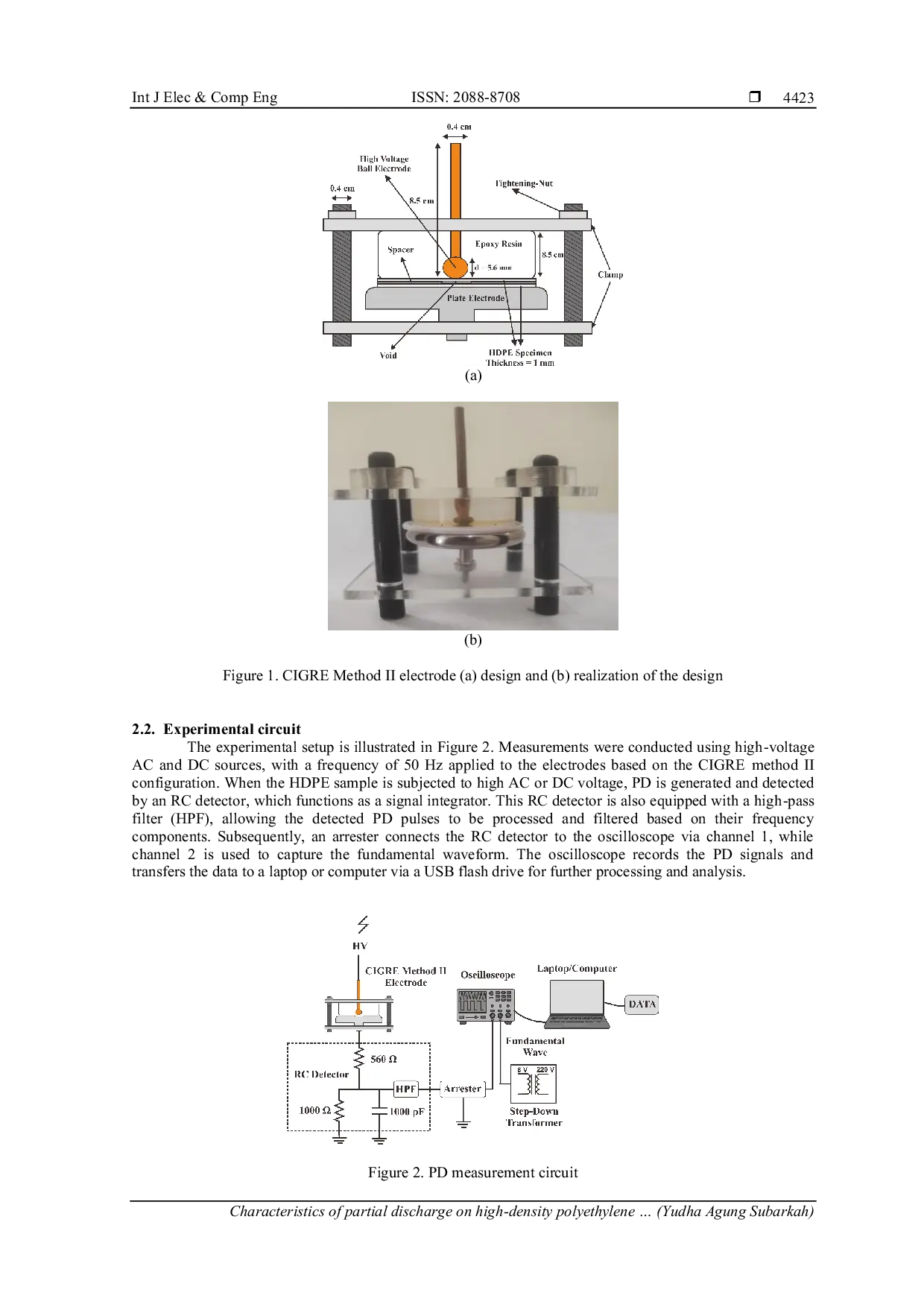
IAESCOREIAESCORE The objective is to analyze PD behavior in HDPE cable insulation containing cavity-type defects under alternating current (AC) and direct current (DC).The objective is to analyze PD behavior in HDPE cable insulation containing cavity-type defects under alternating current (AC) and direct current (DC).
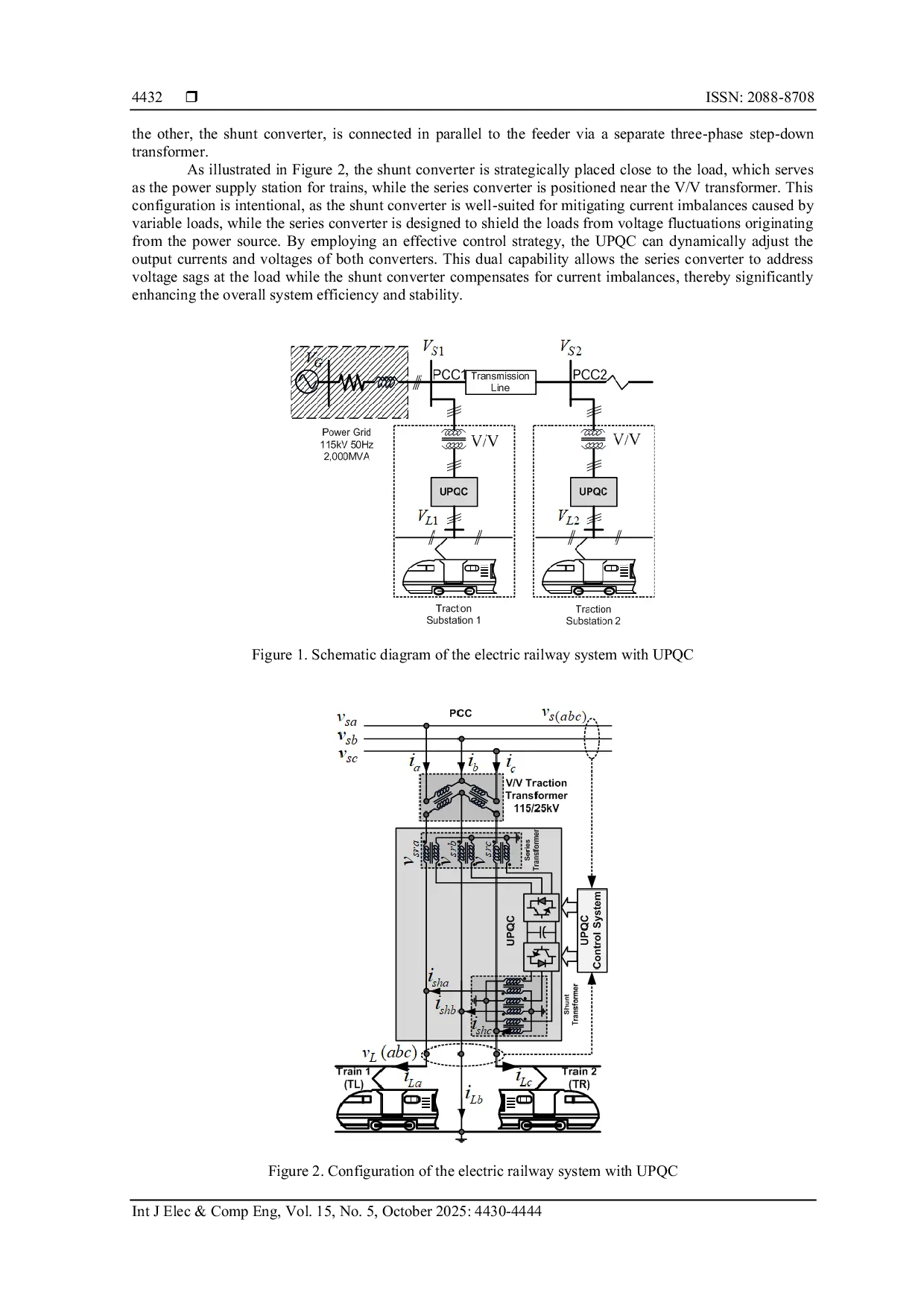
IAESCOREIAESCORE 89% across all test scenarios. Additionally, the UPQC successfully maintains a load bus voltage of 25 kV during single-phase-to-ground and unbalanced three-phase-to-ground89% across all test scenarios. Additionally, the UPQC successfully maintains a load bus voltage of 25 kV during single-phase-to-ground and unbalanced three-phase-to-ground

IAESCOREIAESCORE Oleh karena itu, penelitian ini penting untuk mengisi kesenjangan tersebut dengan menganalisis karakteristik PD menggunakan sistem elektroda jarum-bidangOleh karena itu, penelitian ini penting untuk mengisi kesenjangan tersebut dengan menganalisis karakteristik PD menggunakan sistem elektroda jarum-bidang
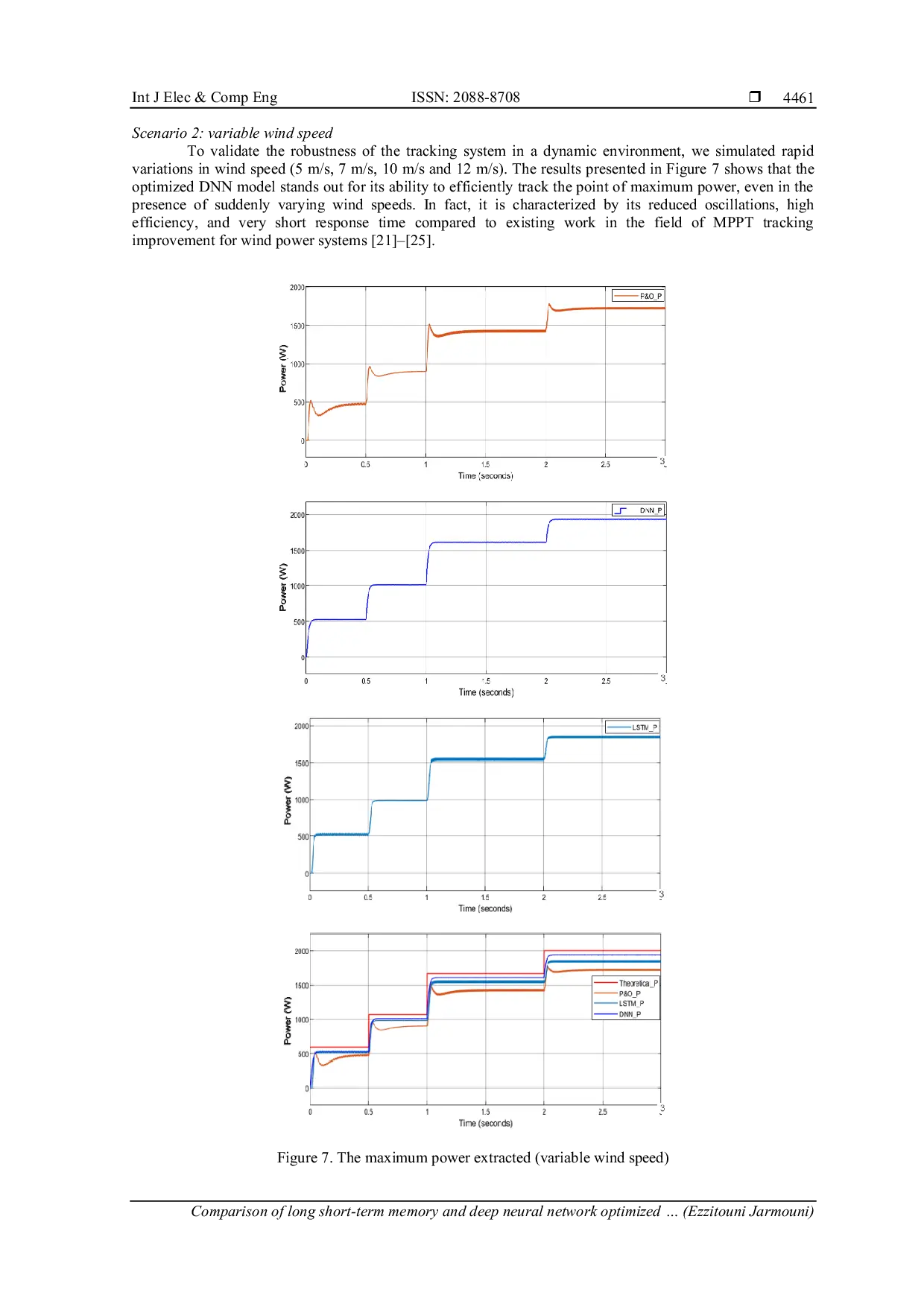
IAESCOREIAESCORE The optimized architecture of the DNN, with a reduced number of layers and neurons, facilitates its implementation in embedded systems, making it a practicalThe optimized architecture of the DNN, with a reduced number of layers and neurons, facilitates its implementation in embedded systems, making it a practical

IAESCOREIAESCORE It accommodates both AC and DC fast charging options to meet diverse vehicle requirements. The design considers available space, energy generation potential,It accommodates both AC and DC fast charging options to meet diverse vehicle requirements. The design considers available space, energy generation potential,
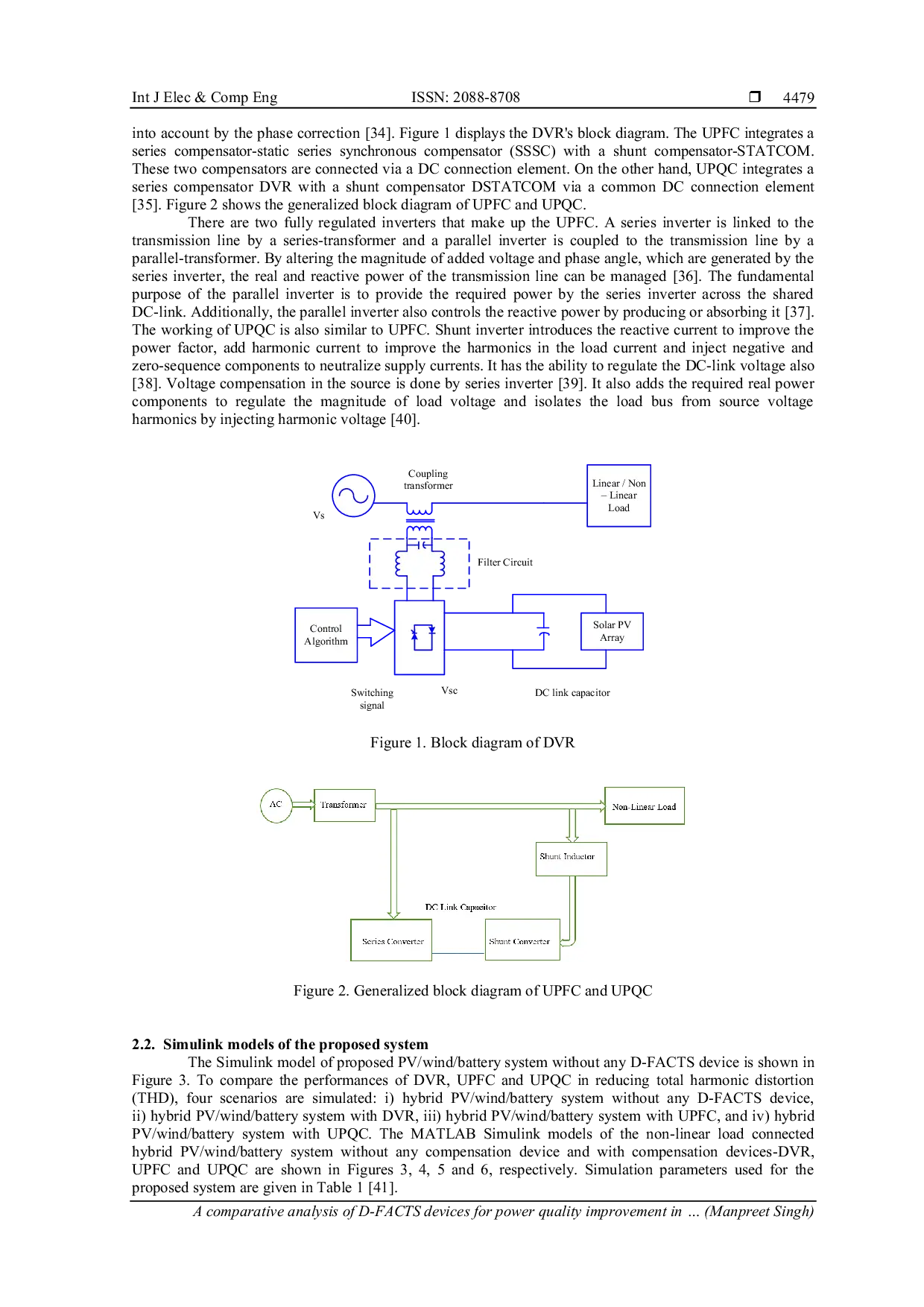
IAESCOREIAESCORE Analisis komparatif hasil menunjukkan bahwa THD pada tegangan berkurang dari 51% menjadi 44,67%, 20,94%, dan 16% setelah penerapan DVR, UPFC, dan UPQCAnalisis komparatif hasil menunjukkan bahwa THD pada tegangan berkurang dari 51% menjadi 44,67%, 20,94%, dan 16% setelah penerapan DVR, UPFC, dan UPQC

IAESCOREIAESCORE The addition of a heat sink to the back of the PV panel enhances convective heat transfer, improving its cooling capability. Heat sinks with bases composedThe addition of a heat sink to the back of the PV panel enhances convective heat transfer, improving its cooling capability. Heat sinks with bases composed

IAESCOREIAESCORE Keunikan metode ini adalah kemampuan untuk memperoleh algoritma kendali dalam bentuk analitis eksplisit, yang menjamin universalitasnya dalam mengaturKeunikan metode ini adalah kemampuan untuk memperoleh algoritma kendali dalam bentuk analitis eksplisit, yang menjamin universalitasnya dalam mengatur
Useful /
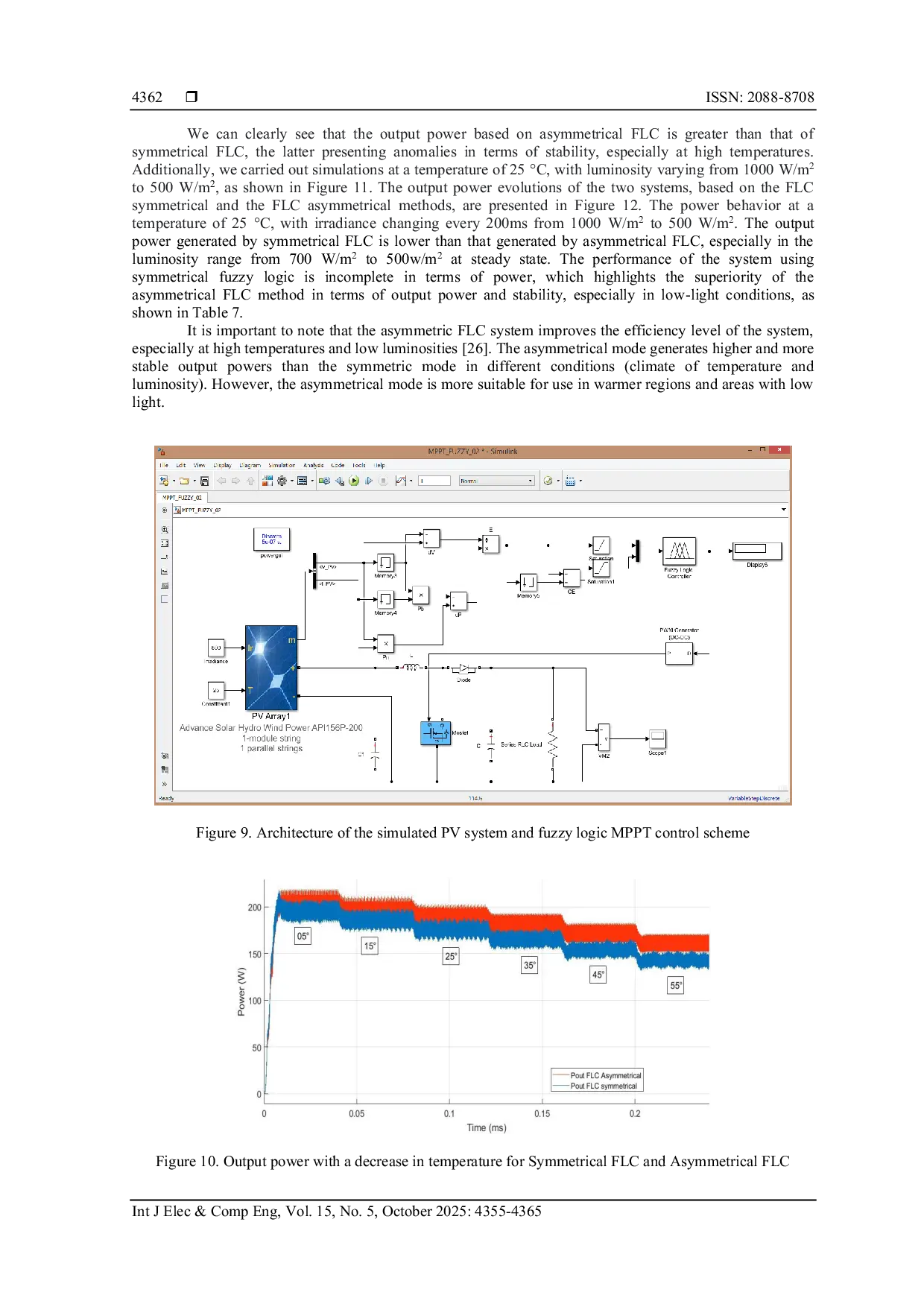
IAESCOREIAESCORE Dalam penelitian ini, kami menyajikan prosedur untuk mengekstrak data dari panel fotovoltaik (PV) mandiri untuk memprogram pengontrol titik daya maksimumDalam penelitian ini, kami menyajikan prosedur untuk mengekstrak data dari panel fotovoltaik (PV) mandiri untuk memprogram pengontrol titik daya maksimum

IAESCOREIAESCORE Lima area aplikasi robotika bantuan diidentifikasi yang bermanfaat bagi anak-anak, orang lanjut usia, memberikan bantuan rumah sakit, membantu orang denganLima area aplikasi robotika bantuan diidentifikasi yang bermanfaat bagi anak-anak, orang lanjut usia, memberikan bantuan rumah sakit, membantu orang dengan
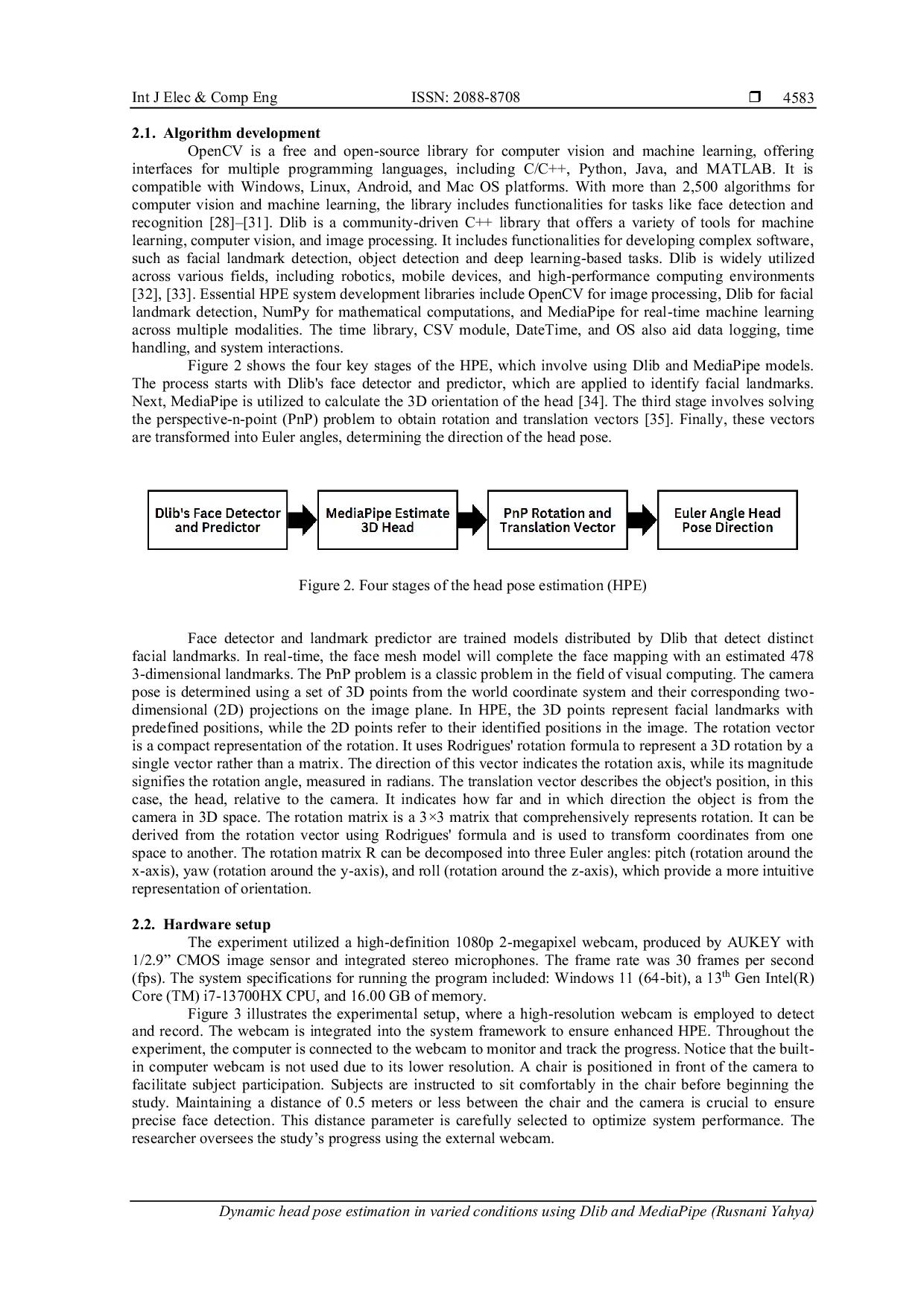
IAESCOREIAESCORE Temuan ini memberikan wawasan berharga tentang efektivitas algoritma yang diusulkan dalam menilai perhatian visual dan menunjukkan potensi aplikasinyaTemuan ini memberikan wawasan berharga tentang efektivitas algoritma yang diusulkan dalam menilai perhatian visual dan menunjukkan potensi aplikasinya

IAESCOREIAESCORE The proposed non-destructive technique offers the benefits of infection control, pain reduction, and minimal operational cum maintenance expenses, allThe proposed non-destructive technique offers the benefits of infection control, pain reduction, and minimal operational cum maintenance expenses, all