IAESCOREIAESCORE
International Journal of Electrical and Computer Engineering (IJECE)International Journal of Electrical and Computer Engineering (IJECE)In recent years, interest in electric railway systems as a transportation solution for large urban areas has grown significantly. This increased attention stems from several key advantages, including environmental friendliness, high performance, reduced maintenance costs, and lower energy expenses. Railway electrification systems rely on supplying power to trains through single-phase transformers. However, these transformers can cause issues such as current imbalances and harmonics at the system connection point, which may impact critical loads. Additionally, fluctuations in source voltage can influence the systems performance. This study examines the causes of unbalanced loading in railway electrification systems and introduces an innovative unified power quality conditioner (UPQC) specifically designed for integration into low-voltage railway electrification systems. The proposed UPQC aims to restore current balance, minimize harmonics, and enhance overall power quality. Furthermore, it addresses the mitigation of voltage sags in the power distribution network. The simulation results generated through MATLAB programming demonstrate the UPQCs effectiveness in enhancing system performance. The findings reveal that the UPQC reduces source current imbalance to less than 1.6% and total harmonic distortion (THD) to below 4.89% across all test scenarios. Additionally, the UPQC successfully maintains a load bus voltage of 25 kV during single-phase-to-ground and unbalanced three-phase-to-ground fault conditions.
This research successfully demonstrates the effectiveness of a Unified Power Quality Conditioner (UPQC) in addressing power quality issues within railway electrification systems.The UPQC effectively mitigates current imbalances, reduces harmonic distortion, and stabilizes voltage levels, thereby enhancing the reliability and efficiency of electric railway operations.The study highlights the UPQCs potential for widespread implementation in railway systems, offering a robust solution for improving power quality and system stability.
Future research should focus on optimizing the UPQC control strategies using advanced artificial intelligence techniques, such as reinforcement learning, to adapt to dynamic load conditions and improve real-time performance. Furthermore, investigating the integration of energy storage systems with the UPQC could enhance its ability to mitigate voltage fluctuations and provide ride-through capability during grid disturbances. Finally, a comprehensive cost-benefit analysis should be conducted to assess the economic feasibility of UPQC implementation in various railway electrification scenarios, considering factors such as installation costs, maintenance requirements, and energy savings, to facilitate wider adoption and promote sustainable transportation solutions. These investigations will contribute to the development of more resilient and efficient railway electrification systems, ultimately enhancing the reliability and sustainability of public transportation networks.
| File size | 3.2 MB |
| Pages | 15 |
| DMCA | Report |
Related /

IAESCOREIAESCORE Specifically, the PD inception voltage (Vin) is higher under DC conditions (15. 5 kV) than under AC conditions (11. 8 kV), and the PD inception time (Tin)Specifically, the PD inception voltage (Vin) is higher under DC conditions (15. 5 kV) than under AC conditions (11. 8 kV), and the PD inception time (Tin)
IAESCOREIAESCORE Pengujian PD dilakukan dalam lingkungan laboratorium dan diharapkan menghasilkan data yang andal mengenai kemampuan isolasi cair menahan PD. Hasil menunjukkanPengujian PD dilakukan dalam lingkungan laboratorium dan diharapkan menghasilkan data yang andal mengenai kemampuan isolasi cair menahan PD. Hasil menunjukkan
IAESCOREIAESCORE Maximum power point tracking controllers are essential for optimizing the efficiency of wind power generation. This paper presents the development of threeMaximum power point tracking controllers are essential for optimizing the efficiency of wind power generation. This paper presents the development of three
IAESCOREIAESCORE Proper panel arrangement minimizes shading losses and maximizes solar energy output. Limited space may reduce the number of panels and affect power generation,Proper panel arrangement minimizes shading losses and maximizes solar energy output. Limited space may reduce the number of panels and affect power generation,
IAESCOREIAESCORE Hasil yang dicapai dibandingkan dengan penelitian yang sudah diterbitkan untuk tujuan validasi. Penelitian lebih lanjut dapat dilakukan dengan implementasiHasil yang dicapai dibandingkan dengan penelitian yang sudah diterbitkan untuk tujuan validasi. Penelitian lebih lanjut dapat dilakukan dengan implementasi
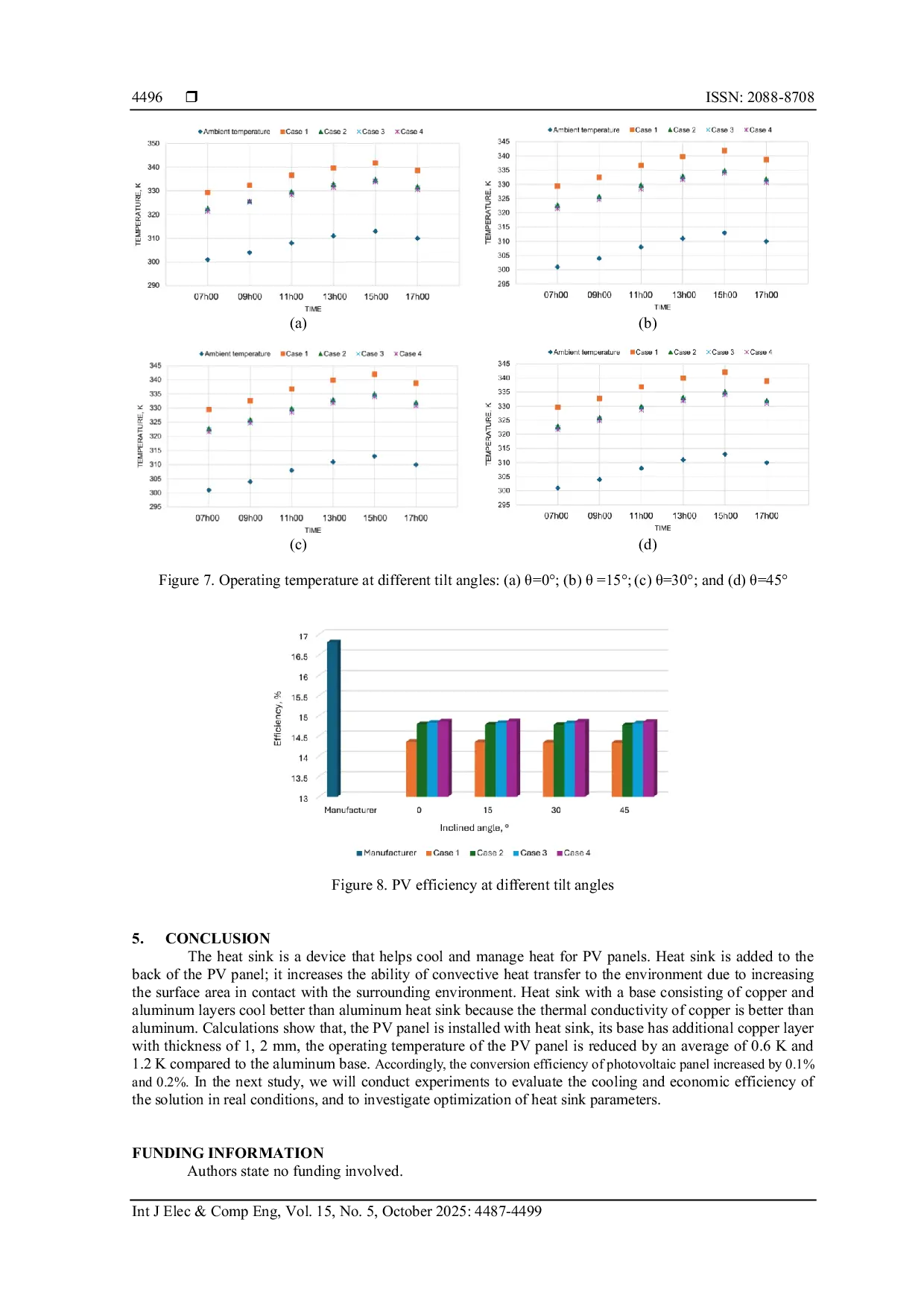
IAESCOREIAESCORE Heat sinks with bases composed of copper and aluminum layers demonstrate superior cooling performance compared to aluminum heat sinks alone, due to coppersHeat sinks with bases composed of copper and aluminum layers demonstrate superior cooling performance compared to aluminum heat sinks alone, due to coppers

IAESCOREIAESCORE Sebuah metodologi dikembangkan untuk merancang regulator dinamis yang mampu mengkompensasi gangguan yang tidak pasti sambil mempertimbangkan batasan kendali.Sebuah metodologi dikembangkan untuk merancang regulator dinamis yang mampu mengkompensasi gangguan yang tidak pasti sambil mempertimbangkan batasan kendali.
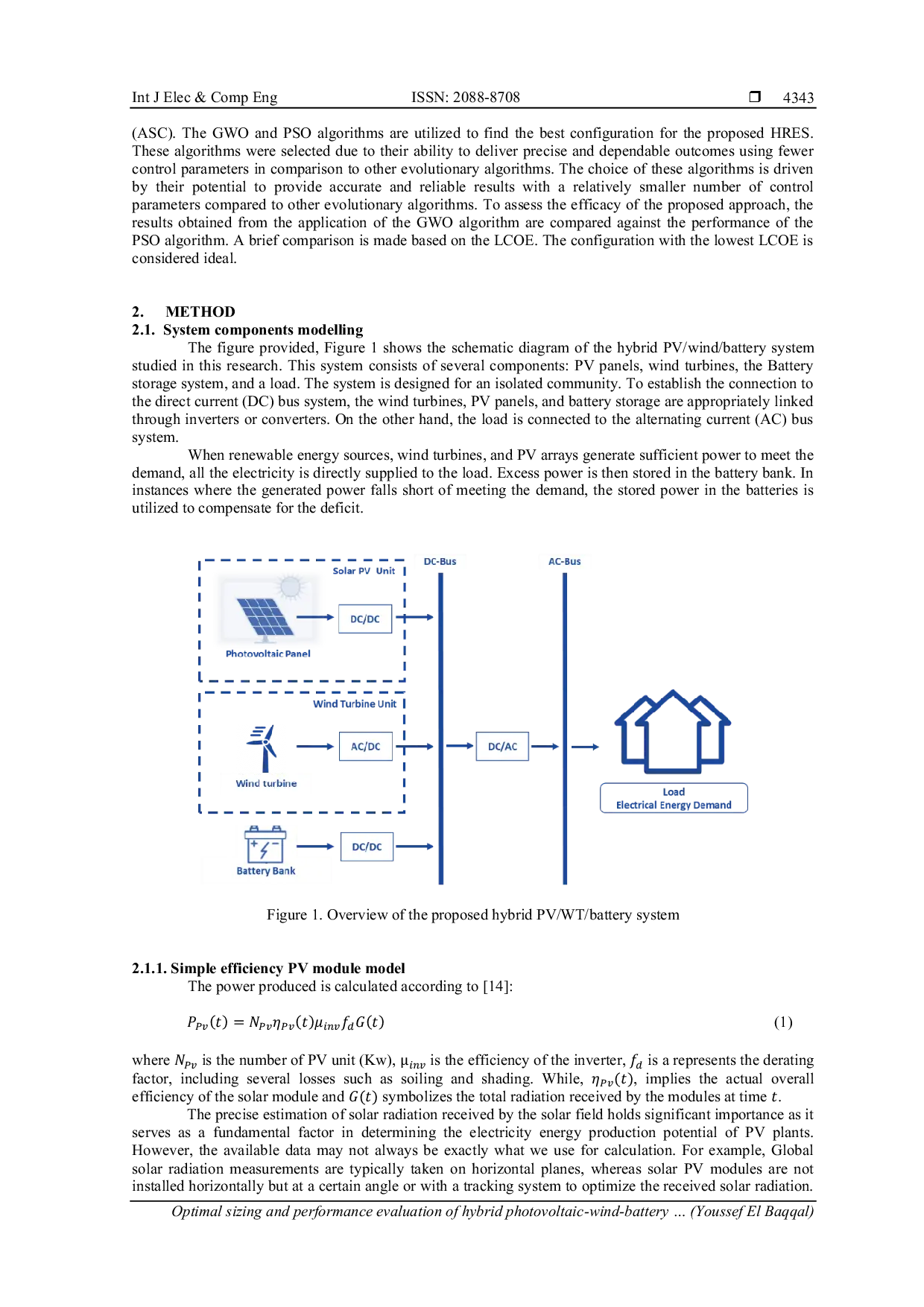
IAESCOREIAESCORE Penelitian ini menunjukkan bahwa sistem hibrida fotovoltaik-angin-baterai yang dioptimalkan menggunakan algoritma GWO dan PSO mampu menyediakan pasokanPenelitian ini menunjukkan bahwa sistem hibrida fotovoltaik-angin-baterai yang dioptimalkan menggunakan algoritma GWO dan PSO mampu menyediakan pasokan
Useful /
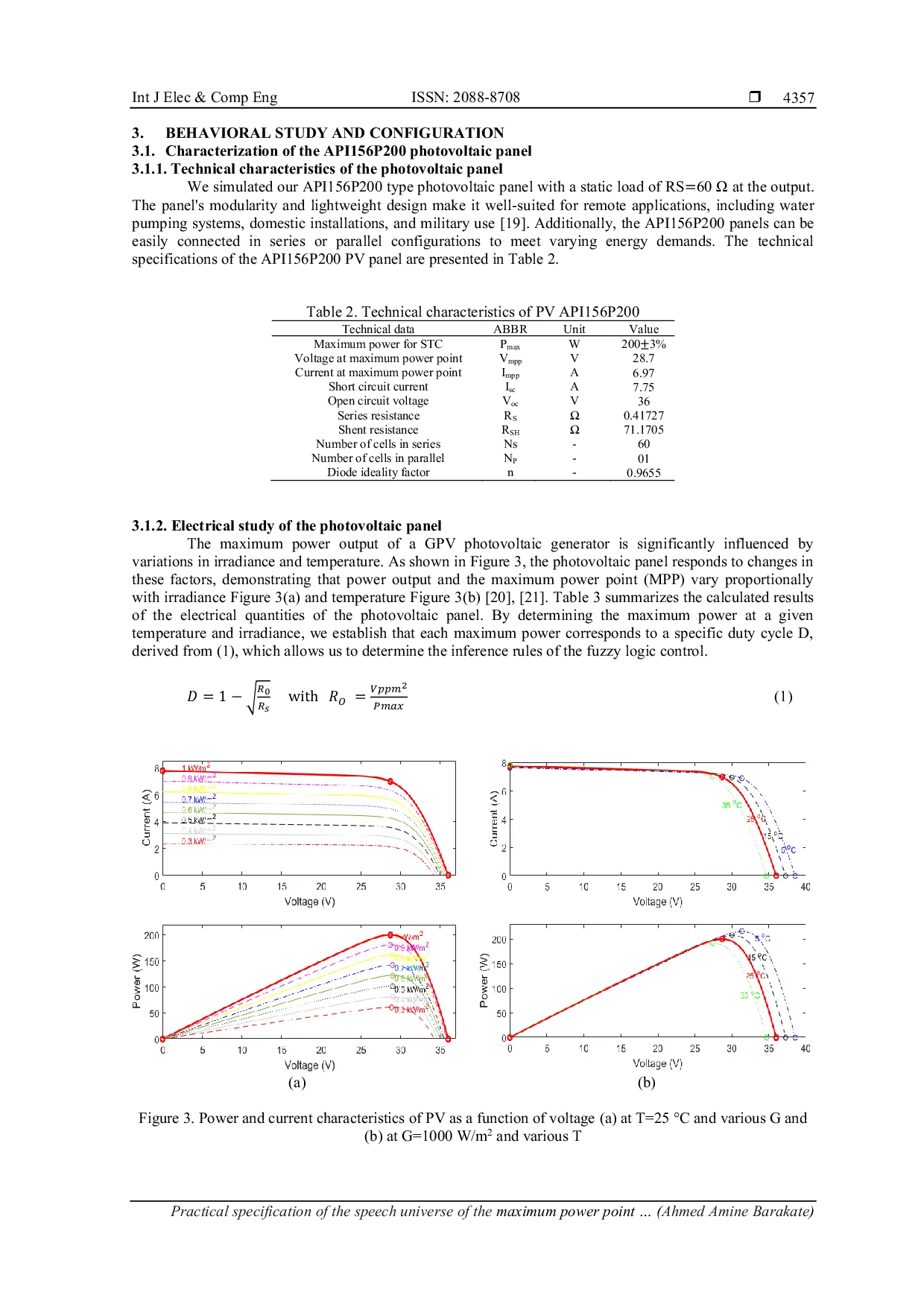
IAESCOREIAESCORE Penelitian lebih lanjut dapat difokuskan pada integrasi metode ini dengan sistem penyimpanan energi untuk meningkatkan keandalan dan efisiensi sistem fotovoltaikPenelitian lebih lanjut dapat difokuskan pada integrasi metode ini dengan sistem penyimpanan energi untuk meningkatkan keandalan dan efisiensi sistem fotovoltaik
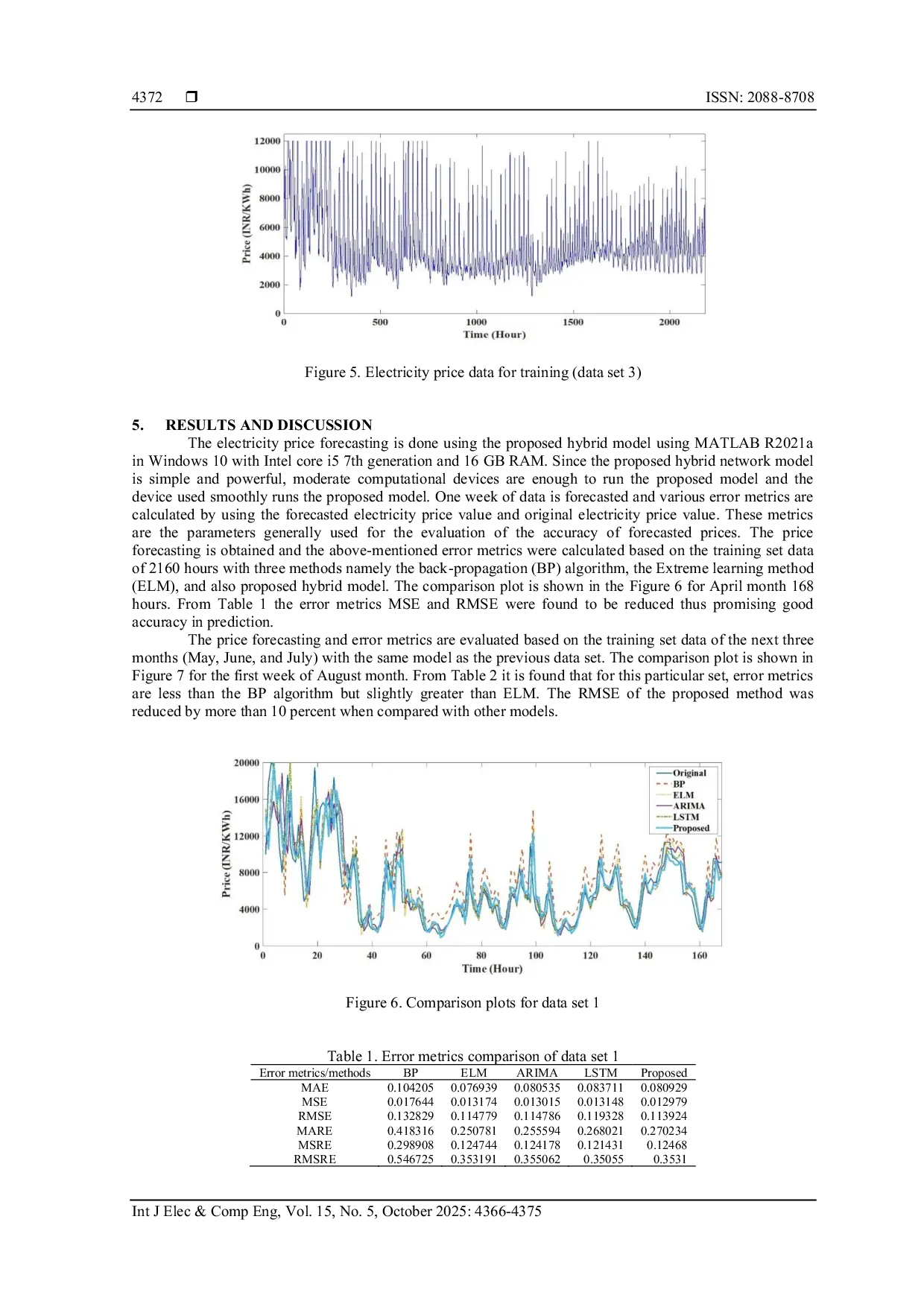
IAESCOREIAESCORE Kecepatan perhitungan model yang sederhana dan kuat memungkinkan ekstraksi hasil yang lebih tepat dari set data harga yang sangat mudah berubah. ModelKecepatan perhitungan model yang sederhana dan kuat memungkinkan ekstraksi hasil yang lebih tepat dari set data harga yang sangat mudah berubah. Model
IAESCOREIAESCORE Makalah ini menggambarkan cara inovatif dan praktis untuk pendinginan pasif panel surya menggunakan heat sink aluminium.metode ini sangat berguna di lingkunganMakalah ini menggambarkan cara inovatif dan praktis untuk pendinginan pasif panel surya menggunakan heat sink aluminium.metode ini sangat berguna di lingkungan

BINAMANDIRIBINAMANDIRI Sistem zonasi yang diterapkan sejak tahun 2017 telah secara signifikan mengubah lanskap pendidikan menengah di Kota Jayapura, memicu munculnya sekolahSistem zonasi yang diterapkan sejak tahun 2017 telah secara signifikan mengubah lanskap pendidikan menengah di Kota Jayapura, memicu munculnya sekolah