IAESCOREIAESCORE
International Journal of Electrical and Computer Engineering (IJECE)International Journal of Electrical and Computer Engineering (IJECE)Photovoltaic panels generate electricity from solar energy based on the photovoltaic effect. The conversion efficiency of photovoltaic panels depends on many factors such as solar radiation, wind speed, dust, orientation, tilt angle, and operating temperature. When the operating temperature increases by 1 °C, the conversion efficiency of photovoltaic panels decreases by 0.4% - 0.5%. Heat sink is a device used to cool electrical and electronic equipment, including photovoltaic panels. This paper presents calculating the cooling capability of hybrid heat sink made from two materials in steady state using heat transfer theory. Heat sink base is constructed from aluminum and copper layers, with copper layer thickness is 1 and 2 mm. Under different conditions of radiation intensity, wind speed, and tilt angle of photovoltaic panel, results show that heat sink added copper layers of 1 and 2 mm, the operating temperature decreases by about 0.6 K and 1.2 K compared to the aluminum base. Accordingly, the conversion efficiency of photovoltaic panel increased by 0.1% and 0.2%.
The addition of a heat sink to the back of the PV panel enhances convective heat transfer, improving its cooling capability.Heat sinks with bases composed of copper and aluminum layers demonstrate superior cooling performance compared to aluminum heat sinks alone, due to coppers higher thermal conductivity.The study reveals that incorporating copper layers with thicknesses of 1 and 2 mm into the heat sink base reduces the operating temperature of the PV panel by approximately 0.2 K, respectively, relative to an aluminum base, leading to a corresponding increase in conversion efficiency of 0.
Penelitian lebih lanjut perlu dilakukan untuk menguji secara eksperimental efektivitas pendinginan hybrid material heat sink dalam kondisi lingkungan yang sebenarnya, termasuk variasi radiasi matahari, kecepatan angin, dan suhu sekitar. Studi komparatif dapat dilakukan untuk mengevaluasi kinerja berbagai konfigurasi lapisan tembaga dan aluminium pada heat sink, dengan mempertimbangkan faktor-faktor seperti biaya material dan kemudahan fabrikasi, untuk mengoptimalkan desain heat sink. Selain itu, penelitian dapat difokuskan pada pengembangan model prediktif yang lebih akurat untuk memprediksi kinerja pendinginan heat sink berdasarkan parameter desain dan kondisi operasi, yang dapat membantu dalam perancangan sistem PV yang lebih efisien dan andal. Penelitian lanjutan juga dapat mengeksplorasi penggunaan material baru atau lapisan pelapis pada heat sink untuk meningkatkan kemampuan perpindahan panas dan mengurangi biaya produksi, serta menginvestigasi potensi integrasi heat sink dengan teknologi lain seperti pendinginan cair atau pendinginan termoelektrik untuk mencapai peningkatan kinerja yang lebih signifikan.
- Quantifying the performance advantage of using passive solar air heater with chimney for photovoltaic... doi.org/10.1002/er.5782Quantifying the performance advantage of using passive solar air heater with chimney for photovoltaic doi 10 1002 er 5782
- Numerical and Experimental Investigation of Air Cooling for Photovoltaic Panels Using Aluminum Heat Sinks... hindawi.com/journals/ijp/2020/1574274Numerical and Experimental Investigation of Air Cooling for Photovoltaic Panels Using Aluminum Heat Sinks hindawi journals ijp 2020 1574274
| File size | 1.15 MB |
| Pages | 13 |
| DMCA | Report |
Related /

IAESCOREIAESCORE 5 kV, higher than the 11. 8 kV observed under AC, as well as a significantly longer PD inception time (Tin) under DC conditions. Although the PD charge5 kV, higher than the 11. 8 kV observed under AC, as well as a significantly longer PD inception time (Tin) under DC conditions. Although the PD charge

IAESCOREIAESCORE Additionally, fluctuations in source voltage can influence the systems performance. This study examines the causes of unbalanced loading in railway electrificationAdditionally, fluctuations in source voltage can influence the systems performance. This study examines the causes of unbalanced loading in railway electrification

IAESCOREIAESCORE Aktivitas PD dapat terjadi pada isolasi cair seperti minyak transformator, yang menyebabkan penurunan kualitas dan keandalan transformator. PenelitianAktivitas PD dapat terjadi pada isolasi cair seperti minyak transformator, yang menyebabkan penurunan kualitas dan keandalan transformator. Penelitian
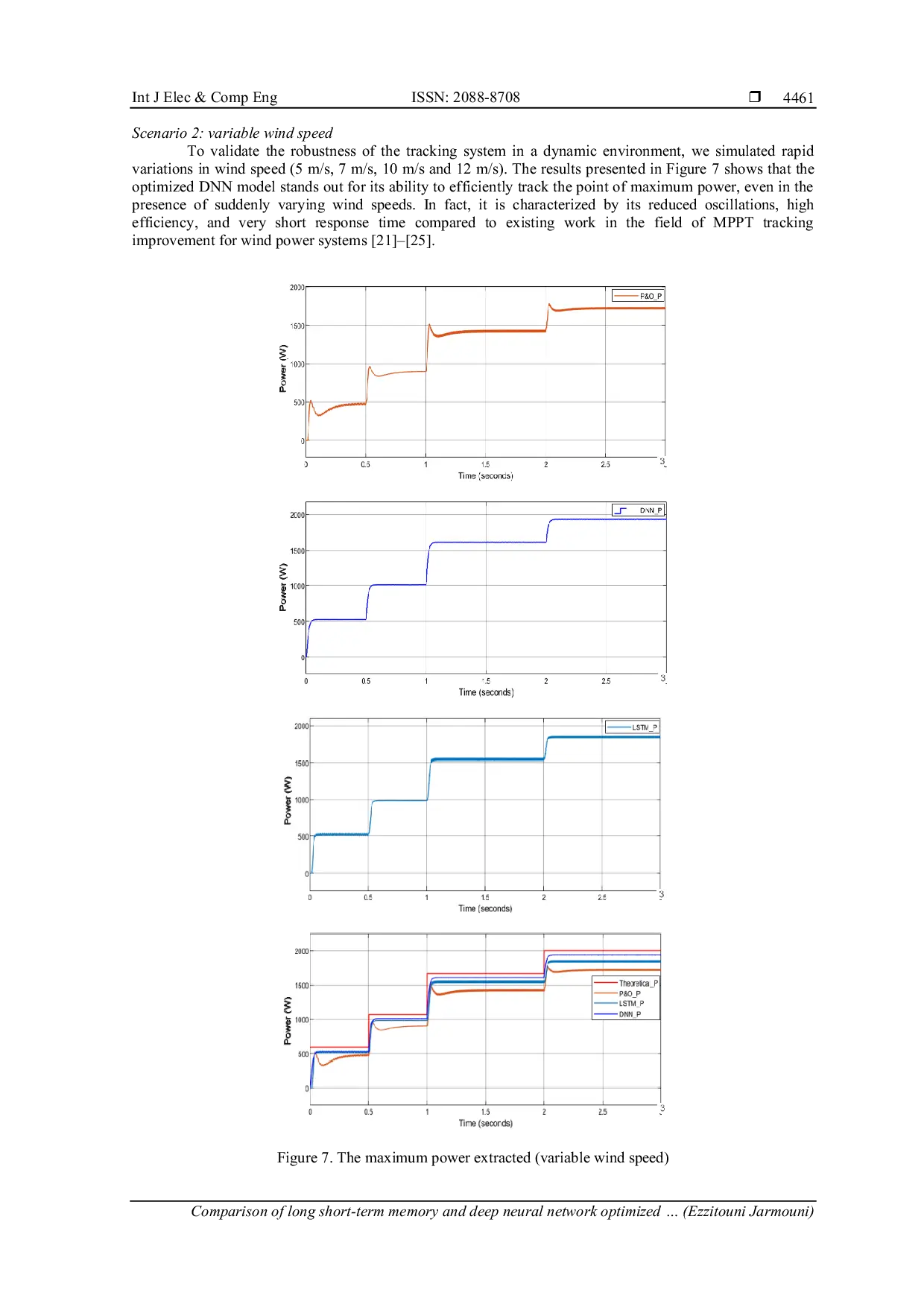
IAESCOREIAESCORE The results obtained show that our optimized deep neural network model identifies the point of maximum power more effectively than other techniques, demonstratingThe results obtained show that our optimized deep neural network model identifies the point of maximum power more effectively than other techniques, demonstrating

IAESCOREIAESCORE It accommodates both AC and DC fast charging options to meet diverse vehicle requirements. The design considers available space, energy generation potential,It accommodates both AC and DC fast charging options to meet diverse vehicle requirements. The design considers available space, energy generation potential,
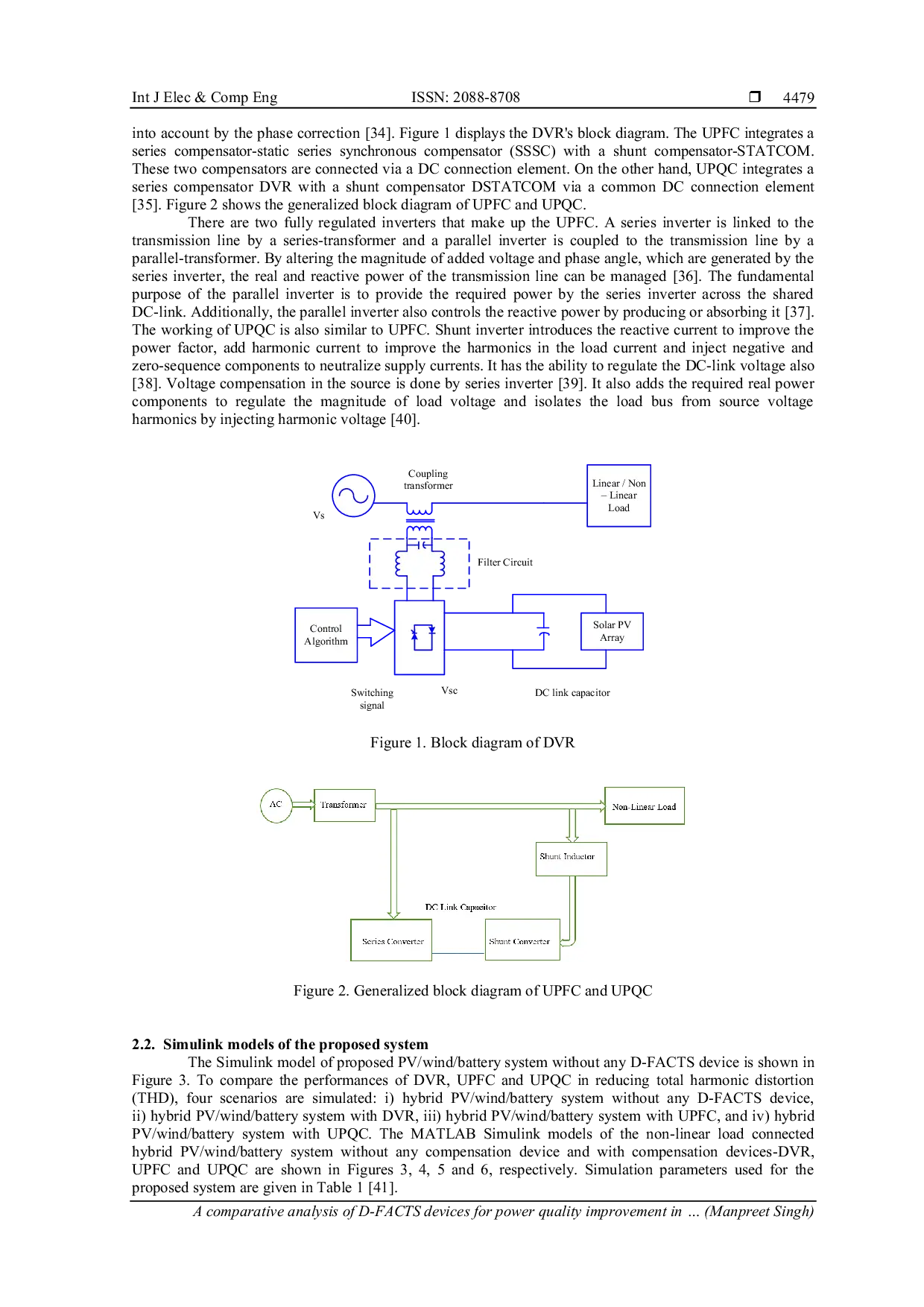
IAESCOREIAESCORE Kinerja DVR, UPFC, dan UPQC telah diimplementasikan dan dibandingkan dalam sistem fotovoltaik/angin/baterai yang terintegrasi non-linear. Dalam penelitianKinerja DVR, UPFC, dan UPQC telah diimplementasikan dan dibandingkan dalam sistem fotovoltaik/angin/baterai yang terintegrasi non-linear. Dalam penelitian

IAESCOREIAESCORE Berdasarkan analisis model nonlinear unit generator uap, dipilih model dasar yang paling baik menggambarkan proses dinamis yang terjadi di dalam generatorBerdasarkan analisis model nonlinear unit generator uap, dipilih model dasar yang paling baik menggambarkan proses dinamis yang terjadi di dalam generator
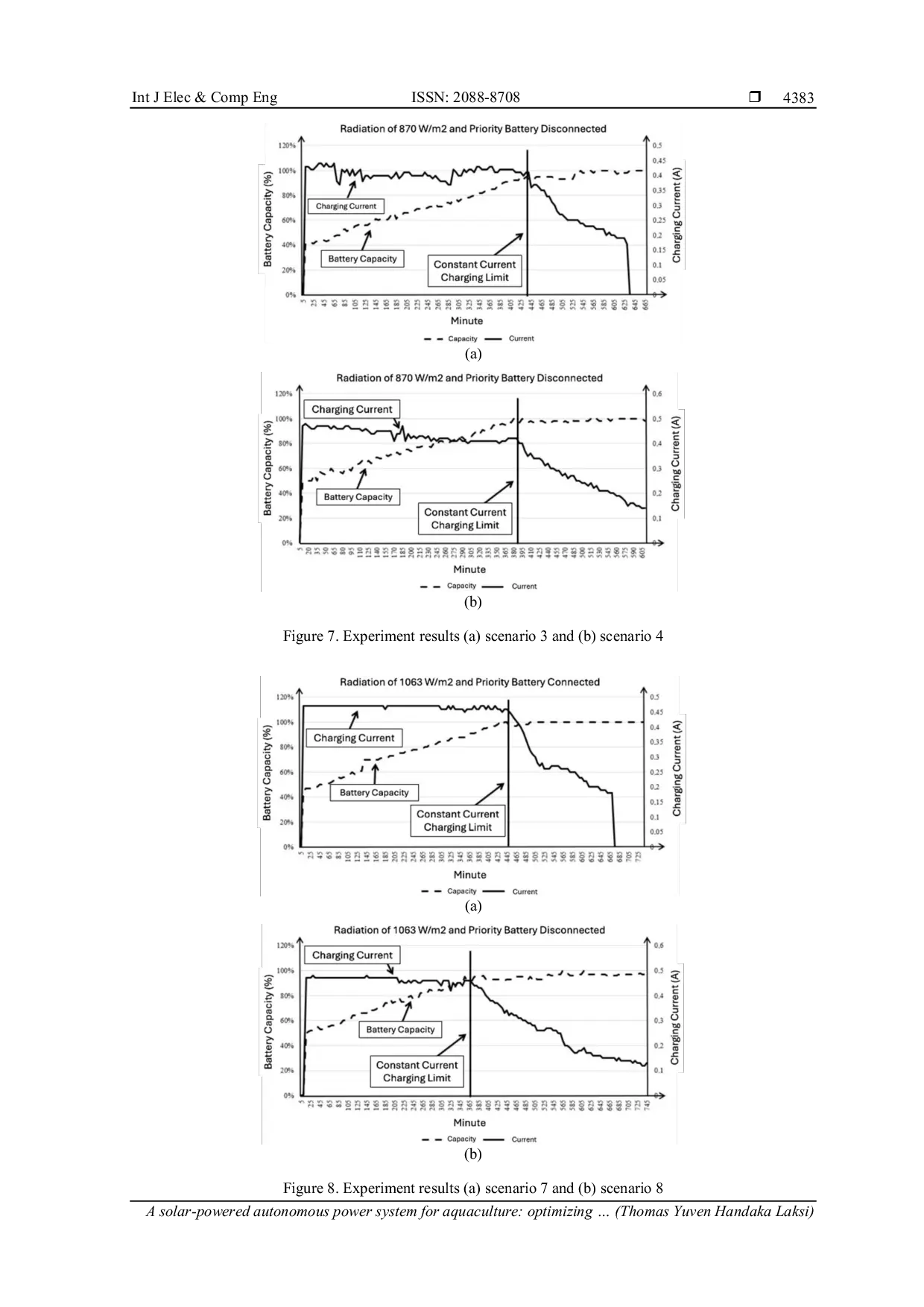
IAESCOREIAESCORE In Indonesia, growing fish consumption demands necessitate expanded, yet sustainable, fish production without sacrificing quality. The process of feedingIn Indonesia, growing fish consumption demands necessitate expanded, yet sustainable, fish production without sacrificing quality. The process of feeding
Useful /
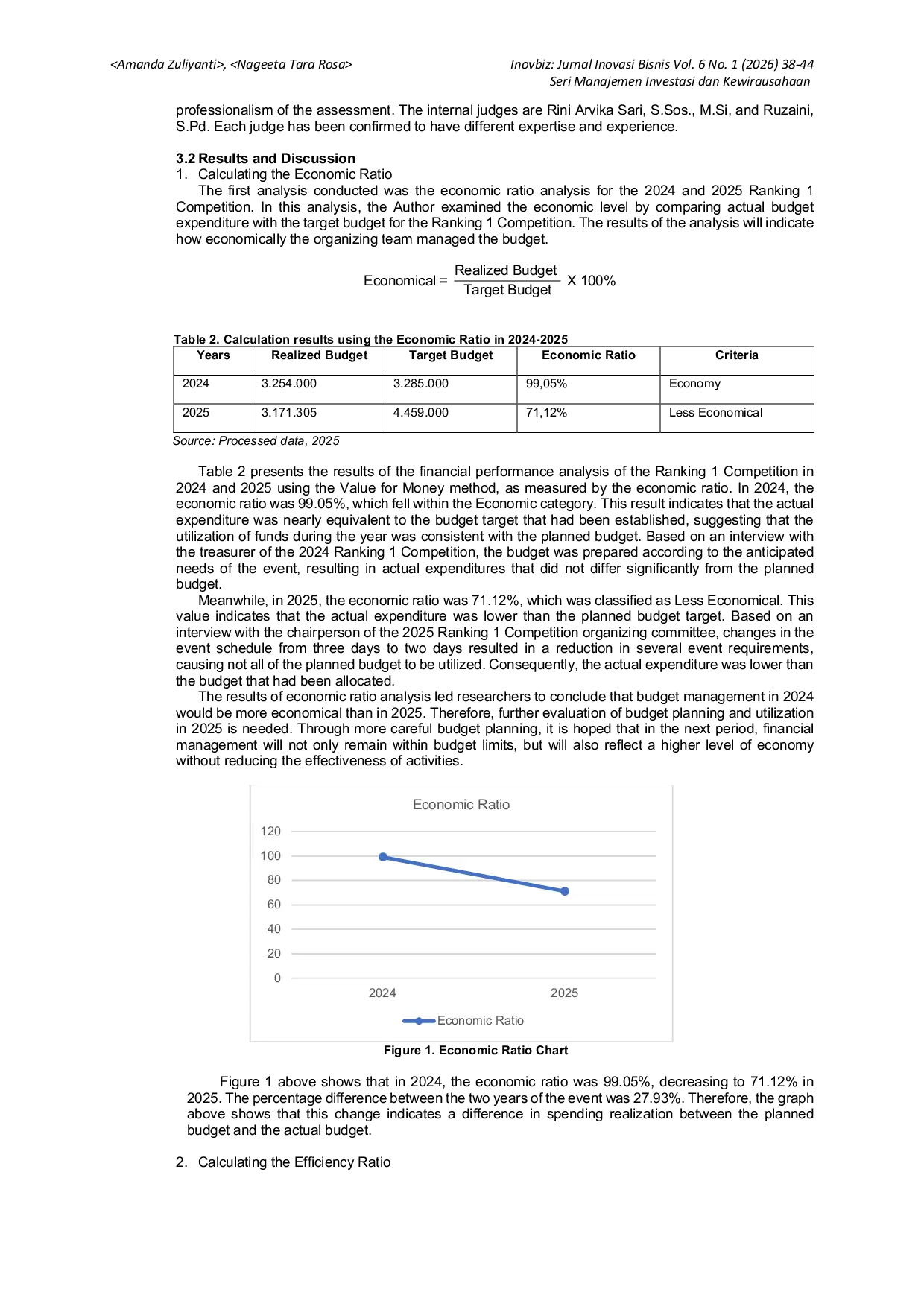
POLBENGPOLBENG Sementara itu, pada tahun 2025, tingkat ekonomi sebesar 71,12 % yang tergolong kurang ekonomis, tingkat efisiensi sebesar 52,55 % yang tergolong sangatSementara itu, pada tahun 2025, tingkat ekonomi sebesar 71,12 % yang tergolong kurang ekonomis, tingkat efisiensi sebesar 52,55 % yang tergolong sangat

IAESCOREIAESCORE Makalah ini menggambarkan cara inovatif dan praktis untuk pendinginan pasif panel surya menggunakan heat sink aluminium.metode ini sangat berguna di lingkunganMakalah ini menggambarkan cara inovatif dan praktis untuk pendinginan pasif panel surya menggunakan heat sink aluminium.metode ini sangat berguna di lingkungan
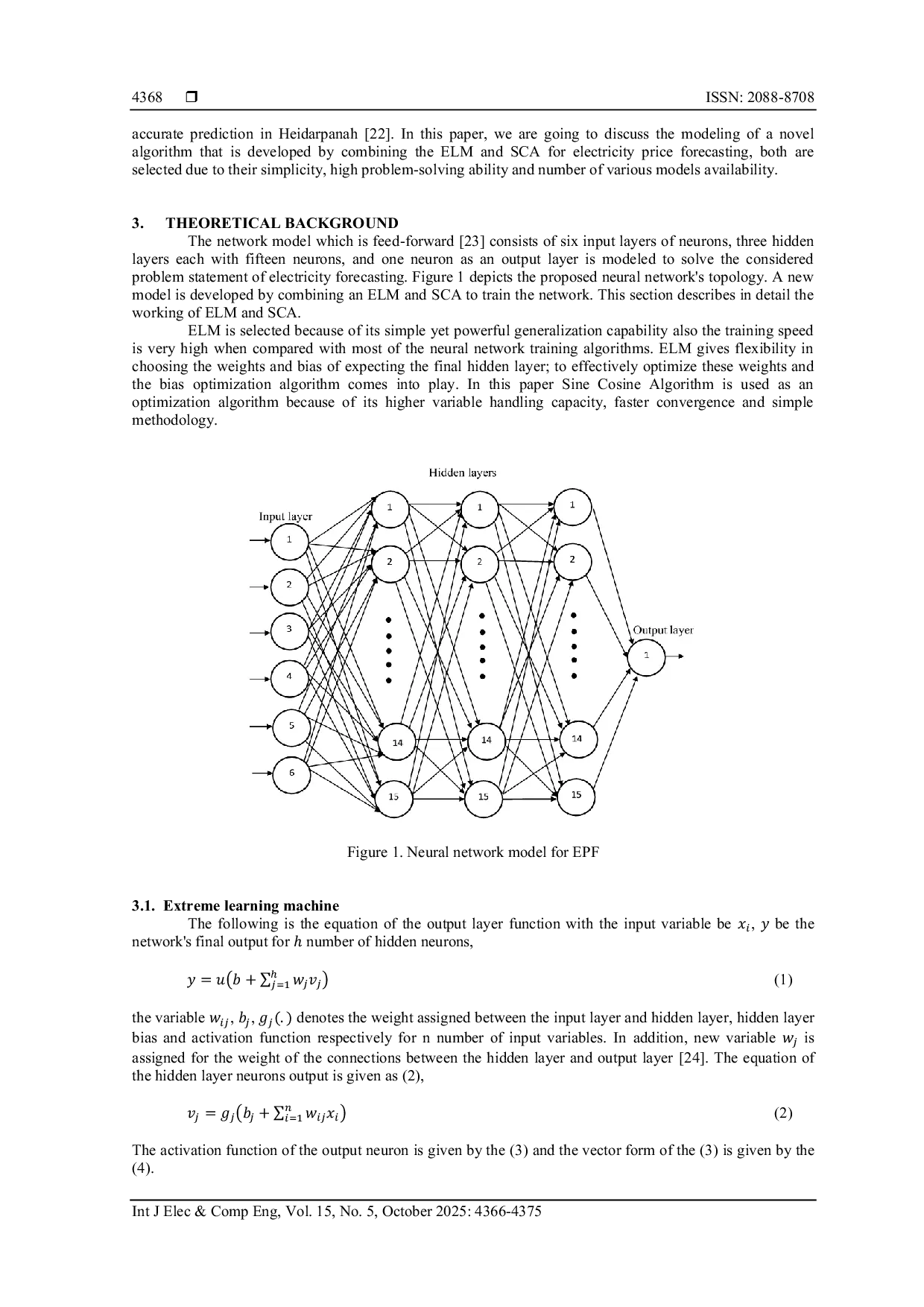
IAESCOREIAESCORE Hasilnya menunjukkan bahwa model hibrida ini menghasilkan perkiraan yang lebih akurat dibandingkan dengan metode lain. Kecepatan perhitungan model yangHasilnya menunjukkan bahwa model hibrida ini menghasilkan perkiraan yang lebih akurat dibandingkan dengan metode lain. Kecepatan perhitungan model yang
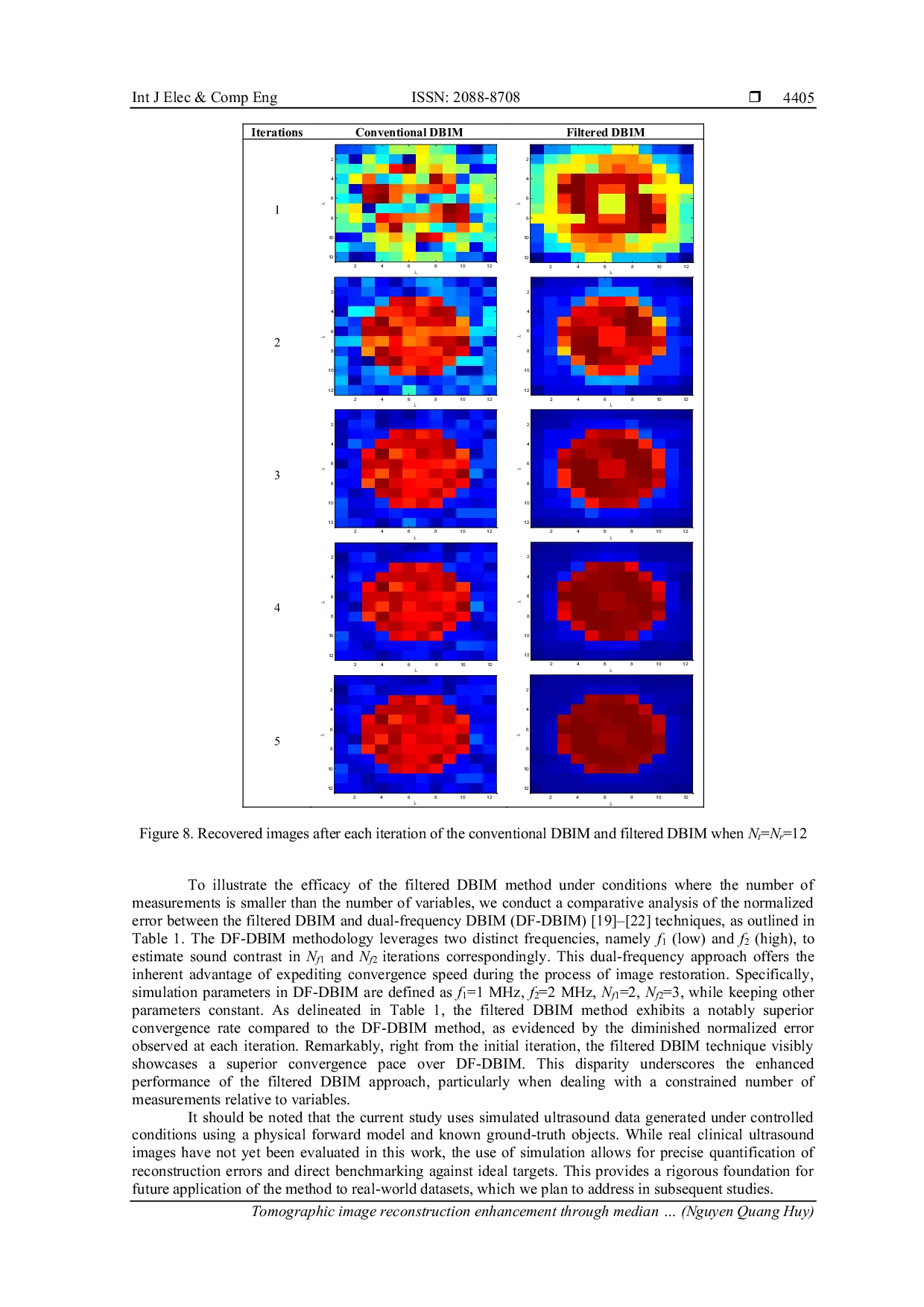
IAESCOREIAESCORE Ultrasound tomography is a powerful and widely utilized imaging technique in the field of medical diagnostics. Its non-invasive nature and high sensitivityUltrasound tomography is a powerful and widely utilized imaging technique in the field of medical diagnostics. Its non-invasive nature and high sensitivity