IAESCOREIAESCORE
International Journal of Electrical and Computer Engineering (IJECE)International Journal of Electrical and Computer Engineering (IJECE)Paediatric haematology involves the use of non-invasive methods and technologies to evaluate haematological parameters in children. These techniques attempt to offer precise measurements of blood constituents without the necessity of intrusive procedures such as venipuncture or blood draws, which can be difficult and unpleasant for paediatric patients. The data gathered from the elbow will be given priority for further investigations to find haematological profiles. Estimates of haemoglobin, haematocrit, and red blood cell count were done and compared against the values obtained using conventional methods. This method achieves an accuracy of 75.56% with high precision and specificity which makes the method particularly beneficial for paediatric applications, potentially due to physiological differences or enhanced calibration for younger populations. The sensitivity varies with red blood cells (RBC) showing the lowest true positive detection rate. Future work could focus on improving the sensitivity of these parameters to enhance the accuracy. Conventional techniques cannot monitor continuously and remotely, which is crucial for a point-of-care screening device in the current era. The proposed non-destructive technique offers the benefits of infection control, pain reduction, and minimal operational cum maintenance expenses, all while being portable and child friendly.
The conventional method of conducting blood tests using needles can induce anxiety and potential infections, particularly in children.To overcome these limitations, the non-invasive reflectance spectroscopic technique is more effective in estimating haematological parameters (Hb, Hct, and RBC) in patients.The proposed model demonstrates superior accuracy, precision, sensitivity, and specificity, highlighting its potential for paediatric applications.
Further research should investigate the integration of spectroscopic techniques with other diagnostic indicators, such as oxygen saturation, pulse rate, and hydration markers, to provide a more comprehensive patient evaluation. Additionally, studies could explore the development of personalized calibration models based on age, ethnicity, and underlying medical conditions to enhance the accuracy and generalizability of the technique. Finally, research should focus on improving the sensitivity of the method for detecting red blood cells, potentially through advanced signal processing algorithms or optimized probe designs, to further enhance its diagnostic capabilities and broaden its clinical applications. These advancements will contribute to the development of more reliable, accessible, and patient-friendly diagnostic tools for paediatric haematology, ultimately improving healthcare outcomes for children.
- 0. 0 spiedigitallibrary.org/journals/journal-of-biomedical-optics/volume-27/issue-08/080901/Noninvasive-hemoglobin-sensing-and-imaging--optical-tools-for-disease/10.1117/1.JBO.27.8.080901.full0 0 spiedigitallibrary journals journal of biomedical optics volume 27 issue 08 080901 Noninvasive hemoglobin sensing and imaging optical tools for disease 10 1117 1 JBO 27 8 080901 full
- JMIR Biomedical Engineering - Validation of a Novel Noninvasive Technology to Estimate Blood Oxygen Saturation... biomedeng.jmir.org/2024/1/e46974JMIR Biomedical Engineering Validation of a Novel Noninvasive Technology to Estimate Blood Oxygen Saturation biomedeng jmir 2024 1 e46974
| File size | 965 KB |
| Pages | 12 |
| DMCA | Report |
Related /
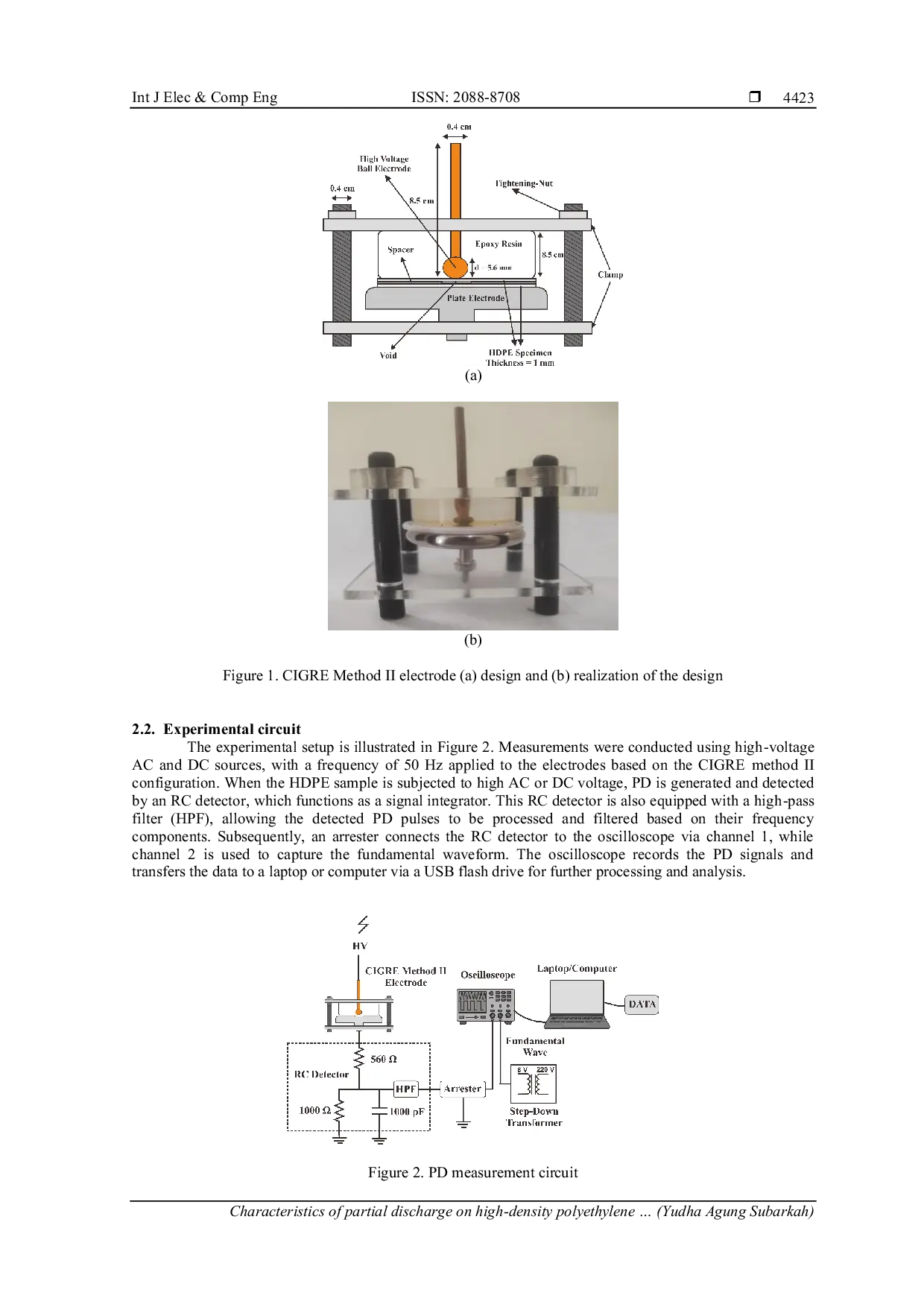
IAESCOREIAESCORE Specifically, the PD inception voltage (Vin) is higher under DC conditions (15. 5 kV) than under AC conditions (11. 8 kV), and the PD inception time (Tin)Specifically, the PD inception voltage (Vin) is higher under DC conditions (15. 5 kV) than under AC conditions (11. 8 kV), and the PD inception time (Tin)
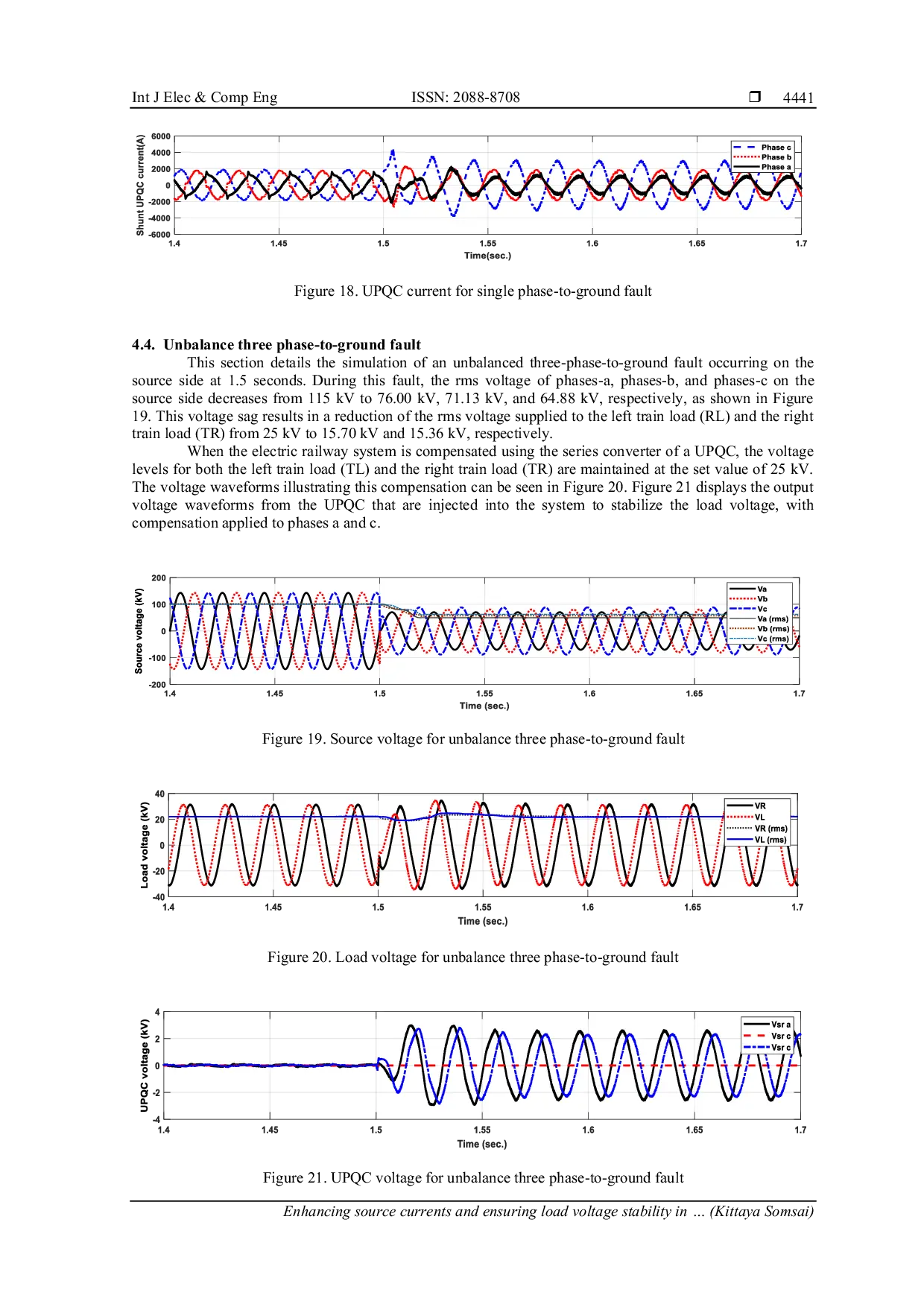
IAESCOREIAESCORE The simulation results generated through MATLAB programming demonstrate the UPQCs effectiveness in enhancing system performance. The findings reveal thatThe simulation results generated through MATLAB programming demonstrate the UPQCs effectiveness in enhancing system performance. The findings reveal that

IAESCOREIAESCORE Meskipun banyak penelitian telah dilakukan mengenai PD pada isolasi cair, sebagian besar hanya berfokus pada karakterisasi PD dalam kondisi tertentu tanpaMeskipun banyak penelitian telah dilakukan mengenai PD pada isolasi cair, sebagian besar hanya berfokus pada karakterisasi PD dalam kondisi tertentu tanpa
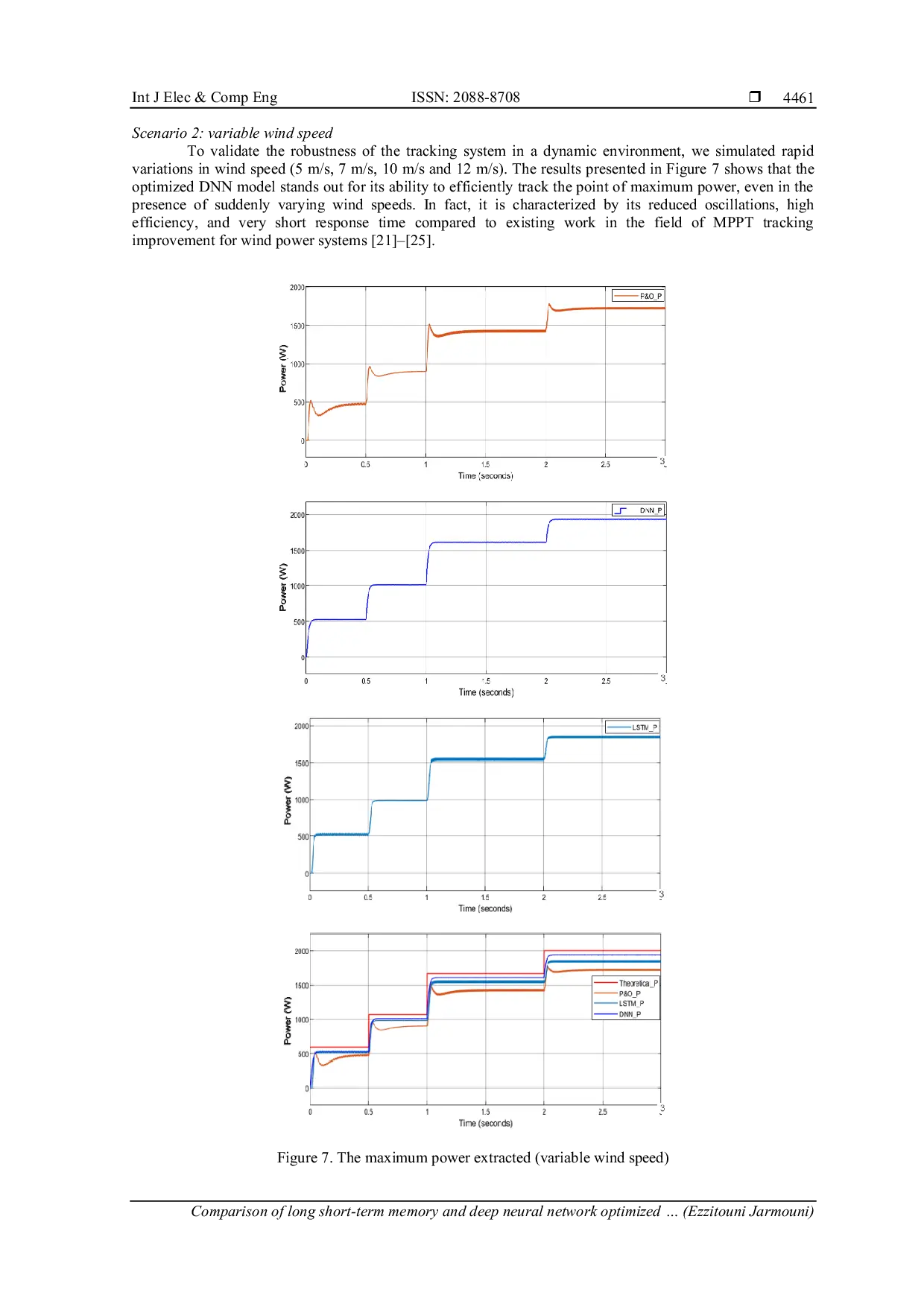
IAESCOREIAESCORE This study successfully developed and evaluated an optimized deep neural network (DNN) model for maximum power point tracking (MPPT) in wind turbine systems.This study successfully developed and evaluated an optimized deep neural network (DNN) model for maximum power point tracking (MPPT) in wind turbine systems.

IAESCOREIAESCORE With an estimated payback period of 2. 8 years, this project demonstrates the economic and environmental advantages of solar-powered EV infrastructure,With an estimated payback period of 2. 8 years, this project demonstrates the economic and environmental advantages of solar-powered EV infrastructure,

IAESCOREIAESCORE Dalam penelitian ini, desain, simulasi, dan perbandingan kinerja DVR, UPFC, dan UPQC dalam mengurangi Power Quality Issues (PQI) dalam hal THD telah dibahas.Dalam penelitian ini, desain, simulasi, dan perbandingan kinerja DVR, UPFC, dan UPQC dalam mengurangi Power Quality Issues (PQI) dalam hal THD telah dibahas.
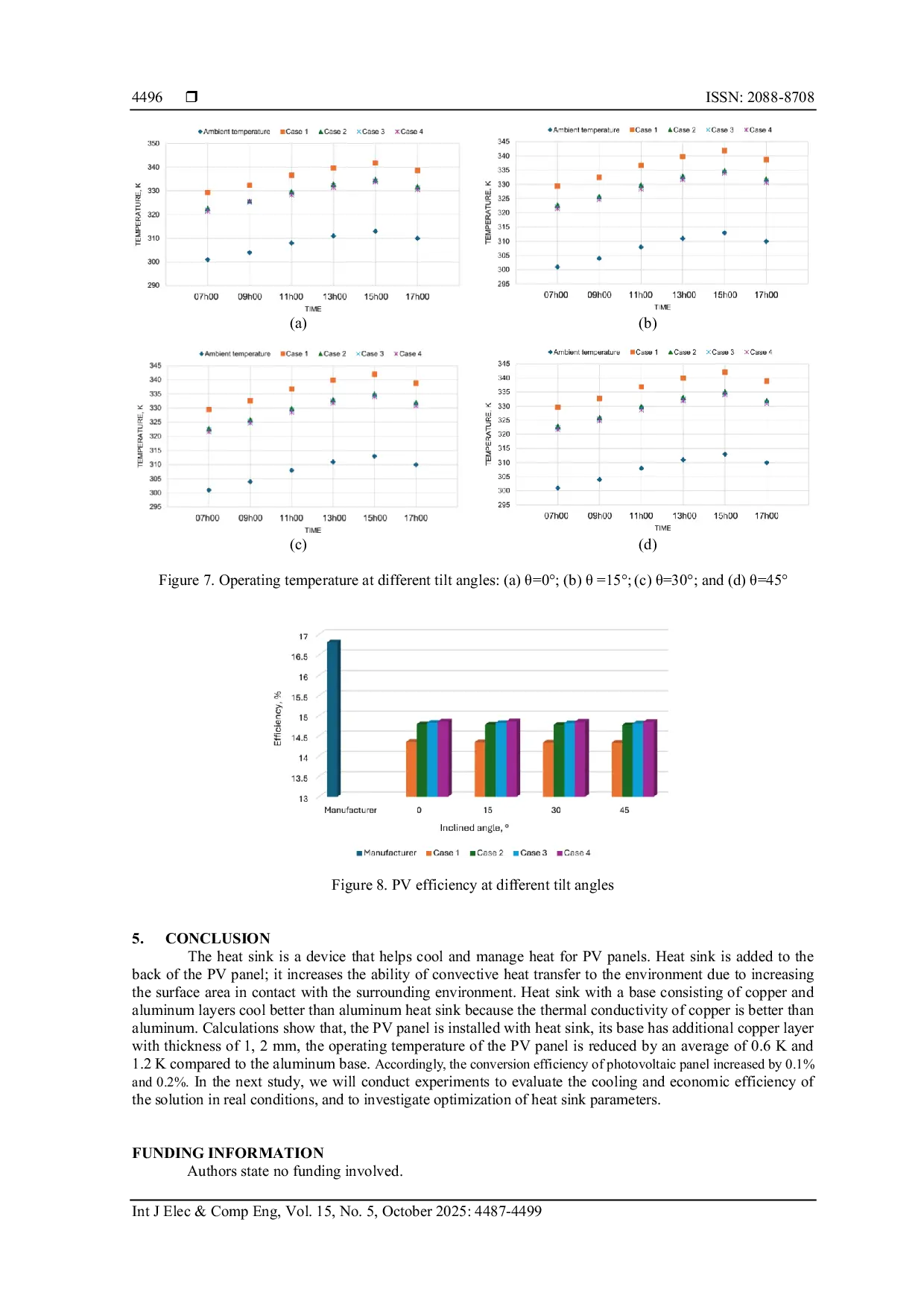
IAESCOREIAESCORE 5%. Heat sink is a device used to cool electrical and electronic equipment, including photovoltaic panels. This paper presents calculating the cooling5%. Heat sink is a device used to cool electrical and electronic equipment, including photovoltaic panels. This paper presents calculating the cooling

IAESCOREIAESCORE Selain itu, algoritma kendali yang dikembangkan mempertimbangkan batasan teknologi nyata pada tindakan kendali. Hukum kendali yang diperoleh menjamin stabilitasSelain itu, algoritma kendali yang dikembangkan mempertimbangkan batasan teknologi nyata pada tindakan kendali. Hukum kendali yang diperoleh menjamin stabilitas
Useful /

IAESCOREIAESCORE Tujuan penelitian ini adalah untuk mengidentifikasi manfaat utama dari penerapan robotika bantuan yang telah dicapai untuk memproyeksikan bidang tindakanTujuan penelitian ini adalah untuk mengidentifikasi manfaat utama dari penerapan robotika bantuan yang telah dicapai untuk memproyeksikan bidang tindakan

IAESCOREIAESCORE This paper focuses on a two-wheel drive electric vehicle (TWD EV) configuration powered by an energy storage battery system (ESBS), driven by two permanentThis paper focuses on a two-wheel drive electric vehicle (TWD EV) configuration powered by an energy storage battery system (ESBS), driven by two permanent
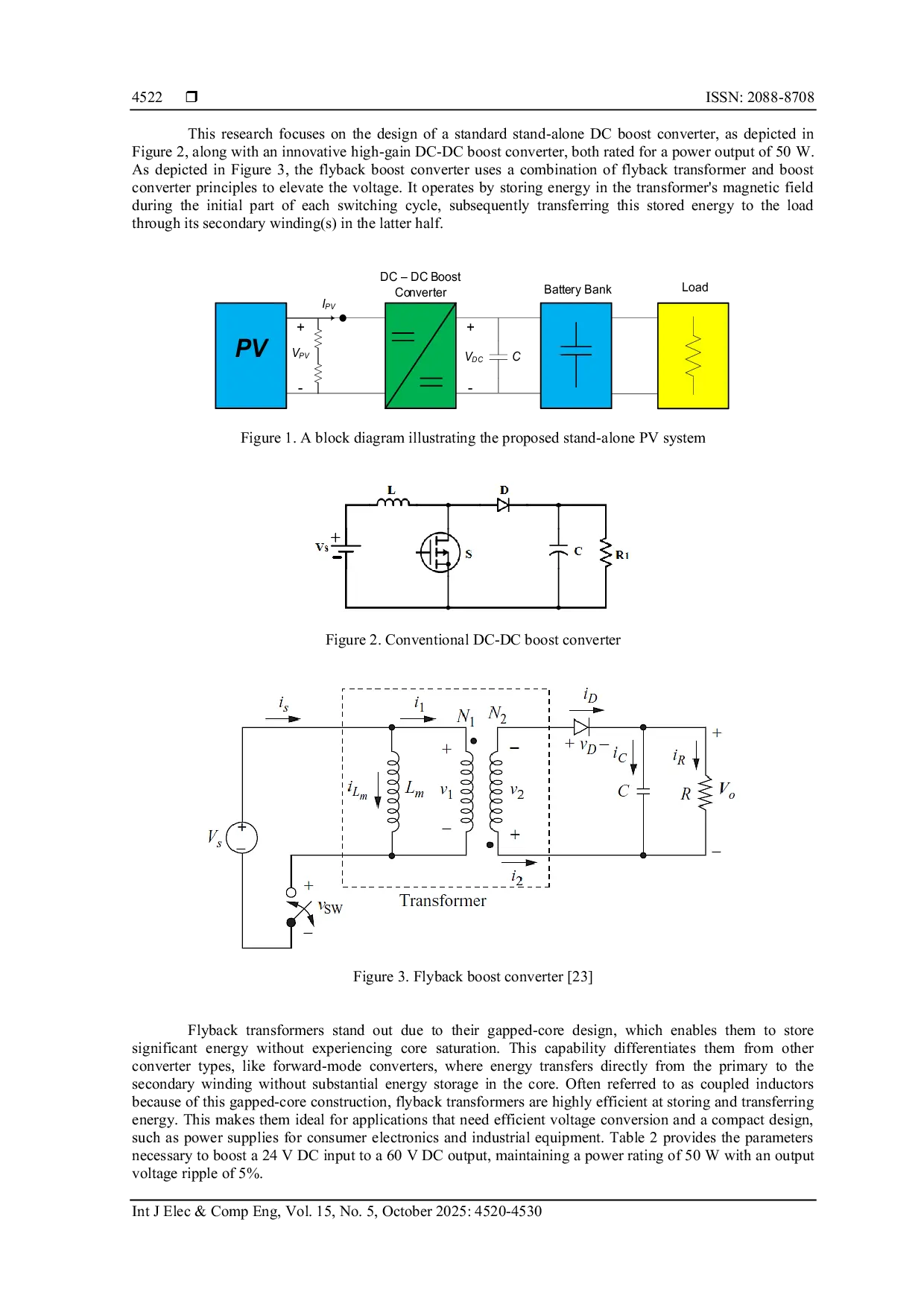
IAESCOREIAESCORE Through comprehensive theoretical analysis, simulations, and experimental validation, the research unveils a distinctive converter design that achievesThrough comprehensive theoretical analysis, simulations, and experimental validation, the research unveils a distinctive converter design that achieves
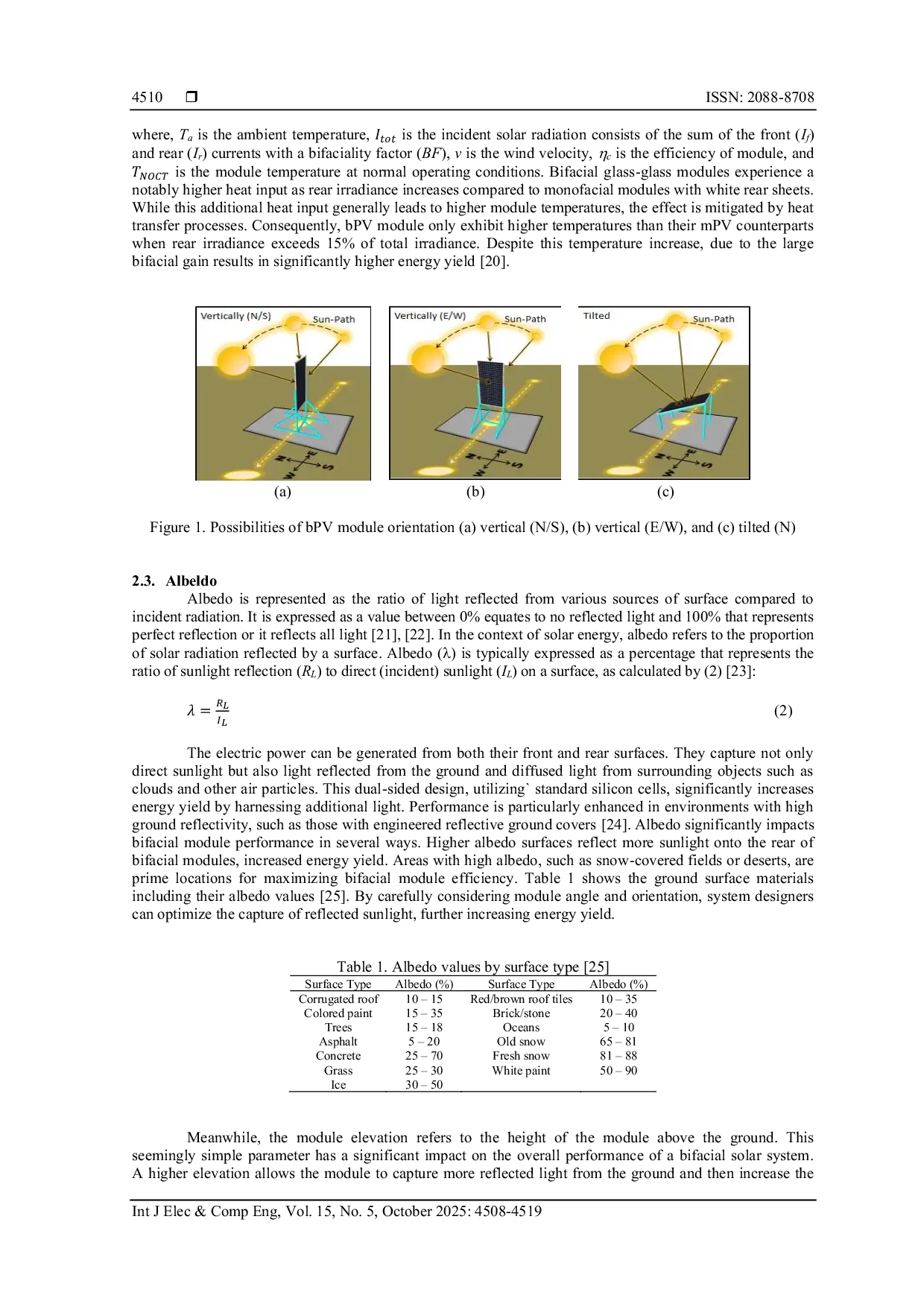
IAESCOREIAESCORE The aim is to determine the optimal orientation for maximizing output power generation, temperature module, and understanding the bifaciality factor throughThe aim is to determine the optimal orientation for maximizing output power generation, temperature module, and understanding the bifaciality factor through