IAESCOREIAESCORE
International Journal of Electrical and Computer Engineering (IJECE)International Journal of Electrical and Computer Engineering (IJECE)The classification of geometric patterns, particularly in Islamic art, presents a compelling challenge for the field of computer vision due to its intricate symmetry and scale invariance. This study proposes an ensemble learning framework to classify geometric patterns, leveraging the novel quaternion cartesian fractional Hahn moments (QCFrHMs) as a robust feature extraction method. QCFrHMs integrate the fractional Hahn polynomial and quaternion algebra to provide compact, invariant descriptors for geometric patterns. Combined with Zernike Moments, this dual-feature approach ensures resilience against rotation, scaling, and noise variations. The extracted features were evaluated using support vector machines (SVM), random forest, and a soft-voting ensemble classifier. Experiments were conducted on a dataset comprising 1,204 geometric images categorized into two symmetry groups (p4m and p6m). Results demonstrated that the standalone models, achieving a classification accuracy of 82.15%. The ensemble classifier outperformed the integration of QCFrHMs significantly enhanced the systems robustness compared to traditional Zernike-only approaches, which aligns with findings in prior studies. This research contributes to the fields of image processing and pattern recognition by introducing an efficient feature extraction technique combined with ensemble learning for precise and scalable geometric pattern classification. The implications extend to art preservation, architectural analysis, and automated indexing of cultural heritage imagery.
This research successfully demonstrated the effectiveness of combining ensemble learning with advanced moment-based descriptors, specifically quaternion cartesian fractional Hahn moments (QCFrHMs) and Zernike moments, for classifying geometric patterns with p4m and p6m symmetries.The integration of both descriptor sets captured intricate geometric traits, while dimensionality reduction via PCA maintained a balance between complexity and accuracy.The voting classifier, composed of a random forest and an SVM, outperformed standalone models, highlighting the advantage of merging complementary algorithms.These findings open new pathways in shape analysis and promise wide-ranging applications in computer vision, from industrial quality control to the digital exploration of elaborate ornamental art.
Future research should focus on addressing the computational expense associated with higher-order moment calculations, particularly for large datasets, and enhancing noise resilience through improved preprocessing techniques. Expanding the framework to encompass additional symmetry types and exploring real-time implementation via GPU acceleration and approximate sampling methods are also promising avenues. Furthermore, investigating the integration of deep learning frameworks with QCFrHMs for end-to-end classification pipelines, alongside exploring their applicability in 3D object analysis and generative modeling for geometric pattern synthesis, could yield even more robust and efficient classification methods. These advancements will not only refine the current state-of-the-art in geometric pattern classification but also broaden its applicability to diverse fields such as cultural heritage preservation, automated design, and industrial quality control, ultimately fostering a deeper understanding and appreciation of intricate visual patterns.
- Exploring ensemble learning for classifying geometric patterns: insights from quaternion cartesian fractional... doi.org/10.11591/ijece.v15i5.pp4630-4641Exploring ensemble learning for classifying geometric patterns insights from quaternion cartesian fractional doi 10 11591 ijece v15i5 pp4630 4641
- Image analysis via the general theory of moments*. analysis general theory moments josa history issues... doi.org/10.1364/josa.70.000920Image analysis via the general theory of moments analysis general theory moments josa history issues doi 10 1364 josa 70 000920
- Mobile and Forensics. tiles neural network mobile forensics authors susanti aulia ramadayanti universitas... doi.org/10.12928/mf.v3i2.5643Mobile and Forensics tiles neural network mobile forensics authors susanti aulia ramadayanti universitas doi 10 12928 mf v3i2 5643
| File size | 665.33 KB |
| Pages | 12 |
| DMCA | Report |
Related /
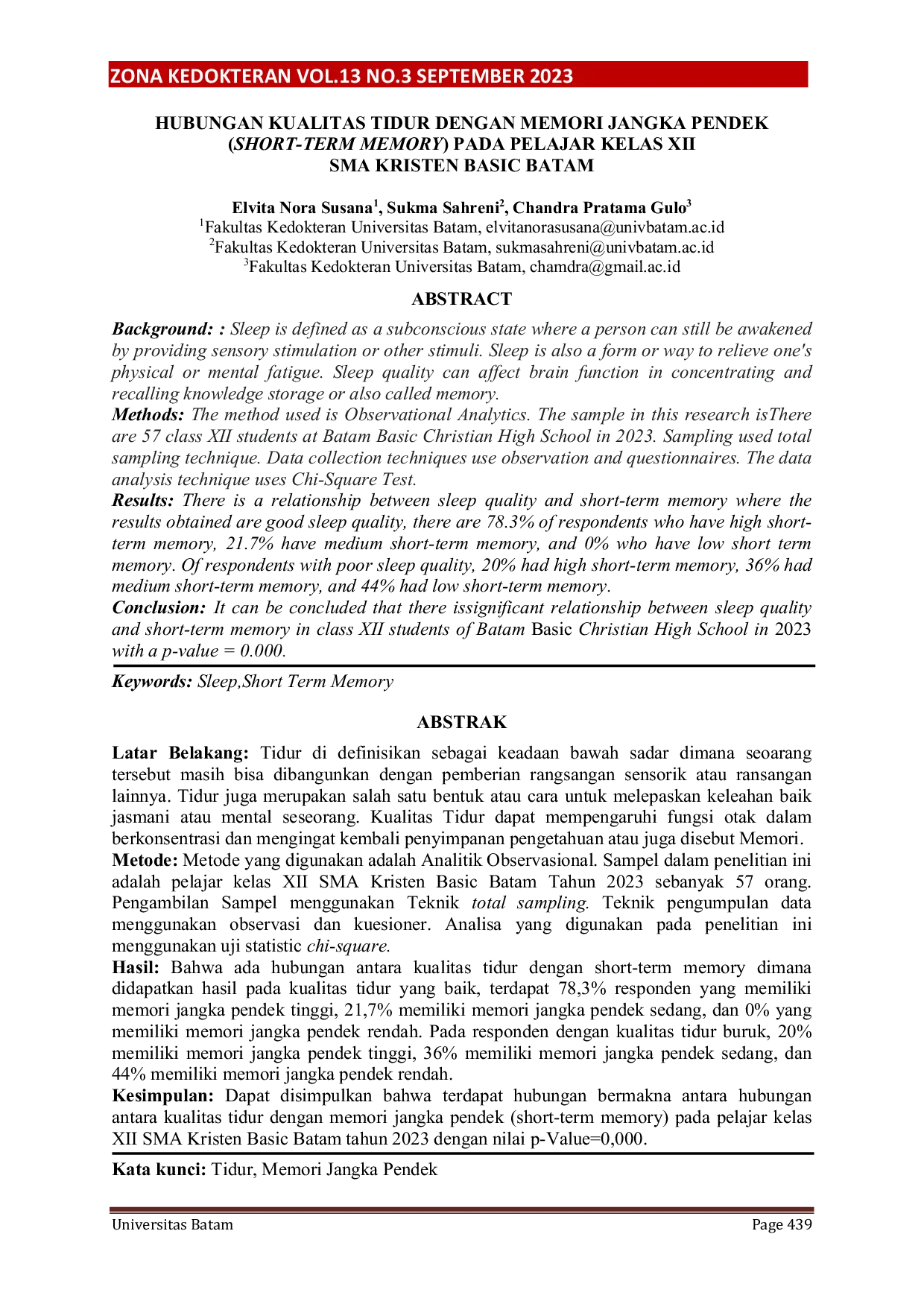
UNIBAUNIBA Analisa yang digunakan pada penelitian ini menggunakan uji statistic chi-square. Bahwa ada hubungan antara kualitas tidur dengan short-term memory dimanaAnalisa yang digunakan pada penelitian ini menggunakan uji statistic chi-square. Bahwa ada hubungan antara kualitas tidur dengan short-term memory dimana
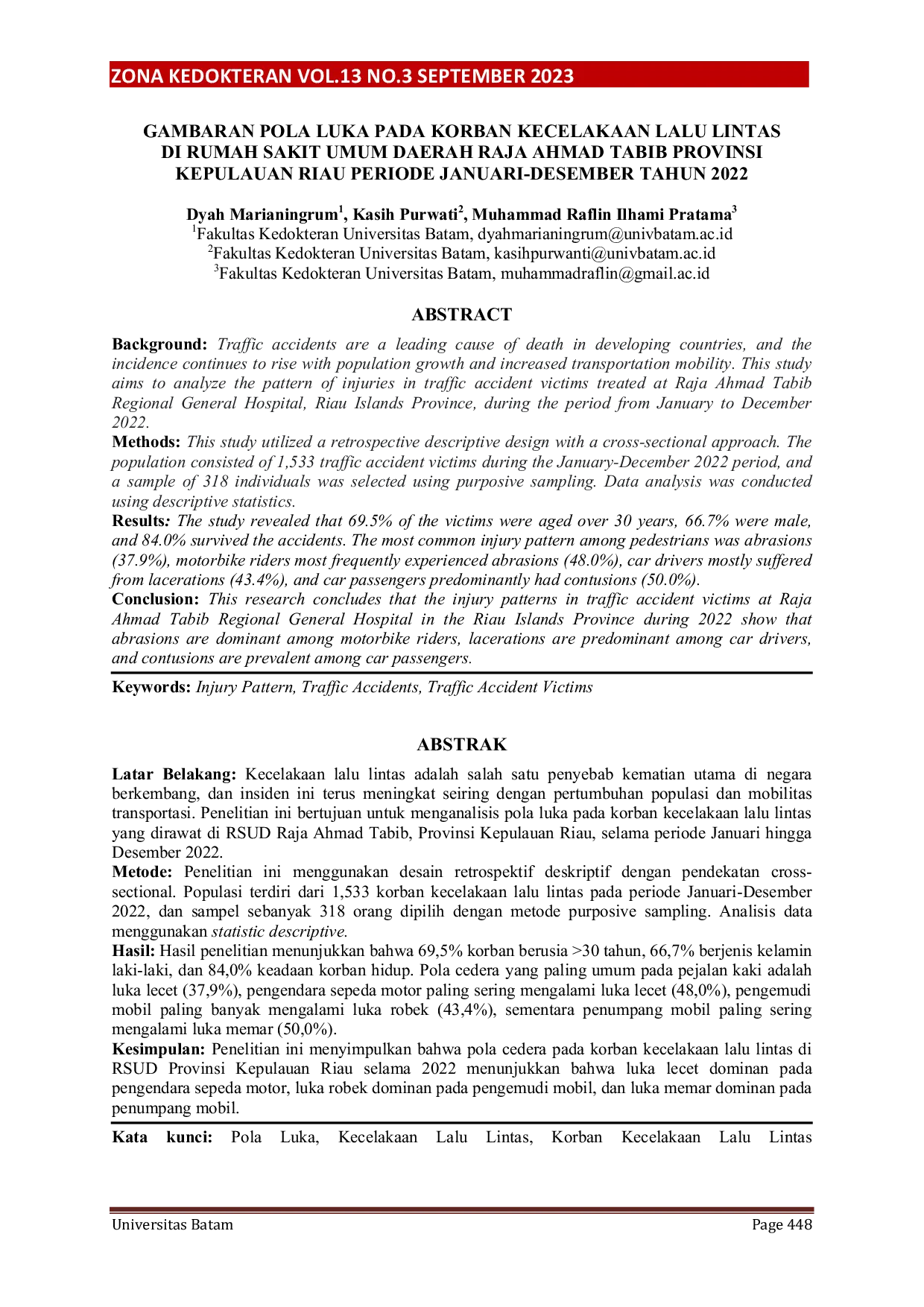
UNIBAUNIBA Penelitian ini bertujuan untuk menganalisis pola luka pada korban kecelakaan lalu lintas yang dirawat di RSUD Raja Ahmad Tabib, Provinsi Kepulauan Riau,Penelitian ini bertujuan untuk menganalisis pola luka pada korban kecelakaan lalu lintas yang dirawat di RSUD Raja Ahmad Tabib, Provinsi Kepulauan Riau,
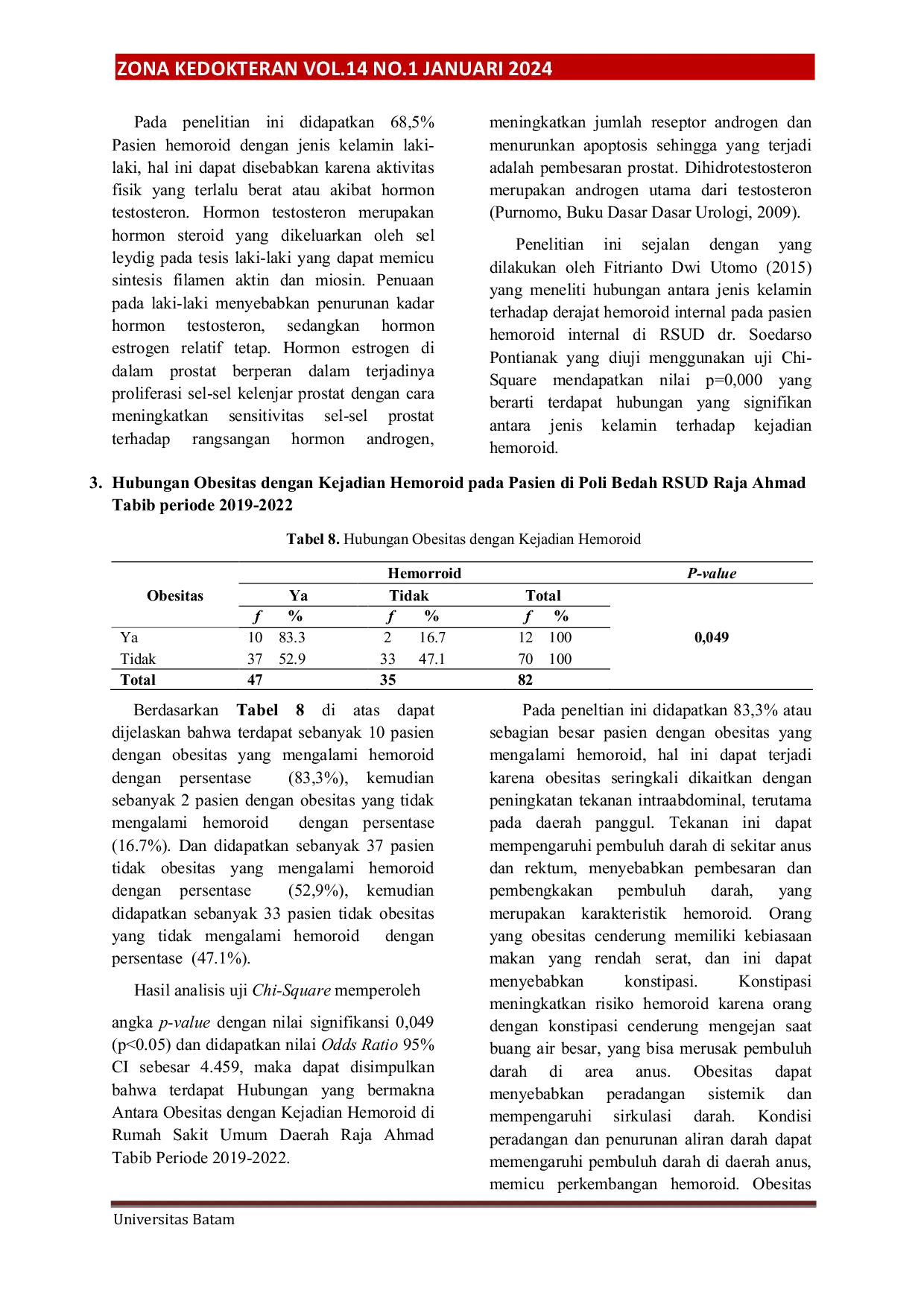
UNIBAUNIBA Hasil penelitian menggunakan uji Chi-Square. Hasil: Pada penelitian ini, diapatkan hasil analisis menggunakan uji Chi-square faktor yang berhubungan denganHasil penelitian menggunakan uji Chi-Square. Hasil: Pada penelitian ini, diapatkan hasil analisis menggunakan uji Chi-square faktor yang berhubungan dengan
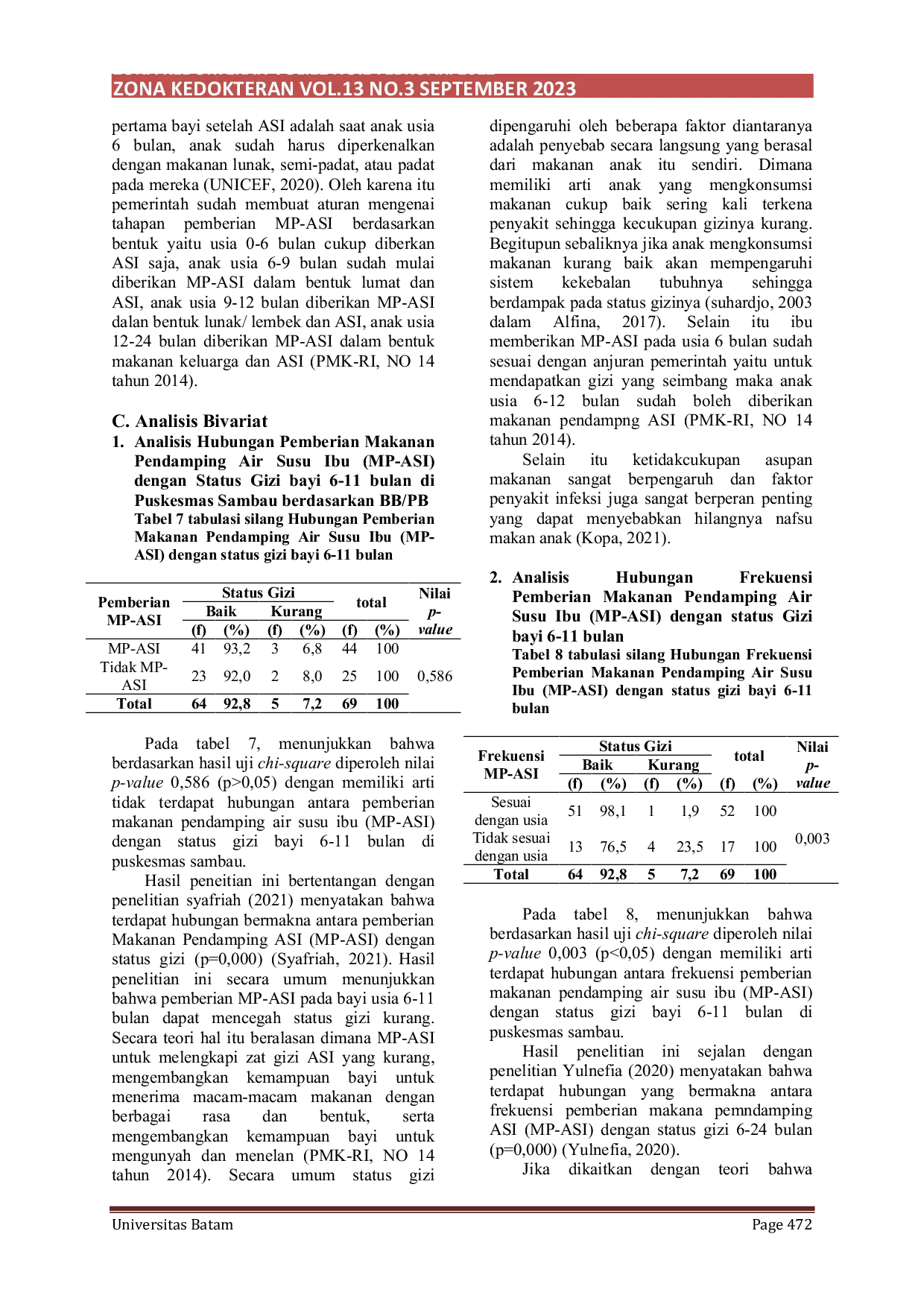
UNIBAUNIBA Status gizi bayi 6-11 bulan sebagian besar baik yaitu 92,8%. Hasil uji chi-square diperoleh nilai p value 0,856 untuk hubungan MP-ASI dengan status gizi,Status gizi bayi 6-11 bulan sebagian besar baik yaitu 92,8%. Hasil uji chi-square diperoleh nilai p value 0,856 untuk hubungan MP-ASI dengan status gizi,
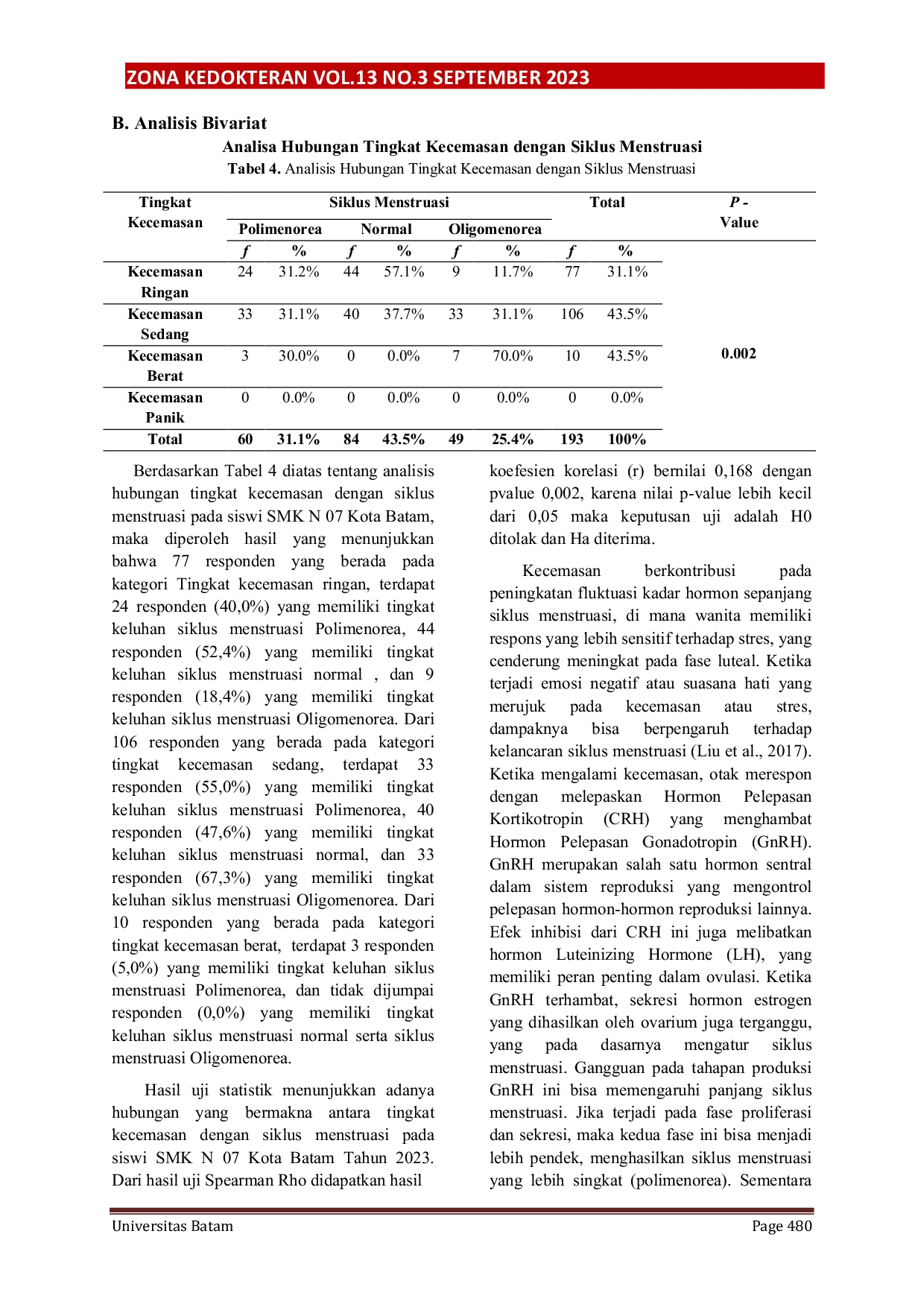
UNIBAUNIBA Dari hasil uji spearman rho didapatkan p-value sebesar 0,002 dan nilai r sebesar 0. 168 sehingga H0 ditolak dan Ha diterima. Kesimpulan: Berdasarkan hasilDari hasil uji spearman rho didapatkan p-value sebesar 0,002 dan nilai r sebesar 0. 168 sehingga H0 ditolak dan Ha diterima. Kesimpulan: Berdasarkan hasil
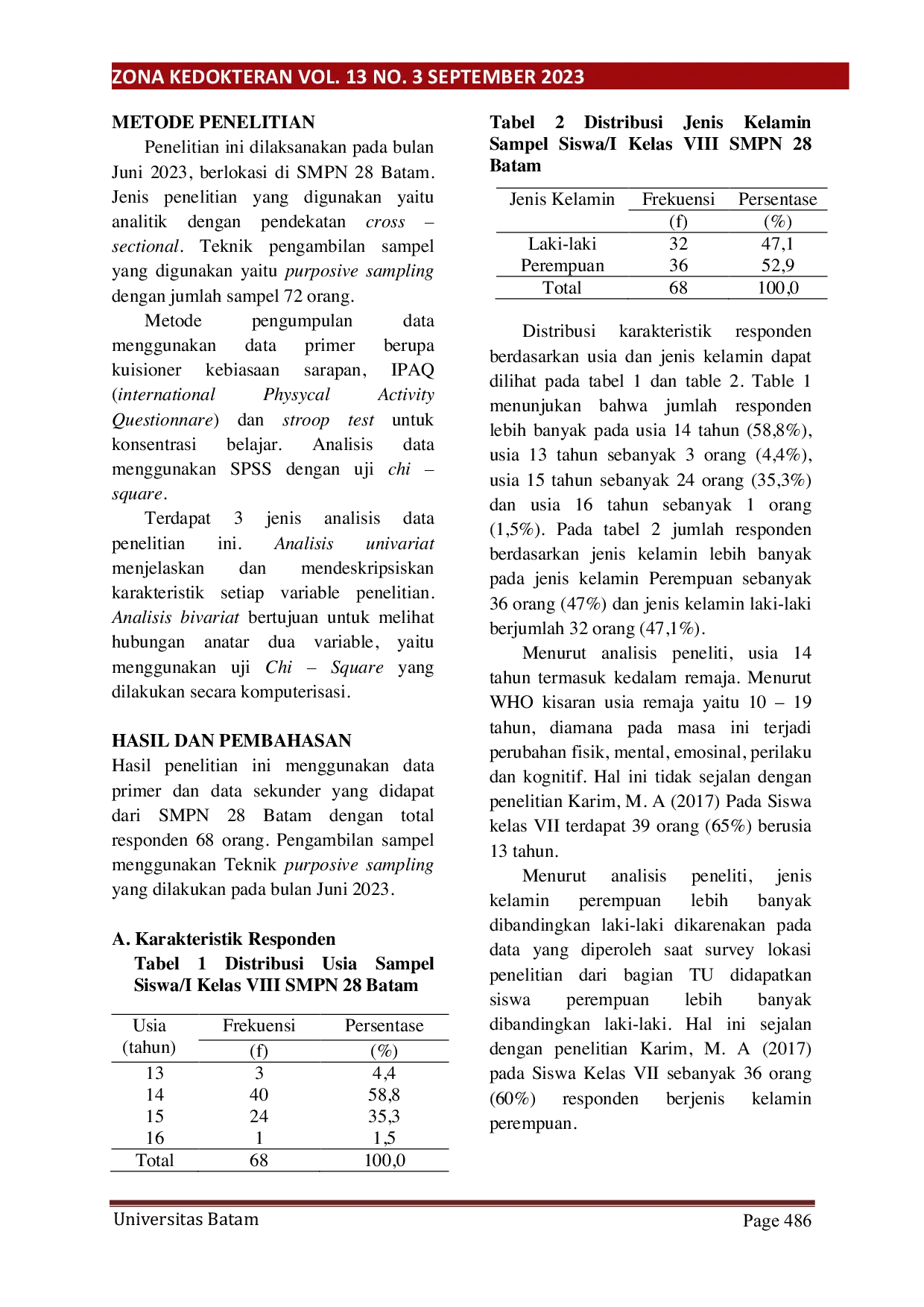
UNIBAUNIBA Populasi penelitian ini adalah siswa/i kelas VIII di SMPN 28 Batam sebanyak 292 orang. Sampel penelitian yang diambil sebanyak 72 orang dengan teknik purposive.Populasi penelitian ini adalah siswa/i kelas VIII di SMPN 28 Batam sebanyak 292 orang. Sampel penelitian yang diambil sebanyak 72 orang dengan teknik purposive.
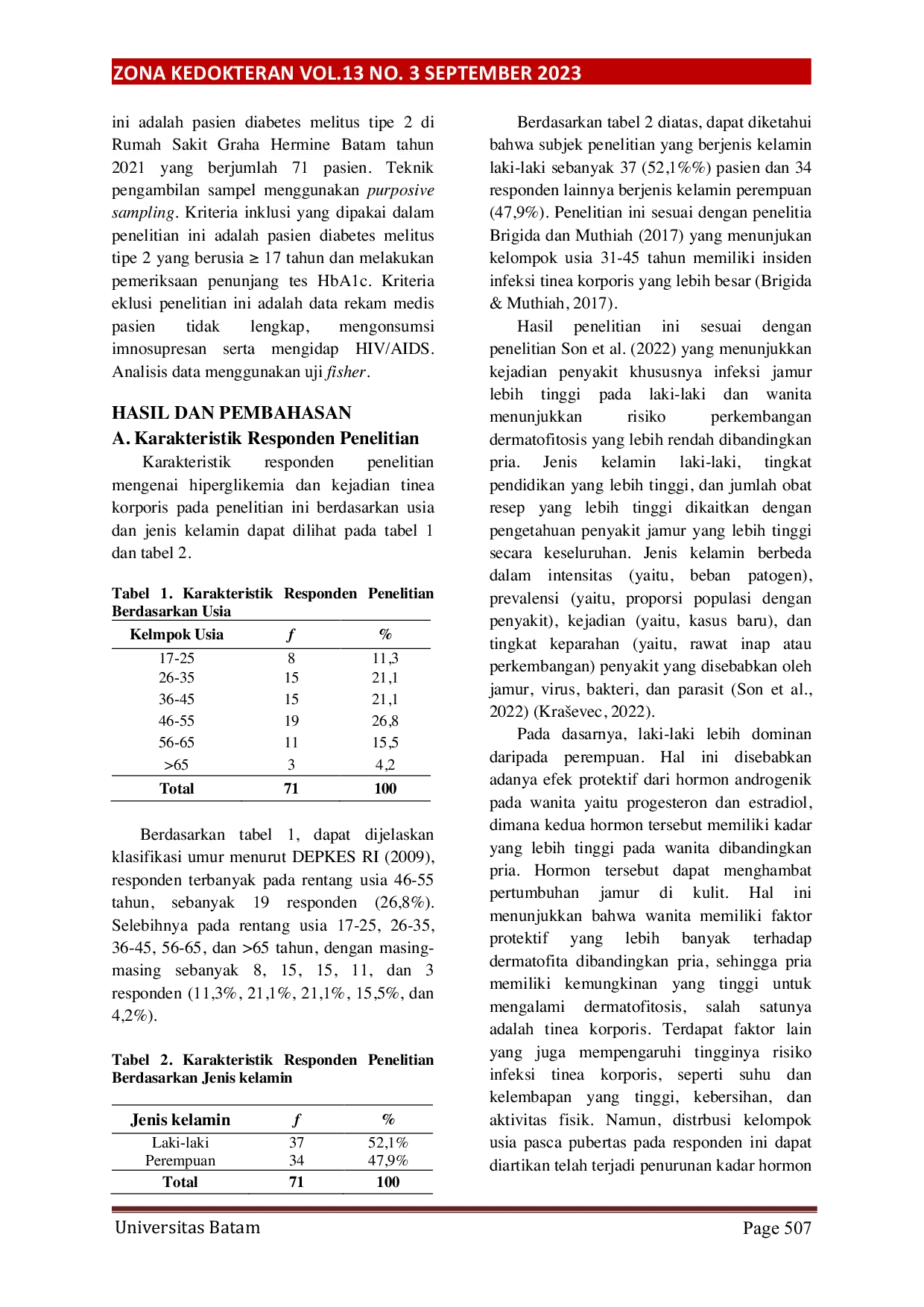
UNIBAUNIBA Hiperglikemia merupakan faktor risiko tinea korporis pada pasien diabetes (terutama diabetes melitus tipe 2), sehingga kontrol glikemik sangat berperanHiperglikemia merupakan faktor risiko tinea korporis pada pasien diabetes (terutama diabetes melitus tipe 2), sehingga kontrol glikemik sangat berperan
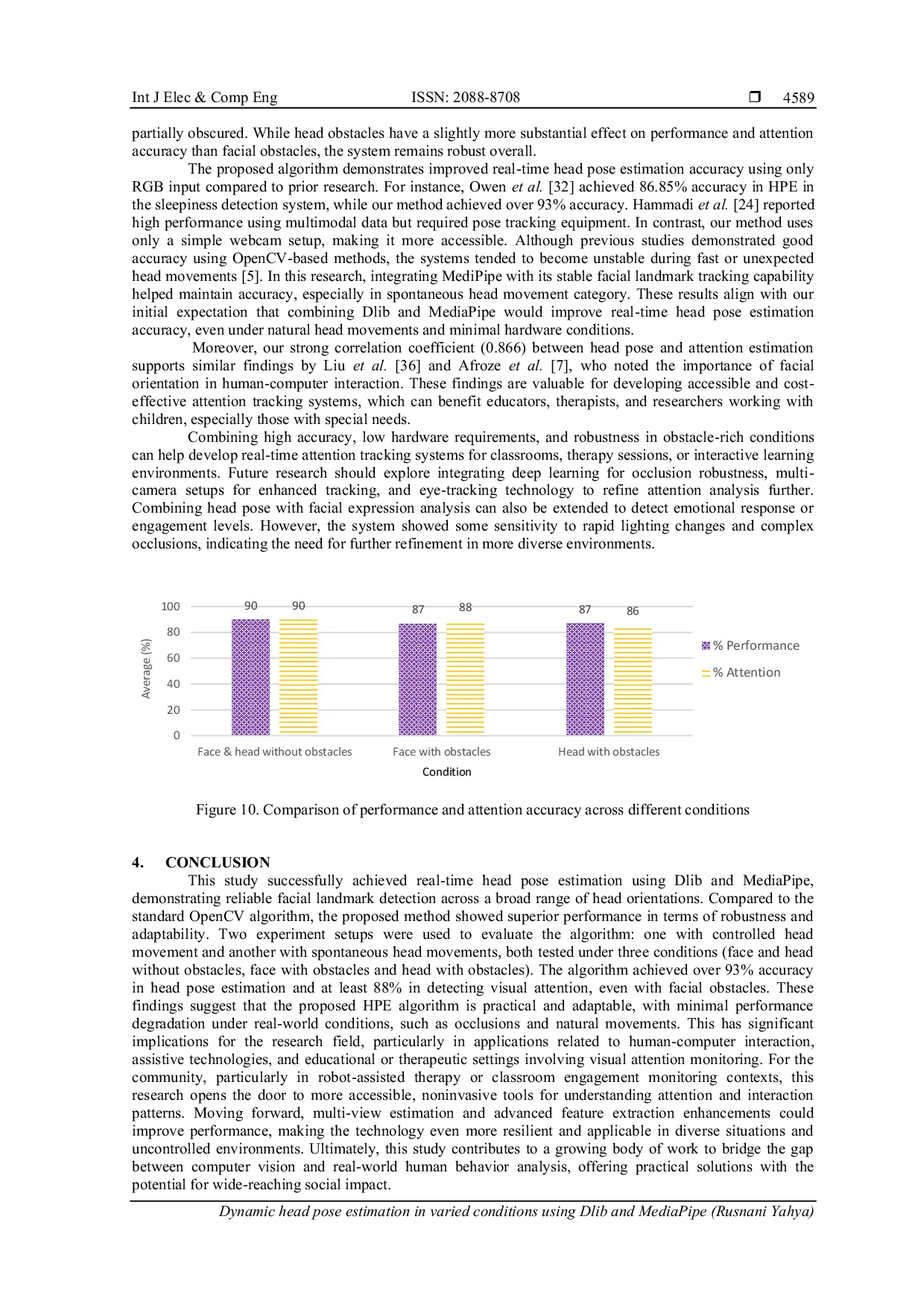
IAESCOREIAESCORE Temuan ini memberikan wawasan berharga tentang efektivitas algoritma yang diusulkan dalam menilai perhatian visual dan menunjukkan potensi aplikasinyaTemuan ini memberikan wawasan berharga tentang efektivitas algoritma yang diusulkan dalam menilai perhatian visual dan menunjukkan potensi aplikasinya
Useful /

IAESCOREIAESCORE The identification of specific frequency bands correlating with motor neuron firing during finger motions provides valuable physiological insights. Furthermore,The identification of specific frequency bands correlating with motor neuron firing during finger motions provides valuable physiological insights. Furthermore,
UMPRUMPR Penelitian ini menggunakan paradigma konstruktivisme dengan pendekatan kualitatif dan metode analisis framing model Robert N. Entman. Dalam penelitianPenelitian ini menggunakan paradigma konstruktivisme dengan pendekatan kualitatif dan metode analisis framing model Robert N. Entman. Dalam penelitian

LENTERADUALENTERADUA Kombinasi CNN dengan konversi citra ke grayscale menghasilkan akurasi klasifikasi sebesar 70%, lebih baik dibandingkan penggunaan CNN saja yang mencapaiKombinasi CNN dengan konversi citra ke grayscale menghasilkan akurasi klasifikasi sebesar 70%, lebih baik dibandingkan penggunaan CNN saja yang mencapai
LENTERADUALENTERADUA Terdapat beberapa metode data mining yang dapat digunakan untuk menganalisis pola pembelian barang secara bersamaan oleh pembeli, di antaranya algoritmeTerdapat beberapa metode data mining yang dapat digunakan untuk menganalisis pola pembelian barang secara bersamaan oleh pembeli, di antaranya algoritme