IAESCOREIAESCORE
International Journal of Electrical and Computer Engineering (IJECE)International Journal of Electrical and Computer Engineering (IJECE)Many people suffer from bone fractures, which can result from minor accidents, forceful blows, or even diseases like osteoporosis or bone cancer. In the medical realm, accurately identifying bone fractures from X-ray images is paramount for effective diagnosis and treatment. To address this, a comparative study is conducted utilizing three distinct models: a traditional convolutional neural network (CNN), MobileNet-V2, and a newly developed parallel deep convolutional neural network (PDCNN). The primary aim is to evaluate and contrast these models in terms of precision, sensitivity, and specificity for diagnosing bone fractures. X-ray images of fractured and non-fractured bones are sourced from Kaggle and subjected to various image processing techniques to rectify anomalies. Techniques such as cropping, resizing, contrast enhancement, filtering, and augmentation are applied, culminating in canny edge detection. These processed images are then used to train and test models. The results showcased the superior performance of the newly developed PDCNN model, achieving an impressive accuracy of 92.89%, surpassing both the traditional CNN and pretrained MobileNet-V2 models. A series of ablation studies are conducted to fine-tune the hyperparameters of the PDCNN model, further validating its efficacy. Throughout the investigation, PDCNN consistently outperformed MobileNet-V2 and traditional CNN, underscoring its potential as an advanced tool for streamlining bone fracture identification.
The study demonstrates the effectiveness of the proposed PDCNN model in accurately detecting bone fractures from X-ray images, surpassing traditional CNN and MobileNet-V2 models.Rigorous validation through ablation studies confirms the models robustness and optimal performance.These findings contribute to advancements in medical image analysis and have the potential to improve diagnostic accuracy and efficiency in clinical settings.
Future research should explore the integration of PDCNN with other imaging modalities, such as CT scans and MRI, to enhance diagnostic capabilities and provide a more comprehensive assessment of bone fractures. Investigating the application of PDCNN in detecting subtle or complex fracture patterns, which are often challenging for human radiologists, could further improve diagnostic accuracy. Additionally, developing a user-friendly interface and deploying PDCNN as a clinical decision support system could facilitate its widespread adoption and integration into routine medical practice, ultimately benefiting patients and healthcare professionals alike. These advancements will require further data collection, model refinement, and clinical validation to ensure the reliability and effectiveness of PDCNN in real-world healthcare settings.
| File size | 1.07 MB |
| Pages | 13 |
| DMCA | Report |
Related /
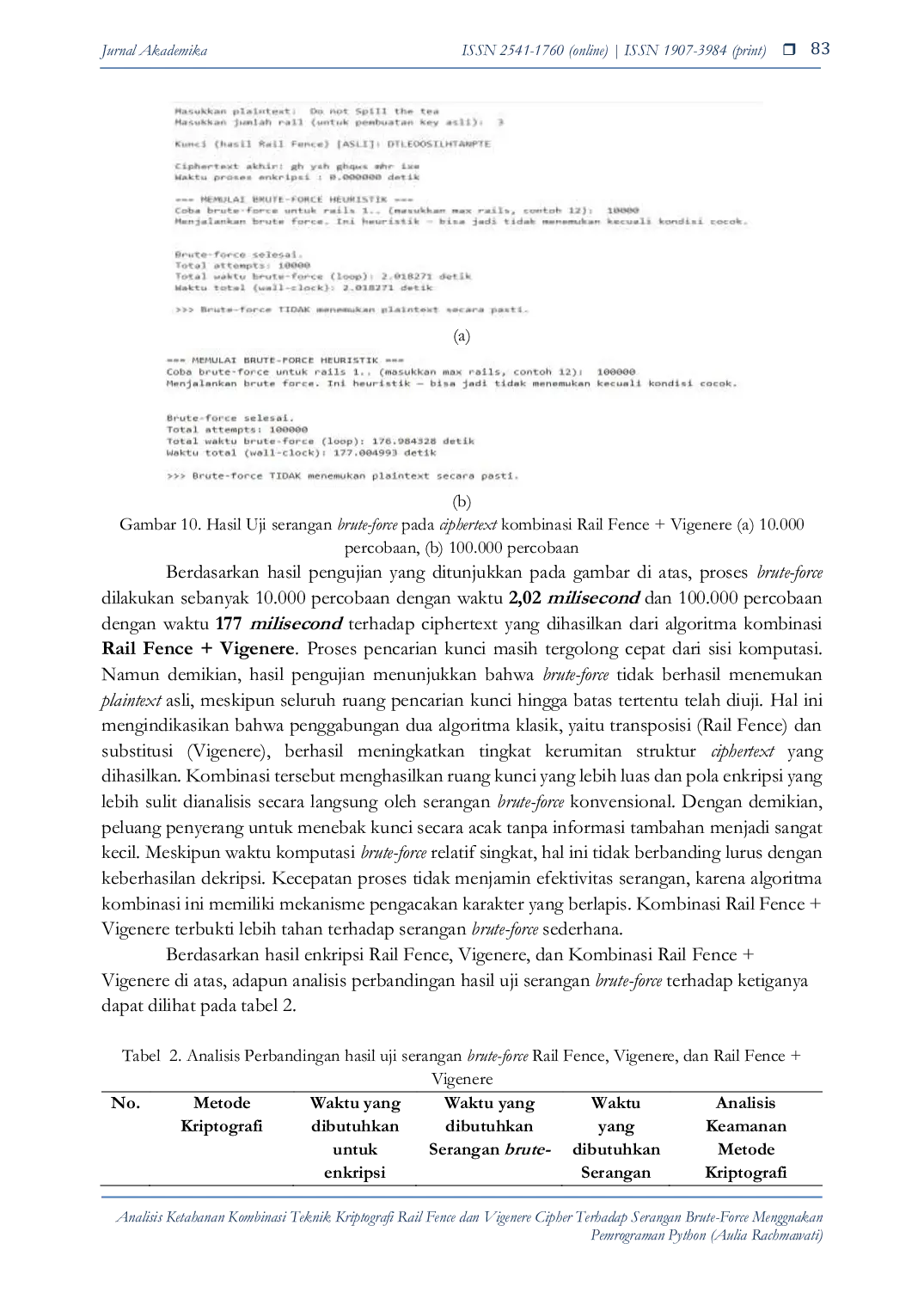
UNHUNH Salah satu upaya untuk menjaga keamanan data adalah melalui penerapan teknik kriptografi. Dua di antara algoritma kriptografi klasik yang umum digunakanSalah satu upaya untuk menjaga keamanan data adalah melalui penerapan teknik kriptografi. Dua di antara algoritma kriptografi klasik yang umum digunakan
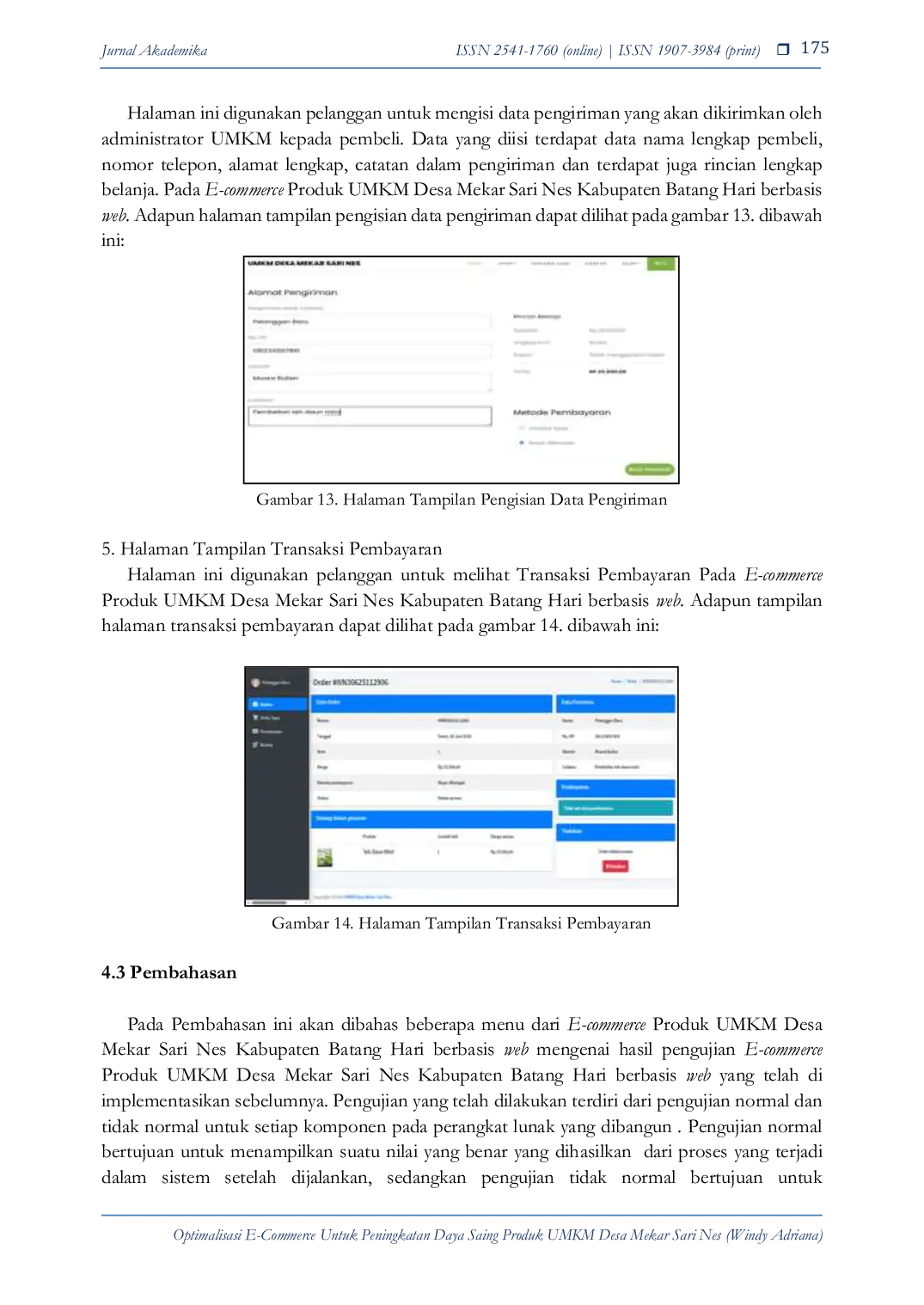
UNHUNH Penelitian ini bertujuan untuk membangun platform E-commerce berbasis web untuk produk UMKM Desa Mekar Sari Nes, guna mengatasi kendala pemasaran tradisionalPenelitian ini bertujuan untuk membangun platform E-commerce berbasis web untuk produk UMKM Desa Mekar Sari Nes, guna mengatasi kendala pemasaran tradisional

UNTADUNTAD Penelitian ini menggunakan teori Van Metter dan Van Horn dengan enam indikator. Menggunakan pendekatan kualitatif dengan tipe penelitian deskriptif. TeknikPenelitian ini menggunakan teori Van Metter dan Van Horn dengan enam indikator. Menggunakan pendekatan kualitatif dengan tipe penelitian deskriptif. Teknik

PUBLIKASIINDONESIAPUBLIKASIINDONESIA Keberhasilan sebuah lembaga sangat bergantung pada kualitas sumber daya manusia (SDM). Evaluasi kinerja karyawan sangat penting dalam menentukan keputusanKeberhasilan sebuah lembaga sangat bergantung pada kualitas sumber daya manusia (SDM). Evaluasi kinerja karyawan sangat penting dalam menentukan keputusan
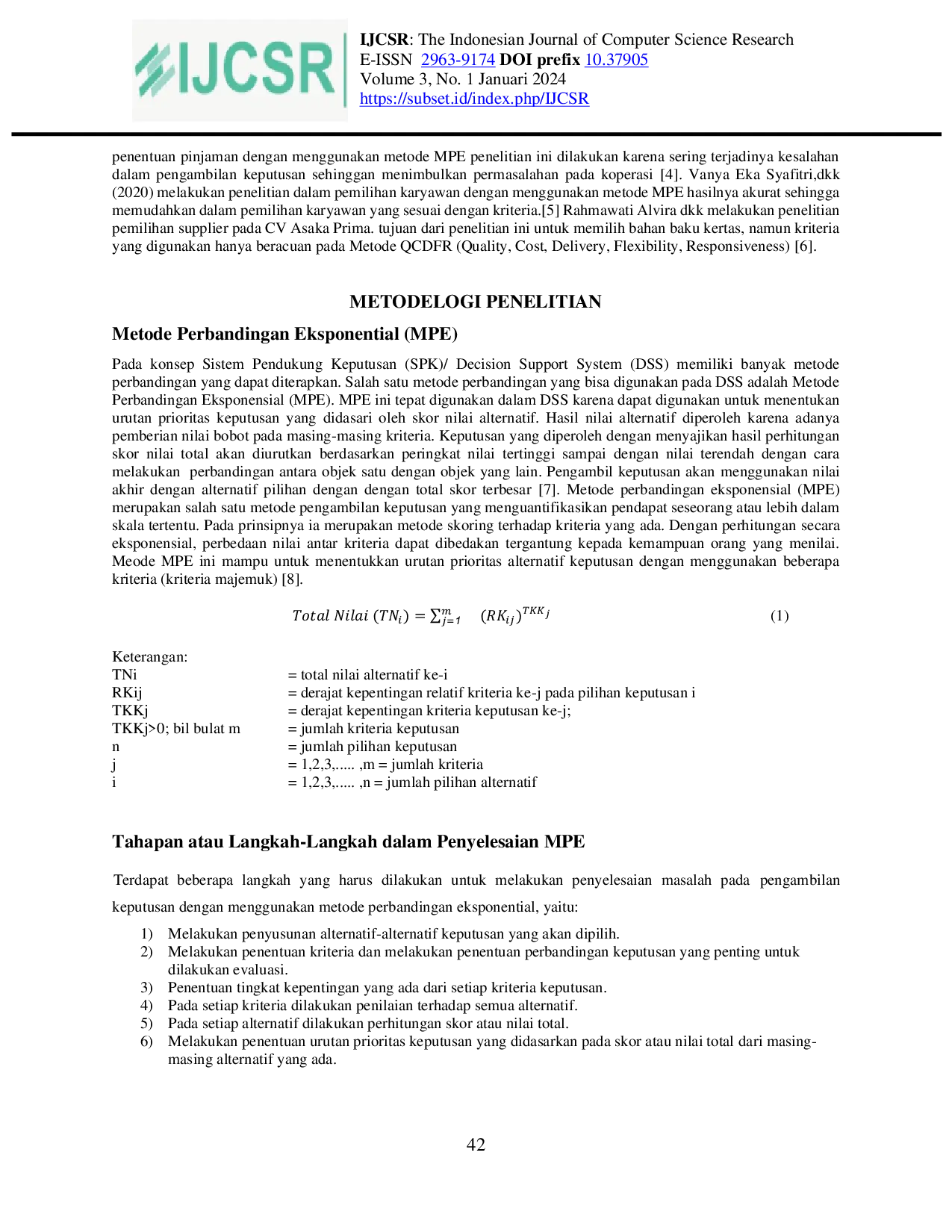
SUBSETSUBSET Sistem pendukung keputusan berbasis website yang dibuat pada penelitian ini menggunakan Metode Perbandingan Eksponential (MPE), metode ini akan diimplementasikanSistem pendukung keputusan berbasis website yang dibuat pada penelitian ini menggunakan Metode Perbandingan Eksponential (MPE), metode ini akan diimplementasikan

STEKOMSTEKOM Salah satu alat transportasi darat yang paling banyak digunakan oleh masyarakat di Indonesia adalah sepeda motor, karena selain lebih irit jika dibandingkanSalah satu alat transportasi darat yang paling banyak digunakan oleh masyarakat di Indonesia adalah sepeda motor, karena selain lebih irit jika dibandingkan

TUNASBANGSATUNASBANGSA Berdasarkan hasil perhitungan manual dan sistem, diperoleh hasil yang perangkingan yang memiliki tingkat soil tertinggi adalah Rp. 000 dari alternatifBerdasarkan hasil perhitungan manual dan sistem, diperoleh hasil yang perangkingan yang memiliki tingkat soil tertinggi adalah Rp. 000 dari alternatif
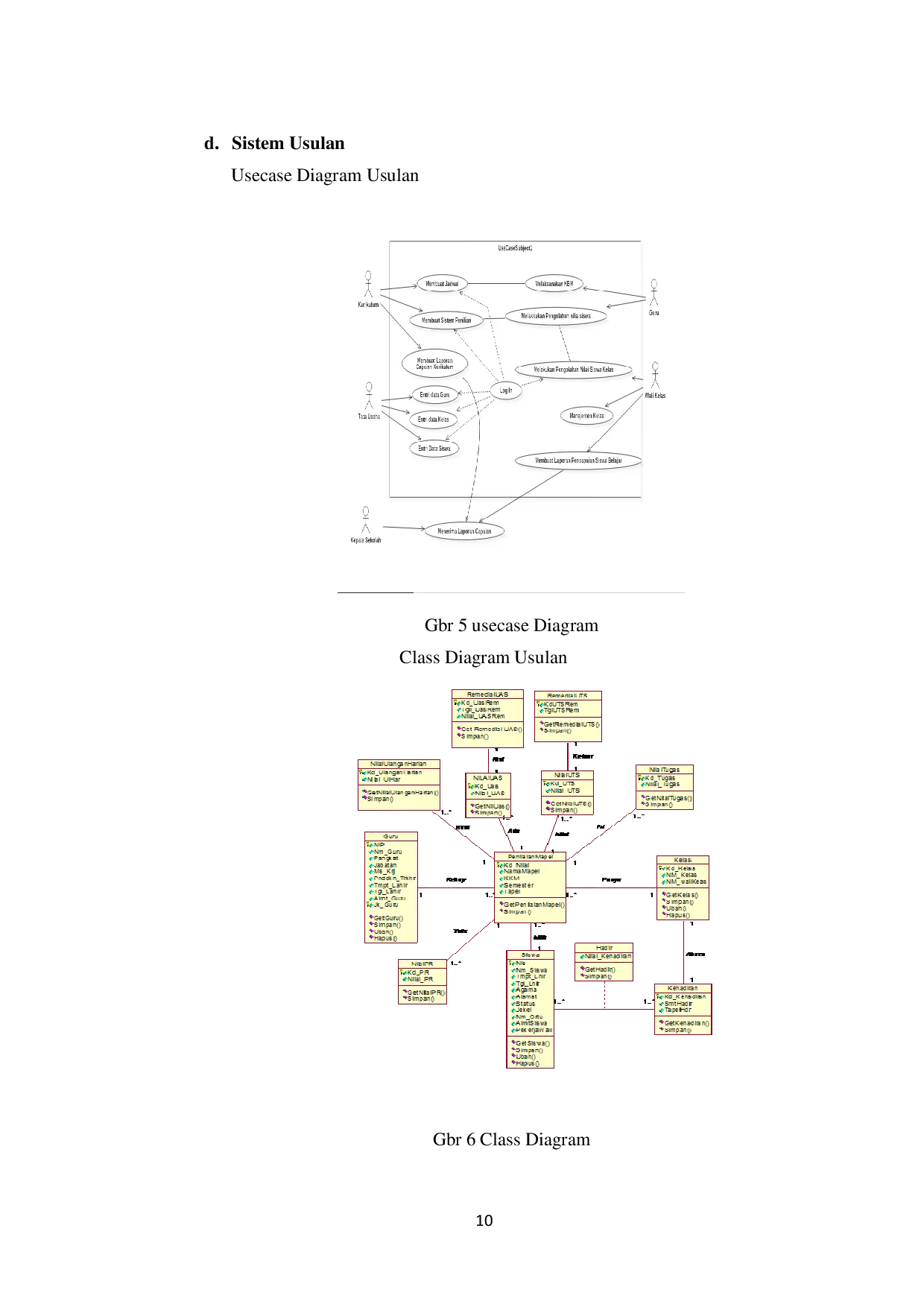
LPPM UNBAJALPPM UNBAJA Excel. Belum lagi masalah pencarian data yang telah diarsipkan atau disimpan dalam folder komputer yang akan memakan waktu lama untuk mendapatkannya. OlehExcel. Belum lagi masalah pencarian data yang telah diarsipkan atau disimpan dalam folder komputer yang akan memakan waktu lama untuk mendapatkannya. Oleh
Useful /
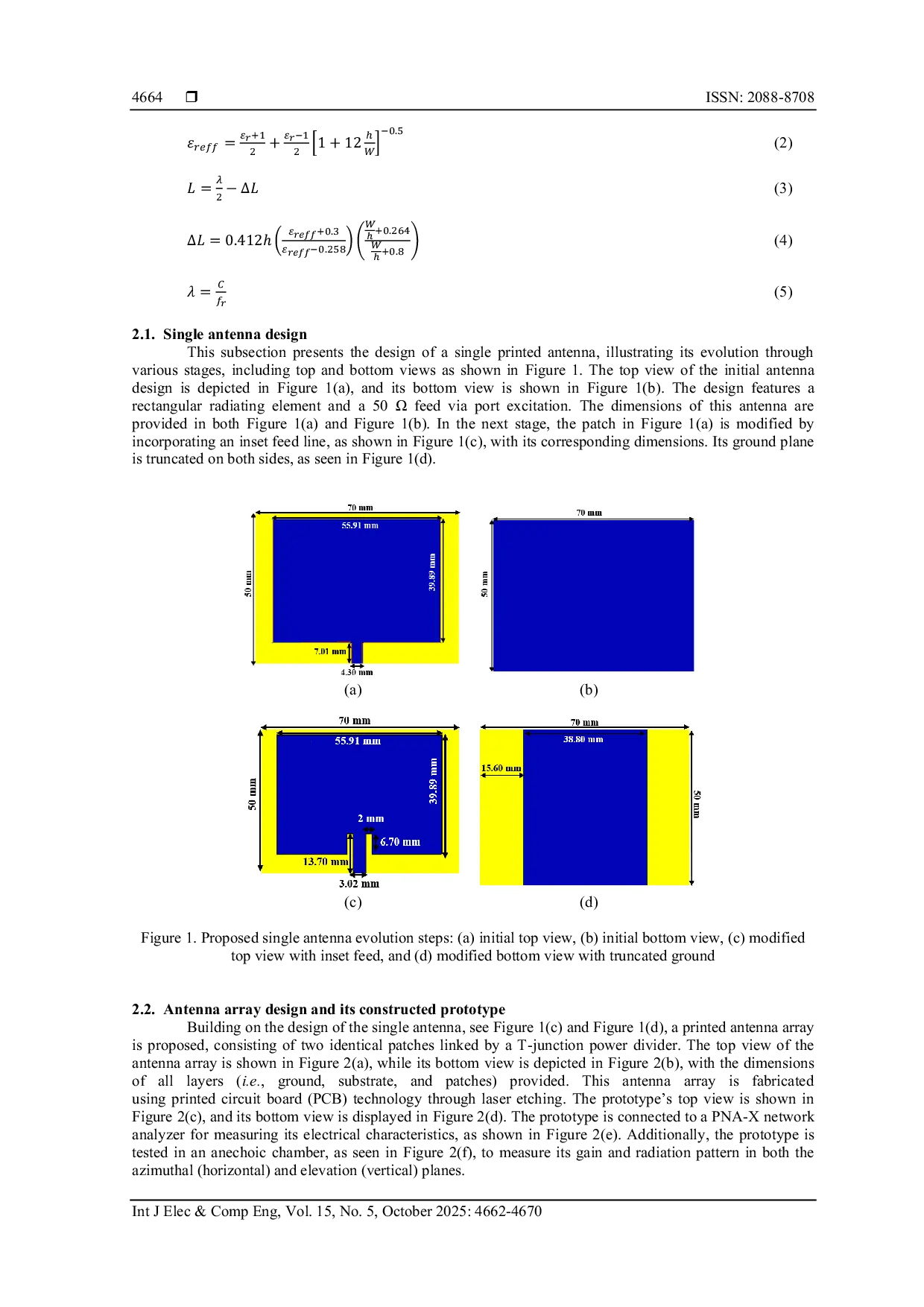
IAESCOREIAESCORE Dengan hanya dua patch, array antena yang diusulkan menawarkan solusi yang kompak, efisien, dan praktis untuk aplikasi transmisi daya nirkabel, khususnyaDengan hanya dua patch, array antena yang diusulkan menawarkan solusi yang kompak, efisien, dan praktis untuk aplikasi transmisi daya nirkabel, khususnya

IAESCOREIAESCORE Analisis tematik mengkategorikan temuan berdasarkan lima pilar utama kerangka ASMIT. Hasil menunjukkan bahwa alat berbasis kecerdasan buatan (AI), ketikaAnalisis tematik mengkategorikan temuan berdasarkan lima pilar utama kerangka ASMIT. Hasil menunjukkan bahwa alat berbasis kecerdasan buatan (AI), ketika

TUNASBANGSATUNASBANGSA Kelayakan seseorang dalam memberikan pelayanan terbaik haruslah melalui sebuah penilaian yang baik. Indikator perusahaan dalam penilaian kelayakan pelayananKelayakan seseorang dalam memberikan pelayanan terbaik haruslah melalui sebuah penilaian yang baik. Indikator perusahaan dalam penilaian kelayakan pelayanan

TUNASBANGSATUNASBANGSA 5 diharapkan mampu mempermudah Pemerintah Kelurahan Martoba Kecamatan Siantar Utara Kota Pematangsiantar dalam memberikan bantuan Program Keluarga Harapan5 diharapkan mampu mempermudah Pemerintah Kelurahan Martoba Kecamatan Siantar Utara Kota Pematangsiantar dalam memberikan bantuan Program Keluarga Harapan