IAESCOREIAESCORE
International Journal of Electrical and Computer Engineering (IJECE)International Journal of Electrical and Computer Engineering (IJECE)This article investigates the discount factor-based data-driven reinforcement learning control (DDRLC) algorithm for completely uncertain unmanned aerial vehicle (UAV) quadrotors. The proposed cascade control structure of UAV is categorized with two control loops of attitude and position sub-systems, which are established the proposed discount factor-based DDRLC algorithm. Through the analysis of the Bellman functions time derivative from two perspectives, a revised Hamilton-Jacobi-Bellman (HJB) equation including a discount factor is developed. Then, in the view of off-policy consideration, an equation is formulated to simultaneously solve the approximate Bellman function and approximate optimal control law in the proposed DDRLC algorithm with guaranteed convergence. According to the modified state variables vector, the development of the discount factor-based DDRLC algorithm in each control loop is indirectly implemented by transforming the time-varying tracking error model into the time invariant system. Finally, a simulation study on the proposed discount factor-based DDRLC algorithm is provided to validate its effectiveness.
The proposed data-driven reinforcement learning algorithm incorporating a discount factor was developed for the two subsystems of a UAV quadrotor to address performance challenges in fully uncertain UAV systems.Utilizing the off-policy approach, the model-free cascade control framework was constructed to simultaneously obtain the optimal control law and the corresponding Bellman function.The network weights were adjusted to approximate the solution of the modified Hamilton-Jacobi-Bellman (HJB) equation, with theoretical guarantees of both convergence and stability.
Berdasarkan penelitian ini, beberapa saran penelitian lanjutan dapat diajukan untuk memperluas pemahaman dan penerapan kontrol UAV yang lebih canggih. Pertama, penelitian dapat difokuskan pada pengembangan algoritma RL yang lebih adaptif terhadap perubahan lingkungan dan parameter UAV secara real-time, sehingga meningkatkan robustitas sistem kontrol. Kedua, eksplorasi integrasi sensor yang lebih beragam, seperti LiDAR atau kamera termal, dapat memberikan informasi tambahan untuk pengambilan keputusan kontrol yang lebih akurat dan aman, terutama dalam kondisi cuaca buruk atau lingkungan yang kompleks. Ketiga, penelitian dapat mengarah pada pengembangan arsitektur kontrol terdistribusi untuk swarm UAV, di mana setiap UAV dapat berkoordinasi secara otonom untuk mencapai tujuan bersama, membuka peluang aplikasi baru dalam bidang survei, pengiriman, dan pencarian dan penyelamatan.
| File size | 678.89 KB |
| Pages | 13 |
| DMCA | Report |
Related /

DHSJOURNALDHSJOURNAL Penelitian ini bertujuan untuk menguji bagaimana sistem pengendalian internal (SIP) diterapkan pada proses penerimaan kas di Masjid Assalam Purimas Surabaya,Penelitian ini bertujuan untuk menguji bagaimana sistem pengendalian internal (SIP) diterapkan pada proses penerimaan kas di Masjid Assalam Purimas Surabaya,

UMPARUMPAR Desa agraris ini menghadapi tantangan terkait keterbatasan akses perempuan dan anak dalam partisipasi pembangunan serta pengelolaan dana desa yang cenderungDesa agraris ini menghadapi tantangan terkait keterbatasan akses perempuan dan anak dalam partisipasi pembangunan serta pengelolaan dana desa yang cenderung

UMPARUMPAR Penelitian ini menganalisis pengaruh beauty vlogger dan E-WOM terhadap keputusan pembelian produk kosmetik lokal melalui kepercayaan pelanggan di kalanganPenelitian ini menganalisis pengaruh beauty vlogger dan E-WOM terhadap keputusan pembelian produk kosmetik lokal melalui kepercayaan pelanggan di kalangan

AZZUKHRUFCENDIKIAAZZUKHRUFCENDIKIA Tujuan penelitian ini adalah untuk menganalisis pengaruh kepemimpinan Islami, komitmen organisasi, pencegahan penipuan keuangan, dan sistem informasi akuntansiTujuan penelitian ini adalah untuk menganalisis pengaruh kepemimpinan Islami, komitmen organisasi, pencegahan penipuan keuangan, dan sistem informasi akuntansi

AZZUKHRUFCENDIKIAAZZUKHRUFCENDIKIA Maqashid Sharia Index berpengaruh negatif namun tidak signifikan terhadap Islamic Social Reporting, sehingga peningkatan skor MSI justru dikaitkan denganMaqashid Sharia Index berpengaruh negatif namun tidak signifikan terhadap Islamic Social Reporting, sehingga peningkatan skor MSI justru dikaitkan dengan

RISETPRESSRISETPRESS Sinergi antara akuntansi forensik dan analitik data besar menjadi alat kuat dalam mendeteksi ancaman potensial. Selain itu, metodologi deteksi penipuanSinergi antara akuntansi forensik dan analitik data besar menjadi alat kuat dalam mendeteksi ancaman potensial. Selain itu, metodologi deteksi penipuan

STIEMULIA SINGKAWANGSTIEMULIA SINGKAWANG Analisis data menggunakan deskriptif kualitatif. Hasil penelitian menunjukan bahwa pengendalian internal persediaan obat-obatan pada UPT Puskesmas SingkawangAnalisis data menggunakan deskriptif kualitatif. Hasil penelitian menunjukan bahwa pengendalian internal persediaan obat-obatan pada UPT Puskesmas Singkawang
STIEMULIA SINGKAWANGSTIEMULIA SINGKAWANG Tujuan dari penelitian ini untuk mengetahui bagimana penerapan siklus penjualan pada perusahaan apakah sudah memadai, dan bagaimana penerapan pengendalianTujuan dari penelitian ini untuk mengetahui bagimana penerapan siklus penjualan pada perusahaan apakah sudah memadai, dan bagaimana penerapan pengendalian
Useful /
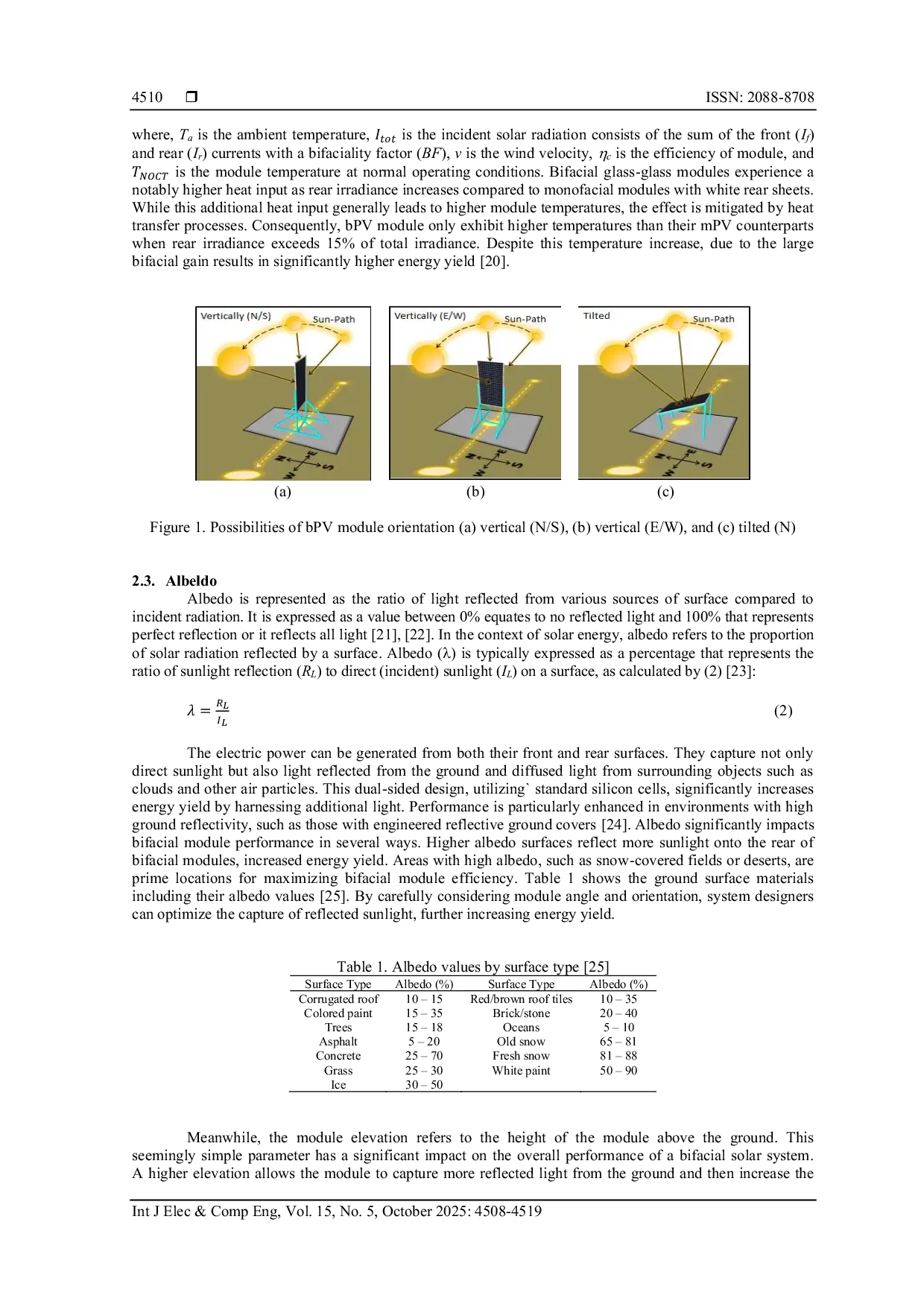
IAESCOREIAESCORE The study revealed that the tilted orientation yielded the highest energy yield (1951 Wh), followed by vertical East-West (1504 Wh) and vertical North-SouthThe study revealed that the tilted orientation yielded the highest energy yield (1951 Wh), followed by vertical East-West (1504 Wh) and vertical North-South

IAESCOREIAESCORE Hasil yang diperoleh menunjukkan bahwa THD pada tegangan berkurang dari 51% menjadi 44,67%, 20,94%, dan 16% setelah penerapan DVR, UPFC, dan UPQC masing-masingHasil yang diperoleh menunjukkan bahwa THD pada tegangan berkurang dari 51% menjadi 44,67%, 20,94%, dan 16% setelah penerapan DVR, UPFC, dan UPQC masing-masing
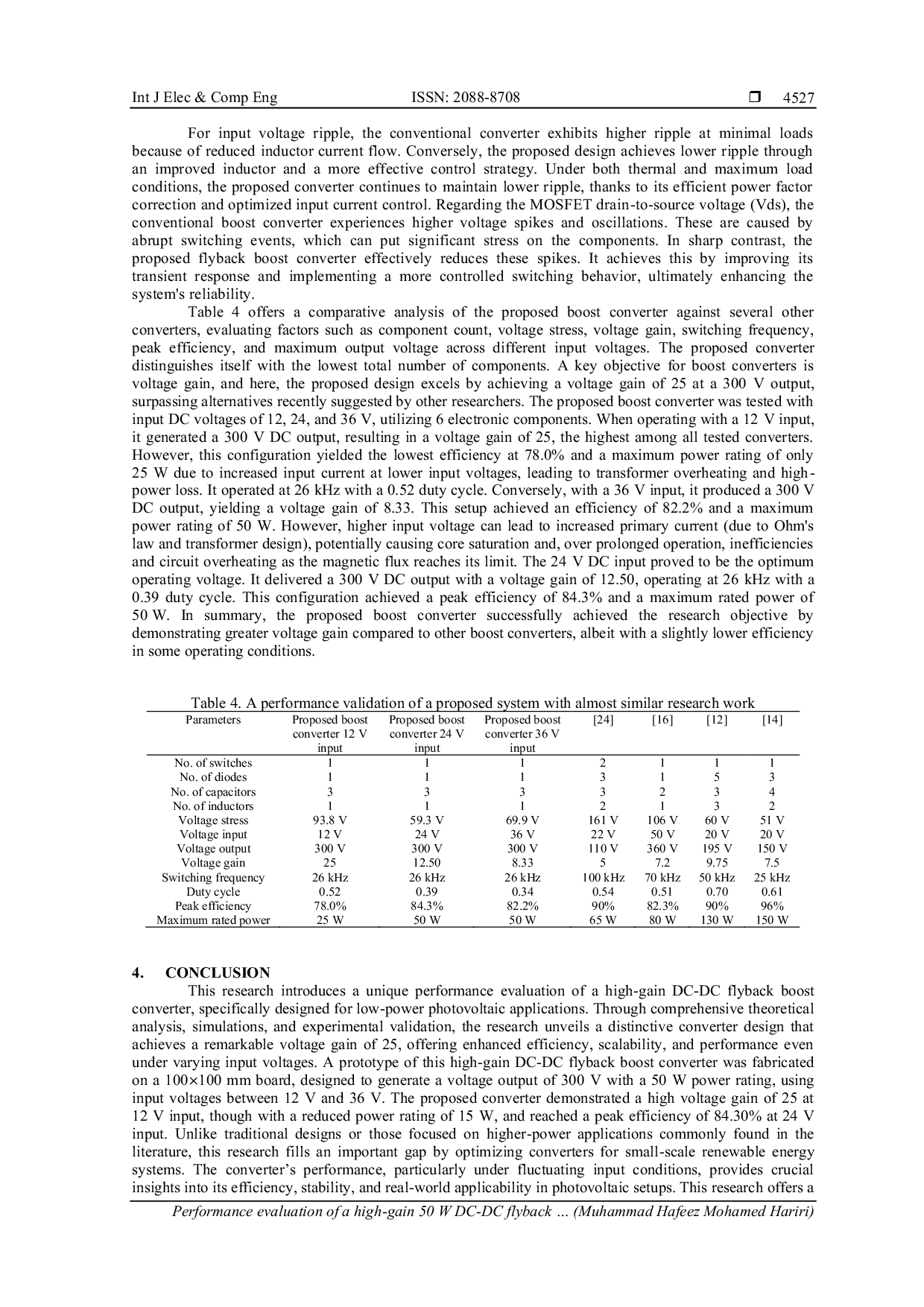
IAESCOREIAESCORE DC-DC boost converters are essential for stabilizing the voltage output of photovoltaic (PV) modules. This paper analyzes a unique 50 W high-gain DC-DCDC-DC boost converters are essential for stabilizing the voltage output of photovoltaic (PV) modules. This paper analyzes a unique 50 W high-gain DC-DC
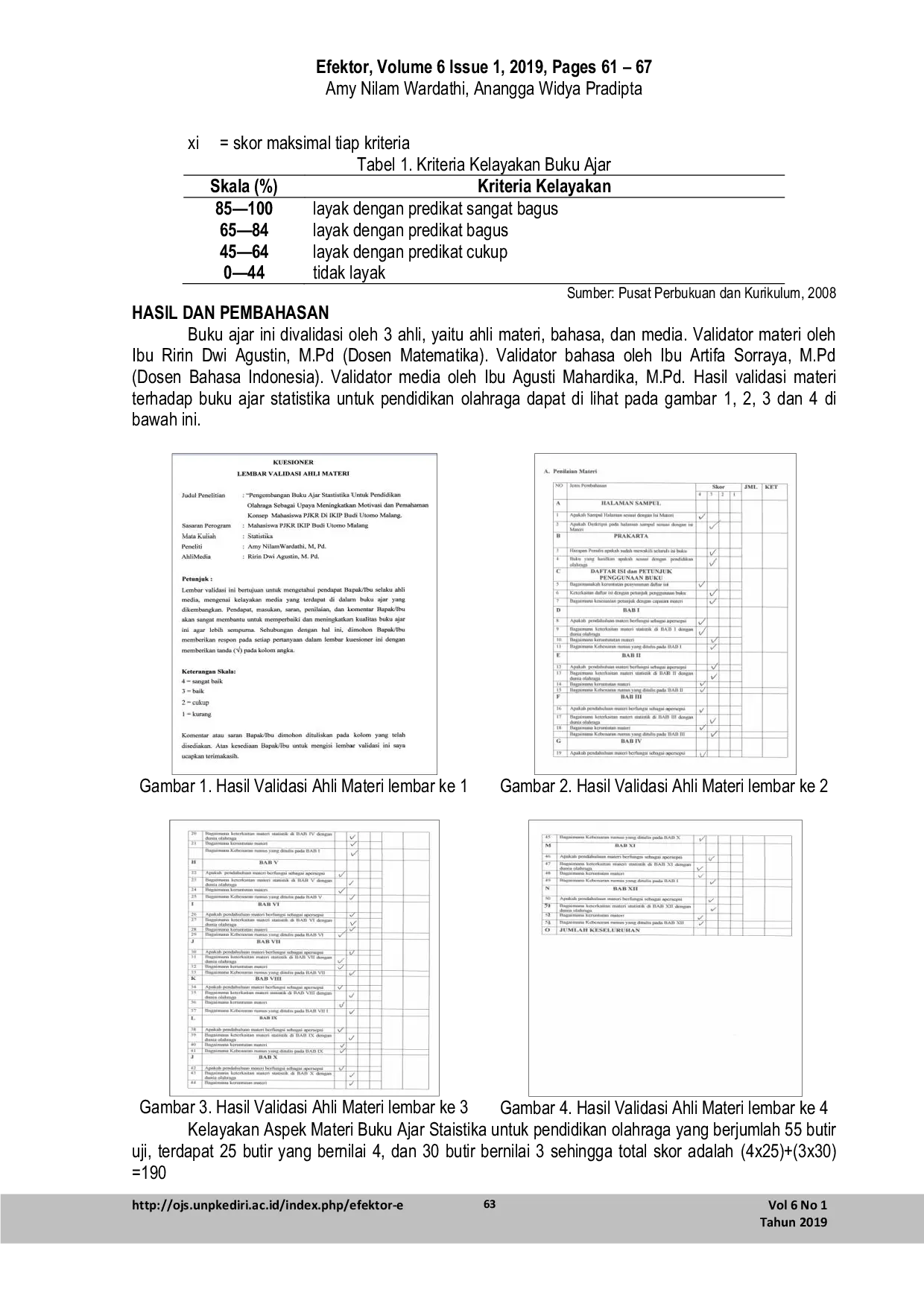
UNP KEDIRIUNP KEDIRI Oleh karena itu, penelitian ini bertujuan mengembangkan buku ajar statistika yang konten materinya berkaitan dengan olahraga menggunakan model pengembanganOleh karena itu, penelitian ini bertujuan mengembangkan buku ajar statistika yang konten materinya berkaitan dengan olahraga menggunakan model pengembangan